Spraying Vinegar Around Windows and Doors to Keep Spiders Away: The Step You Still Need to Take

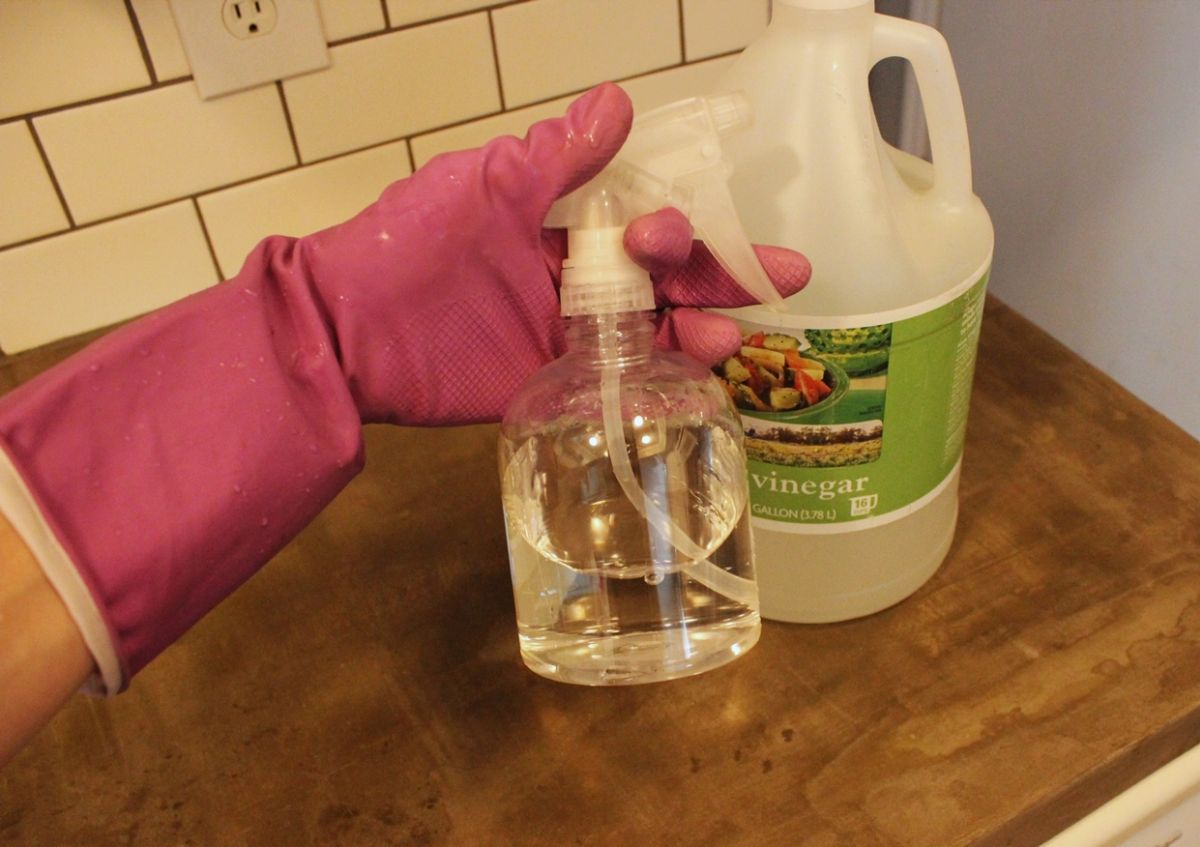
White vinegar goes into a spray bottle with water, then onto windowsills, doorways and corners where spiders have appeared. The household mixture is promoted as a deterrent, offering a reason to reach into the kitchen cupboard before buying a pest-control product.
The recommendation has a limit: it describes a temporary measure, with no established duration or guarantee that spiders will avoid every treated area. A strong smell does not show whether an entrance has been blocked.
The step that remains is checking and closing the gaps around doors, windows and pipework. Spraying the surrounding surface leaves those routes intact.
What the Vinegar Advice Covers
One pest-control guide proposes eight parts vinegar to two parts water for use around crevices, sills and doorways. It presents the mixture as a short-term deterrent and says other precautions are needed.
That supports describing why people use the spray, rather than promising a spider-free home. The guidance provides no controlled comparison showing how long protection lasts or how results differ between species.
Inspect the Frame, Screen and Door Seal
Start at the window where a spider was noticed, checking for torn mesh, spaces around the frame and joints where it meets the wall. At doors, inspect the weatherstripping and the gap beneath the closed door.
Openings around pipes and exterior wall cracks deserve attention too. Extension guidance recommends repairing damaged screens, replacing worn weatherstripping and sealing access gaps to discourage spiders from entering.
Look beyond the spot where the spider settled. A sill may be where it was seen, while the opening sits elsewhere along the frame.

Match the Repair to the Opening
Damaged screening needs repair or replacement; a worn door seal needs weatherstripping suited to the door. Use an appropriate sealing material for gaps that should be closed, leaving required drainage and ventilation openings unobstructed.
Include ground-level windows and foundation cracks in the inspection. Sealing suitable gaps in these areas is an established part of reducing spider access to a home.
A recurring sighting gives you a place to investigate, but it does not prove the nearest window is the route inside.
Keep the Result in Perspective
Spider numbers around a home can be reduced, but extension guidance does not consider making a house spider-free a practical goal.
Treat the vinegar suggestion as a limited claim about deterrence. The inspection has a more concrete outcome: finding damaged mesh, worn seals or an open joint that can be repaired. Those defects remain worth addressing whether you use the spray or skip it.
Sources: Rentokil, University of Minnesota.