She Cut Empty Wine Bottles in Half and Turned the Bottoms Into Christmas Candles


Empty wine bottles often end up in recycling bins, but their green glass can be reused for Christmas decorations. Instead of placing flowers inside a bottle or wrapping string lights around it, cutting away the upper section leaves a short glass container that can hold candle wax.
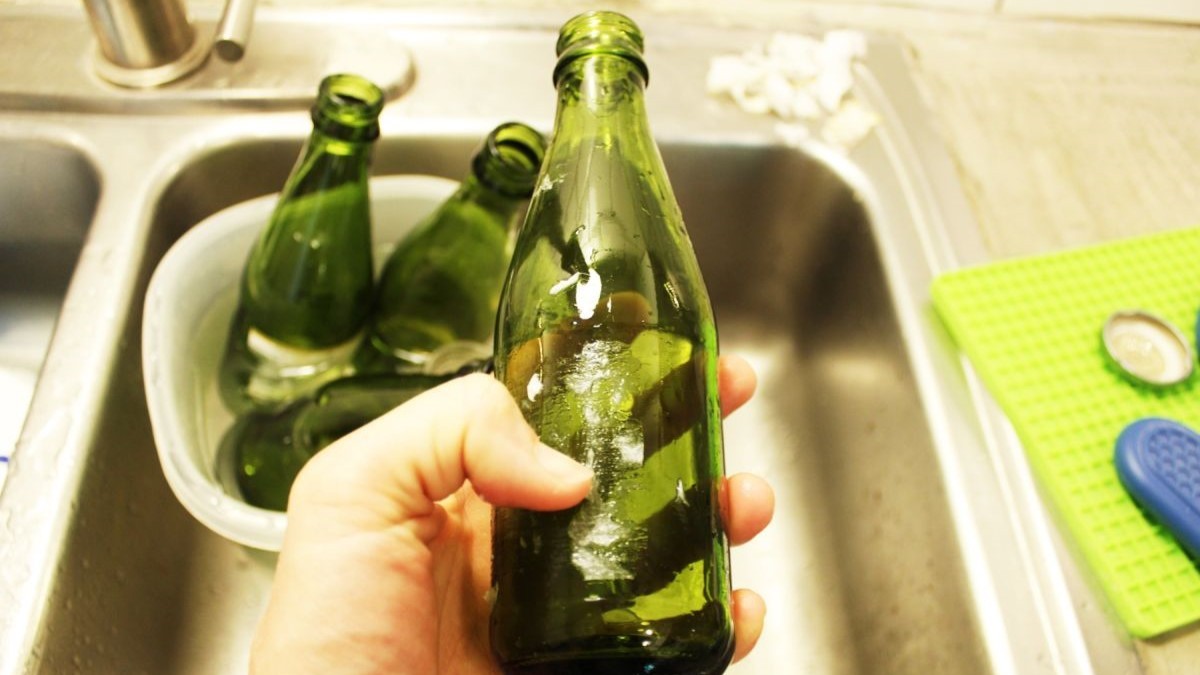
Homedit DIY creator Brittney Smart used green glass bottles, soy wax flakes, candle wicks, and fragrance to make two candles with different shapes. One has a wide base with three wicks, while the other is taller and holds a single wick.
The project involves cutting glass, securing wicks, melting wax, and pouring it into the prepared containers. One detail needs attention before attempting it: ordinary wine bottles aren’t certified for candle heat, so the original glass-bottle method carries a risk of cracking or breaking during use.
Mark the Glass Bottle Before Cutting
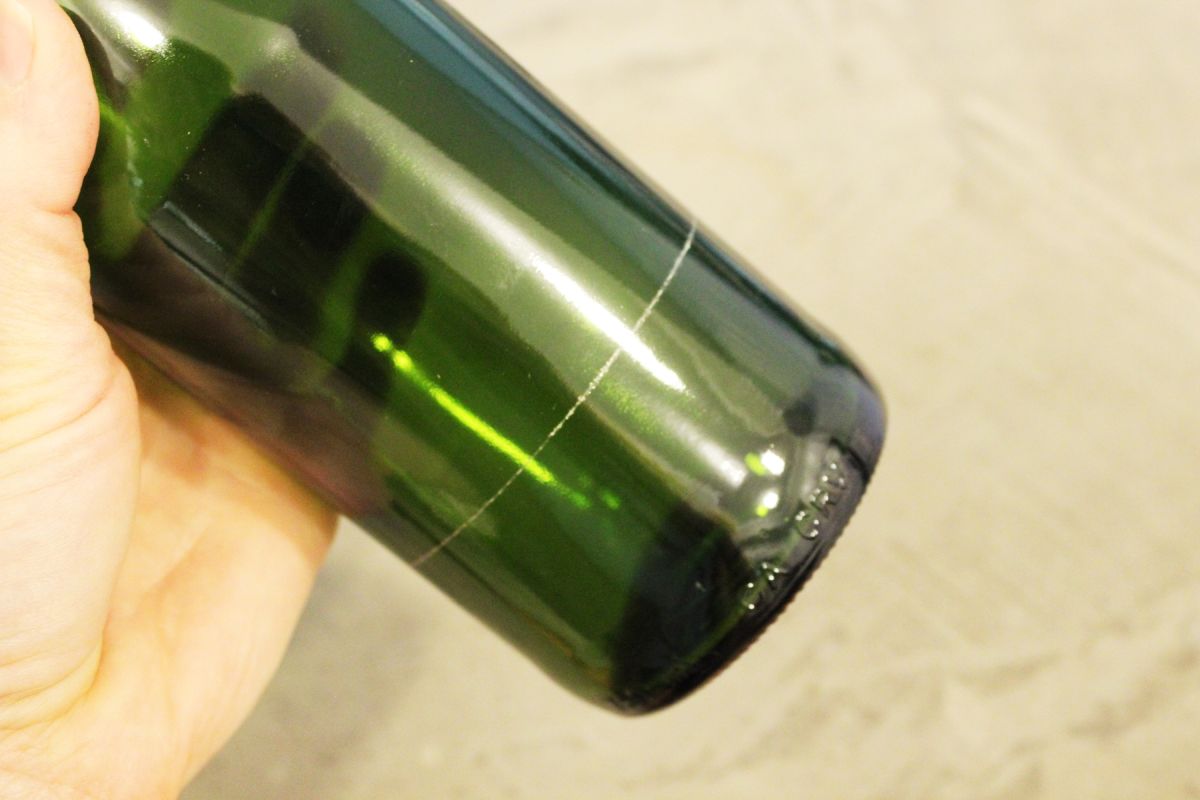
A score line runs around the lower portion of the green glass bottle, marking where the top will separate from the base. The section below this line determines the height of the finished container.
Smart used recycled glass bottles for the project, including different bottle shapes to produce candle vessels with varying widths and heights.
Cutting glass can leave sharp edges and fractures. A suitable bottle-cutting tool and eye protection are necessary, and any cut edges need smoothing. Even after cutting, the glass shouldn’t be assumed safe for a burning candle.
Attach the Candle Wicks to the Base
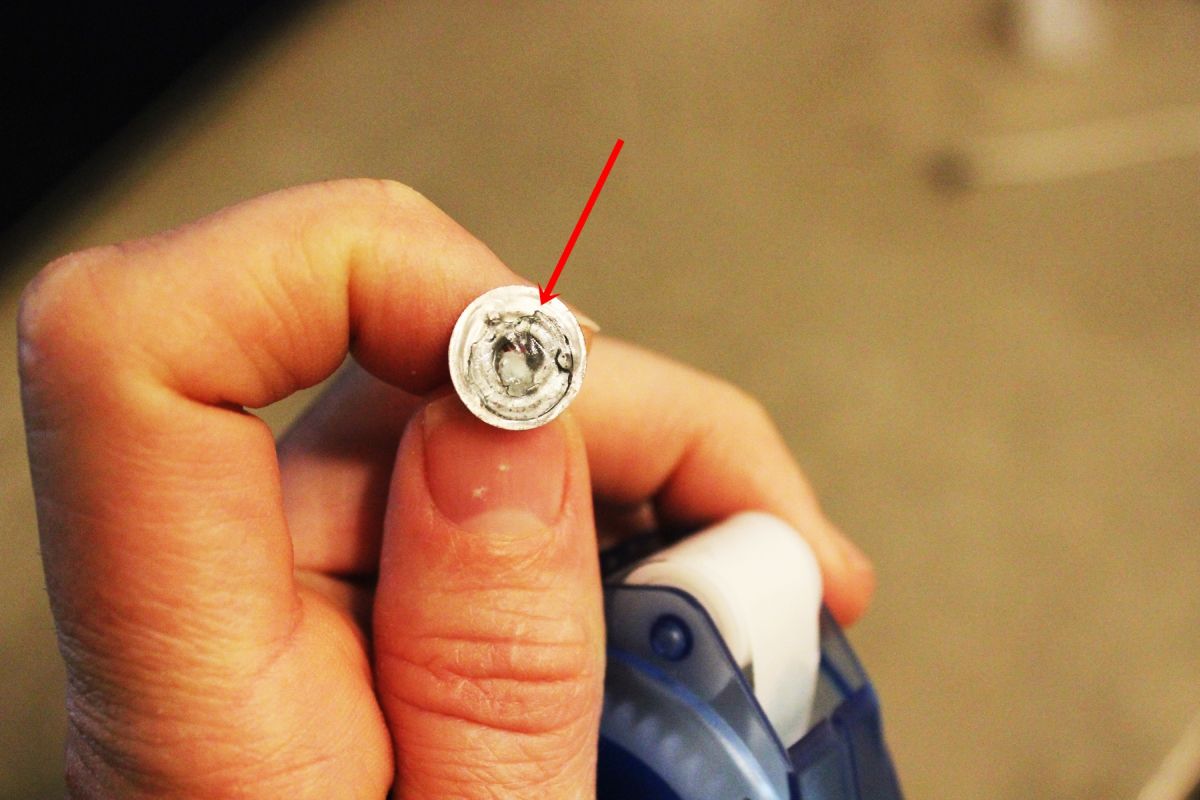
Candle wicks have small metal tabs at the bottom, which keep them anchored inside a container. Smart used adhesive dots to secure the tabs to the glass but found that some loosened when hot wax was added.
Hot glue was her preferred alternative for securing the wick tabs. For a candle-safe vessel, use wick stickers or another adhesive rated for candle making and check that the tabs remain attached before pouring wax.
Keep the Wicks Upright With Bamboo Skewers
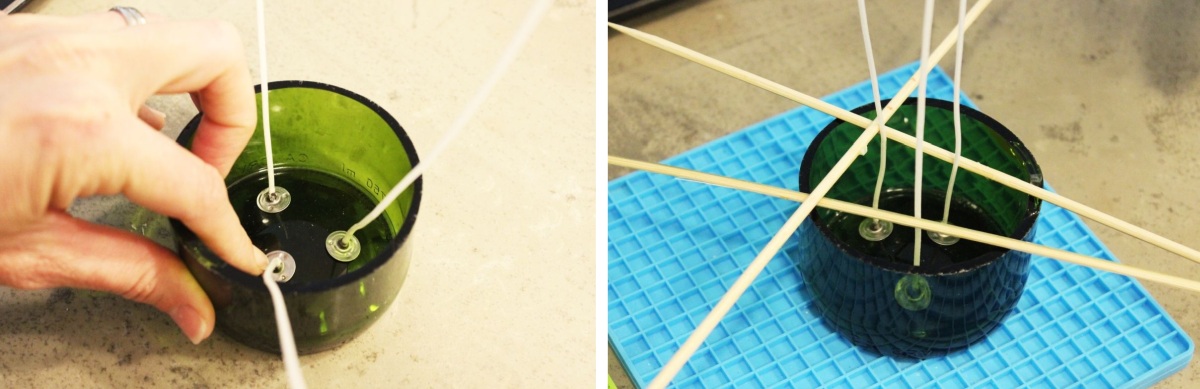
Three wicks sit inside the wider green glass base, with bamboo skewers crossing above the opening to hold them in position. The narrow vessel uses fewer wicks because its opening is smaller.
Center each wick and support it from opposite sides with skewers or a wick-centering bar. The support prevents the cotton strands from shifting during pouring and as the wax cools.
The correct number and size of wicks depend on the candle vessel’s diameter, the wax, and the wick manufacturer’s guidance.
Melt Soy Wax Flakes in a Double Boiler
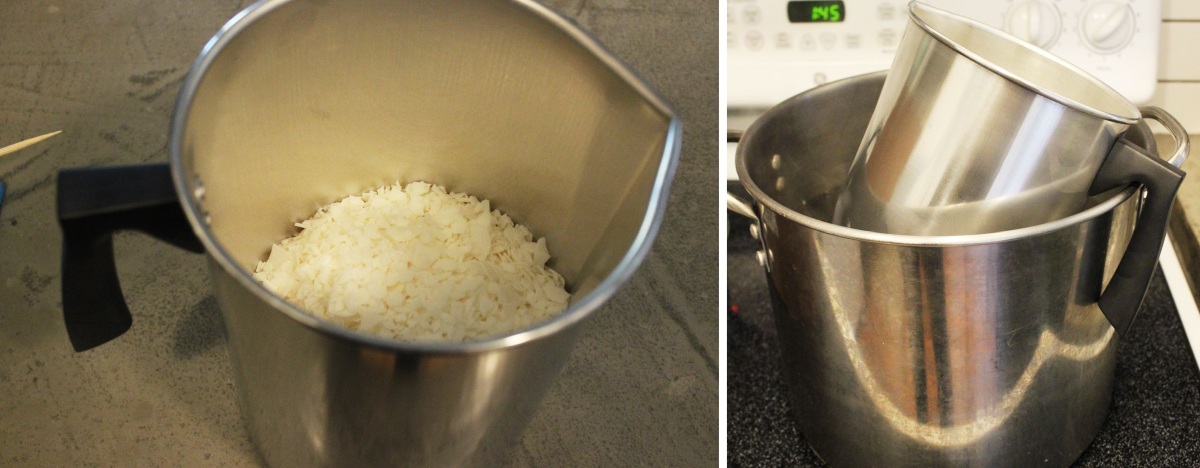
Soy wax flakes go into a metal candle-making pitcher, which sits inside a pot containing hot water. The water heats the pitcher without placing the wax over direct heat.
Smart used about twice the volume of flakes as the intended volume of melted wax, accounting for the space between the flakes before they melt.
Use a thermometer to monitor the wax temperature and follow the wax manufacturer’s melting and pouring instructions. Keep water out of the wax and never leave the heating setup unattended.
Add Fragrance to the Melted Wax
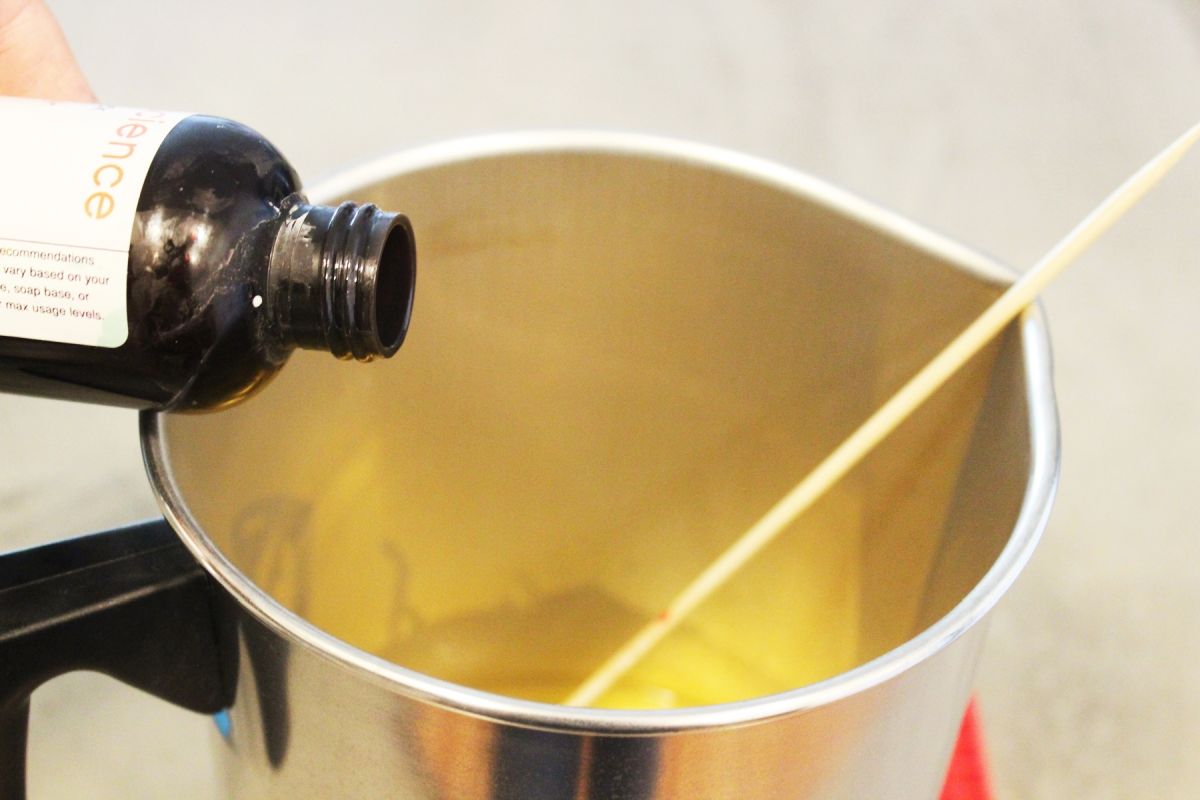
Once the soy wax melts, remove the pitcher from the water bath and allow it to reach the fragrance-addition temperature recommended for that wax.
Smart used approximately 1 ounce of candle fragrance per 2 pounds of wax and stirred the mixture for around 30 seconds. The exact amount should stay within the wax and fragrance manufacturer’s recommended limits.
Fragrance oils designed for candle making are preferable to perfume or fragrance products with unknown ingredients. Not every essential oil performs well in burning candles, and some aren’t suitable for this use.
Pour the Wax Around the Supported Wicks
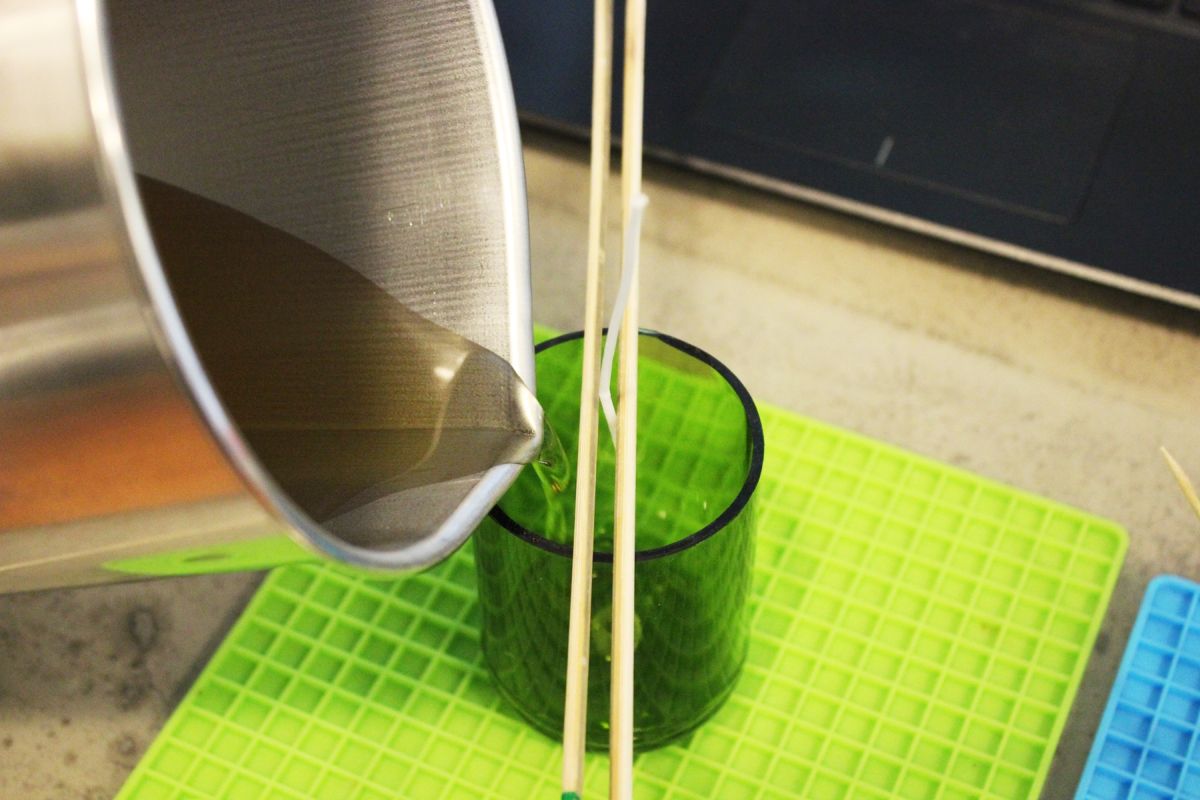
Melted wax is poured into the prepared green glass base while bamboo skewers hold the wicks upright. Pour into the space beside the wicks rather than onto the tabs to reduce the chance of dislodging them.
For anyone recreating the project, a manufacturer-approved candle container is the safer choice. Green candle-rated glass can provide the same appearance without relying on a cut wine bottle.
Leave adequate space between the wax surface and the container rim according to the candle vessel’s specifications.
Adjust the Wicks Before the Wax Sets
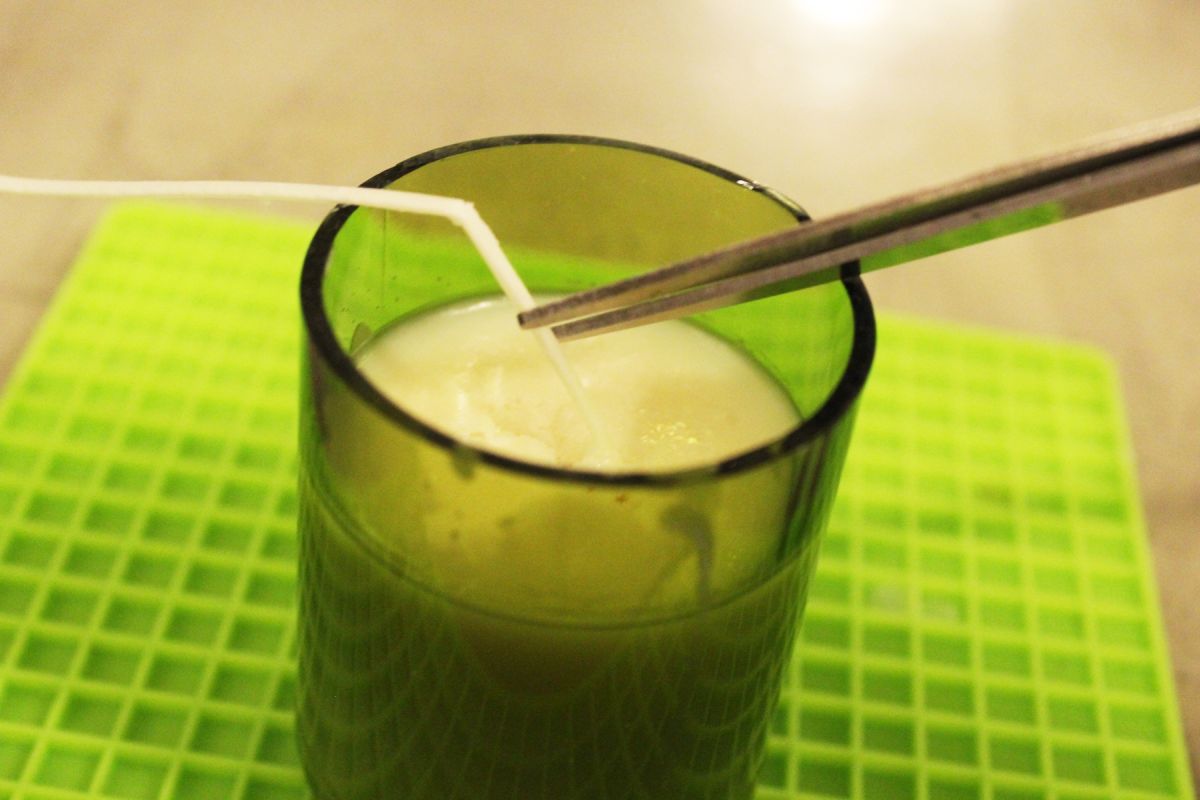
While the wax remains liquid, check that each wick stands upright and stays near its intended position. The photograph shows a wick being adjusted with a metal tool as the white soy wax begins to cool.
Smart allowed the candles to set for at least six hours, with an overnight rest suggested before trimming the wicks. Follow the wax manufacturer’s curing guidance before burning, since the required time can extend beyond the point when the surface feels solid.
Trim the wicks to around ¼ inch before lighting, rather than leaving long cotton ends above the wax.
Two Green Glass Containers Produce Different Candles
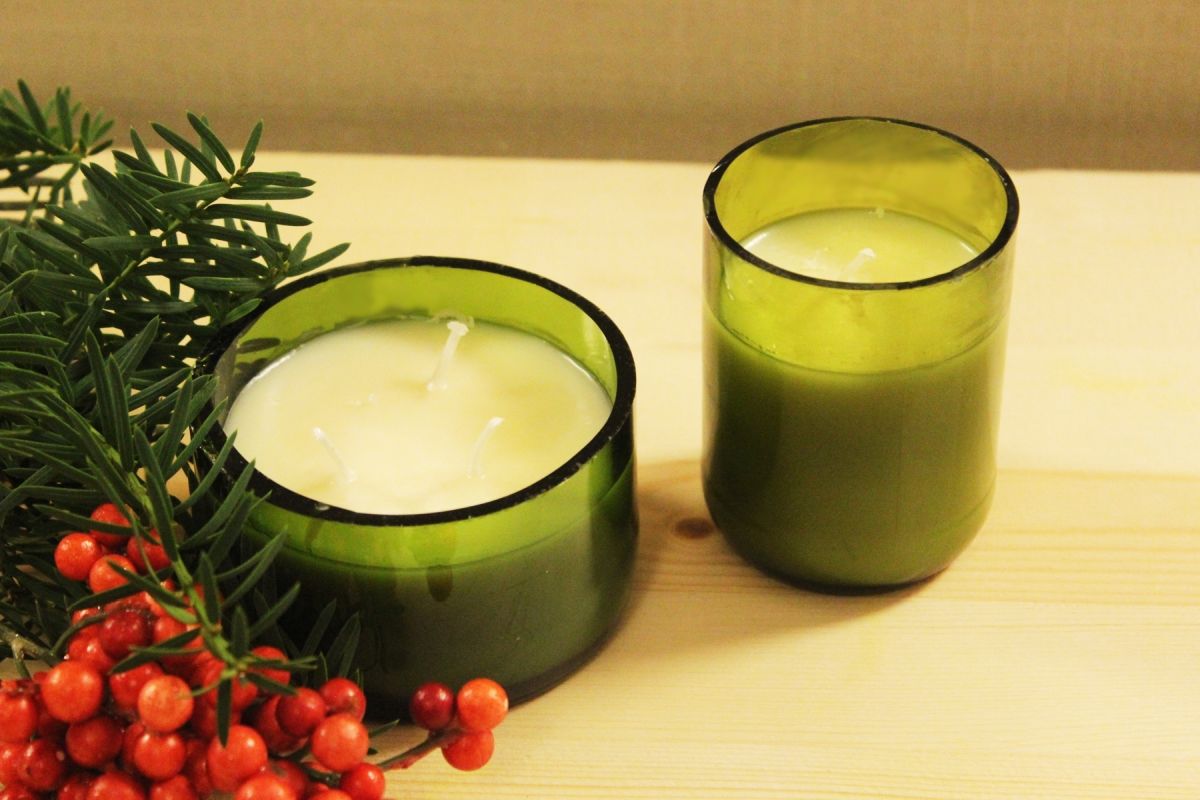
The completed candles have white wax inside green glass, with three wicks in the low, wide vessel and one wick in the taller container.
Smart photographed them beside evergreen branches and red berries, using the green glass as part of the Christmas color scheme. Neither container needed exterior paint or decorative wrapping.
For display without flame, the same visual approach can be recreated with a candle-shaped LED insert inside a smooth-edged glass vessel.
The Finished Candles Create a Christmas Table Display
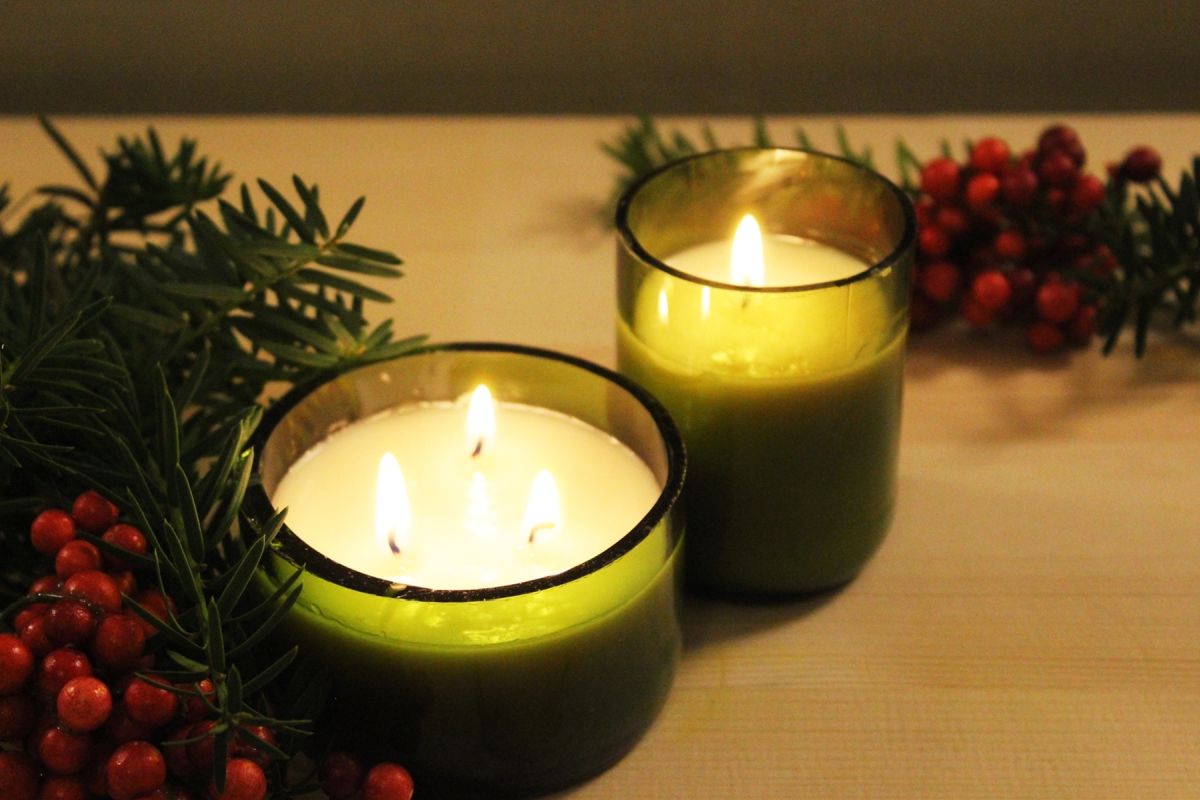
With the wicks lit, the wider candle produces three flames while the taller version has one. The green glass becomes brighter near the top, where the flames illuminate the vessel from inside.
The original project demonstrates the appearance of candles made from recycled bottles, but the photographs cannot confirm that the glass can withstand repeated heating. Ordinary bottle glass may fracture from heat stress, making a candle-rated container the better option for a candle intended to burn.
Which Scents Work for Homemade Christmas Candles?
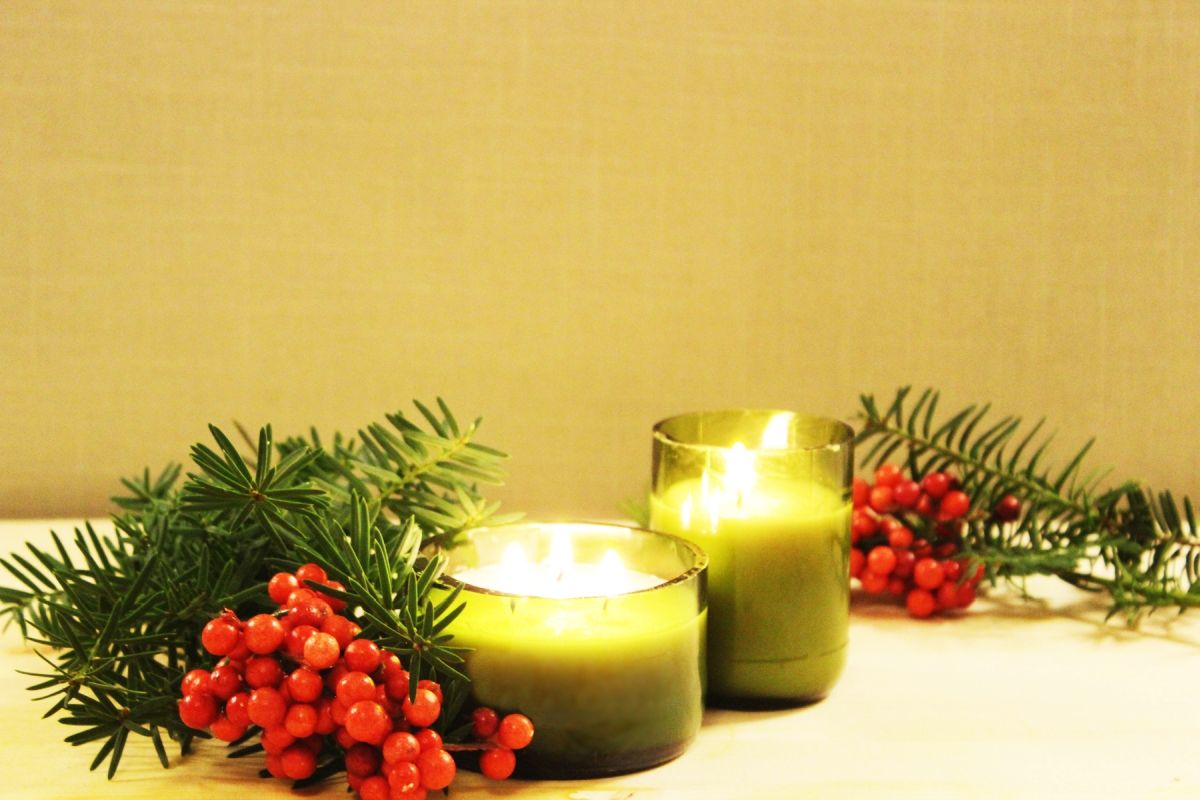
For a Christmas-inspired candle, the fragrance can be selected to complement the green glass and evergreen decorations. Several candle-safe fragrance profiles suit the season:
- Pine and cedarwood: A forest-inspired scent suited to evergreen branches and wreath displays.
- Orange and cinnamon: Citrus and spice notes associated with dried orange decorations and holiday baking.
- Vanilla and clove: A sweet-spice combination for a dining or living room.
- Fir and rosemary: Herbal and evergreen notes for a less sweet candle.
- Apple and cinnamon: A fruit-and-spice option reminiscent of baked apples.
Choose fragrance oils formulated for candles rather than adding fresh herbs, citrus peels, cinnamon sticks, or other plant material to the wax. Those additions can become fire hazards near a burning wick. Follow the supplier’s fragrance-load limits and test the finished candle in a certified container.
Would you choose pine and cedarwood for a Christmas candle, or orange and cinnamon?