Putting Baking Soda in a Burnt Pan: The Trick Isn’t in How Hard You Scrub

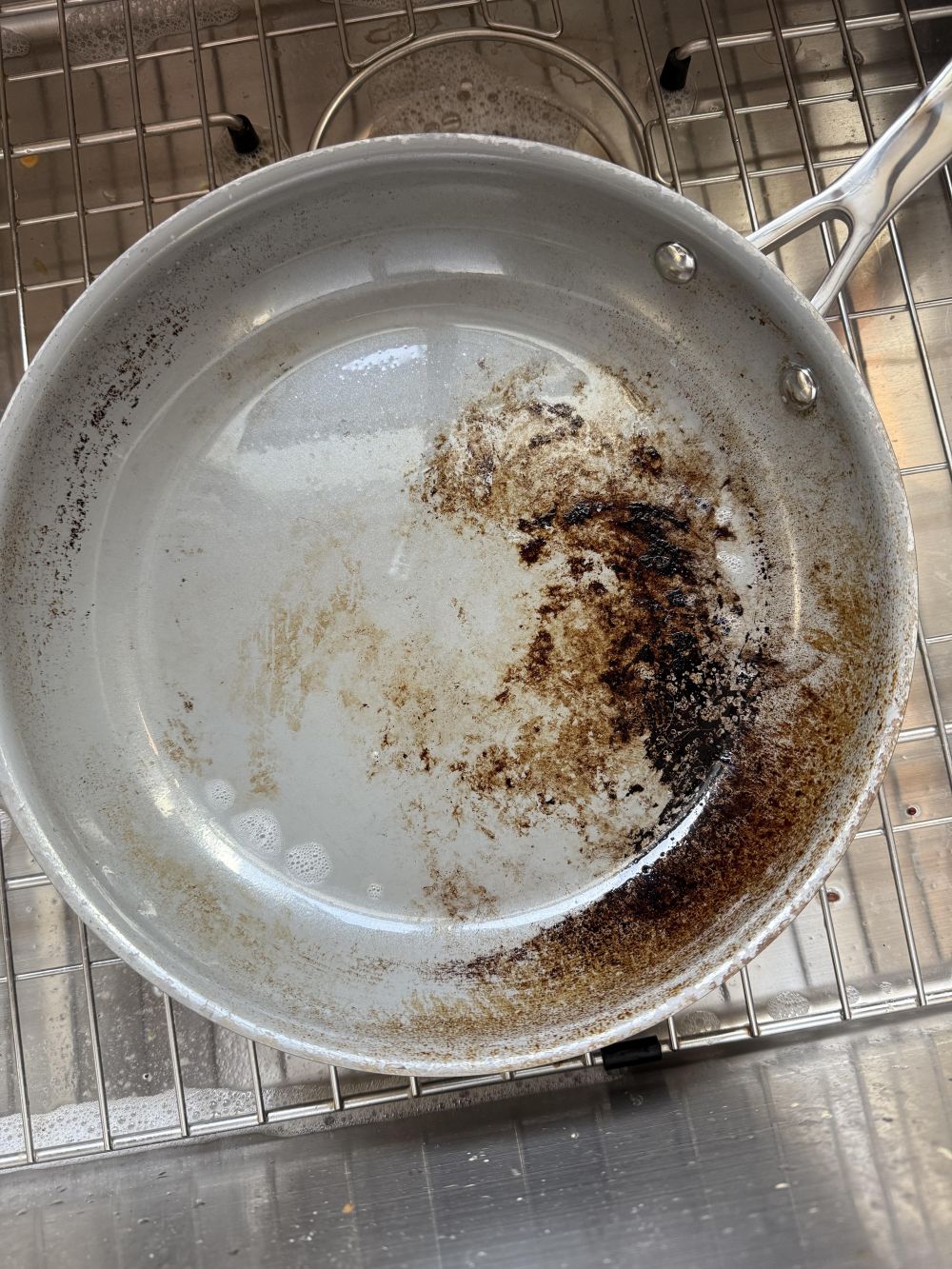
Burnt food can leave a dark layer stuck to the bottom of a stainless-steel pan, even after repeated washing. Dish soap, a sponge, and more pressure may remove loose grease while leaving the hardest deposits attached to the metal.
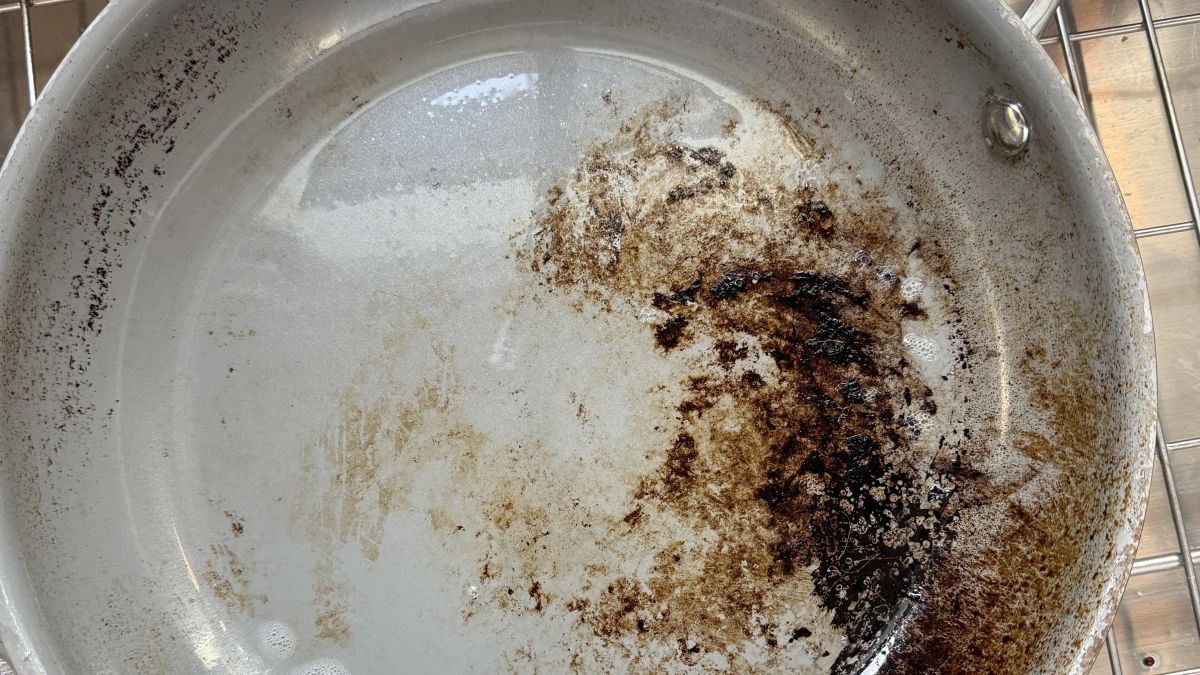
Reddit user u/loumou19 faced that problem with a Henckels 18/10 stainless-steel pan. Scrubbing with a regular sponge and a Scrub Daddy hadn’t removed the residue, and the owner wanted to avoid steel wool over concerns about scratching the surface.
A suggestion involving baking soda changed the approach. Instead of adding more pressure, the method uses water and heat to loosen the burnt layer before another attempt at cleaning.
What Baking Soda Does to Burnt Residue
Baking soda, or sodium bicarbonate, is a mild alkaline compound that can help loosen some grease and cooked-on food deposits. Its fine particles also provide a gentle abrasive effect when used as a paste.
Burnt residue presents a different problem from loose grease. Food exposed to high heat can form a hardened layer that bonds to the cooking surface, making it difficult to remove with dish soap and a sponge.
Water helps soften some deposits, while heat speeds the process and reaches the residue across the bottom of the pan. Baking soda supports that cleaning action, reducing the need to rely on force from scrubbing.
Why Heating the Mixture Makes a Difference
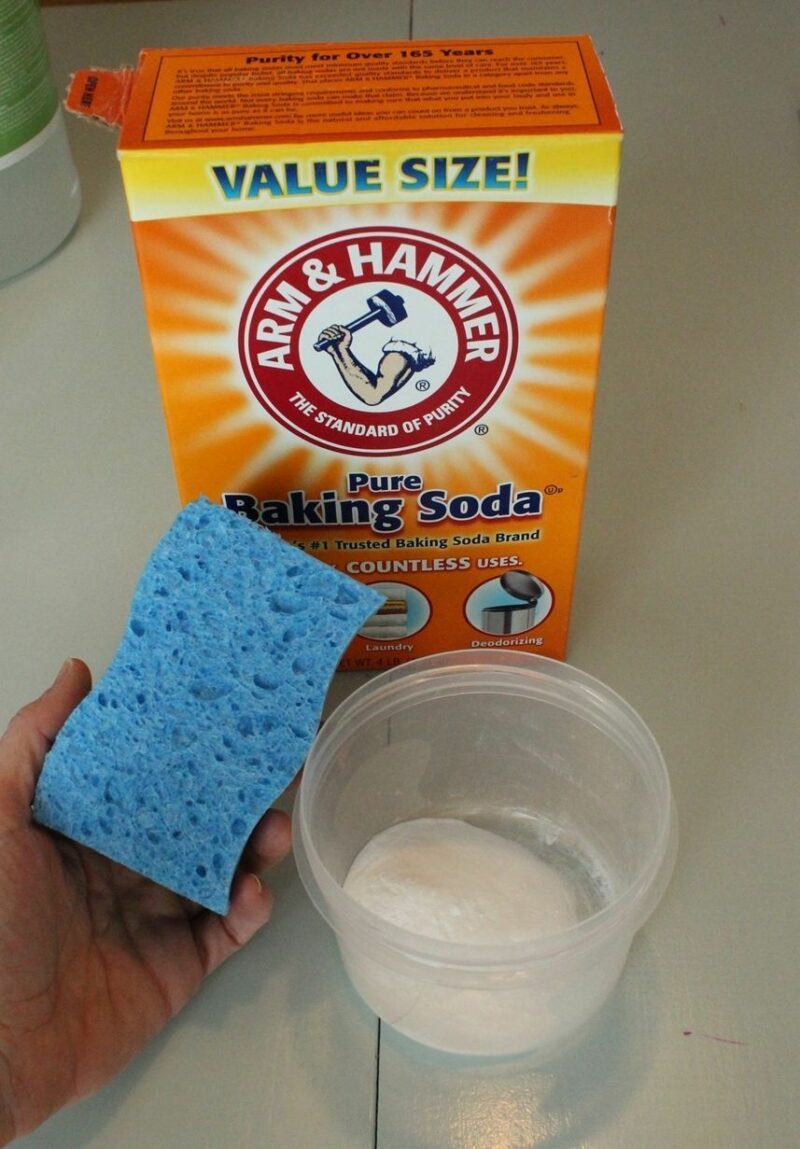
The suggested method involves covering the burnt area with water, adding baking soda, and bringing the mixture to a gentle boil.
As the water heats, it penetrates deposits that have dried onto the metal. The alkaline solution can help loosen certain greasy residues, allowing some of the burnt material to lift from the surface.
After the pan cools, a non-scratch sponge or wooden spatula can remove deposits that resisted washing before.
The Reddit owner returned to confirm that the baking soda method worked, reporting that the residue came off with much less effort than the earlier scrubbing attempts.
How to Use Baking Soda on a Burnt Stainless-Steel Pan
Cover the burnt section with enough water to keep it submerged during heating, then add one or two tablespoons of baking soda.
Bring the mixture to a gentle boil and let it simmer for several minutes, watching the water level so the pan doesn’t boil dry. Turn off the heat and allow the pan to cool before emptying it.
Use a non-scratch sponge or wooden utensil to lift softened deposits, then wash the pan with dish soap and rinse it. Stubborn areas may need another treatment rather than harder scrubbing.
Related:Putting baking soda in the oven: what it’s for and why people leave it overnight
Why the Method Won’t Work on Every Pan
Stainless steel can tolerate simmering water with baking soda, but cookware with nonstick coatings, exposed aluminum, or special finishes may require different cleaning methods.
Baking soda can discolor aluminum, while abrasive scrubbing may damage some coated surfaces. Check the cookware manufacturer’s cleaning instructions before using the method on anything other than uncoated stainless steel.
Burnt deposits also vary. Some soften after one treatment, while thick carbonized layers may remain attached and require further cleaning.
The useful change isn’t adding more baking soda or scrubbing harder. Heating water with baking soda gives stuck-on residue time to loosen before the sponge touches the pan again.