He Covered the Weeds Around His Tree With Clear Plastic: Gardeners Warned Him About the Roots

Clear plastic stretched across a patch of weeds can trap enough heat to kill unwanted plants without herbicides. The method, called soil solarization, works by warming moist soil beneath a sealed sheet during hot weather. But when the plastic covers ground around an established tree, the roots beneath it can face the same heat intended to destroy the weeds.
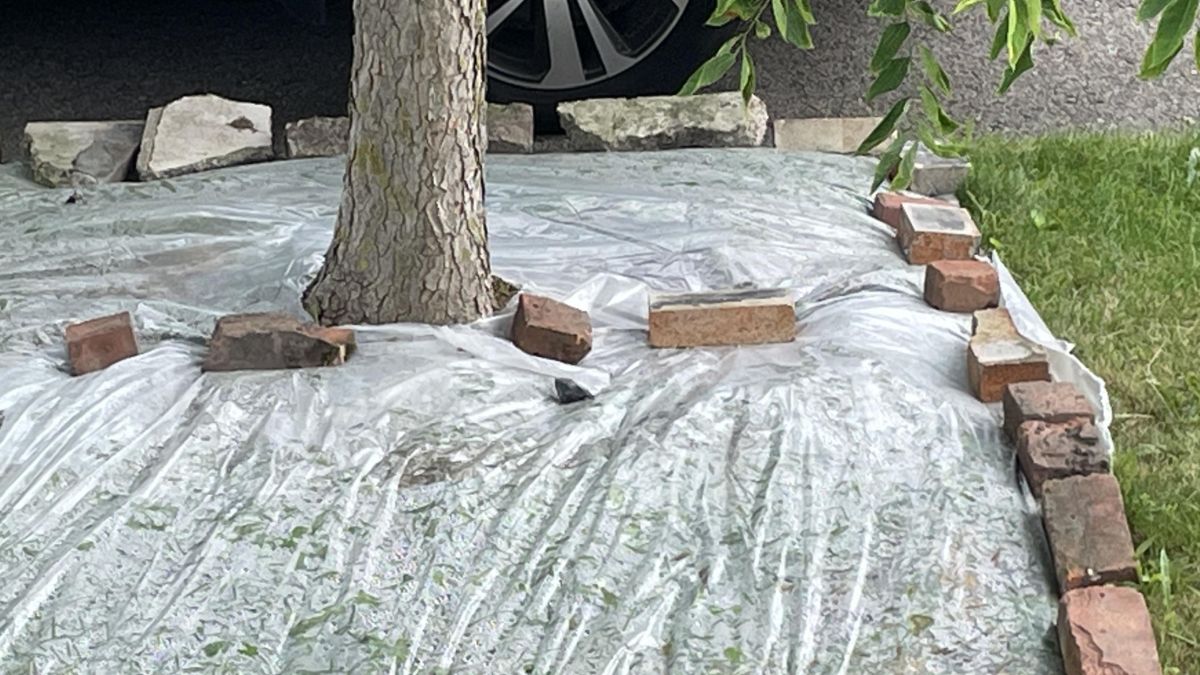
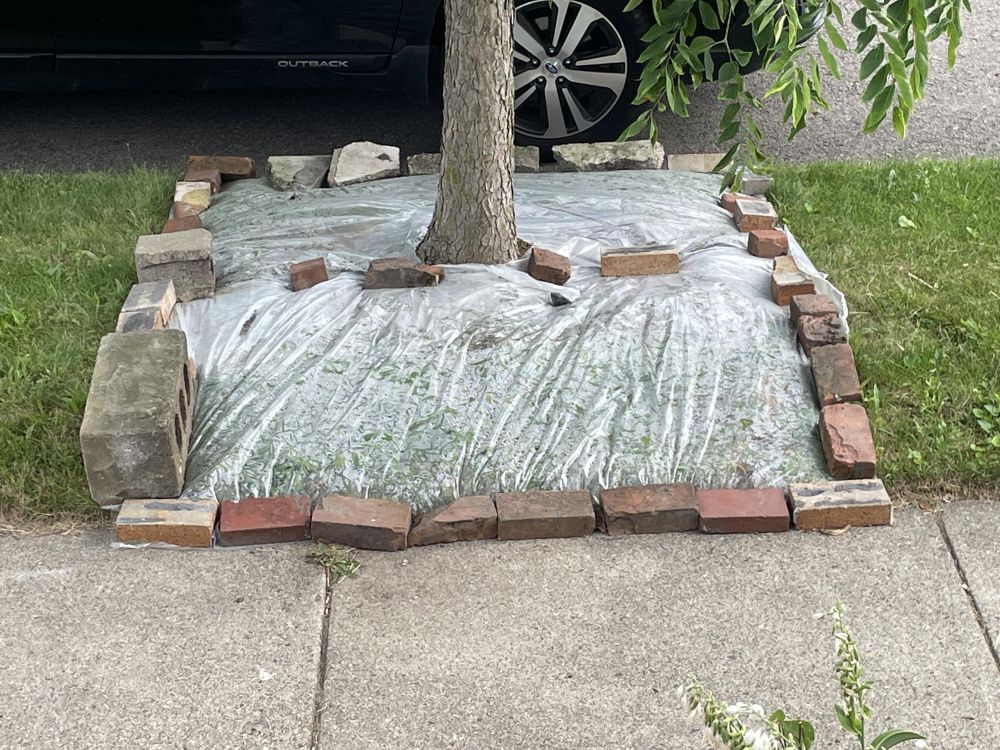
Reddit user u/Legit_Salt tried the method around a Kentucky coffeetree growing in a narrow planting strip. After a week beneath the plastic, temperatures dropped from summer heat to around 70–84°F, leaving the gardener concerned that the treatment would not get hot enough to work.
The responses raised a different problem. The plastic was covering soil occupied by the tree’s roots, and increasing the heat could damage the plant the gardener wanted to keep.
Clear Plastic Covered the Weeds Beneath a Kentucky Coffeetree
The gardener lived in USDA Zone 6b and wanted to remove stubborn grass and weeds from a planting strip before adding new plants. The soil contained a high proportion of clay, and the area received direct sunlight during the morning and evening.
Clear plastic had been placed over the weeds to trap solar heat, with the intention of killing the existing growth without digging it out. After temperatures dropped, the gardener considered replacing the sheet with black plastic.
The problem was already present beneath the covering. Previous attempts to remove the weeds with a shovel had struck tree roots, while tulip bulbs growing below the surface made digging another concern.
The Heat That Kills Weeds Can Damage Tree Roots
Soil solarization works by allowing sunlight through transparent plastic and trapping heat near the ground. During hot summer conditions, temperatures in the upper soil can rise enough to damage weed seeds, young roots, and certain soilborne pests.
Tree roots are not confined to the ground beside the trunk. Fine roots responsible for absorbing water and nutrients spread through the upper soil, often extending beyond the canopy.
Covering that soil with plastic can expose living roots to prolonged heat. The danger depends on the temperatures reached, treatment duration, soil moisture, and root depth, but a tree’s established root zone is not an appropriate place to use solarization.
One commenter warned against heating soil over tree roots, prompting other gardeners to recommend suppressing the weeds without raising the soil temperature.
The distinction matters because the plastic does not target weeds alone. Its effect depends on heating the covered ground, including any living roots within that area.
The Gardener Chose Cardboard and Mulch Instead
Several commenters recommended covering the weeds with cardboard and adding mulch on top. This approach blocks sunlight from reaching the grass without using the concentrated solar heat required for soil solarization.
Cardboard can suppress existing vegetation as it breaks down, while an organic mulch layer reduces new weed growth and helps moderate soil moisture and temperature. The material should remain clear of the trunk and exposed root flare rather than being piled against the bark.
The gardener updated the Reddit post to confirm a change of plans: the plastic treatment would be replaced with cardboard and mulch, and planting would wait until the following year.
No damage to the Kentucky coffeetree was reported in the discussion. The case illustrates why a weed-control method intended for empty planting beds can become a risk when used over the roots of established trees and shrubs.
For open, sunny ground without existing woody roots, soil solarization remains an option. Around trees, hedges, and mature shrubs, weed suppression should avoid heating the soil that supports the plants.
Source: u/Legit_Salt’s discussion in r/gardening.