He stacked 5 concrete blocks in his backyard and built a cooking stove that barely smokes


Cooking over a backyard fire usually goes the same way: a pile of wood, a pan balanced on a few rocks, and a cloud of smoke that follows you wherever you stand. The food takes forever, and your clothes smell like the fire for the rest of the day.
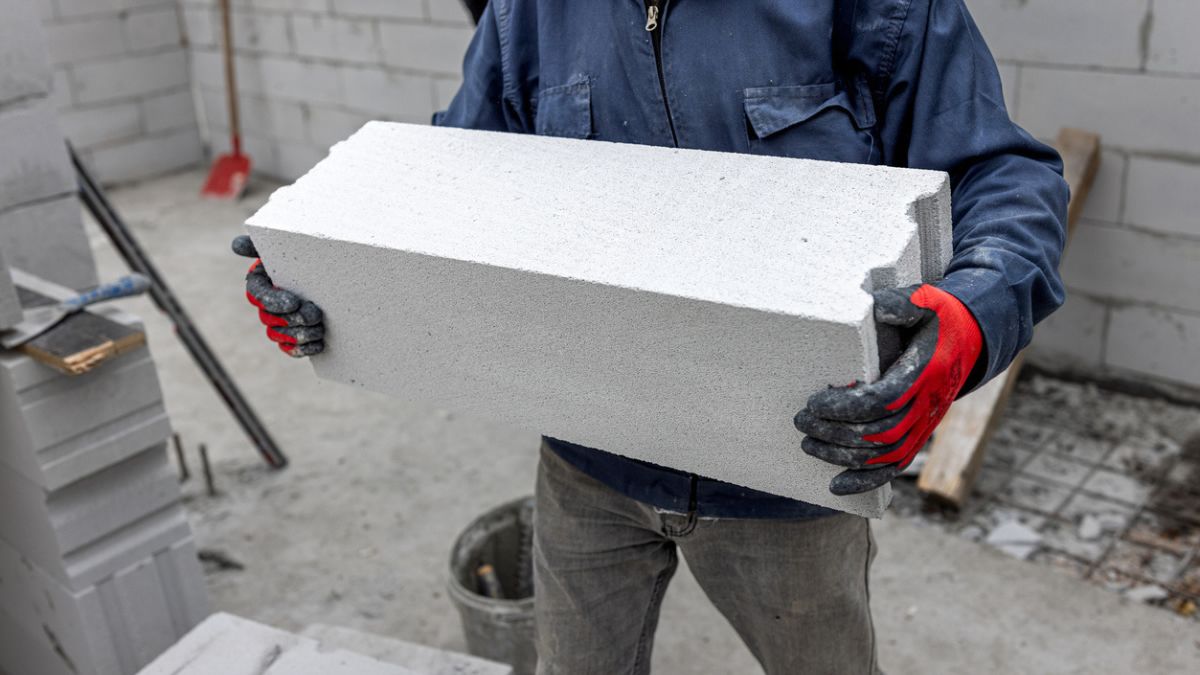
The fire wasn’t the problem, the open pile was. In a YouTube video, Don Wynn shows the alternative: a rocket stove made from five ordinary hollow concrete blocks, the kind sold as CMUs, or concrete masonry units. Four go in as they are. Only one needs a cut.
How a stack of blocks makes a fire burn cleaner
An open fire burns wide and uneven, and a lot of the wood smolders instead of burning. A rocket stove feeds small pieces of fuel into a narrow cavity, so the fire stays tight and hot, and the air rushing through the stack can get loud. That roar is where the name comes from. Commercial rocket stoves cost around $100.
Dry fuel matters as much as the shape. The EPA’s wood-burning advice is to burn only dry, split, well-seasoned wood, and it notes that wood burns best at a moisture content below 20 percent. Wet wood smolders and smokes in any stove.
Concrete blocks work for bigger backyard builds too. In one neglected gravel corner, 48 cinder blocks and six timbers became two low benches around a square fire pit, and building the benches first let the builders place the pit exactly where the seats faced it.
Five blocks, one cut and a flat spot
- Cut one block into an H. Remove its ends with a circular saw so it looks like the letter H. Cut between the long sides, never across, or the block gets shorter and the stack won’t line up.
- Lay the base. Set a whole block horizontally on a flat surface.
- Add the cut block. It goes on top of the base, still horizontal.
- Add the third block. Another whole block goes on top of the cut one, horizontal too.
- Stand the last two. Set the remaining blocks upright, one at each end. Small gaps make little difference as long as the blocks sit snug.
- Feed it small fuel. Small cut-up branches, twigs or bits of scrap wood go into the upper cavity of the block.
- Cook on top. A pot or pan sits right on the blocks. For burgers or steaks, lay a piece of grill grate or a metal tray across the top.
The result works like a two-burner stove, with no mortar, no welding and no kit.
Plan B, if you don’t own a circular saw or don’t want to cut masonry: a commercial rocket stove runs around $100 and skips the cutting and the dust.
What a homemade rocket stove can’t promise
These stoves can reach several hundred degrees Fahrenheit, and the flames can be hard to see or may not even reach the top while the heat is still intense. Keep kids and pets away for as long as it’s lit, and assume the blocks stay hot long after the fire looks out.
Give it room. Smokey Bear’s campfire guidance calls for at least a 10-foot diameter around a fire site. Set the stove on bare ground, gravel or pavers, away from fences, decks and low branches, and keep water and a shovel within reach. Check your local burn rules before the first fire, because some towns restrict outdoor burning.
Watch the scrap wood. The same EPA page lists coated, painted and pressure-treated wood among the things never to burn, so leave leftover deck boards and painted trim out of the stove. Check the blocks for cracks before each use and replace any that crack.
“Little or no smoke” is what these stoves are known for, not a tested rating. A homemade stack isn’t certified like an appliance, and how much it smokes depends on how dry your wood is. Give the fire a narrow path and dry wood, and it does the rest. That’s the trick.