Thanksgiving Cactus Covered in Flowers Just Days Before the Holiday Has Gardeners Asking Why Theirs Have No Buds


Thanksgiving is two days away, but some Christmas and Thanksgiving cacti are still sitting on windowsills without a single flower bud. Even after changing the light exposure and following fall care advice, gardeners are finding that their plants have no signs of blooming.
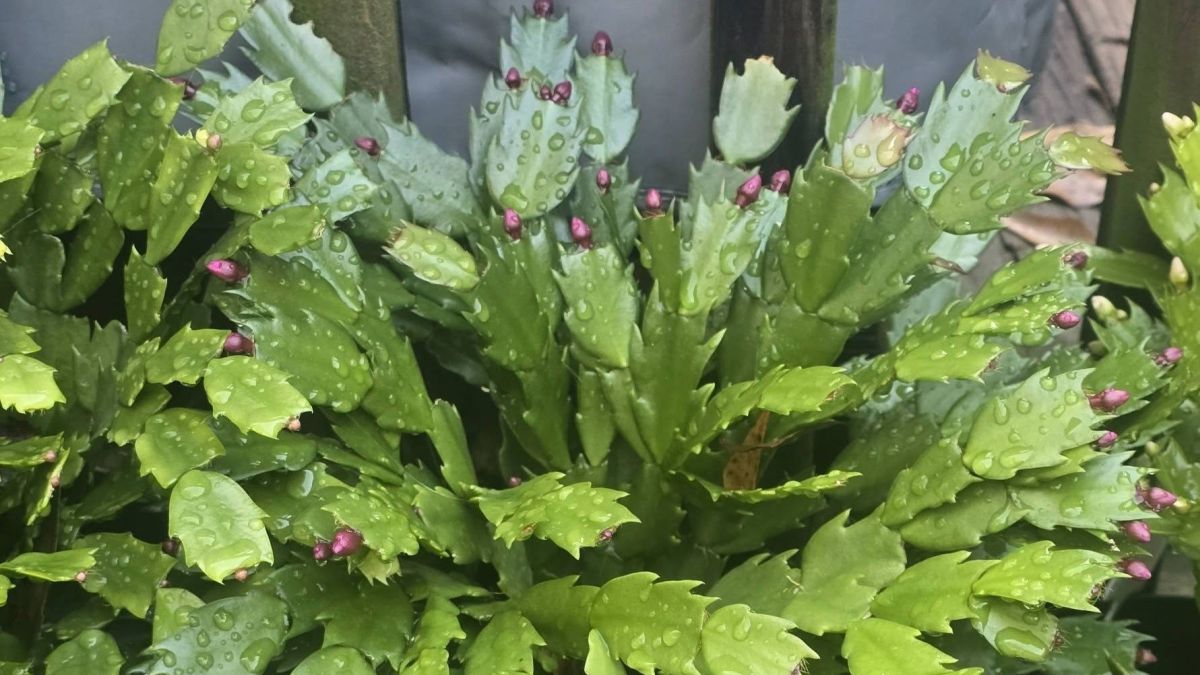
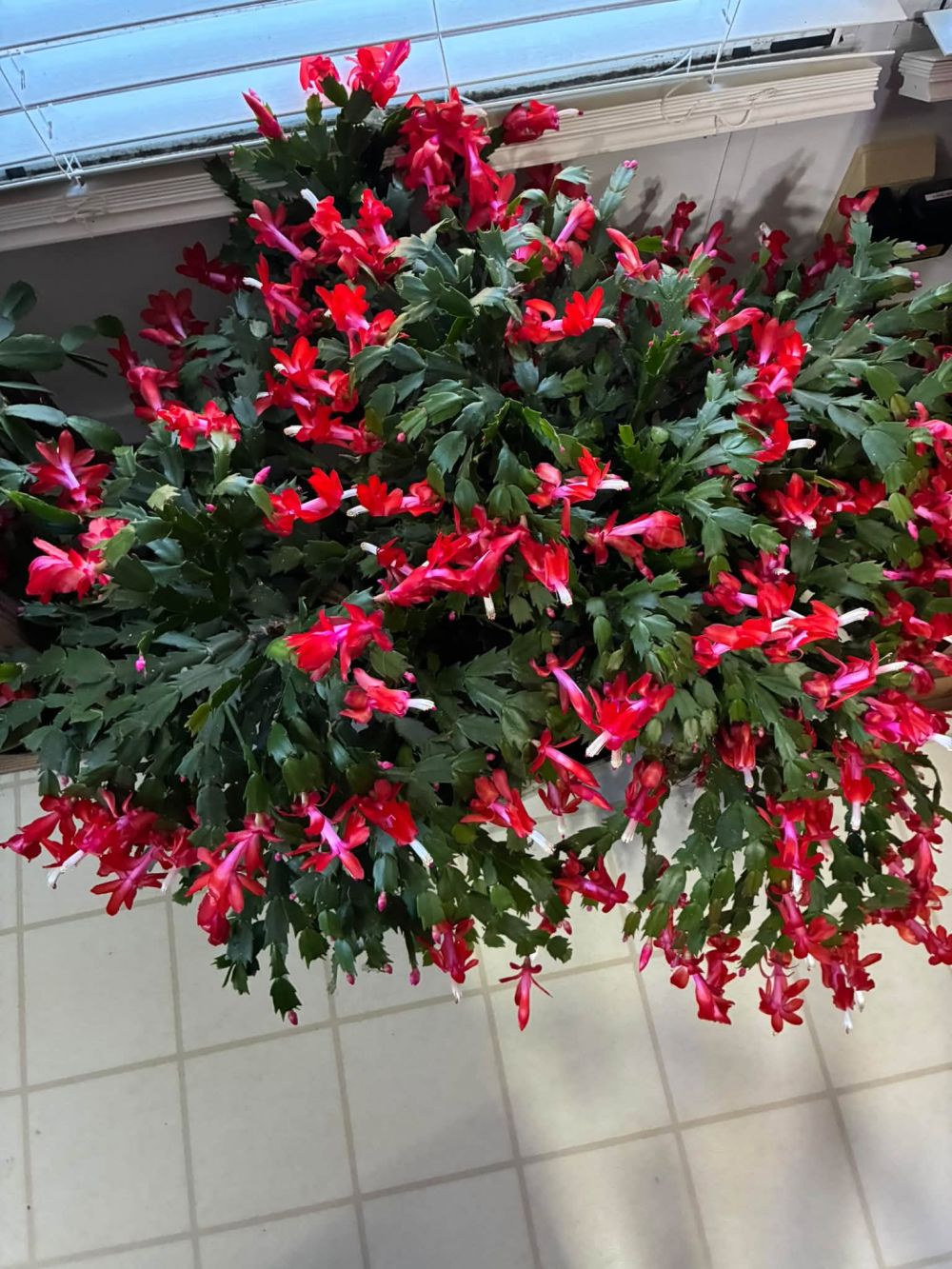
Meanwhile, one Thanksgiving cactus is covered in red flowers, with dozens of blooms hanging from its segmented stems. The difference has other plant owners wondering what they missed.
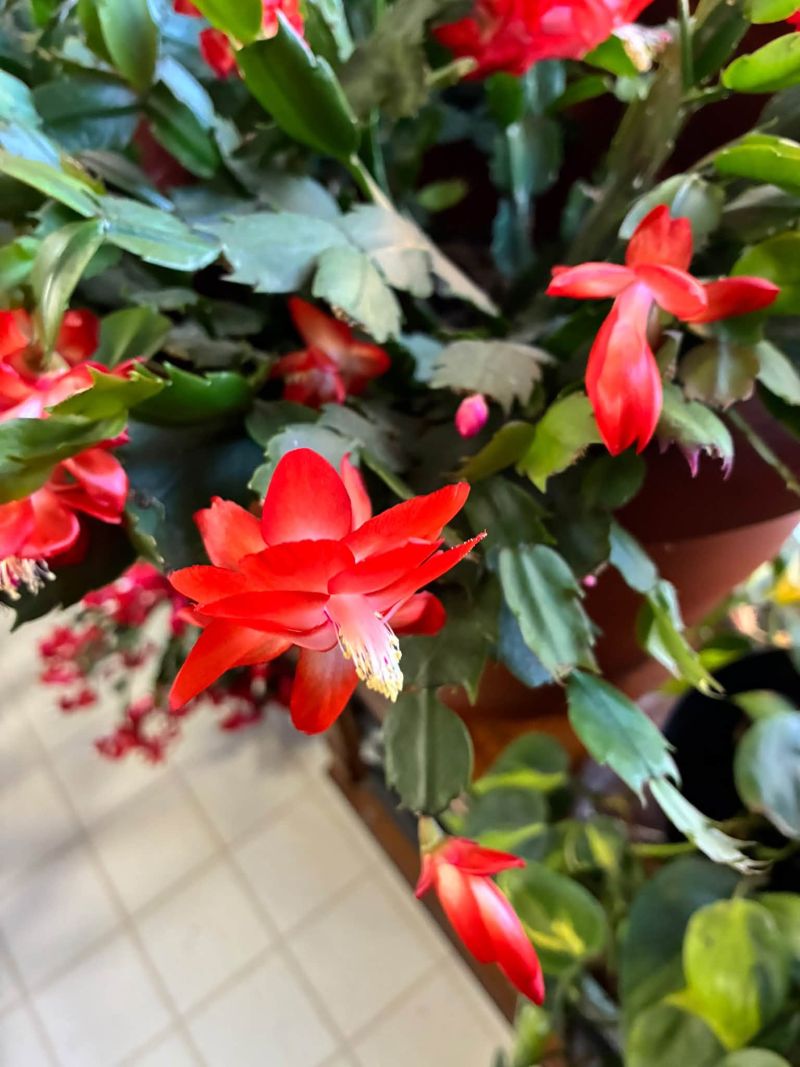
Judy Hatfield Cantrell shared photographs of her flowering plant in the Facebook group Houseplant Central, writing, “My Thanksgiving cactus in bloom.” Among the responses, Kim Kohler Neck commented, “Mine doesn’t even have any buds and I’ve done everything,” describing attempts to reduce light and keep the plant in darkness.
Why some Thanksgiving cacti bloom while others have no buds
Thanksgiving cacti respond to changes in daylight and temperature rather than the date on the calendar. According to the University of Minnesota Extension, these plants need shorter days and/or cooler nights to produce flower buds.
At night temperatures of 60–65°F, they generally need at least 12 hours of uninterrupted darkness for around six weeks. Cooler nights near 55°F can also trigger flowering, while temperatures above 65°F at night can prevent bud formation.
That explains why moving a cactus into darkness just before Thanksgiving may not produce flowers in time. Bud development begins weeks before the holiday, and household lighting can interrupt the conditions the plant needs.
Judy didn’t describe her care routine, so the photographs don’t establish what caused her plant to flower.
Thanksgiving cactus and Christmas cactus aren’t the same plant
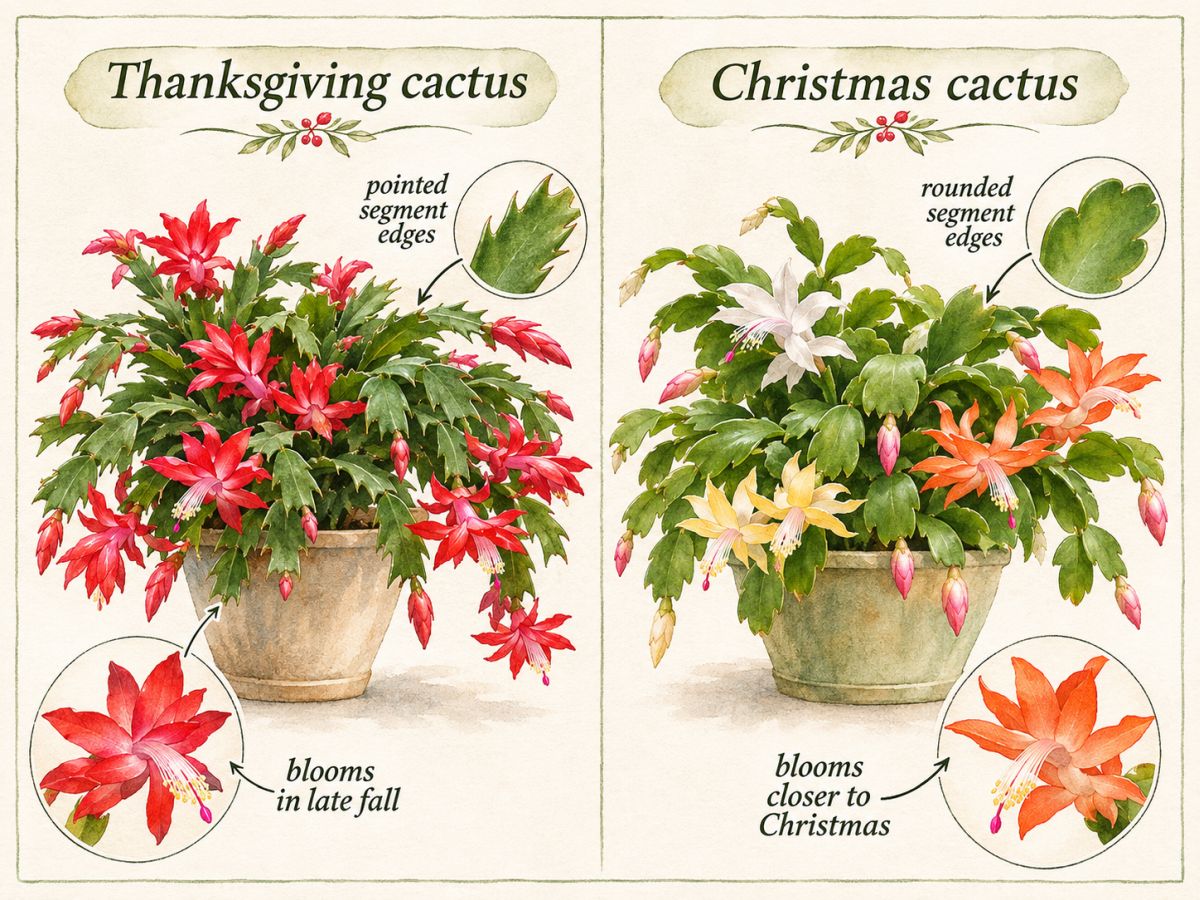
Thanksgiving cactus (Schlumbergera truncata) has pointed, claw-like projections along its flattened stem segments. Christmas cactus (Schlumbergera × buckleyi) has rounded, scalloped edges.
Their flowering periods also differ. Thanksgiving cactus tends to bloom in late fall, while Christmas cactus often flowers closer to December or later. However, growing conditions can shift both schedules.
The University of Illinois Extension notes that Thanksgiving cacti are sometimes sold under the Christmas cactus name, making the shape of the stem segments a more useful way to identify them.
Flower color doesn’t determine which cactus you have
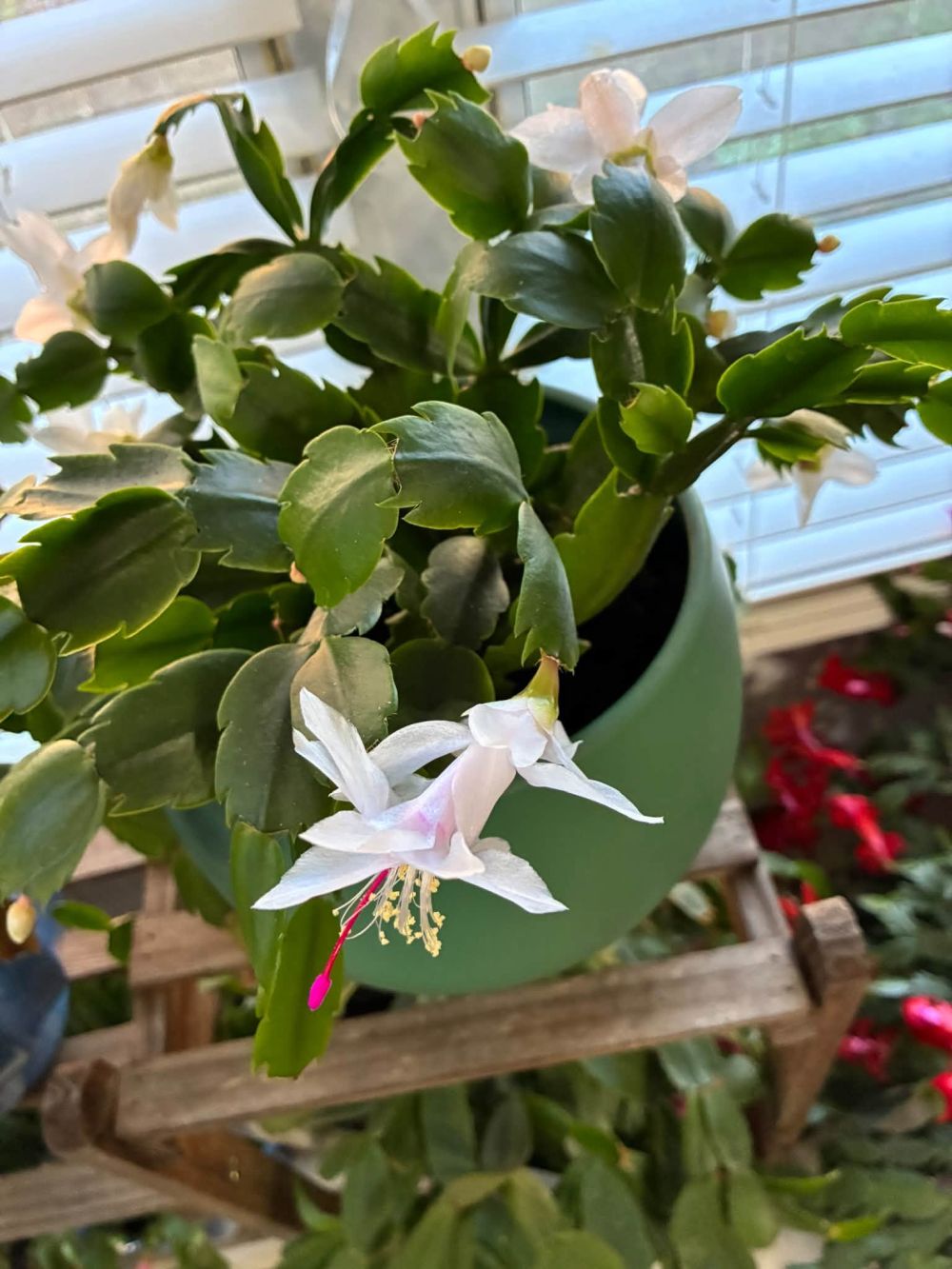
Red may be the color associated with Thanksgiving cactus, but the flowers also come in white, pink, salmon, orange, and yellow.
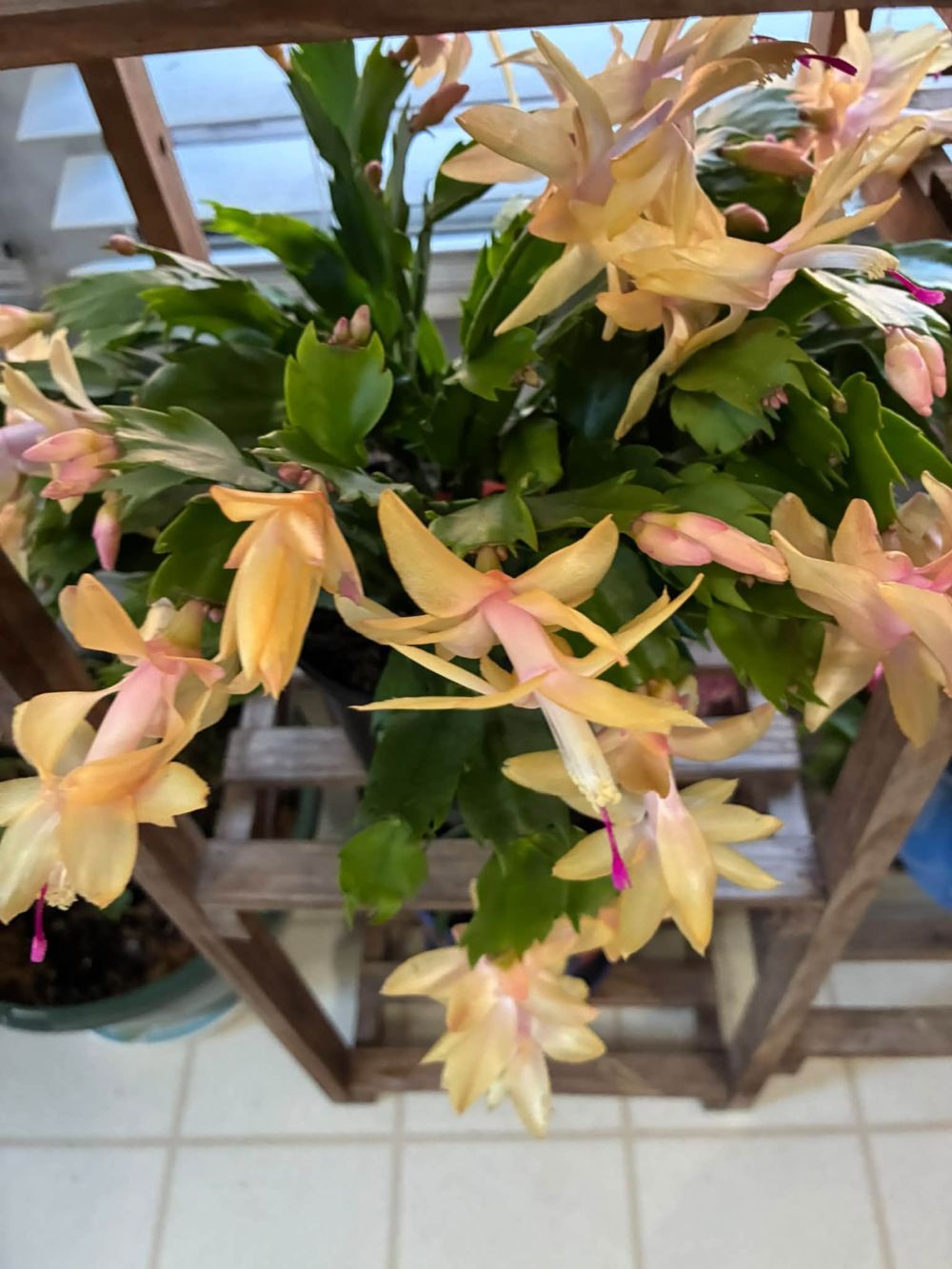
The different varieties share segmented green stems and produce flowers from their tips. Color alone cannot distinguish a Thanksgiving cactus from a Christmas cactus.
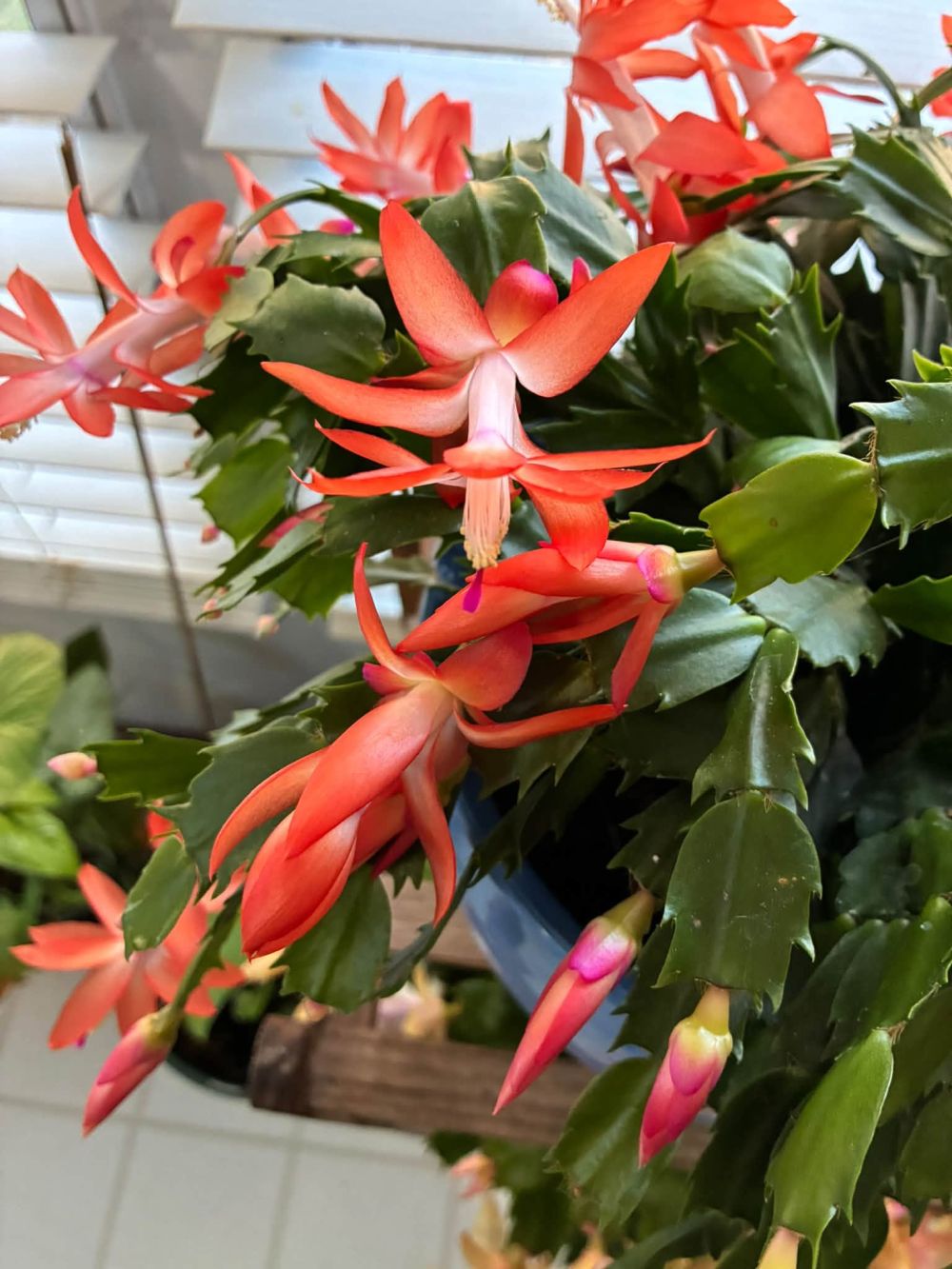
Flowering can also vary between plants in the same home, depending on their exposure to light, night temperatures, and growing conditions.
What to do if your cactus still has no buds
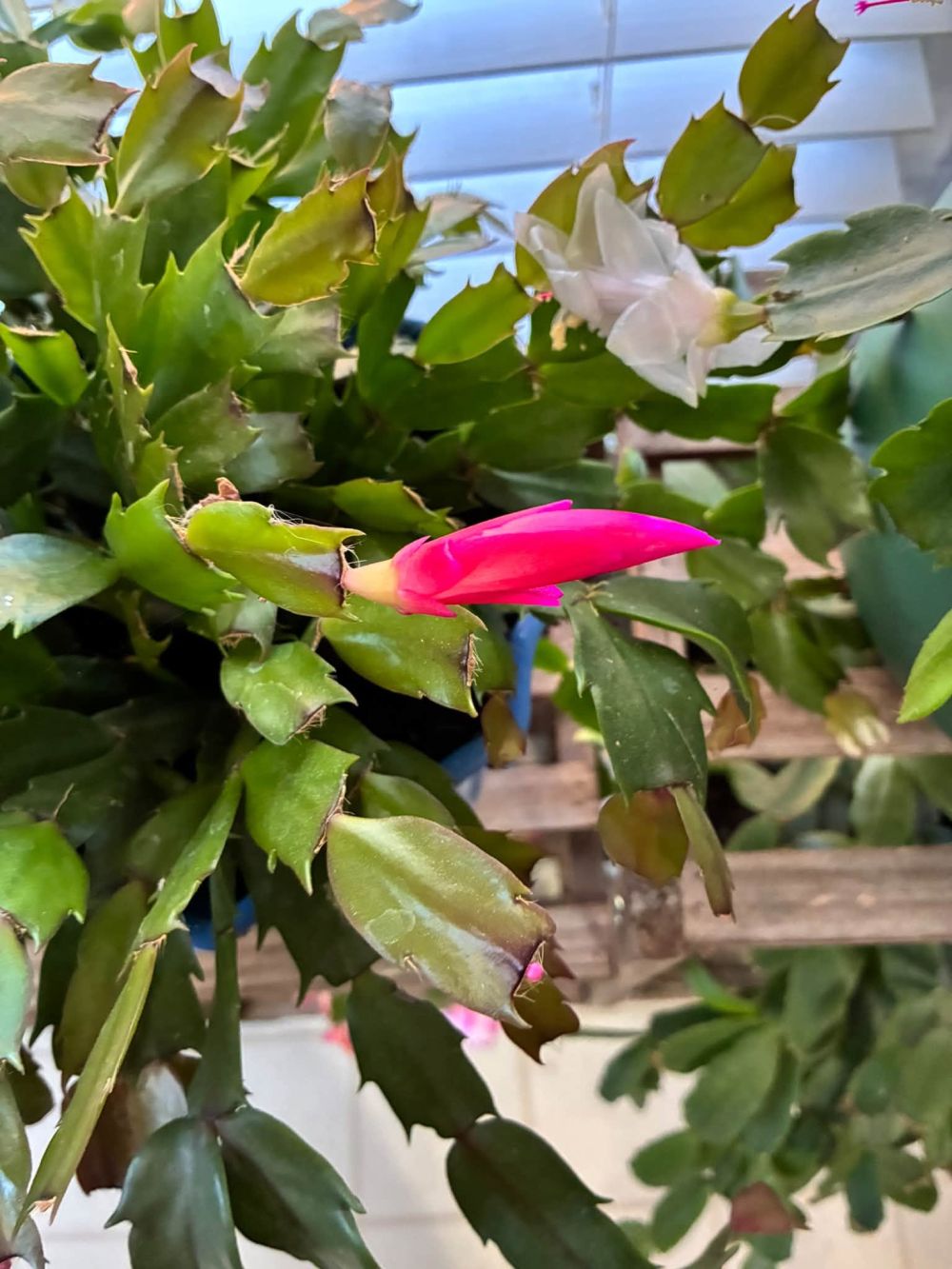
If no buds have appeared by November 24, changing the care routine now won’t guarantee flowers for Thanksgiving. The plant may flower later if it receives the conditions needed to initiate buds.
For future blooms, the University of Connecticut Extension recommends providing 12–14 hours of darkness each night for four to five weeks or cool nighttime temperatures around 55°F. Thanksgiving cactus treatments can begin in September.
Keep the plant in filtered light during the day, avoid waterlogged soil, and protect it from frost. Once buds develop, avoid sudden changes in temperature or location that may cause them to drop.
Another homeowner had a similar result after leaving her Thanksgiving cactus outside for two months. When she brought it indoors, the plant was covered in pink flowers, showing how seasonal temperature and light changes can influence blooming.
Is your Thanksgiving cactus covered in flowers this week, or are you still waiting for the first buds to appear?
Plant photographs and original post: Judy Hatfield Cantrell, Houseplant Central on Facebook. Botanical comparison illustration: Homedit.