Their neighbor wanted $2,000 before they could tie into her fence, then old survey markers turned up


The neighbor’s fence is already up on one side of the yard. You finally save enough to fence the rest, and the obvious plan is to run your new sections right up to hers. Then she names a price.
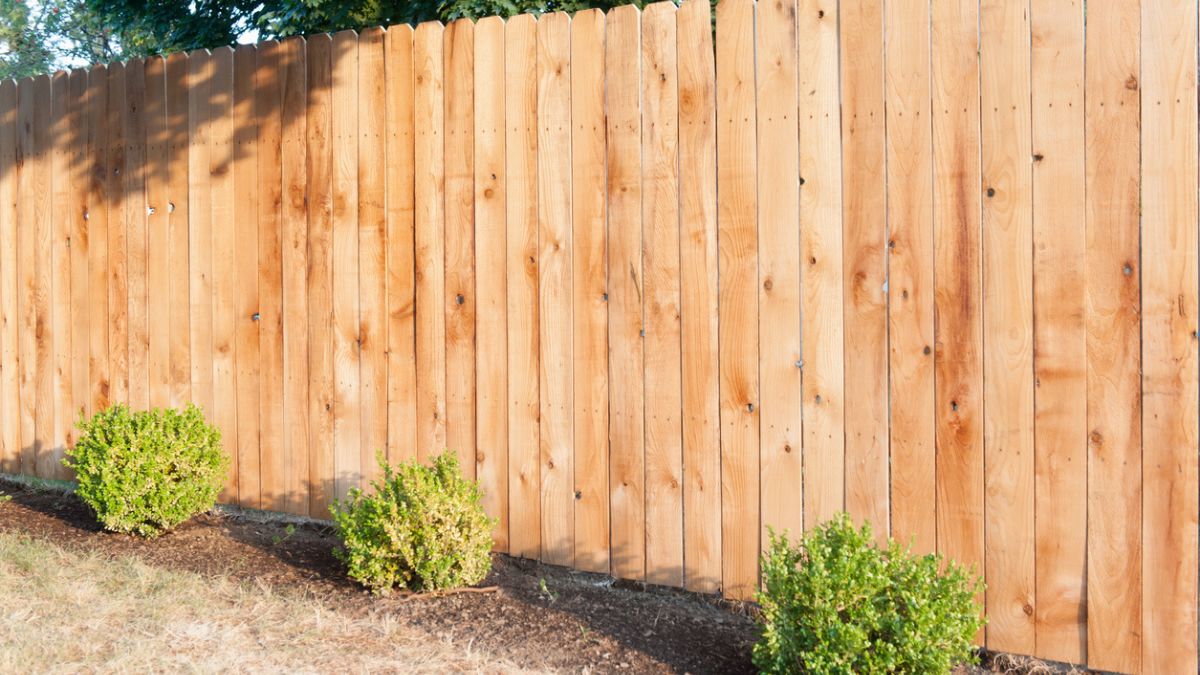
The fence wasn’t the problem, the line was. A homeowner on Reddit’s r/homeowners community described exactly that. About two and a half years ago, the neighbor built a wood fence roughly 5 inches inside her own property line. She chose the contractor, the materials, the placement and the stain. She offered a group discount if the homeowner fenced at the same time, which they couldn’t afford then, and nobody talked about splitting her costs or paying her back later.
Now the homeowners association requires her written permission before anyone connects to her fence. Her price is about $2,000, which the homeowner says is half the original cost of that section plus staining, with no allowance for the fence’s age, warping or weathered stain.
Why connecting to her fence means building on her side
Her fence sits about 5 inches inside her line, so a new section tied into it would end on her property. Several commenters pointed out what that means: you’d pay for a fence you don’t own, on land that isn’t yours. A second, parallel fence avoids that, but the homeowner’s side yard is only about 7 feet wide, and a double fence eats space and makes maintenance awkward.
The homeowner’s plan was to leave openings of about 8 inches where the new sections would otherwise meet hers, with HOA approval. Then came an update: the original survey caps from when the houses were built turned up, and a straight line between them puts the corner of her fence slightly on the homeowner’s property.
Property lines settle more than fences. With trees, the trunk’s location decides who owns it, and branches that cross the line can be trimmed back to your side, but fruit still on them belongs to the tree’s owner.
Five ways to finish a fence without tying in
- Find the corners first. Look for survey markers set when the houses were built. Sonoma County’s surveyor’s office in California notes that the only way to be sure a fence is on the property line is to hire a licensed land surveyor, and that the county doesn’t survey private property.
- Keep your fence on your side. Commenters suggested building the whole run on, or a few inches inside, your own line, so every post and panel is yours.
- End with your own post. One commenter suggested an H-style post on your side, so your fence stops next to hers without attaching to it.
- Accept a small gap. One commenter said an 8-inch gap is easy to live with if the fence is for privacy. Another suggested a dwarf arborvitae to fill it.
- Call before you dig. Contact 811 a few business days before digging post holes. The free national before-you-dig service arranges for underground lines to be marked.
Plan B, if you’d still rather connect: negotiate on what the fence is worth now, not what it cost new. Age, warping and weathered stain were exactly the homeowner’s objection to the $2,000 figure.
What a fence dispute needs before money changes hands
This isn’t legal advice. Property and fence rules vary by state, city and HOA, so read your HOA documents and local rules before you build, and get any approval in writing.
If a survey shows a neighbor’s fence on your land, the Sonoma County surveyor’s office suggests talking with the neighbor first, then hiring a private surveyor or consulting an attorney if that doesn’t settle it.
Paying for half of a fence on someone else’s property doesn’t make it yours. Before you hand over money, know exactly where the line is and put any agreement on paper. Find the corners before you pick a side. That’s the trick.