Neither bleach nor extra detergent: the overnight soak that makes dingy socks white again


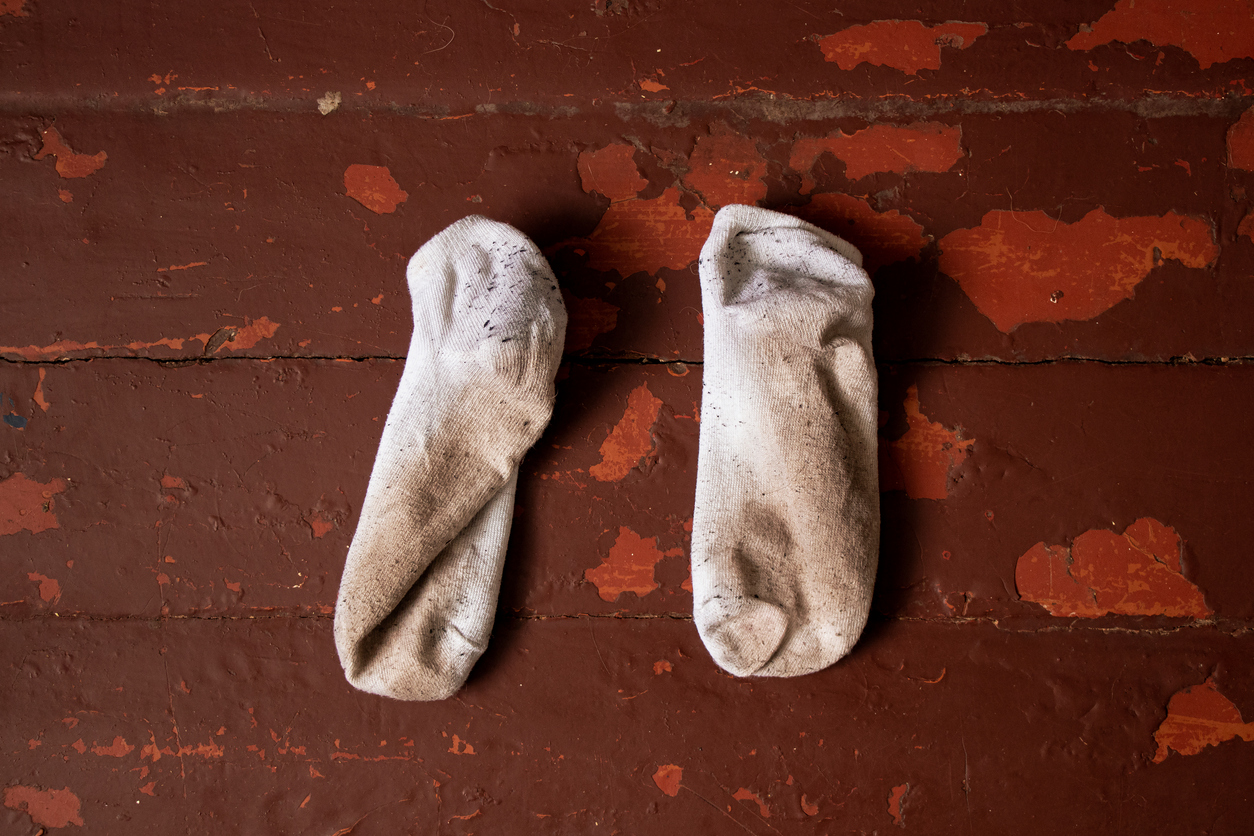
You pull a load of white socks out of the dryer and they look tired. Not stained, just gray, with a dingy cast across the soles. So next time you add a splash of bleach or an extra scoop of detergent, and they come out exactly the same.
The socks aren’t worn out, and more product isn’t the answer. What they need is time: an overnight soak with an oxygen-based laundry booster before they ever go in the washer.
Why white socks turn gray in the first place
Graying is mostly buildup, not wear. According to New Mexico State University Extension, white clothes may turn gray if not enough detergent is used or if they aren’t rinsed thoroughly, and soap mixed with hard water forms a scum that can turn clothes gray. Fabric softener adds to the problem by coating cotton fibers in a waxy layer, and socks also hold sweat, dead skin and dirt from the floor.
That’s why the usual fixes fail. Chlorine bleach can damage or discolor some fabrics and can make certain yellow stains worse, and over time it yellows cotton. And more detergent isn’t the fix either: graying comes from what stays in the fabric, so the answer is the right dose and a thorough rinse. The same idea is behind washing bath towels with no detergent at all: stiff towels and gray socks often suffer from too much residue, not too little cleaner.
How to whiten socks with an overnight soak
- Fill a bucket or the sink with warm water and dissolve an oxygen-based laundry booster in it, using the amount on the product label.
- For grimy athletic socks, add 1 tablespoon of baking soda to the soak.
- Submerge the socks and leave them at least 4 to 6 hours. Overnight gives the best results.
- Wash them separately on a warm setting, about 90°F to 105°F, with a standard dose of regular detergent. Skip the fabric softener and run a full cycle, not a quick one.
- Dry them in the sun if you can. If you use the dryer, choose medium heat, and only once the socks look clean.
If your water is hard and the socks look more dull than dirty, swap the booster for 1 cup of distilled white vinegar in warm water for the soak, then wash as above. Use one or the other, not both in the same bucket.
Once they’re white again, washing whites in their own load and keeping softener out of it helps them stay that way.
When the socks are past saving
A soak lifts residue and everyday grime. It won’t fix thinning heels, holes or fibers that have already been yellowed by years of chlorine bleach.
Check the label before you start. Many socks contain spandex or wool, and the extension guide warns against using chlorine bleach on silk, wool or spandex. It describes oxygen bleach as safe for all fabrics and finishes, but follow the booster’s instructions for water temperature and soak time, and test colored trim or logos first.
Wear gloves if your skin is sensitive, keep laundry products away from children and never mix different cleaners in the same container.
Warm water, an oxygen booster and one night of patience. That’s the trick.