Putting your suitcase in the hotel bathtub: what is it for and why is it recommended


You walk into the hotel room after a long Thanksgiving drive, drop the suitcase on the bed and unzip it. It’s the most natural move in the world, and it’s the one health departments ask travelers not to make.
Their advice sounds odd the first time you hear it: if there’s no luggage rack, put the suitcase in the bathtub. The tub isn’t about cleanliness. It’s about keeping your bag away from the places where bed bugs hide, so they don’t ride home with you.
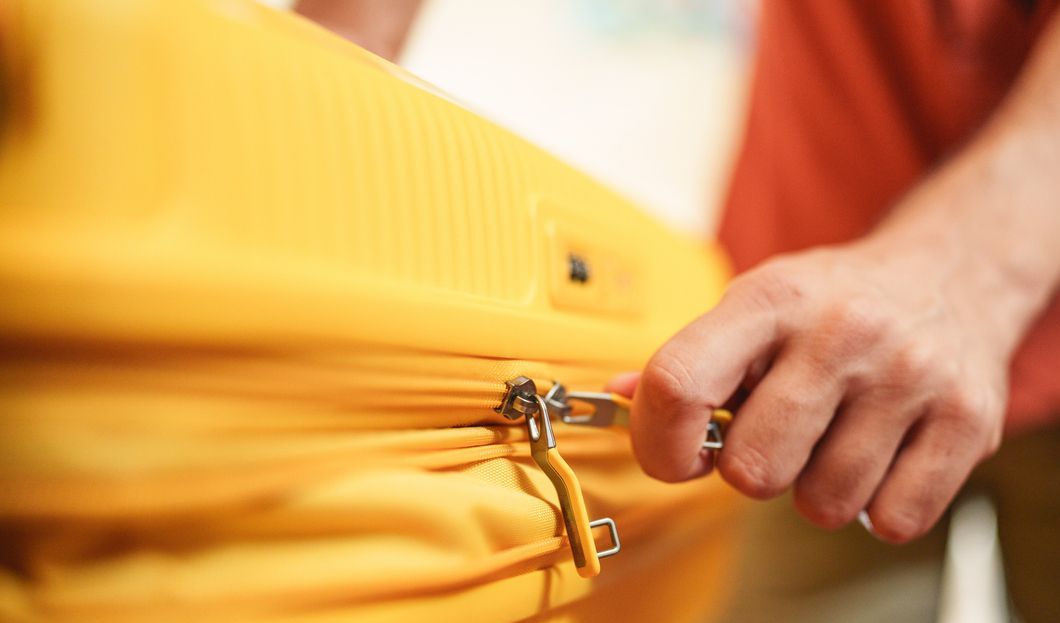
Why the bed is the worst place for a suitcase
Bed bugs live where people sleep and sit: mattresses, box springs, headboards and upholstered furniture. A suitcase lying open on the bedspread or on an armchair sits right in that zone, and an open bag full of folded clothes is an easy place for a hitchhiker to tuck in.
That’s why the New York City Health Department tells travelers to place luggage on a hard, elevated surface, not on the floor and not on upholstered furniture, and, when there’s no such surface, to put the luggage in a dry bathtub. A tub is hard, smooth and away from the bed and the soft furniture. A metal luggage rack works too, once you’ve looked it over.
How to check a hotel room in 5 minutes
- Before you bring anything in, set the suitcase in the dry bathtub or on the luggage rack.
- Pull up the sheets at the corners and sides of the bed, and look at the mattress seams and the box spring for small dark spots or live bugs.
- Check the headboard and the luggage rack itself.
- Keep the bag zipped when you’re not using it.
- If you see signs of bugs, tell the front desk and ask for another room before you unpack.
The EPA’s travel tips say the same thing in short: check the mattress and headboard before sleeping, and use luggage racks to hold your luggage when packing or unpacking.
The routine continues at home. Unpack straight into the washing machine instead of onto the bed. The city health department advises washing washable items in hot water and drying them on the highest setting for at least 20 minutes, and shaking out clothes in a bathtub or shower. Clean the lint screen before that long, hot cycle, as you should before every load. If you like to keep the fluff, it makes a free fire starter, which is the point of saving dryer lint in an empty toilet paper roll.
What a bathtub won’t protect you from
The tub lowers the risk, it doesn’t remove it. It has to be dry: a wet tub can soak a fabric bag and anything inside. And it only protects the suitcase, not the coat you dropped on the chair or the backpack you set by the bed.
Items that can’t go in a hot dryer can be dry-cleaned or steam-cleaned instead, according to the city’s guidance. Check the care label before you put anything on high heat.
Itchy bumps after a trip don’t prove you brought bed bugs home, since many things cause bites and rashes. If you find live bugs at home, call a licensed pest professional rather than treating the whole house yourself.
A dry tub, a quick look under the sheets and a hot dryer at home. That’s the trick.