Saving dryer lint in an empty toilet paper roll: what is it for and why is it recommended


Every load ends the same way. You peel a gray sheet of fluff off the lint screen, roll it into a ball and drop it in the trash. By midwinter the bin is full of it, and the cardboard tubes from the bathroom go right in after it.
Neither one is really trash. Packed together, lint and an empty roll make one of the simplest fire starters you can keep at home. The National Park Service describes the idea in one of its fire prevention bulletins: store dryer lint in toilet paper rolls in a dry place, then use it to start a fire in the fireplace or at a campfire.
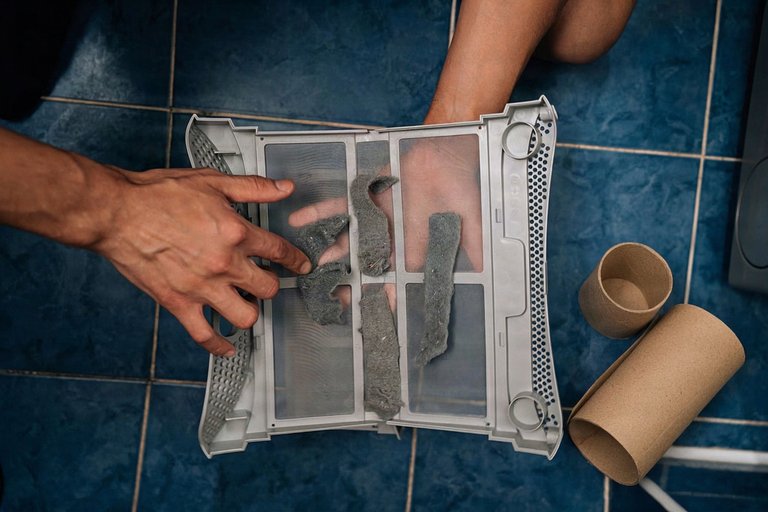
Why lint catches fire so easily
Lint is a loose mat of tiny fibers shed by clothes, towels and sheets, with plenty of air trapped between them. That’s what makes it light so fast, and it’s also why the same bulletin is blunt about the risk on the laundry side: “Lint is very flammable, so cleaning the lint filter is critical.”
Citing the U.S. Consumer Product Safety Commission, the Park Service puts clothes dryer fires at about 15,500 a year, with an average of 10 deaths, 310 injuries and more than $84 million in property damage, and names lint as the major contributing factor. The fluff that makes good tinder in a fire pit is the same fluff you don’t want building up inside the dryer.
How to turn lint into fire starters
It takes a few seconds per load:
- Clean the screen every time. Pull the lint off before or after each load, which is what the Park Service recommends anyway.
- Stuff an empty tube. Push the lint into a toilet paper roll until it’s full and firm, without crushing the cardboard.
- Store them dry and away from heat. Keep the finished rolls in a closed box or bin, not on top of the dryer and not next to the furnace or water heater.
- Use them where fire belongs. Set one under your kindling in the fireplace, a fire pit or a campfire ring, and light the lint at one end.
No fireplace? The same bulletin lists other uses: adding lint to a compost pile or worm farm, stuffing it into old tube socks as draft stoppers and using it to cushion small items for shipping.
Running fewer dryer loads also means less lint to deal with. A fold-down drying rack above the washer can take workout clothes and delicates off the dryer schedule, then fold flat against the wall when it’s not in use.
What to keep away from the lint pile
Don’t save lint from anything that shouldn’t have gone in the dryer. The Park Service warns against drying items soiled with flammable substances such as gasoline, cooking oil or grease, and it describes a park employee whose load of grease-soiled rags ignited in a dryer.
Skip the old tip about leaving lint outside for birds. The bulletin calls it a dated misconception: synthetic lint can crumble after rain, and detergent or softener residue may be harmful. It also advises against using lint as stuffing for children’s toys, since it’s flammable.
And keep up with the dryer itself. The Park Service recommends cleaning the vent and exhaust duct at least once a year, not running the dryer when nobody is home and having it serviced if loads start taking longer to dry. If you ever see smoke or flames, get out of the house and call 911.
Empty the screen, fill the roll, light the fire somewhere it belongs. That’s the trick.