Lowering the mower one notch for the last cut of the year: what is it for and why is it recommended


You put the mower away in October with the grass still a little long, figuring a thicker lawn would ride out the winter better. Then the snow melts in March and the yard is covered in matted, grayish patches that take weeks to fill back in.
The winter wasn’t the whole problem. The height of the grass going into it was. Long blades fold over under snow, and that flattened, damp layer is exactly what the fungus behind snow mold likes. That’s why lawn specialists suggest one small change for the final mow of the season: drop the mower deck by a single notch.
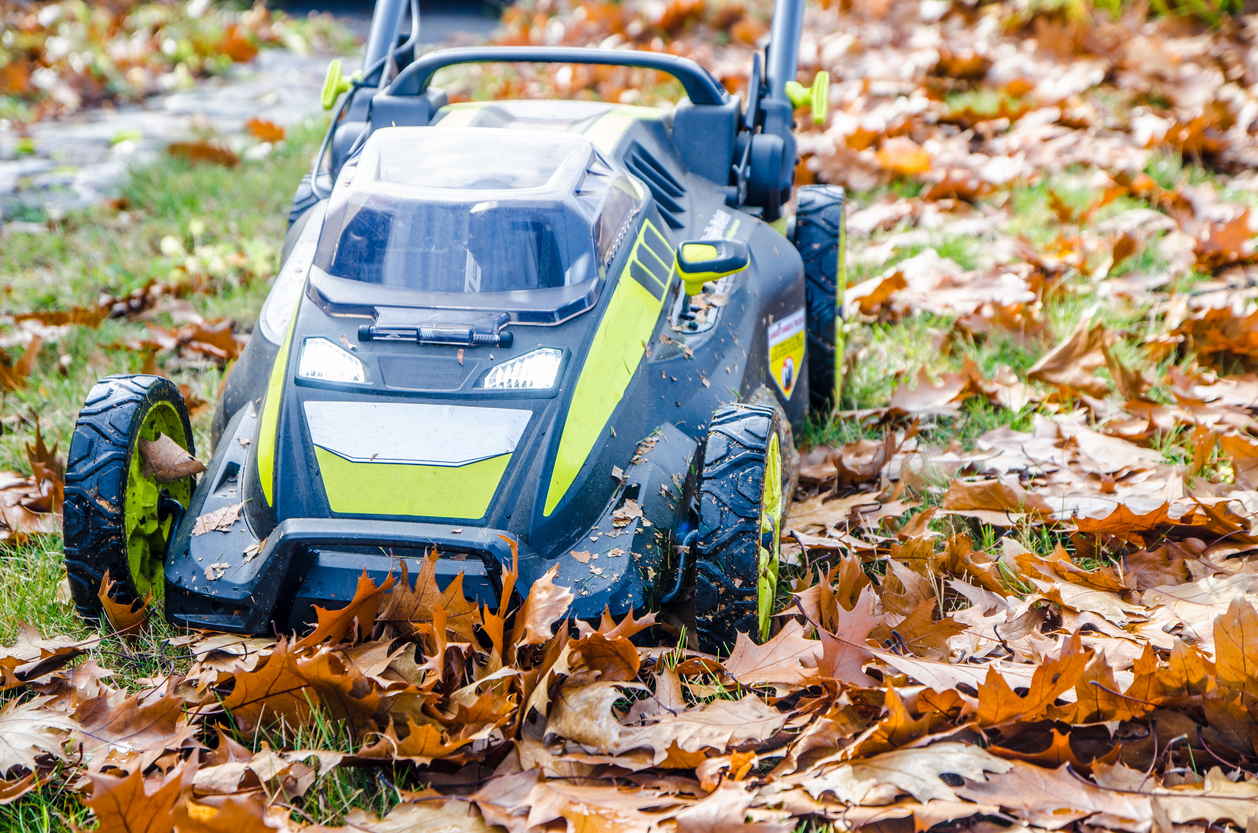
This is to mulch the leaves to nourish the grass as compost. Istock : Marc Dufresne
Why tall grass and lasting snow don’t mix
Snow mold is a group of cold-weather fungal diseases. University of Massachusetts turf specialists note that gray snow mold shows up where snow cover lasts 45 to 60 days, and that matted foliage and high humidity inside the grass canopy favor it. Their advice is simple: “Continue to mow the grass until growth ceases to prevent a tall canopy.”
Debris makes it worse. University of Illinois Extension lists excessive debris, such as leaves or straw, among the conditions that contribute to snow mold, along with too much fast-release nitrogen, thatch, shade and poor drainage. Tall grass and leftover vegetation also give voles cover; Illinois Extension notes they make runways under the snow as they feed on grass blades and roots.
How to time the final cut
The change is small. The timing is what matters:
- Keep mowing until the grass stops growing. Illinois Extension recommends continuing to mow until the grass is completely dormant in fall.
- Clear the leaves first. Rake or mulch them so they don’t mat down with the grass.
- Lower the deck one notch, no more. An Extension expert advises dropping the mower no more than one notch, about half an inch, once top growth has essentially stopped.
- Aim for about 2 to 2.5 inches. That’s the height the same expert gives for the final cut. Illinois Extension puts the final height at about 2 inches.
If snow arrives before you get that last cut in, don’t panic. At the very least, get the leaves off the lawn, since debris is one of the conditions the fungus needs.
And if the lawn is mostly thin, worn grass that never looks good in spring anyway, some homeowners skip the yearly fight altogether. One replaced most of his lawn with gravel and regraded the yard by hand so rainwater drains toward the street instead of pooling.
When a shorter cut does more harm than good
One notch is the whole recommendation. Dropping the deck several notches at once isn’t part of the expert advice, so resist the urge to buzz the lawn short just because it’s the last mow.
This advice is aimed at cool-season lawns in areas that get lasting snow cover. If your grass type or climate is different, your county extension office can tell you what height suits your lawn going into winter.
Watch the fertilizer too. Illinois Extension recommends slow-release or controlled-release nitrogen rather than fast-release products, which can contribute to snow mold. And if some patches show up anyway, University of Massachusetts specialists note that regrowth usually comes from the plant crowns, while the leaves are the part typically killed.
One notch down, one last pass, and the lawn goes into winter ready. That’s the trick.