They replaced their suburban lawn with 130 native plants, and more than 100 bird species showed up


A suburban lawn gets mowed every week, watered all summer and fed every spring. It looks tidy from the street. Step closer and there’s almost nothing living in it but the grass.
The yard wasn’t the problem, the lawn was. James and Chrystal McGuire moved to Highland Park, Illinois, in the dead of winter in 2020 and wanted something beyond a traditional grass lawn or a simple garden. James, an avid birder since college, saw a chance to turn the yard into a habitat for birds, pollinators and other wildlife. Four years later, he wrote about the result for the Chicago Botanic Garden.
Why one kind of grass feeds so few visitors ?
A lawn is one plant, cut short, with the same height and texture from fence to fence. The McGuires planted the opposite: more than 130 species native to northern Illinois, layered from low sedges to wildflowers, shrubs and trees, chosen for different bloom colors and seasons, heights, textures and sun needs.
The same layered idea works under big trees. In one yard, invasive pachysandra and English ivy gave way to native sedges, cardinal flower and black-eyed Susans planted between winding stone paths, and about 18 months of growth filled in the gaps.
From grass to 130 species in four layers
- Find the plants. Most traditional nurseries had only scanty supplies of Illinois natives, so the couple turned to online suppliers that ship live plants and to the Illinois Native Plant Society’s sales, which usually run from March through June.
- Get expert help. They consulted master gardeners and horticulture experts through the Chicago Botanic Garden’s Plant Information Services.
- Design before digging. James calls design perhaps the most important step, because native yards can get a reputation as weedy eyesores. The plantings of designer Piet Oudolf, at the Lurie Garden in Chicago’s Millennium Park and the High Line in New York City, were their inspiration.
- Plant the wildflowers. Prairie smoke, wild columbine, blue flag iris, purple coneflower, butterfly milkweed, foxglove beardtongue, bottle gentian, rattlesnake master and black-eyed Susan.
- Add grasses and sedges. Little bluestem, Pennsylvania sedge, purple love grass and prairie dropseed.
- Finish with shrubs and trees. Serviceberry, shrubby St. John’s wort, red osier dogwood, winterberry, prairie willow and American black currant, plus pagoda dogwood, yellow birch, American sycamore and eastern redbud.
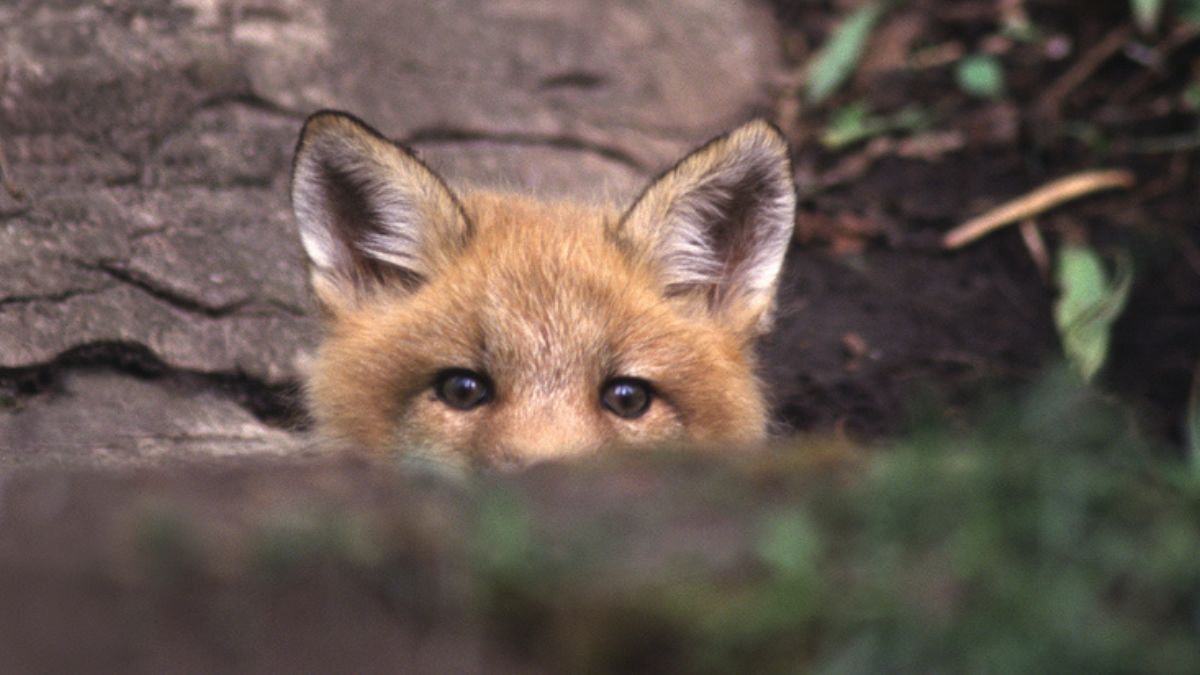
The visitors followed. Dozens of species of bees and butterflies, more than 100 bird species logged, and a stopover for migrating birds. Raccoons, chipmunks, possums, skunks, squirrels, bats, rabbits, field mice and red foxes moved through, with the occasional deer and coyote. James sees all of it as a sign of a thriving ecosystem, and some neighbors have started asking about native plants.
The yard is certified as a native habitat by the National Wildlife Federation and by Openlands, a Chicago-area conservation group. The federation says any small space with native plants and a water source can qualify, and it suggests aiming for at least 70 percent native plants.
Plan B, if pulling up the whole lawn is too much at once: start with one bed. A strip along the fence planted with a few natives from a spring plant sale is a small space that already counts.
What a native yard leaves out of the story
James doesn’t say how the couple removed the grass, how big the yard is, what it cost or how they water and maintain it. Expect a learning curve, and plan your own budget and timeline. Native means native to your region. The McGuires picked plants from northern Illinois, so check with your local extension office or a native plant society for the right list where you live.
More wildlife means more visitors you didn’t invite. Secure trash and pet food, and keep small pets close at dusk if foxes or coyotes pass through.
Check local rules on plant height before you let a front yard grow tall, and call 811 before you dig for trees or shrubs, so underground lines get marked. Plant for the birds you want to see, and let the grass go. That’s the trick.