I Poured Hot Water and Salt Down My Drain and Didn’t Expect This


It sounds like one of those old kitchen fixes that should quietly solve a small problem without needing chemicals. Pour salt into the drain, follow it with hot water, wait a little, and the clog should loosen.
The idea shows up everywhere. Some people say the salt scrubs the pipes. Others say it melts grease faster or clears buildup naturally. I wanted to see what actually changes when you try it on a slow kitchen drain.
What I Did
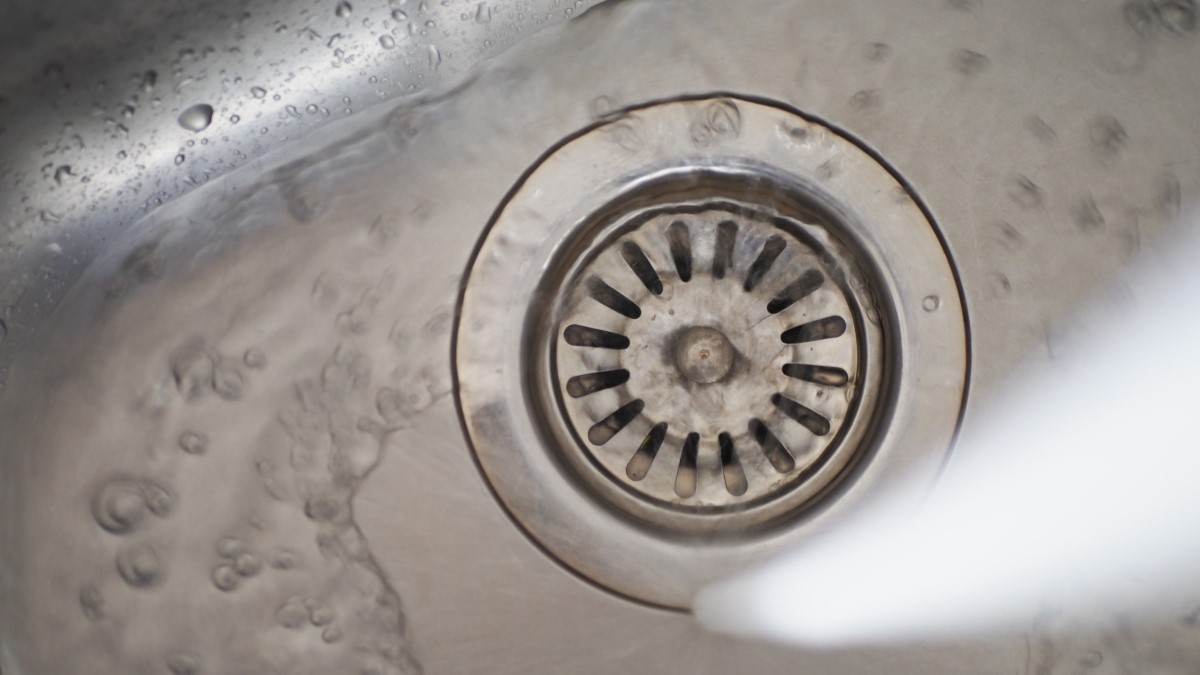
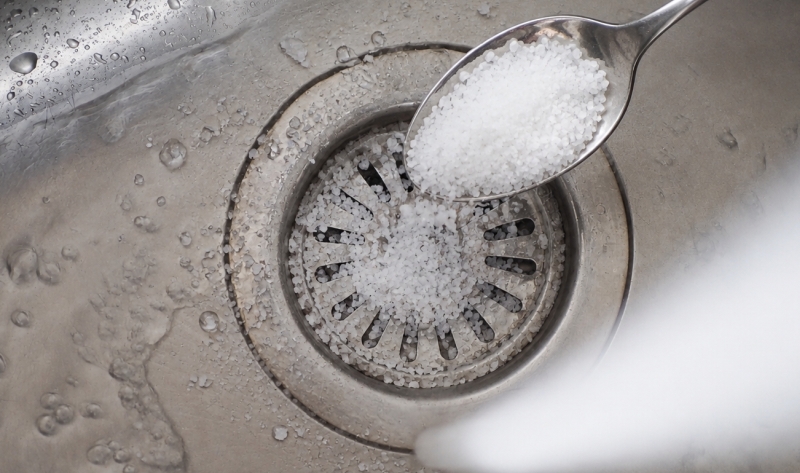
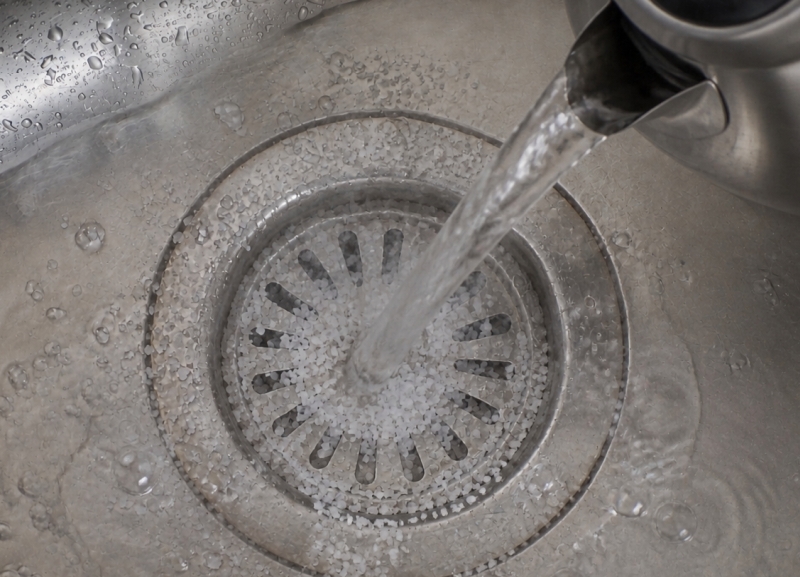
I poured about half a cup of table salt directly into the kitchen drain, followed by a full kettle of hot water.
The drain was not completely blocked, but it had started draining slower than normal and carried a light sour smell after washing dishes.
I let the mixture sit for around 20 minutes before flushing everything again with hot tap water.
What I Expected
The expectation was simple.
Faster drainage, less smell, and maybe some visible change in how the sink cleared water afterward.
The logic sounds believable. Hot water softens grease, salt feels abrasive, and together they seem like they should break apart buildup inside the pipe.
What Happened Right Away
The drain sounded different almost immediately.
There was more movement inside the pipe and a brief rush of water after the hot water went down. The sink also smelled slightly cleaner at first, mostly because the hot water pushed old odors deeper into the drain.
Nothing dramatic happened, but the water did begin clearing a little faster.
What Changed After an Hour
The biggest difference showed up later.
The sink drained more smoothly than before, especially after rinsing dishes or running warm water. The slight odor near the drain opening was also reduced.
What surprised me was how limited the effect actually was. It felt more like a temporary reset than a real cleaning.
The drain improved, but it did not suddenly become “fully clean.”
What This Setup Actually Does
Most of the effect comes from the hot water, not the salt.
The heat helps soften grease and soap residue sitting along the pipe walls. The salt may help loosen some surface buildup, but it does not dissolve clogs the way people often claim.
For mild kitchen buildup, the combination can improve flow temporarily. For thicker grease, hair, or deeper blockages, the effect stays limited.
Where It Worked
This method made the most sense in a kitchen sink with light grease buildup and slow drainage.
It worked best as a maintenance step, not a repair.
The drain smelled fresher afterward, water moved a little faster, and the pipe sounded less restricted during use.
Where It Fell Short
The improvement did not last permanently.
After a few days of normal cooking and dishwashing, the drain slowly returned to the same condition. The mixture did not remove deeper buildup inside the pipe.
I also noticed something else. If too much salt sits in the drain without enough flushing, it can collect instead of clearing away completely.
That is where this trick starts becoming less helpful.
What I Changed Instead
After testing the salt method, I switched to simpler prevention instead of repeated treatments.
I stopped pouring cooking grease into the sink, flushed the drain with regular hot water after heavy dishwashing, and cleaned the drain strainer more often.
That made a bigger difference than repeating salt treatments every few days.
For stronger clogs, mechanical cleaning worked better than household mixtures.
FAQ
Is it better to do this at night?
Yes. Leaving the drain unused for a few hours gives the hot water more time to sit against grease and residue inside the pipe.
Can this be used in garbage disposal drains?
Yes, but only in moderation. Too much salt can stay trapped around residue inside the disposal chamber if it is not flushed thoroughly afterward.
Why does the sink sometimes gurgle afterward?
As buildup loosens, trapped air and water move differently through the pipe, which can temporarily change the sound of the drain.