A gardener bought 957 seed packets for a penny each, then brought the store manager vegetables


A seed packet bought on sale, tossed in a kitchen drawer and sown the next spring. Nothing comes up, or three seedlings appear along a whole row, and the packet gets the blame.
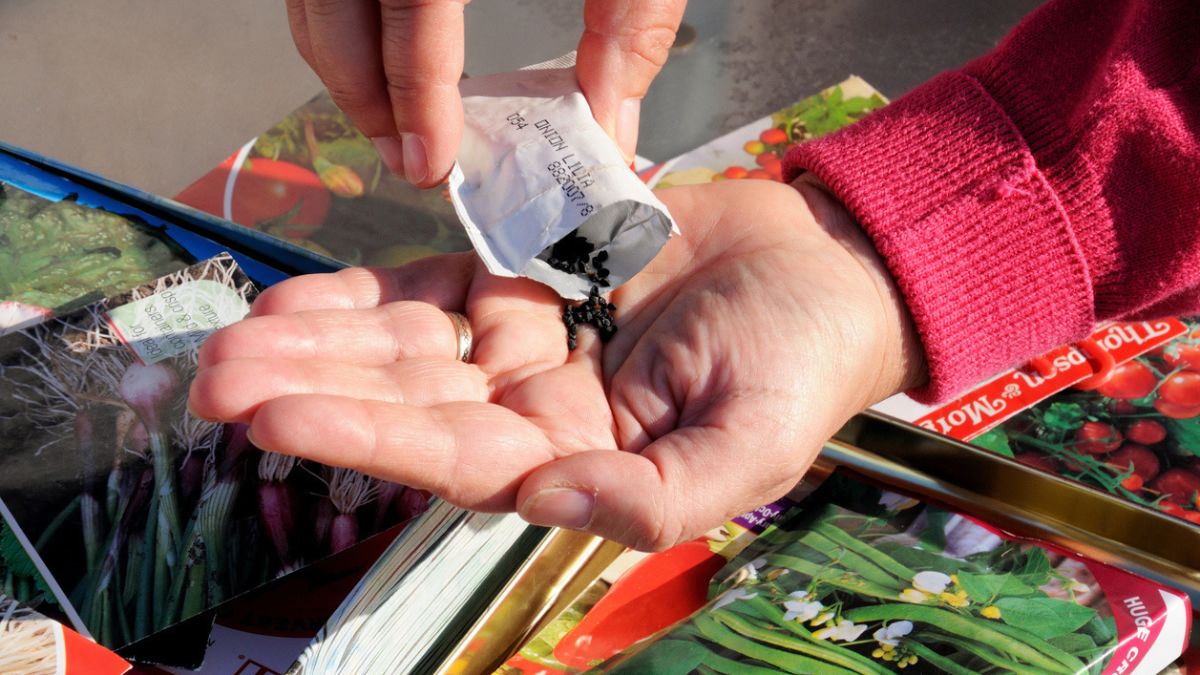
The packets weren’t the problem, the guesswork was. A gardener on Reddit’s r/gardening community found seed packets at Dollar Tree that had been pulled from the sales floor and marked down to one cent each, and left with 957 of them: 701 flower packets and 256 packets of vegetables and herbs. At full price, the haul would have cost $478.50. At a penny each, that comes to $9.57.
The manager overheard the gardener talking about the markdown, brought out more inventory, including an unopened flower seed display, and apologized that there were no more vegetable seeds. The gardener joked that she had just handed over an entire flower farm, and offered to bring her vegetables from the garden.
The manager happily agreed. When the gardener came back with fresh produce, the manager had found more vegetable seeds and packed them into gift bags. The post’s title sums up the trade: a penny a packet, plus some homegrown tomatoes, jalapeños and basil.
Why a pile of cheap seed packets can still come up empty
Seeds are alive, and they don’t last forever. Clemson Cooperative Extension notes that some seeds are short-lived: corn, lettuce, onion, impatiens and pansy lose viability after one or two years, even when they’re stored properly.
Planting hundreds of packets also takes room. A new bed doesn’t have to start with a shovel: one gardener laid cardboard right over his lawn, overlapping the pieces so grass couldn’t push through, soaked it with a hose and covered it with mulch instead of digging out the sod.
Test a few seeds before you trust the whole packet
Iowa State University Extension recommends testing germination about a month before planting. Its paper towel germination test takes a week and costs almost nothing.
- Count out seeds. Pick at least 20 seeds at random from the packet. Fifty is better, and 100 is best.
- Roll them up. Spread the seeds on several layers of premoistened paper towel, then roll it up so the seeds stay separated.
- Keep them warm. Put the roll in a plastic bag, label it with the seed type and leave it somewhere between 70 and 80°F.
- Check for sprouts. Look after two or three days, then daily for about a week. A seed counts once a root or seed leaf breaks through the coat.
- Do the math. Divide the seeds that sprouted by the seeds you tested. At 90 percent or more, the seed is very good. At 70 to 80 percent, it’s acceptable for small or abundant seed. At 50 percent or less, Iowa State says to discard it and buy fresh.
- Adjust your sowing. If the rate is low but not dismal, sow more seed per row to make up the difference.
Store the packets you’re keeping in a sealed glass jar in a cool, dry place, such as a cool closet, a root cellar or the refrigerator. Plan B, if you end up with more seeds than one yard can hold: share them. One commenter on the post suggested checking whether your local library runs a seed library, where people can check out seeds to grow for free.
What a penny seed haul can’t promise
Clearance seeds can be from an older season. Check the year printed on each packet before you plan a whole garden around it, and test the short-lived kinds first. A deal like this one also depends on the store. The extra seeds and gift bags came from one manager’s goodwill, so don’t count on the same at every store.
Flower packets deserve a second look, too. Before you scatter a wildflower mix, ask your local extension office whether any of the species spread aggressively in your area. Test a few seeds before you trust a whole packet. That’s the trick.