She Put a 50-Cent Microfiber Towel on Her Steam Mop, and It Picked Up Dirt She’d Missed After Sweeping


Disposable steam mop pads can become an expense when floors need cleaning several times a week. After buying a Swiffer Bissell SteamBoost mop, one homeowner wanted an alternative to the disposable pads that came with it, without purchasing refills each time she cleaned.
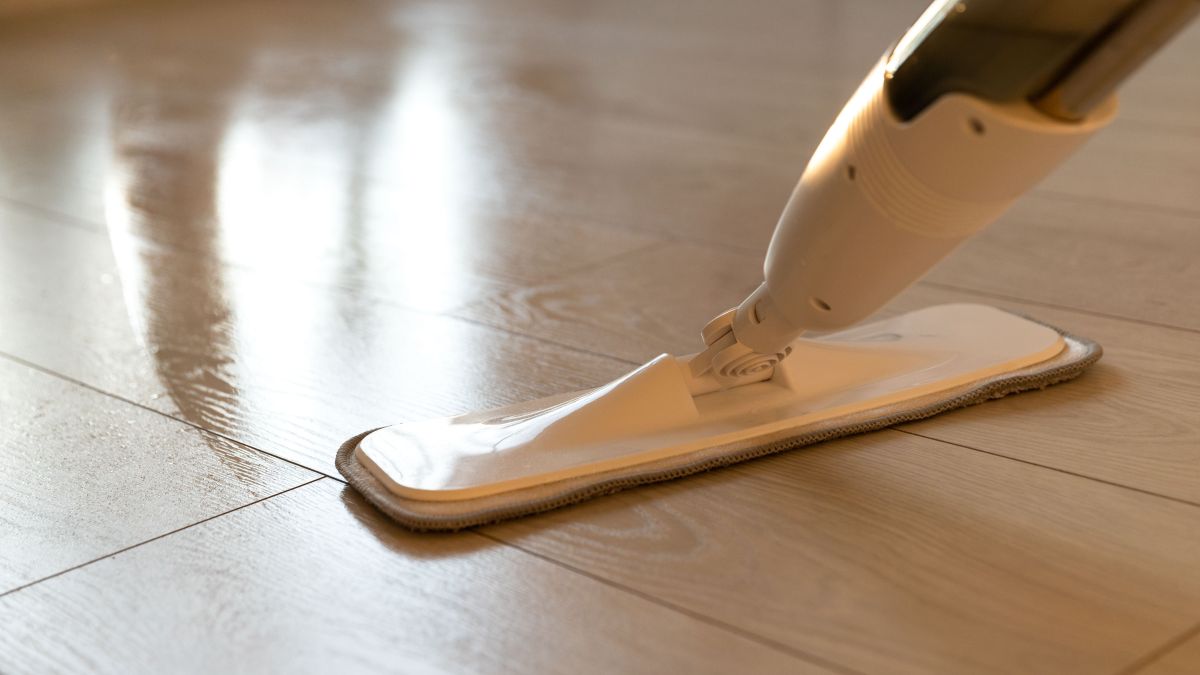
She found a two-pack of microfiber cleaning towels at Dollar Tree for $1, making each towel just 50 cents. Instead of cutting or sewing the fabric, she wrapped one around the mop head and tucked the corners into the built-in gripping slots. After sweeping and mopping her tile floor, the towel collected dirt and small debris that the broom had left behind.
DeeDee from Clover House shared the method as a way to replace disposable pads with washable towels. Her project also included a homemade floor-cleaning spray, although the microfiber cloth was the part that made the reusable setup possible.
Two Dollar Tree Microfiber Towels Cost $1
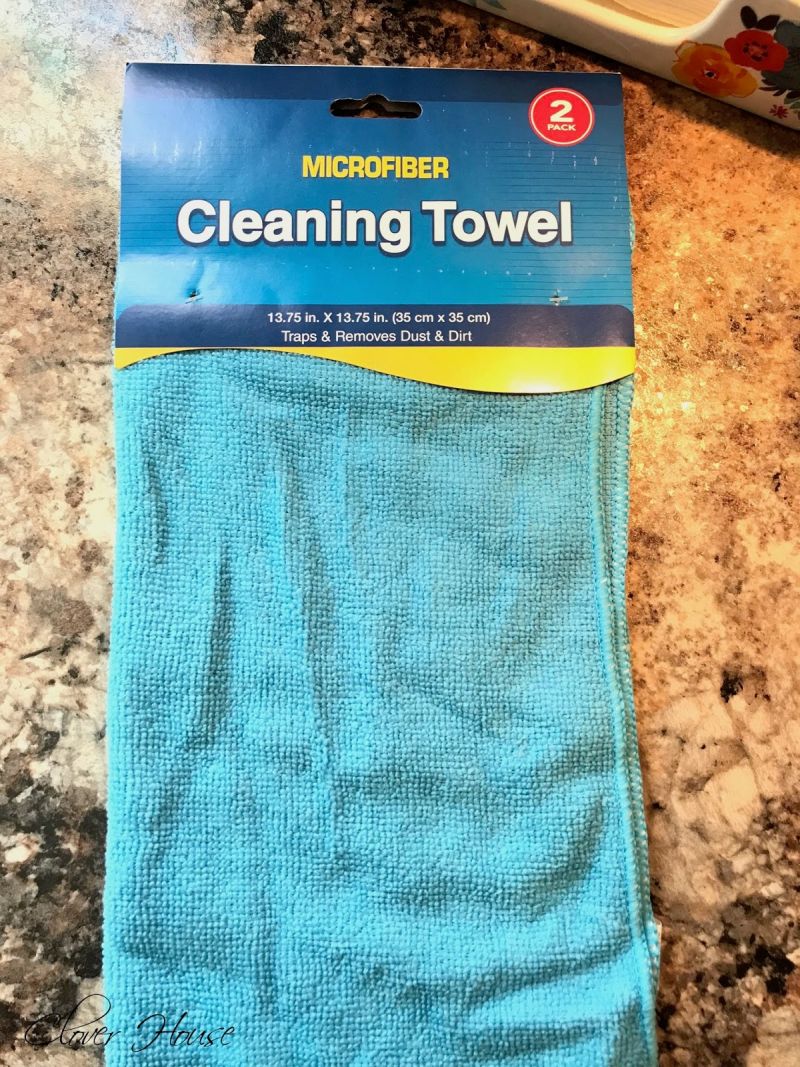
The package contained two blue microfiber towels measuring 13.75 by 13.75 inches each. The textured fabric was designed to trap dust and dirt, with short microfiber loops covering both sides.
After removing the tags, the towels were ready to use without cutting, stitching, or adding elastic. Their square shape provided enough fabric to cover the rectangular mop head and fold around its edges.
The Microfiber Towel Went Under the Steam Mop
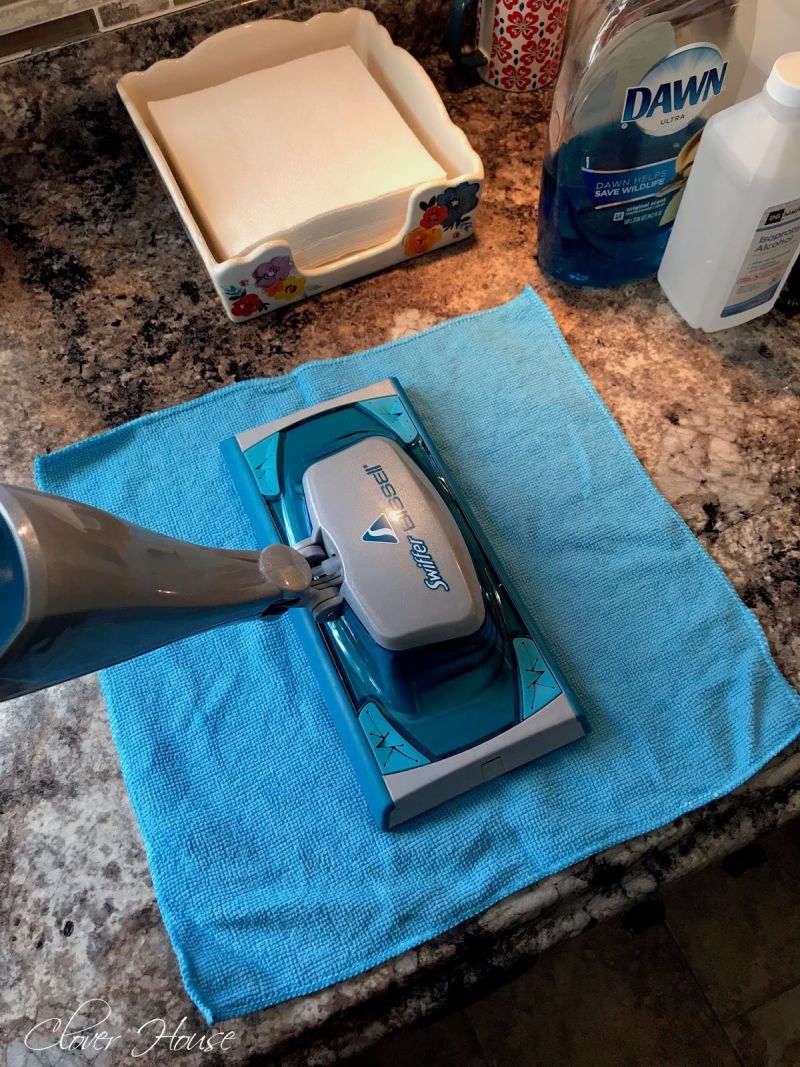
One towel was spread across the kitchen countertop, and the mop head was positioned in the center with its cleaning surface facing down.
The fabric extended beyond all four sides, leaving enough material to wrap around the mop without interfering with its handle or attachment points.
Folding the Fabric Replaced the Disposable Cleaning Pad
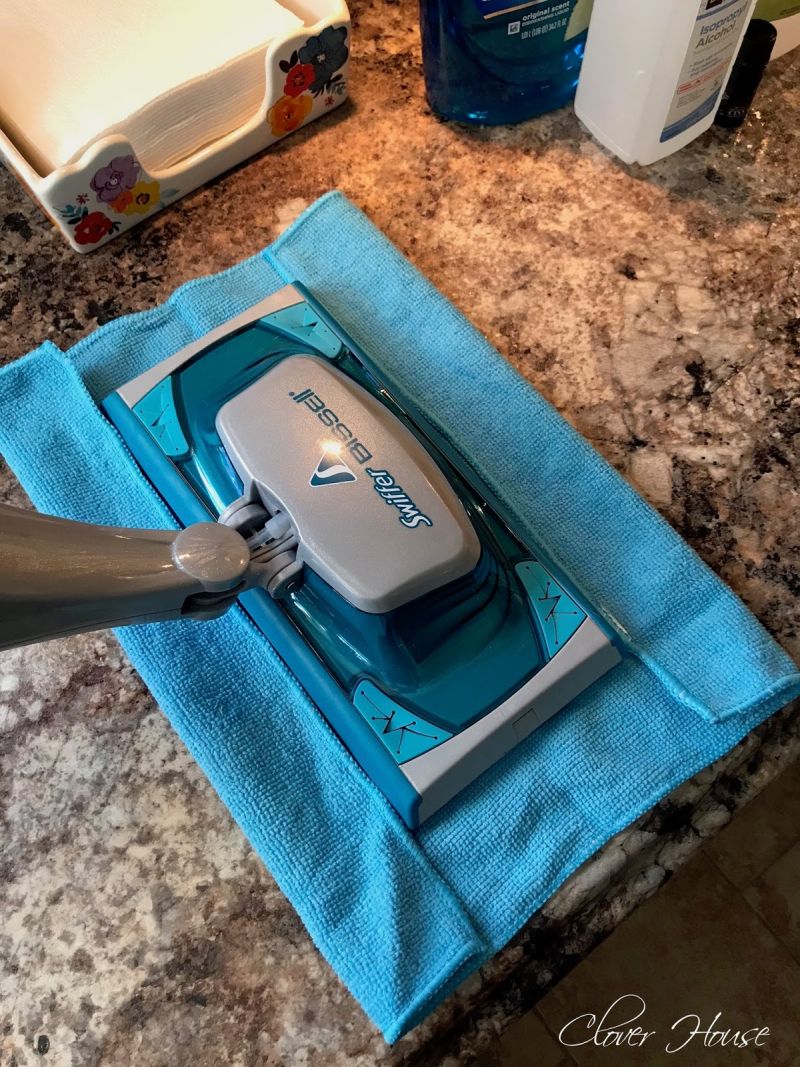
The opposite edges of the towel were folded toward the mop head, bringing the excess fabric up against the plastic housing.
Small rubber gripping slots near the corners provided attachment points for the cloth, eliminating the need for additional fasteners.
Rubber Grips Held the Towel Without Sewing
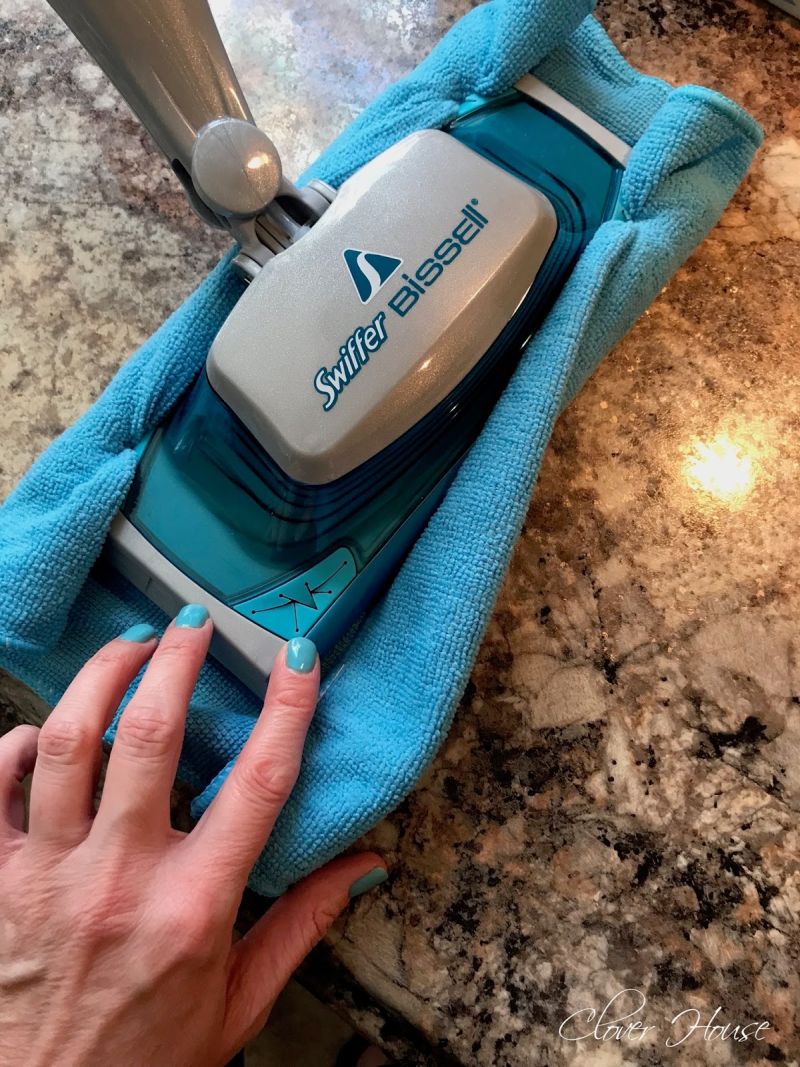
Each corner of the towel was pushed into the rubber slots with a fingertip, pulling the fabric against the underside of the mop.
The grips held the cloth in position while leaving the rest of the mop unchanged, making it possible to remove the towel for washing after use.
The Towel Wrapped Around Both Sides of the Mop Head
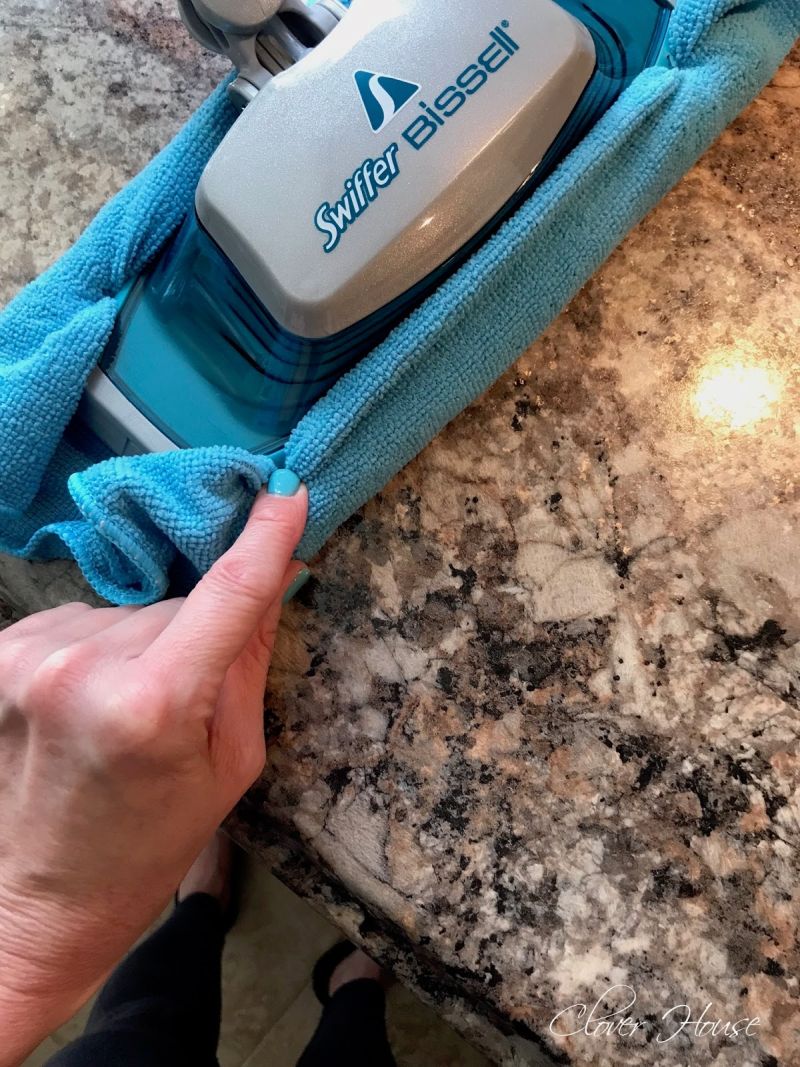
With all four corners secured, the microfiber covered the cleaning surface while the folded edges rested against the sides of the mop.
The attachment demonstration used a dry towel so the folds and gripping slots could be seen. Before cleaning the floor, the fabric was dampened with water.
Water Dampened the Microfiber Before Mopping
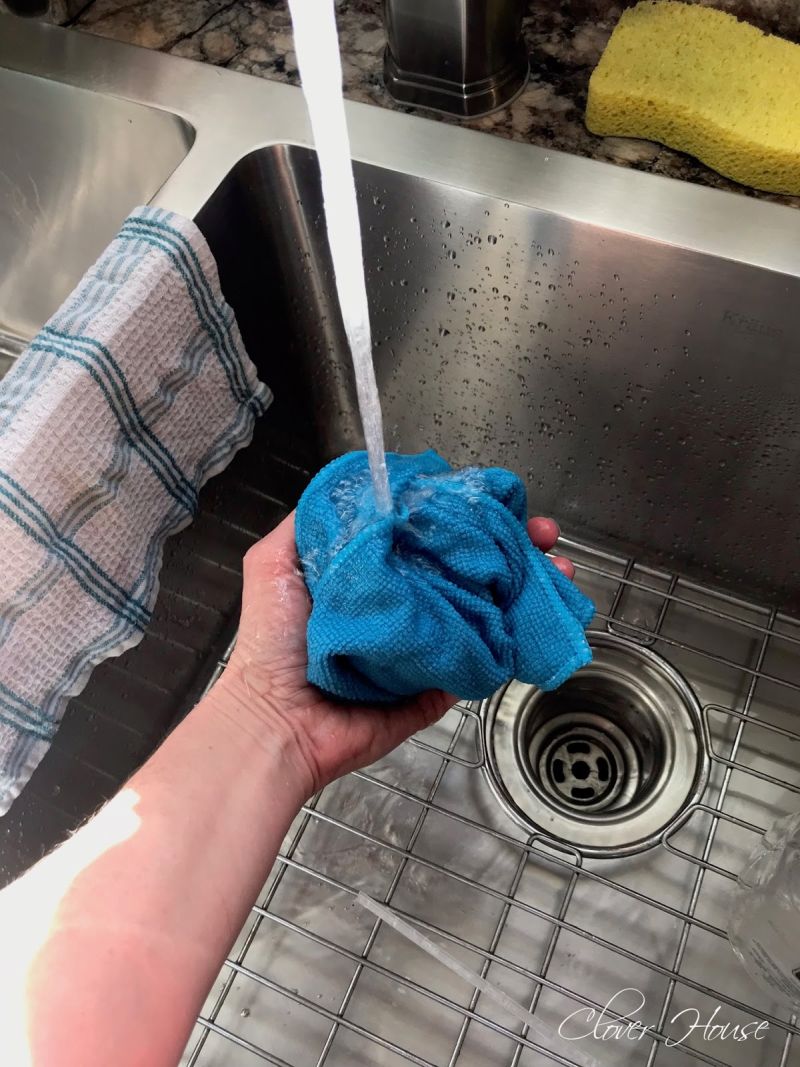
The cloth was rinsed under the kitchen faucet and wrung out to remove excess water before being attached to the mop for cleaning.
This allowed the towel to begin damp rather than dry, with the fabric positioned against the floor once the mop was in use.
The Homeowner Also Prepared a Floor-Cleaning Spray
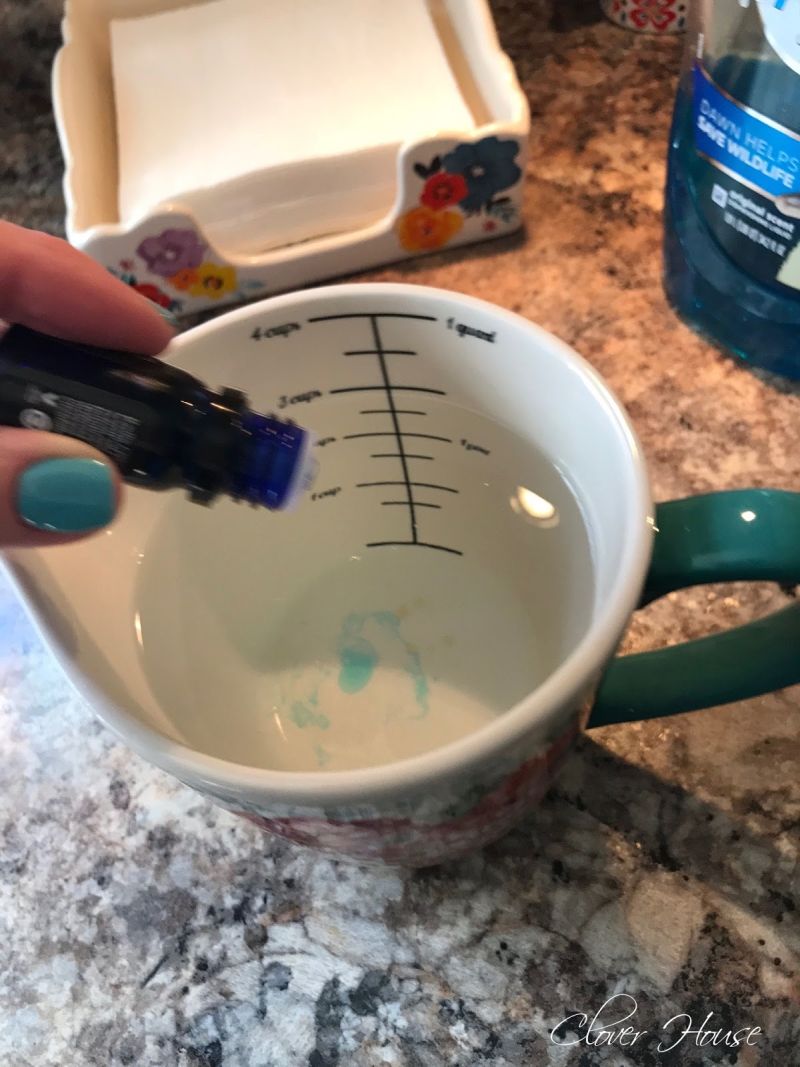
The original project included a homemade spray made with one cup of water, one cup of distilled white vinegar, one cup of 50% rubbing alcohol, and three drops of dish soap. Essential oils were listed as an optional ingredient.
This mixture was intended for application to the floor, not for filling the steam mop reservoir. Vinegar and alcohol can damage certain flooring finishes, while some essential oils pose risks to cats and other pets. Floor manufacturers’ care instructions should take priority over homemade cleaning recipes.
An Empty Spray Bottle Held the Cleaning Mixture
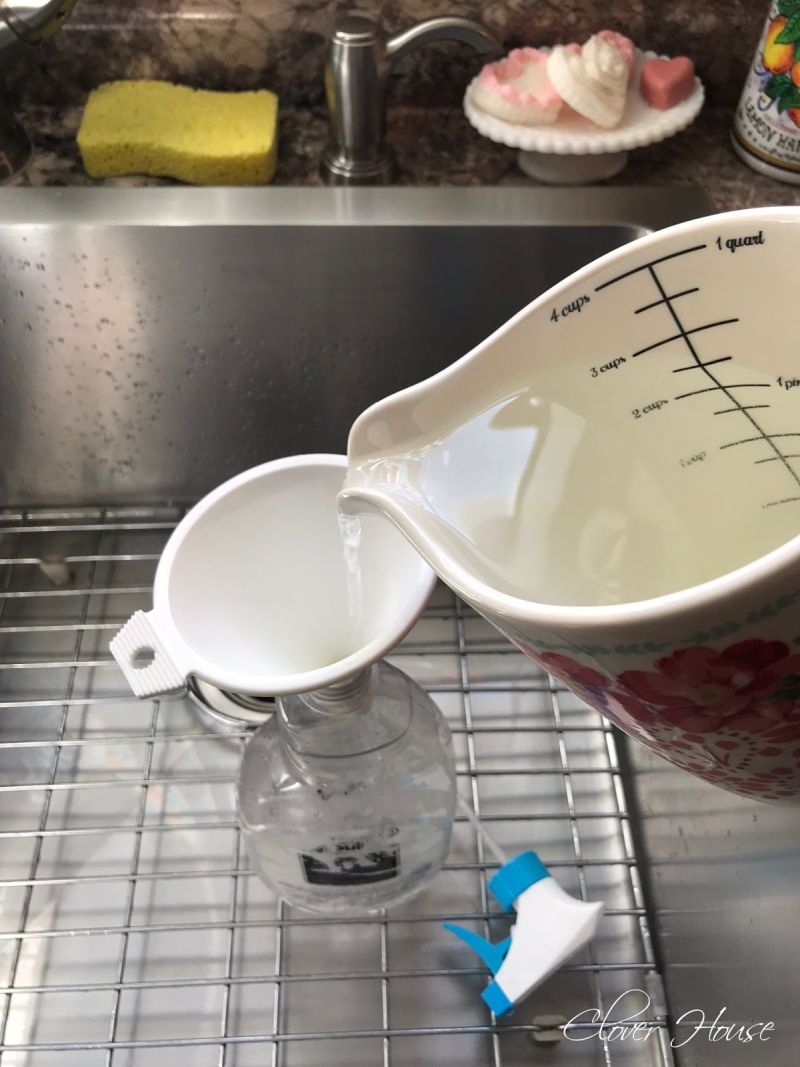
A kitchen funnel was used to pour the prepared liquid into an empty spray bottle, allowing the solution to be applied separately from the water used inside the mop.
The approach reused an existing container, although the bottle should be cleaned and labeled before storing a different mixture. Any cleaning product used with a steam mop also needs to be compatible with the flooring and the machine’s instructions.
The Towel-Covered Mop Went Across the Kitchen Tile
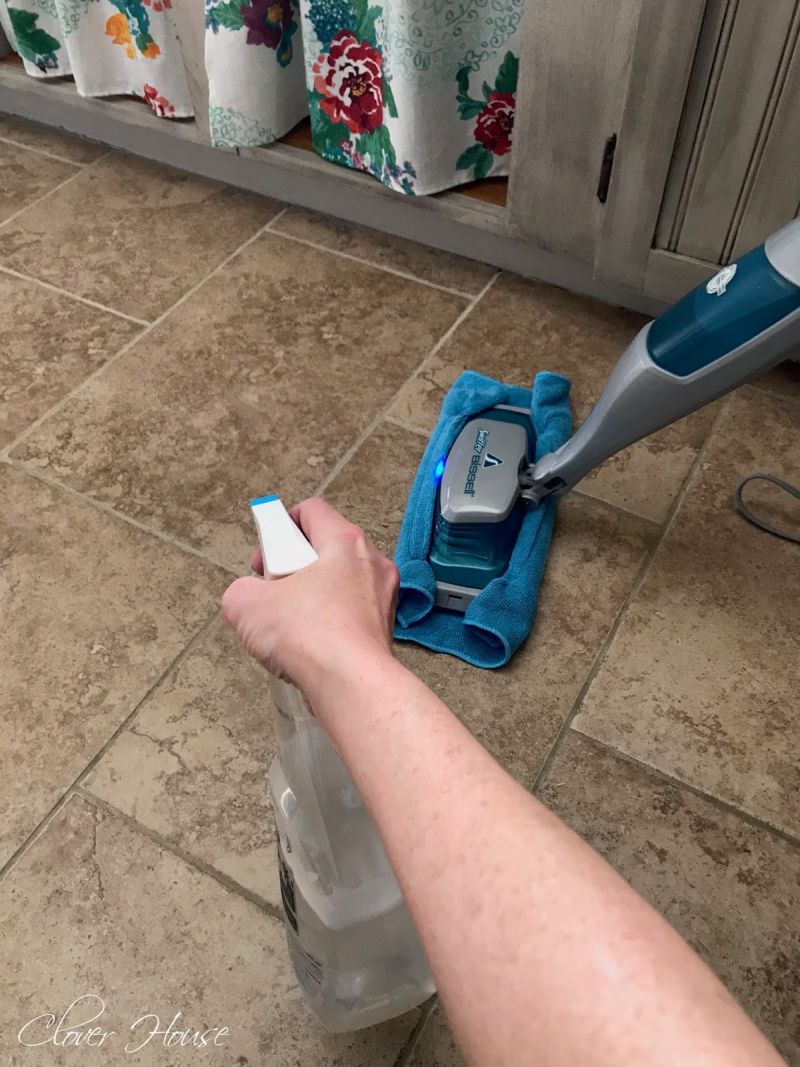
The mop was used on tan and brown kitchen tiles, with the damp microfiber covering its rectangular cleaning head.
The towel remained folded around the edges as the mop moved across the floor, allowing the fabric to contact the tile surface and grout lines.
The Microfiber Stayed Attached During Cleaning
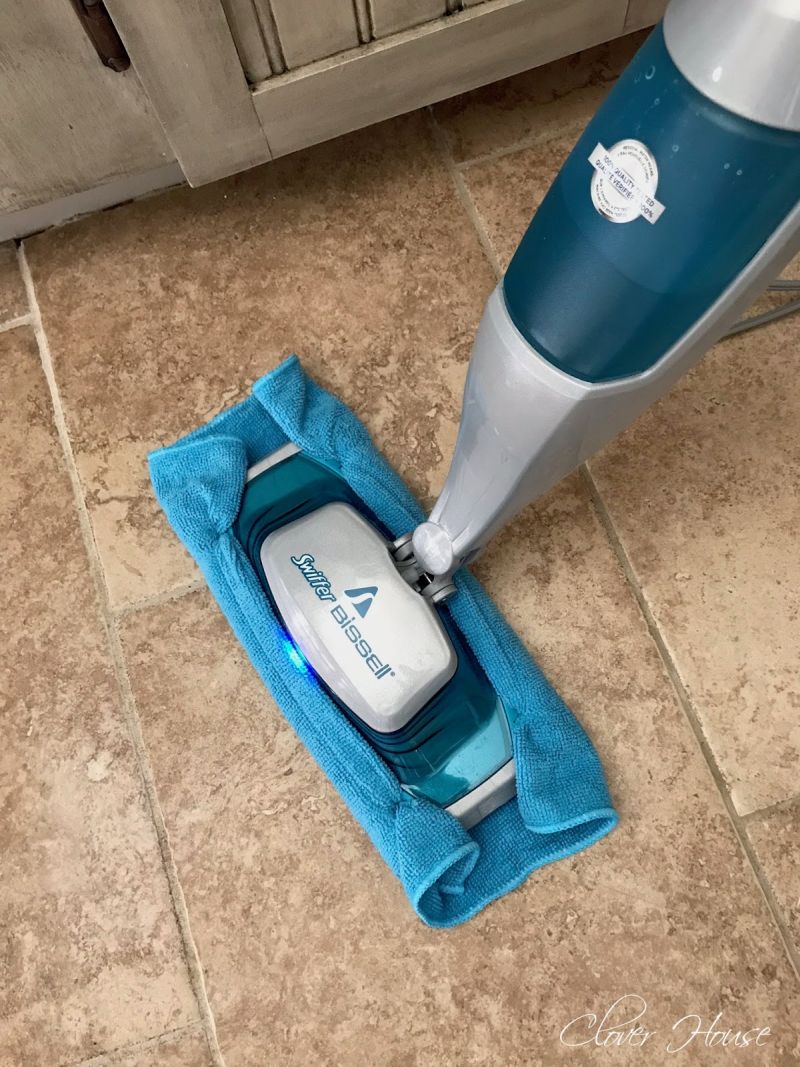
The rubber gripping slots kept the cloth attached while the mop was pushed across the tiles. Extra fabric remained visible along both sides, but the towel stayed wrapped around the cleaning head.
Unlike a disposable pad, the microfiber could be removed, rinsed, and used again after laundering.
Dirt Remained on the Floor After Sweeping
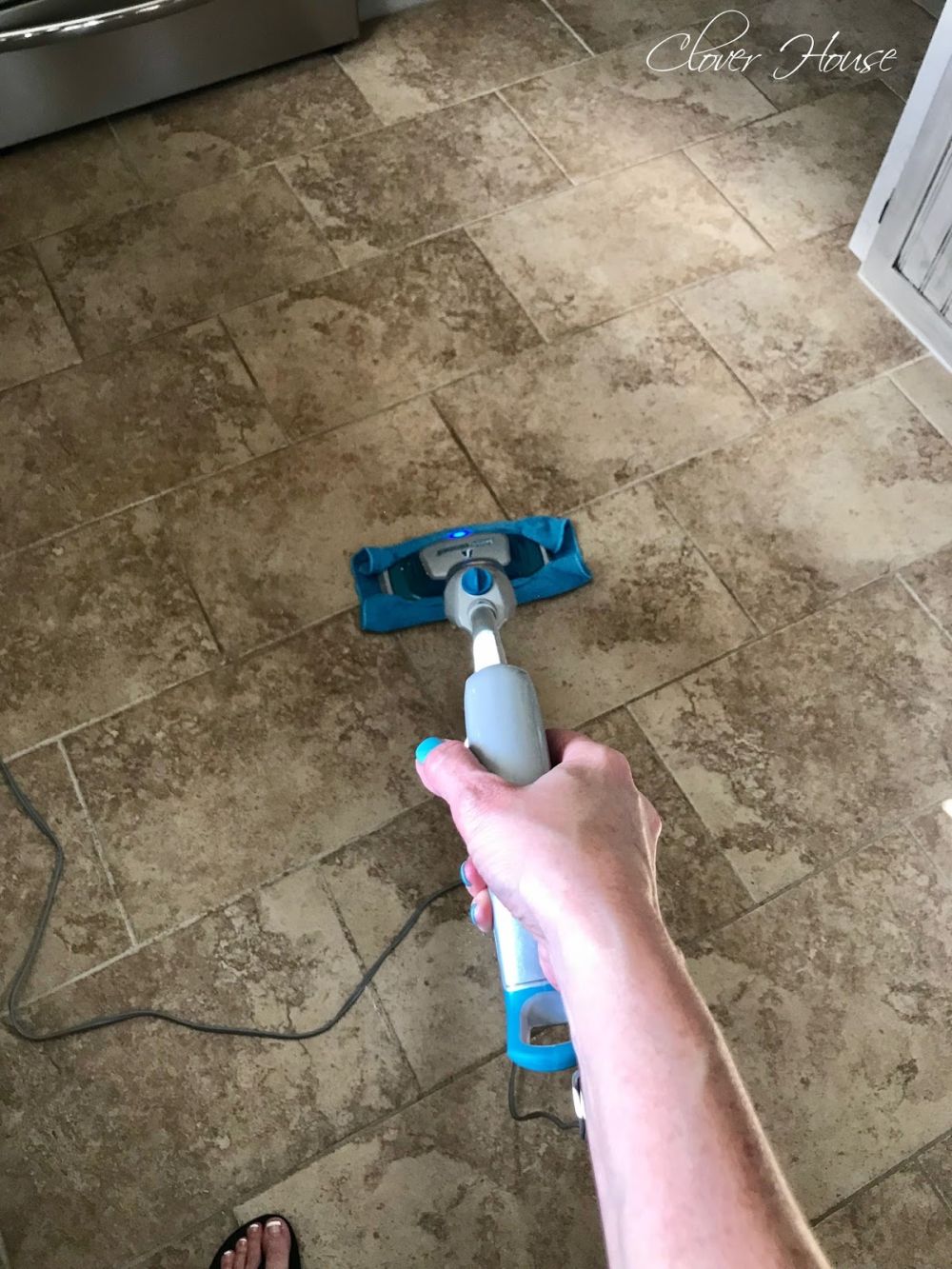
The floor had been swept before mopping, but the microfiber still collected particles from the tile surface as the mop passed over it.
The cloth’s textured fibers provided a surface for dirt and loose debris to cling to, including material that had remained after the initial sweeping.
The Used Microfiber Towel Showed What Sweeping Had Missed
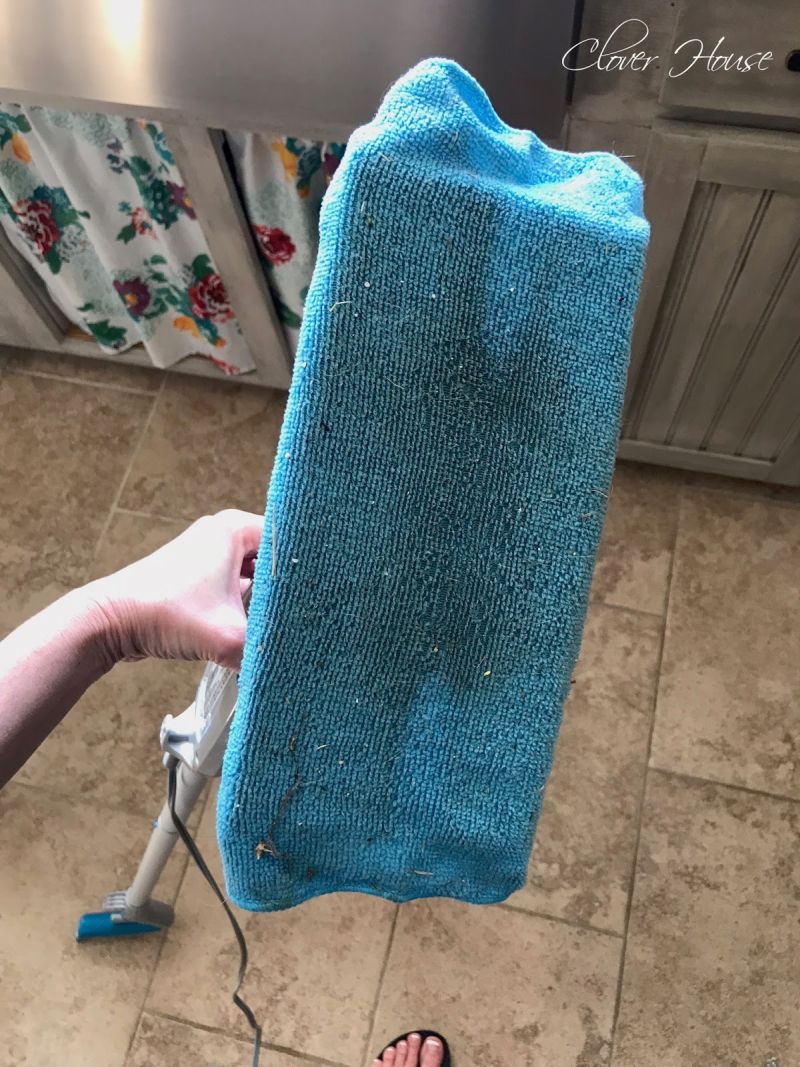
After mopping, the towel was removed and turned over to reveal dark marks and small pieces of debris caught in the fabric. Several areas had become discolored, while loose particles remained trapped between the microfiber loops.
The cloth could be washed and reused instead of discarded after one cleaning session. At the price paid for the two-pack, each towel cost 50 cents, although current store prices may differ.
The method depends on a mop with suitable attachment points, and not every steam mop is designed to hold an ordinary cloth. Checking the manufacturer’s instructions is important before replacing the supplied cleaning pads.
Would you try a washable microfiber towel on a compatible mop or continue using disposable cleaning pads?
Image credits: DeeDee, Clover House.