Vinegar Can Make Your Concrete Patio Harder to Clean: This Is What You Can Use Instead


Concrete patios collect dirt, grease and stains that can send you reaching for white vinegar. But a cleaner used to tackle marks indoors can damage the surface outside, leaving the concrete rougher than it was before.
Vinegar’s acidity can attack the cement paste that holds concrete together. An etched patch can absorb stains more readily, making future cleaning harder rather than solving the original problem.
The replacement depends on what you need to remove: surface dirt, a fresh oil spill or a stain that has soaked into the patio.
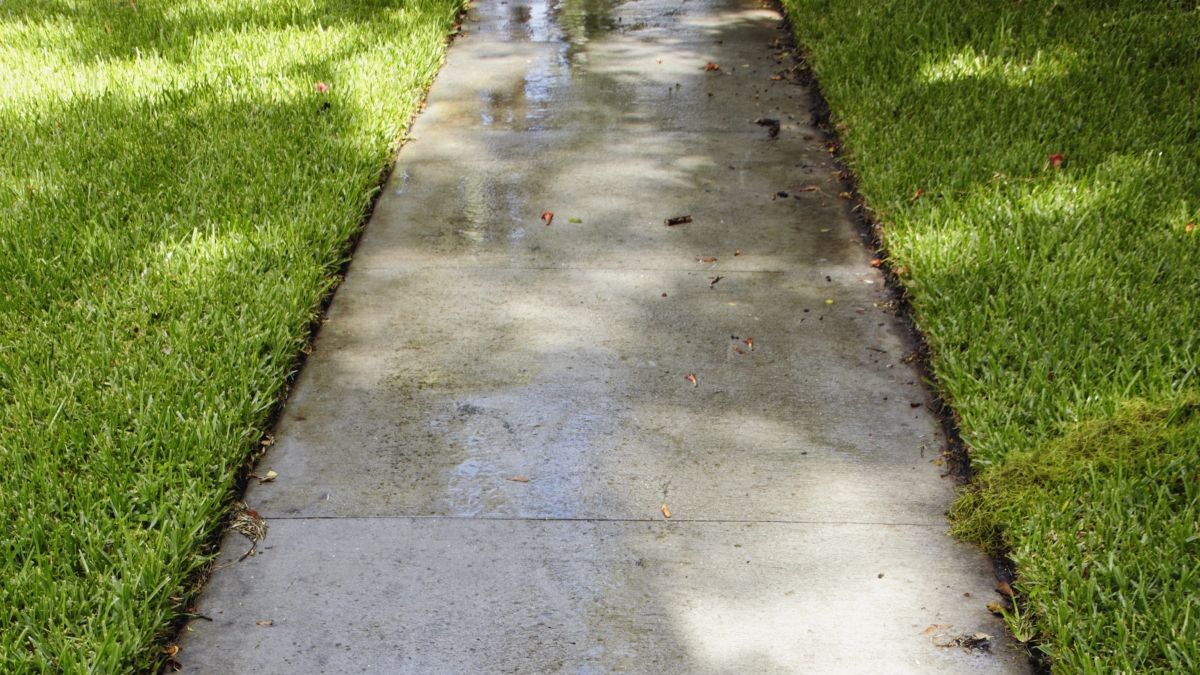
Why Vinegar Can Leave More Than a Clean Patch
Concrete contains aggregate bound together by cement paste. Acid can react with that paste, weakening the exposed surface and leaving a change in texture or color.
A sealer does not make vinegar a suitable choice. Depending on the protective finish, an acidic cleaner can damage the coating as well as the concrete beneath it.
Repeated treatment adds to the concern. Pouring more vinegar onto a stubborn stain increases contact with the surface, without guaranteeing that the mark will come out.
The Damage Can Make Future Stains Harder to Remove
Etching can create a rough, porous patch where dirt and spills settle into the surface. What looked like a cleaning problem can become a repair problem, with the treated area standing out from the surrounding concrete.
Runoff also matters. Cleaner washed off the patio can reach plants, natural stone and other materials beside it, spreading the treatment beyond the intended spot.

Use Mild Soap for Routine Patio Dirt
For surface dirt and light grease, start with mild dish soap and water, provided the patio’s finish allows it. Sweep away loose debris, then use a nylon brush to work the solution over the dirty area.
Rinse away the suds and loosened grime before the solution dries. Test a small spot out of view first, and follow the care instructions for any sealer or coating.
Scraping tools and forceful scrubbing can mark a finished surface, so let the cleaner and brush do the work without grinding into the concrete.
Fresh Oil Needs an Absorbent First
A fresh oil spill calls for collecting the liquid before washing the area. Cat litter or another suitable absorbent can help take up oil that remains on the surface.
Once the absorbent has been removed, treat the remaining mark with a product labeled for concrete. Older oil stains may need a concrete degreaser rather than the soap solution used for routine dirt.
Follow the product’s dilution, contact-time and rinsing instructions, including any restrictions for sealed or coated surfaces.
Match Stronger Cleaners to the Stain
Oxygen-bleach products can be an option for some patio stains, but the label must permit use on the concrete and its finish. A product suited to bare concrete may have different requirements from one intended for a coated patio.
Pressure washing also needs control. Excessive pressure or a nozzle held too close can roughen concrete or strip a coating, replacing one form of surface damage with another.
Start with the least aggressive method suited to the stain and finish. If the mark remains, identify what caused it before choosing the next treatment; more vinegar will not restore concrete that has been etched.