Stop Storing Milk in This Fridge Spot if You Want It to Stay Fresh Longer


Milk cartons fit into the tall compartment in a refrigerator door, with room to stand upright and easy access when breakfast starts. That convenient fit gives little reason to question the spot, even when milk seems to turn sour before you finish it.
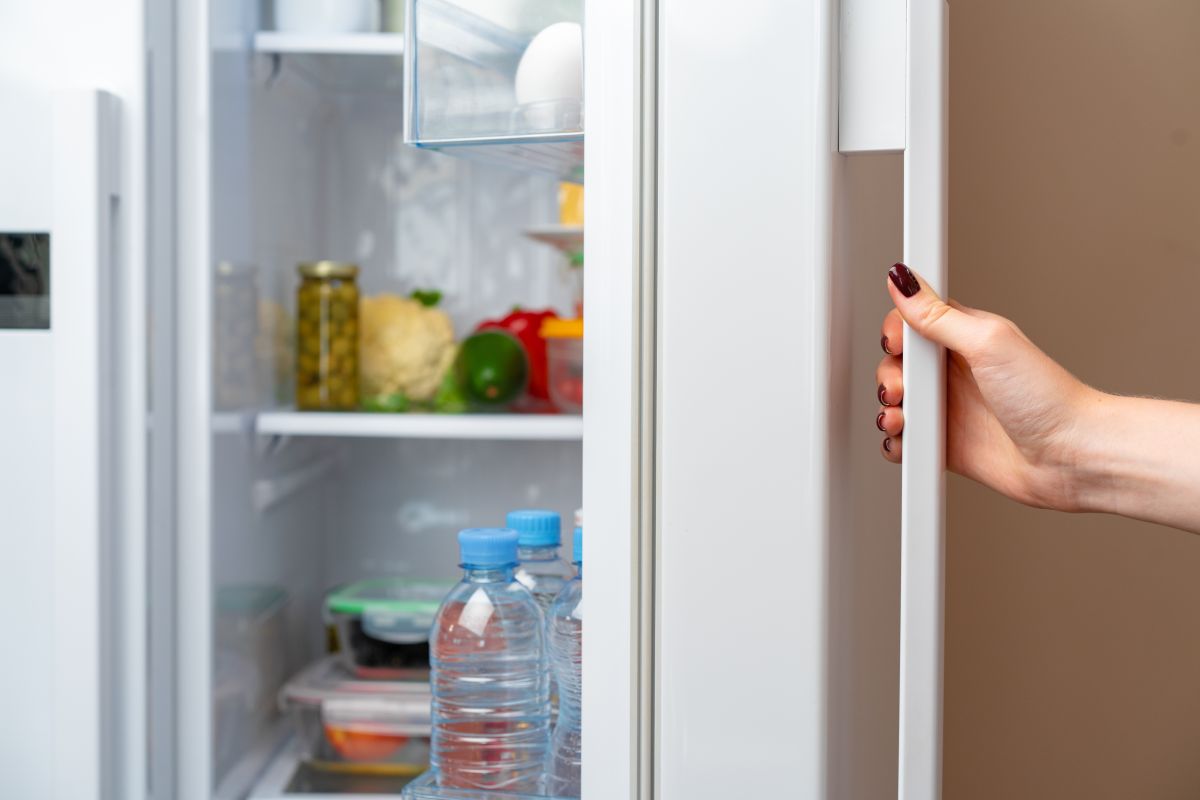
But fitting inside a compartment does not mean a food belongs there. Each time the door opens, its contents move out into the warm kitchen air, exposing them to temperature changes that can work against keeping milk fresh.
USDA’s Refrigerated Foods guide recommends storing milk in the coldest part of the refrigerator, away from the door. Moving the carton onto an interior shelf is a small change that gives it a more stable storage environment.
Why the door is a poor spot for milk
Door compartments swing into the room whenever someone reaches for a snack, fills a glass, or checks what is available for dinner. Food on the interior shelves stays farther inside the cabinet, while bottles in the door face direct exposure to warmer air.
USDA explains that temperatures in door bins fluctuate more than those inside the refrigerator because of that exposure. Repeated openings create more opportunities for temperature changes, making the door a less suitable place for foods that need steady refrigeration.
Keeping milk cold slows the growth of bacteria that cause spoilage. A carton’s position can therefore affect how well it keeps, although moving it cannot guarantee a set number of extra days.
Where to put milk instead
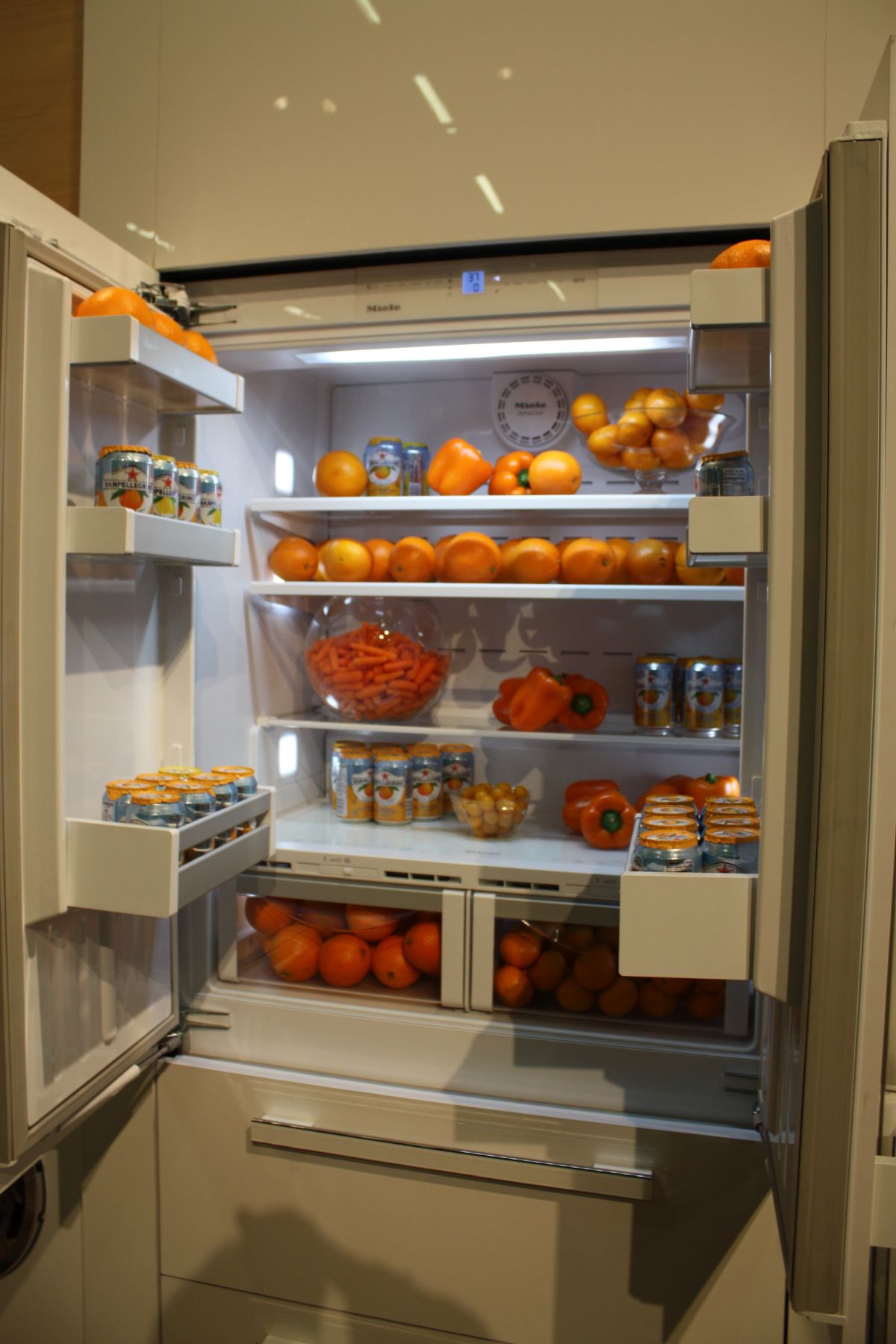
Choose an interior shelf toward the back, where the carton can stand upright without blocking an air vent. USDA identifies the coldest area as the preferred location for milk, noting that it tends to be farthest from the door.
If the carton will not fit, adjust a shelf or move smaller containers to make space. Keep milk clear of any surface that freezes food, since refrigerator layouts and cooling patterns differ between models.
Use a refrigerator thermometer to check that the appliance maintains 40°F / 4.4°C or below, and follow any colder storage temperature printed on the carton. Put milk back after pouring instead of leaving it on the counter throughout breakfast.
Keep eggs off the door, too
Molded egg holders can make the door seem like the intended storage spot, but USDA recommends keeping eggs in their original carton on an interior shelf. Its egg storage guidance points to the same problem: door bins face greater temperature fluctuations when the refrigerator opens.
Leave the carton intact and place it where it remains cold, rather than transferring eggs into the door tray. USDA’s shell egg guidance specifies the coldest part of the refrigerator, away from the door.
What belongs in the door compartments?
Use the door for condiments such as ketchup, mustard, hot sauce, and pickles, following each product’s storage instructions. These are better choices for that space than milk and eggs; government food storage guides place condiments in the door and milk on interior shelves.
Bottled dressings can go there when their labels allow it, but fresh dressings containing dairy or eggs deserve the same care as other perishable foods. Door storage still needs to stay cold—it does not replace refrigeration requirements.
Move the sauces into the door, give milk room on an interior shelf, and keep eggs in their carton beside other refrigerated groceries. Does your fridge’s current layout leave space for that swap?