Unplugging the toaster before leaving for Thanksgiving: what is it for and why is it recommended


The car is packed, the kids are buckled in, and you’re halfway down the street before you wonder about the house. The coffee maker, the toaster and the hair dryer are all still plugged in, sitting in an empty home for the next few days.
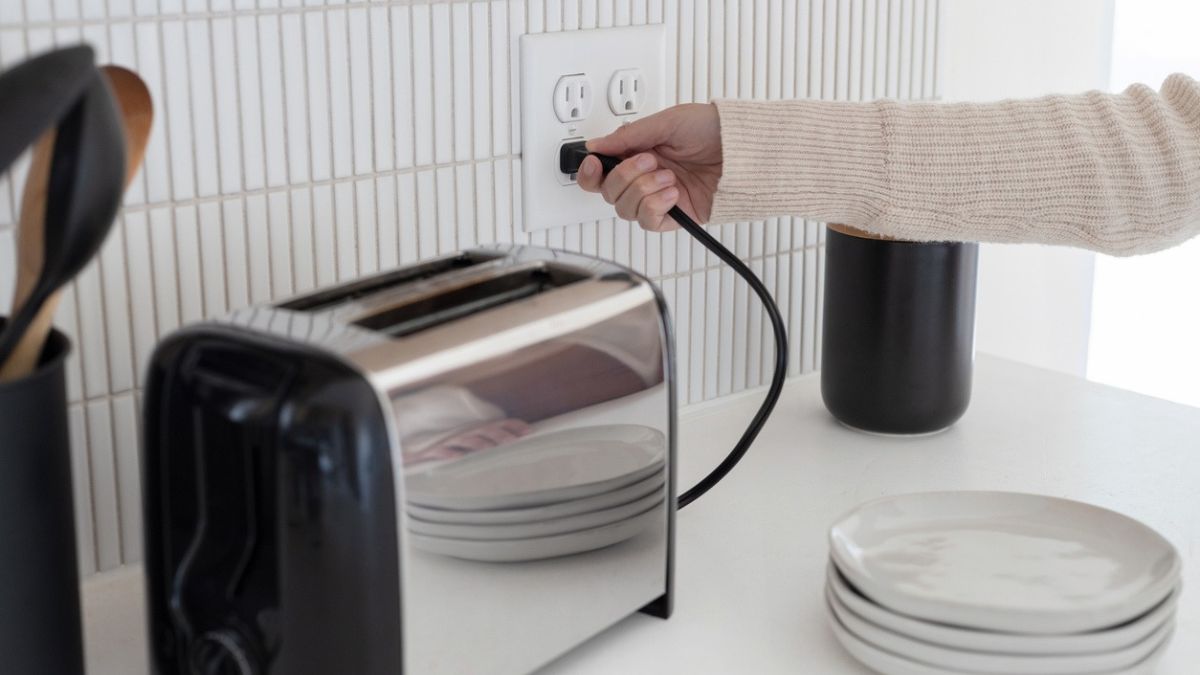
Plugged-in appliances aren’t usually a problem when you’re home. The difference is that nobody is there to notice if something goes wrong. That’s why fire safety advice for holiday travel includes a few minutes of unplugging before you leave.
Why an empty house changes the math ?
A small appliance that’s switched off but still plugged in stays connected to the wiring. The National Park Service’s fire prevention advice for holiday travel recommends disconnecting electronics and small appliances, such as the computer, coffee pot, blow dryers and toasters, along with space heaters and the TV. Its reasoning is that it saves money and removes the chance that lightning or an electrical surge starts a fire while you’re gone.
Electrical fires are not rare. The Electrical Safety Foundation International estimates that home electrical fires account for about 51,000 fires a year, with $1.3 billion in property damage. In a house that’s empty for a long weekend, a small problem has hours to grow before anyone notices.
The outlets themselves deserve a look before a trip too. If one wiggles, tightening the cover screws can pull it deeper into the wall; a set-back box needs spacers or an extender, and a hot or scorched outlet needs an electrician.
A five-minute walk-through before you lock the door
- Kitchen counter. Unplug the toaster, coffee maker and any other small appliance. Shake out the toaster’s crumb tray while you’re there.
- Bathroom. Unplug hair dryers, straighteners and curling irons, and make sure they’ve cooled before you put them away.
- Heaters. Turn off and unplug space heaters. They should never run in an empty house.
- Living room and office. Unplug the TV and the computer, or switch off the power strip they share.
- Laundry. Turn off the washer and dryer.
- Thermostat. Lower the heat to about 60°F, as the Park Service suggests, and turn off any air conditioners.
- Garage. Put oily rags or other flammable leftovers in a fire-safe container.
Leave the refrigerator and freezer plugged in, along with anything that runs the house, such as the furnace, the water heater or a sump pump.
Plan B, if crawling behind the TV cabinet isn’t happening: put that group of devices on a power strip and switch the strip off on your way out. It’s one switch instead of six plugs.
What unplugging won’t protect against
Unplugging stops a device from drawing power, but it doesn’t fix damaged wiring in the walls. Warm outlets, flickering lights, buzzing switches or breakers that keep tripping are reasons to call an electrician before the trip, not after.
Make sure your smoke alarms work, too. Test them before you leave, and replace any batteries that are low.
If you’re away for more than a night or two, ask a neighbor to check on the house. A second set of eyes catches what a plug can’t. Pull the plugs on anything that heats, and let the fridge keep running. That’s the trick.