Spraying vinegar on the front door: what is it for and why is it recommended


You sweep the porch, wipe the door and shake out the mat. A week later there’s a gray film around the handle, a gritty strip along the threshold and a thin line of ants slipping under the weatherstripping.
Your front door isn’t dirtier than the rest of the house because you clean it less. It’s the one spot that every hand, shoe and grocery bag touches, and it sits half outdoors. That’s why a spray bottle of diluted white vinegar keeps showing up as a front door habit. It won’t do everything the viral posts promise, but it does one job well: it cleans the place where dirt and pests first get in.
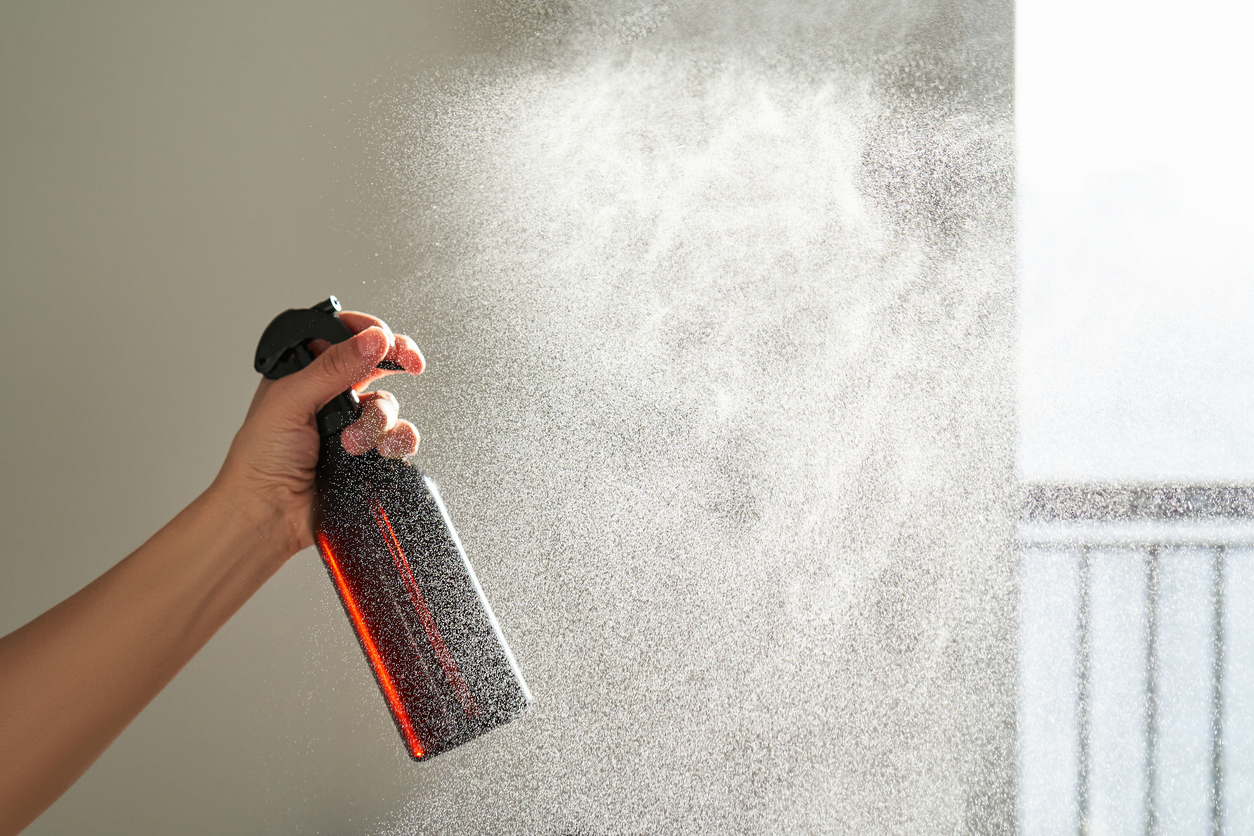
What the entrance collects every day
Shoes carry in dust and mud, the handle picks up oils from every hand that turns it, and glass panels and sidelights streak quickly. Ants are part of the picture too. University of California pest experts note that ants come indoors looking for food and water, warmth and shelter, or an escape from hot, dry weather or flooding, and that they follow scent trails. Thorough cleaning at entry points with soapy water removes the ants’ scent trail.
That’s the honest reason the vinegar spray helps: it’s a cleaning step at the exact spot ants and grime use as a doorway. The popular claim that the smell of vinegar builds a barrier that spiders and cockroaches won’t cross comes with no study behind it. The wipe matters more than the scent.
How to clean a front door with vinegar
The usual mix is 1 cup of distilled white vinegar and 1 cup of water in a spray bottle. It’s the same ratio New Mexico State University Extension gives for a homemade window cleaner, which makes it a good fit for door glass. Here is how to use it:
- Sweep first. Brush grit off the threshold and the mat so you’re not smearing it around.
- Test a hidden spot. Spray the inside edge of the door, wipe it and check the finish before you do the whole surface.
- Spray, then wipe. Mist the glass, the handle area and the kick zone at the bottom of the door, and wipe with a microfiber cloth.
- Follow the ant line. Wipe along the threshold, the bottom of the frame and any corner where you’ve seen ants walking.
- Dry everything. Finish with a dry cloth, especially on wood doors and metal hardware.
If your door or threshold can’t take an acid, skip the vinegar entirely. Plain soapy water is what the same university pest guide names for wiping out ant trails.
Where vinegar does more harm than good
Keep the spray off natural stone. Marble, limestone and travertine thresholds contain calcite, and acids like vinegar etch them, leaving dull patches. Concrete steps need the same caution: vinegar’s acidity can eat into the cement paste, leaving a rougher surface that grabs stains faster than before.
Never use vinegar in the same session as bleach. The New Jersey Department of Health warns that vinegar mixed with bleach produces harmful vapors, including chlorine and chloramine, which can burn the eyes and lungs. If you’ve bleached the porch, rinse it well with water first.
And if ants keep coming back, the spray isn’t the fix. The university guide says baits used properly are more effective and safer than sprays, and recommends caulking cracks around the foundation that let ants in.
Spray, wipe, and leave the trail nothing to follow. That’s the trick.