Putting WD-40 on Leather Furniture: What It’s For and Why Some People Do It


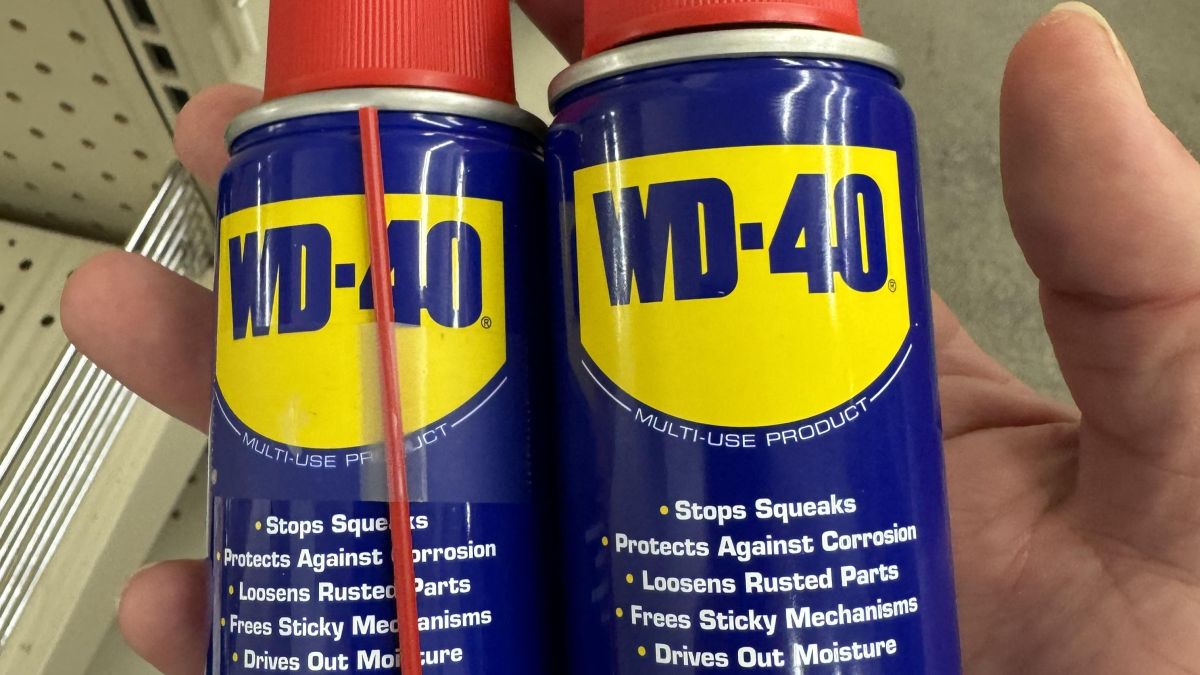
WD-40 is one of those products that stays in the garage until a door hinge starts squeaking or a bolt refuses to move. Yet some homeowners are taking the blue and yellow can into the living room and using it on leather chairs and sofas.
Rather than lubricating a mechanism, the trick uses the spray’s oily residue to change the appearance of faded leather. But what looks like an improvement at first can become a problem that is much harder to fix.
Why Some People Reach for WD-40 Instead of Leather Conditioner
Armrests, seat cushions, and backrests can develop faded patches after years of exposure to sunlight, body oils, and friction.
Using WD-40 on leather furniture is a household hack that has been promoted as a way to improve the appearance of worn upholstery.
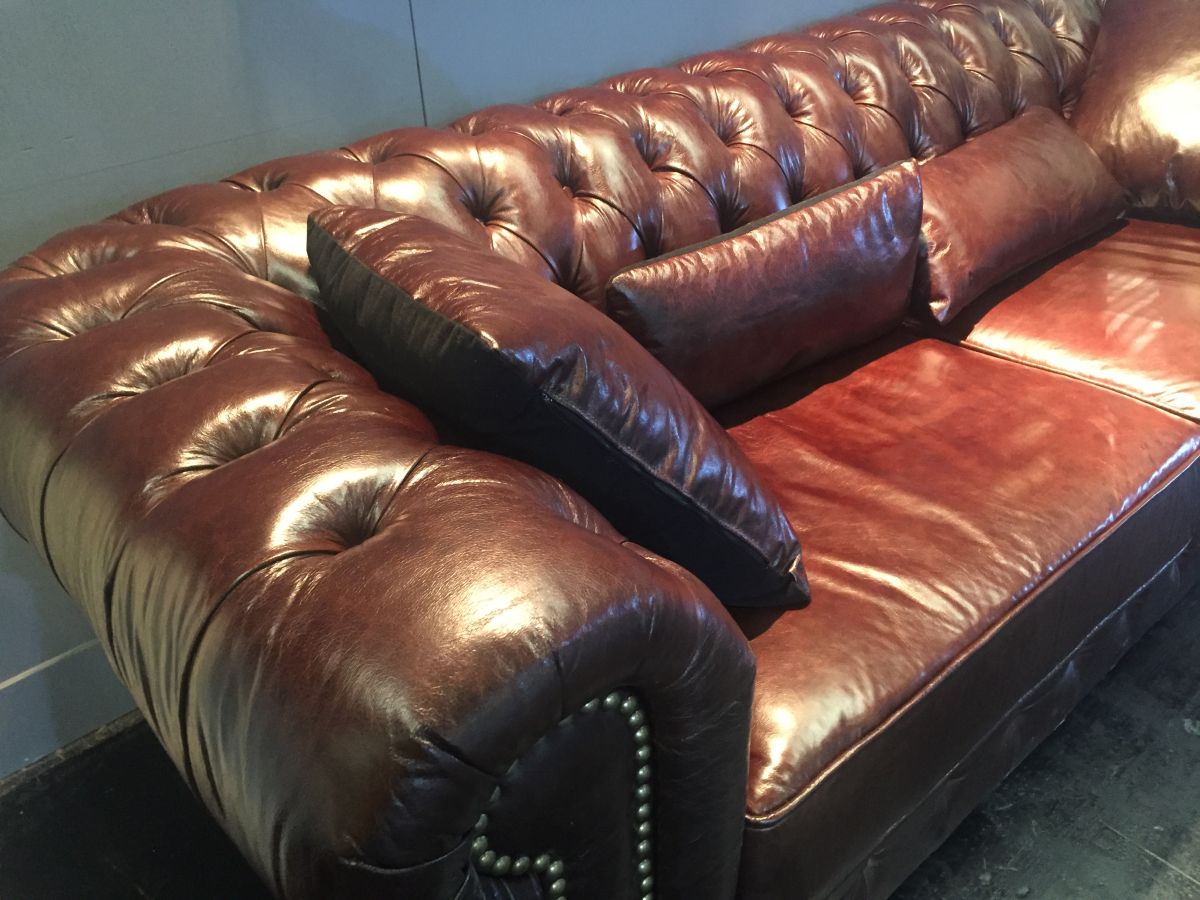
Petroleum-based ingredients in the spray leave an oily film that changes how light reflects from the surface. Brown leather can appear darker, faded patches may become less noticeable, and the upholstery can regain some of its sheen.
None of these changes, however, mean the leather has recovered its lost pigment or that damage has been repaired.
Why Two Leather Chairs Can React Differently
As I explained in my guide to cleaning leather furniture, the type of leather and its finish determine which cleaning and conditioning products are suitable.
Different types of leather have different levels of surface protection:
- Aniline leather: Has little or no protective surface coating, making it more susceptible to oil stains.
- Semi-aniline leather: Has a thin protective finish that offers some resistance to spills and staining.
- Pigmented leather: Has a protective coating that provides greater resistance to everyday wear.
WD-40 might leave a film on one chair while penetrating the surface of another. With absorbent leather, the resulting dark patches can be difficult to remove.
What Leather Care Specialists Warn About
Leather care specialist URAD advises against using WD-40 on leather upholstery, warning that unsuitable household products can cause damage over time.
American furniture manufacturer Bernhardt also advises against using oils, furniture polish, and saddle soap on leather upholstery.
An oily residue can attract dirt, create uneven discoloration, and interfere with the original finish. Even if the chair looks better after application, that does not establish that the treatment is safe for long-term use.
What Your Leather Furniture May Need Instead
Before buying a leather care product, identify what caused the change in appearance.
- Dirt and body oils: Use a manufacturer-approved leather cleaner.
- Dryness: Use a compatible leather conditioner if recommended by the furniture manufacturer.
- Faded color: Consider a leather recoloring product suited to the original finish.
Direct sunlight and exposure to heating vents or radiators can contribute to fading and drying. Moving leather furniture away from these sources can help prevent further damage.
Darker Leather Doesn’t Mean Restored Leather
WD-40 may disguise discoloration, but it cannot restore lost pigment or repair damaged upholstery. On absorbent leather, what appears to be an improvement can become a permanent oil stain.
Have you ever used anything other than leather conditioner to restore an old leather chair or sofa, and did the results last?