Putting Tape Around a Drill Bit Before Drilling: What It’s For and Why People Recommend It


Drilling into a wall to hang a shelf, planter, or picture requires the right hole depth. Drill too far, and the hole may end up deeper than the wall plug needs. Brick dust also falls onto the floor, leaving another mess to clean up after the job.
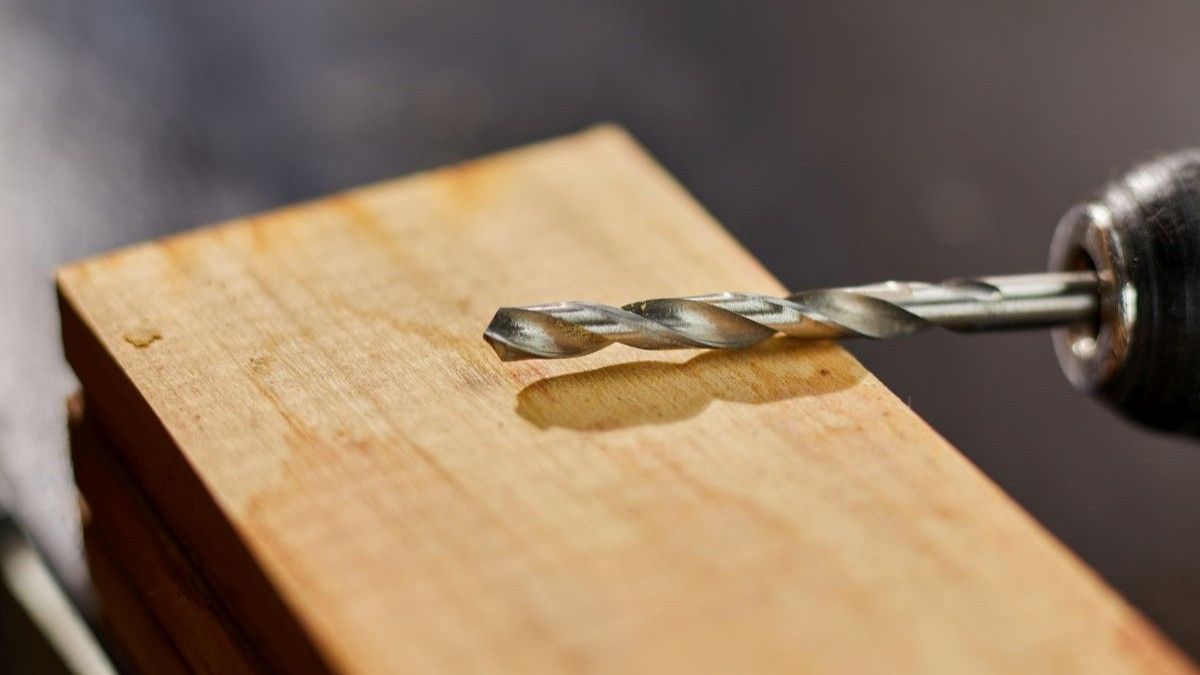
Some DIYers use a small piece of masking tape to mark the drilling depth. Instead of measuring the hole as they work, they wrap the tape around the drill bit to create a visible stopping point.
Blogger Nellymary of Just Like My Nan Made demonstrates the trick while installing wall plugs in a brick wall. Her project includes another use for tape: attaching an open envelope beneath the hole to catch falling dust.
Why Put Tape Around a Drill Bit?
Tape acts as a depth marker. Before drilling, measure the required hole depth from the tip of the bit and wrap a strip around the metal at that position.
As the bit enters the wall, the tape moves closer to the surface. When the marker reaches the wall, it indicates the intended depth.
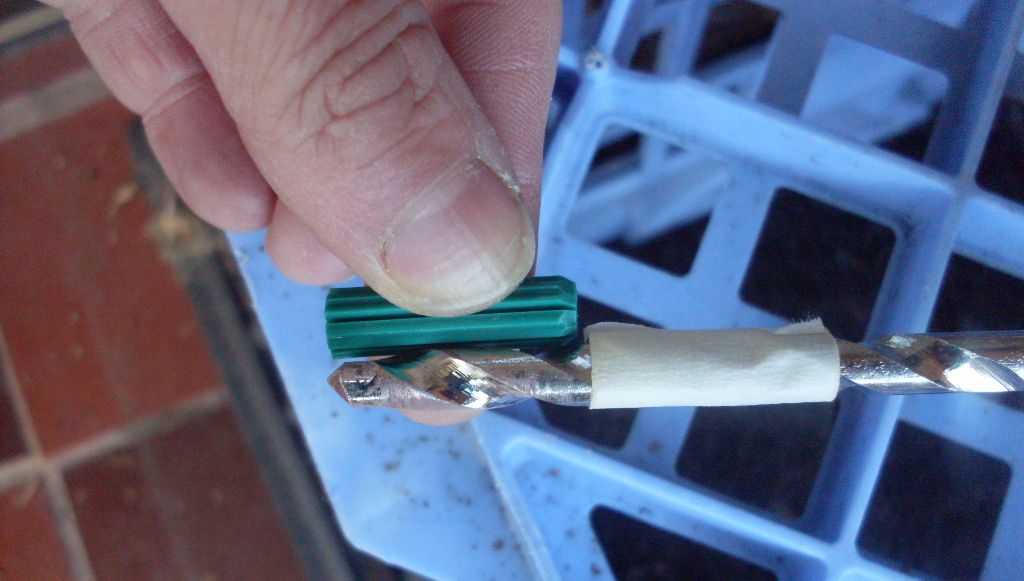
Nellymary’s photograph shows a green wall plug held beside a masonry drill bit with masking tape wrapped around its shaft. The plug provides a reference for positioning the tape before drilling.
The tape does not physically stop the drill. It gives the person operating it a point to watch, reducing the chance of making a hole deeper than needed.
How to Use Tape Before Drilling Into Brick
Start by choosing a wall plug and matching it with the correct drill-bit diameter. The required drilling depth depends on the plug or anchor being installed.
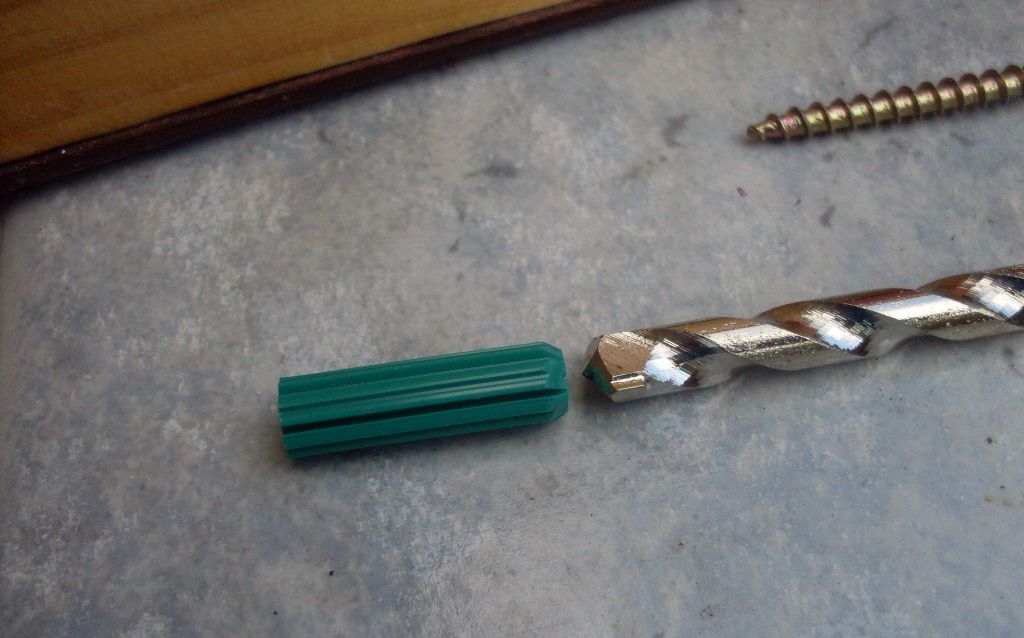
The original project shows a green plastic wall plug beside a masonry drill bit and screw.
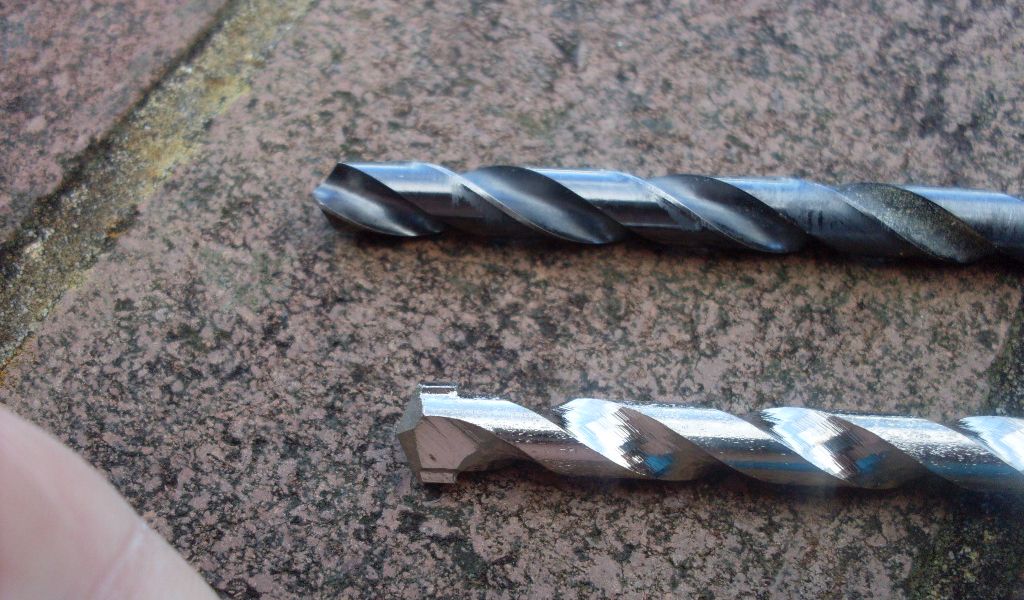
Nellymary also photographed two different drill bits. The upper bit is intended for timber, while the lower one has a carbide-style tip designed for masonry.
For brick, use a suitable masonry bit and measure the hole depth according to the fixing manufacturer’s instructions. Wrap masking or painter’s tape around the bit at that measurement, then drill until the marker approaches the wall.
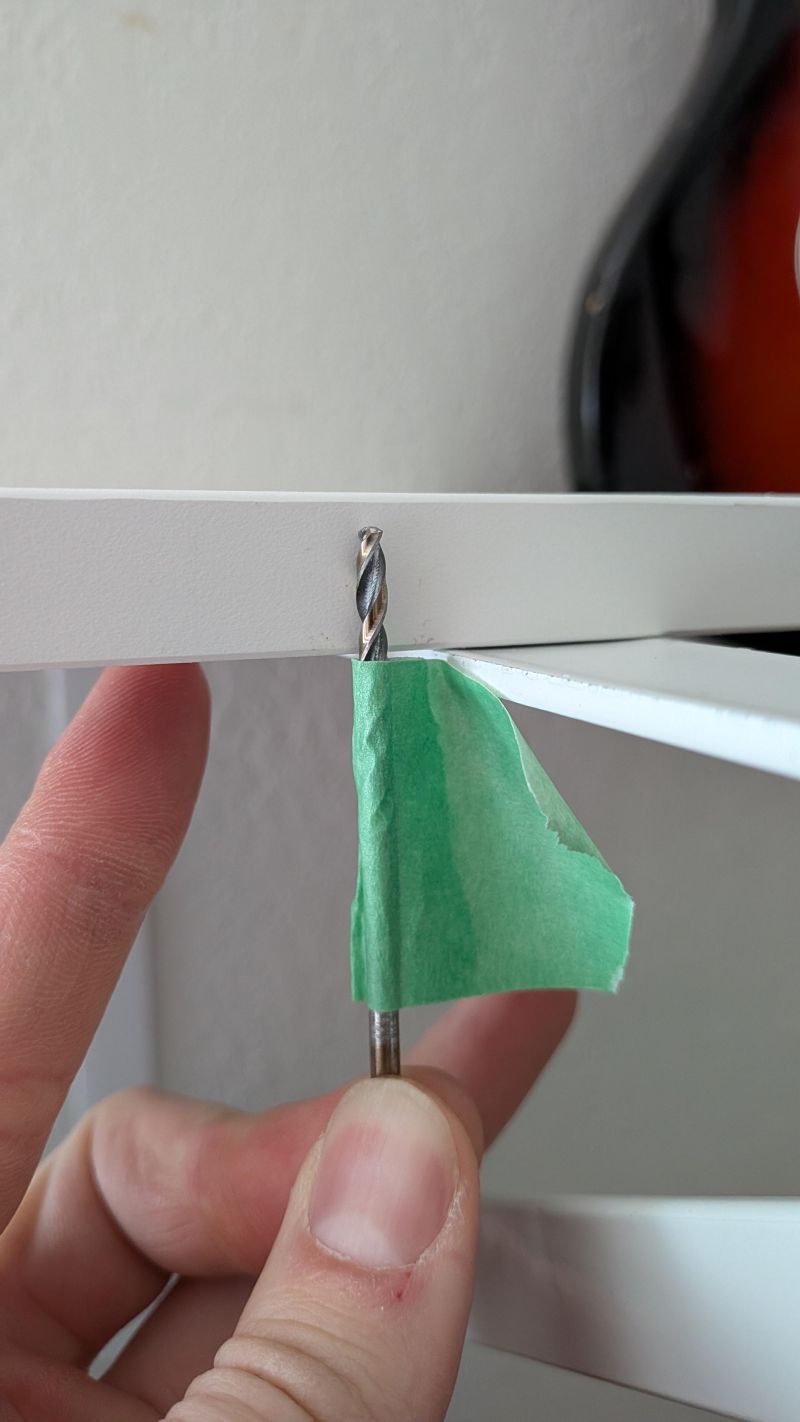
A March 2026 Reddit discussion on r/handyman attracted about 1,700 upvotes after a user demonstrated the same technique. Several commenters recommended checking the tape between holes because it can shift during repeated drilling.
Why Tape an Envelope Below the Drill Hole?
The second trick addresses the mess left behind. Drilling into brick produces fine debris that can travel down the wall and collect on flooring or furniture.
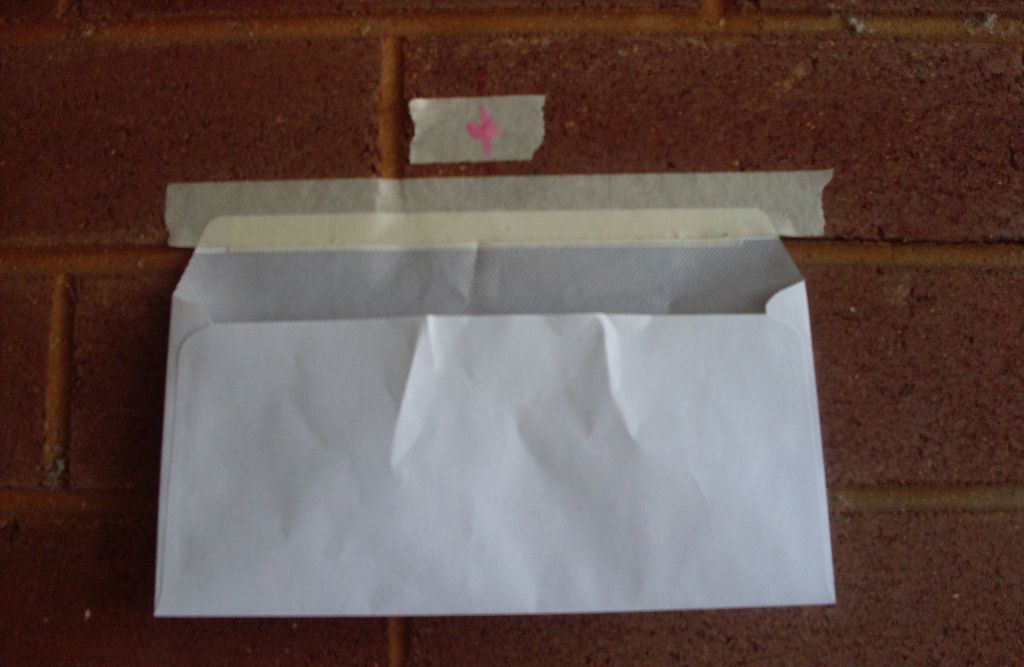
Nellymary attached an open paper envelope to the brick wall with masking tape, positioning its opening beneath the marked drilling point.
The envelope forms a pocket that catches some of the falling debris without requiring someone to hold a dustpan beneath the drill.
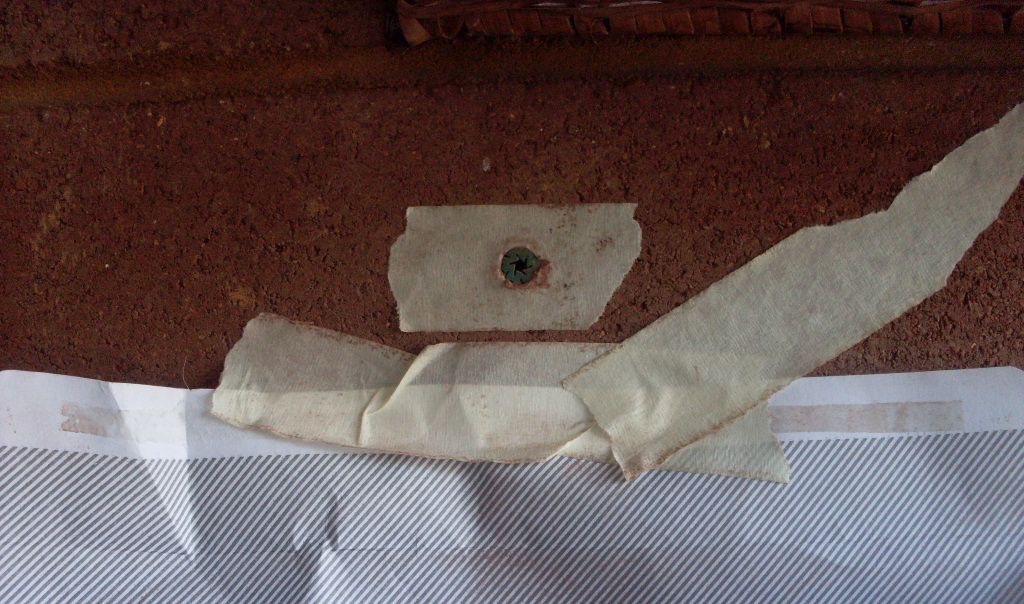
After drilling, the photograph shows the taped area and envelope used during the job. The paper can be folded inward before removal to help contain the collected dust.
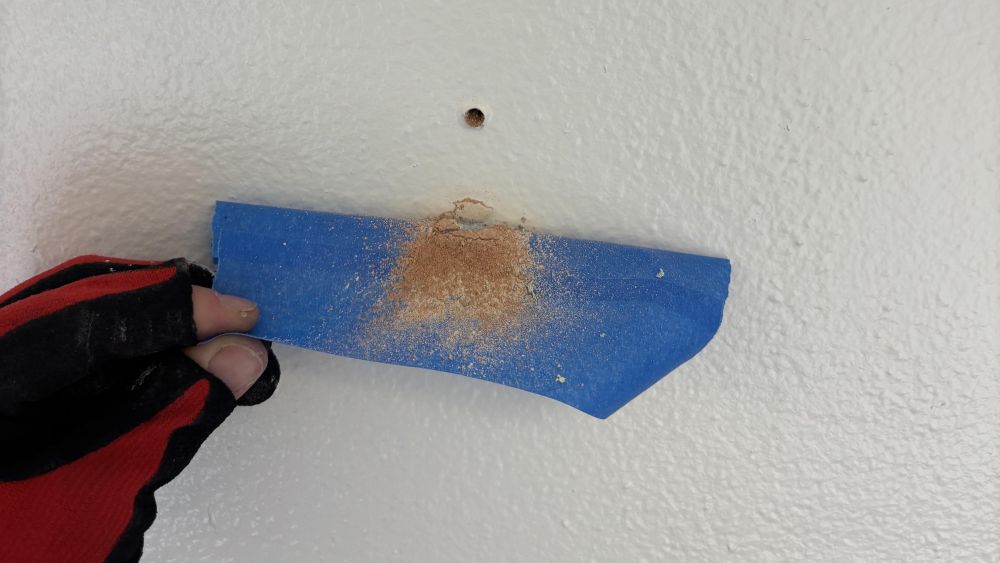
The idea also appears in more recent Reddit discussions about catching drilling dust, where homeowners describe using envelopes, folded paper, and strips of painter’s tape beneath wall holes.
What to Know Before Trying These Drilling Tricks
Tape provides a visual marker, not a guaranteed depth stop. For repeated holes or work requiring precise depth control, an adjustable drill stop or depth collar offers a more consistent reference.
An envelope can catch falling debris, but it cannot capture all airborne dust. Drilling into brick, concrete, or mortar can release hazardous silica dust, so use appropriate dust controls and protective equipment. Check for hidden electrical wiring and plumbing before drilling.
Adhesive tape also deserves attention on painted walls because removal can pull off loose finishes.
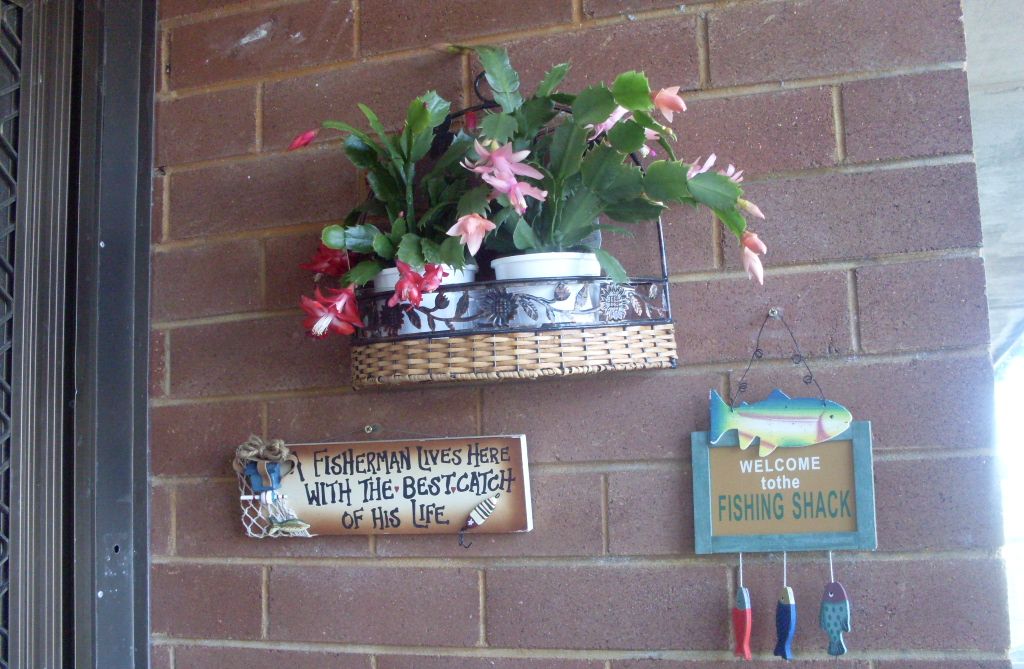
Nellymary’s finished project shows a hanging planter and decorative signs mounted against the brick wall. Her original tutorial used ordinary household supplies for two separate tasks: marking the drill depth and collecting debris beneath the hole.
Another painting trick also puts tape to an unexpected use. See why some DIYers recommend putting painter’s tape on a paint roller before painting to secure floor coverings.
Would you use an envelope to catch drilling dust, or prefer holding a vacuum beneath the hole?
Images courtesy of Nellymary, Just Like My Nan Made. Opening photograph from u/krdo13 on Reddit.