Neither Paper Towels Nor a Sponge: She Used This to Clean Up Spilled Cooking Oil From Her Countertop


Spilled cooking oil spreads across a kitchen counter, leaving a greasy surface that can take several wipes to clean. Paper towels absorb some of the liquid, but a large puddle can soak through several sheets before the mess disappears.
Instagram creator @daria_kids_usa shared a different approach, describing it as a trick her grandmother taught her. Instead of soaking up the oil, she uses baking soda to turn the spill into white clumps that can be gathered into a pile.
The demonstration shows an unexpected use for a common kitchen ingredient, although viewers questioned whether the method saves any work.
Why Put Baking Soda on Spilled Cooking Oil?
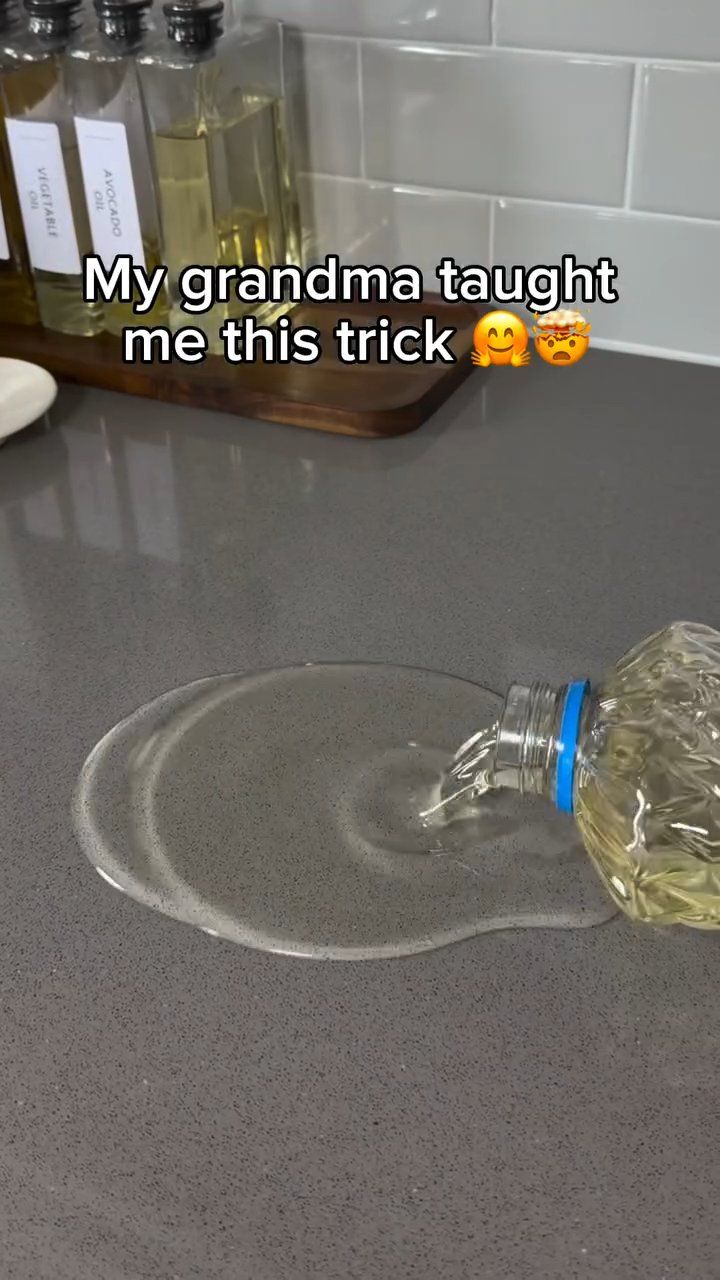
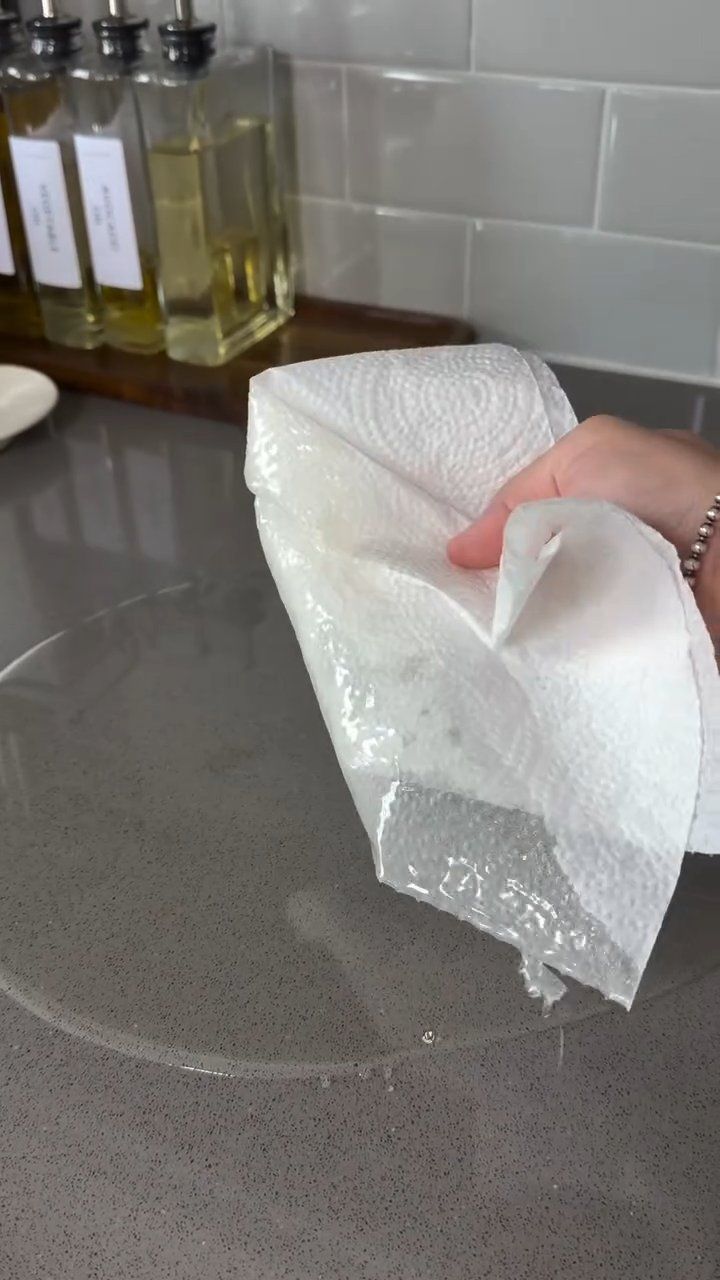
The reel begins with cooking oil poured onto a gray countertop. The creator holds a folded paper towel against the puddle, showing how the liquid transfers onto the sheet.
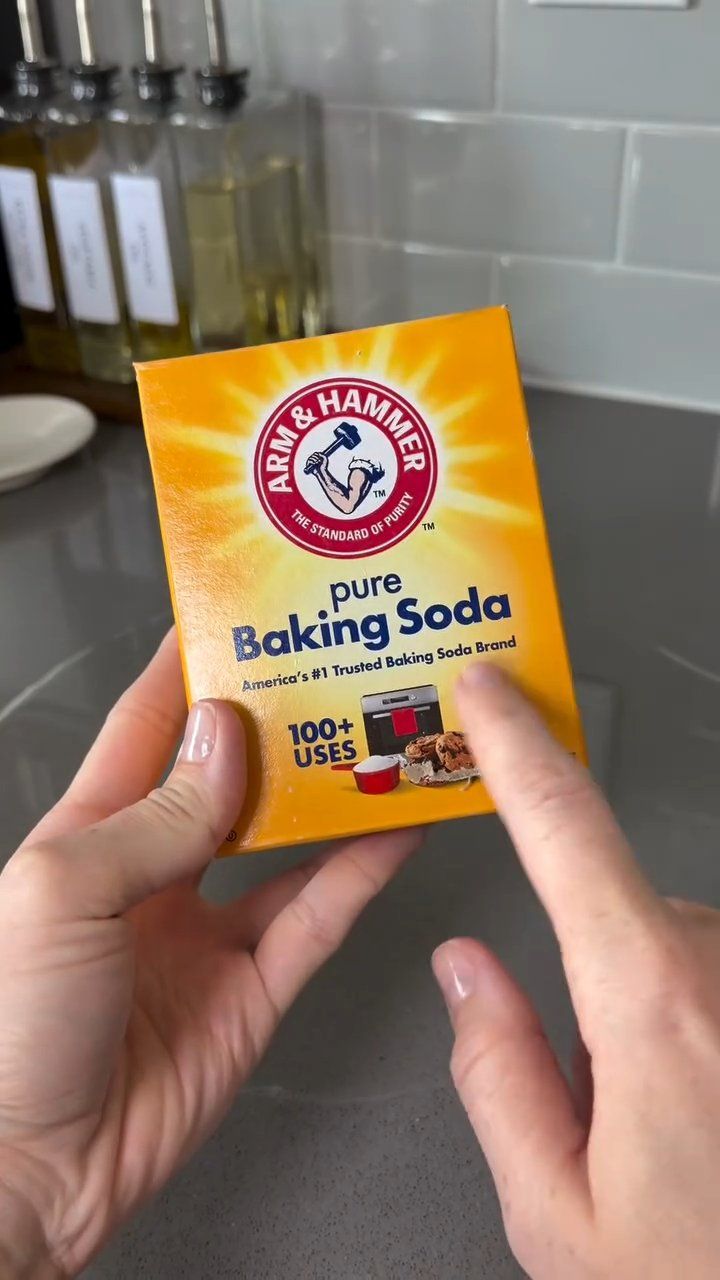
She then brings out a box of Arm & Hammer baking soda, an ingredient found in many kitchens. Rather than using it to remove a stain or neutralize an odor, she pours the powder over the cooking oil.
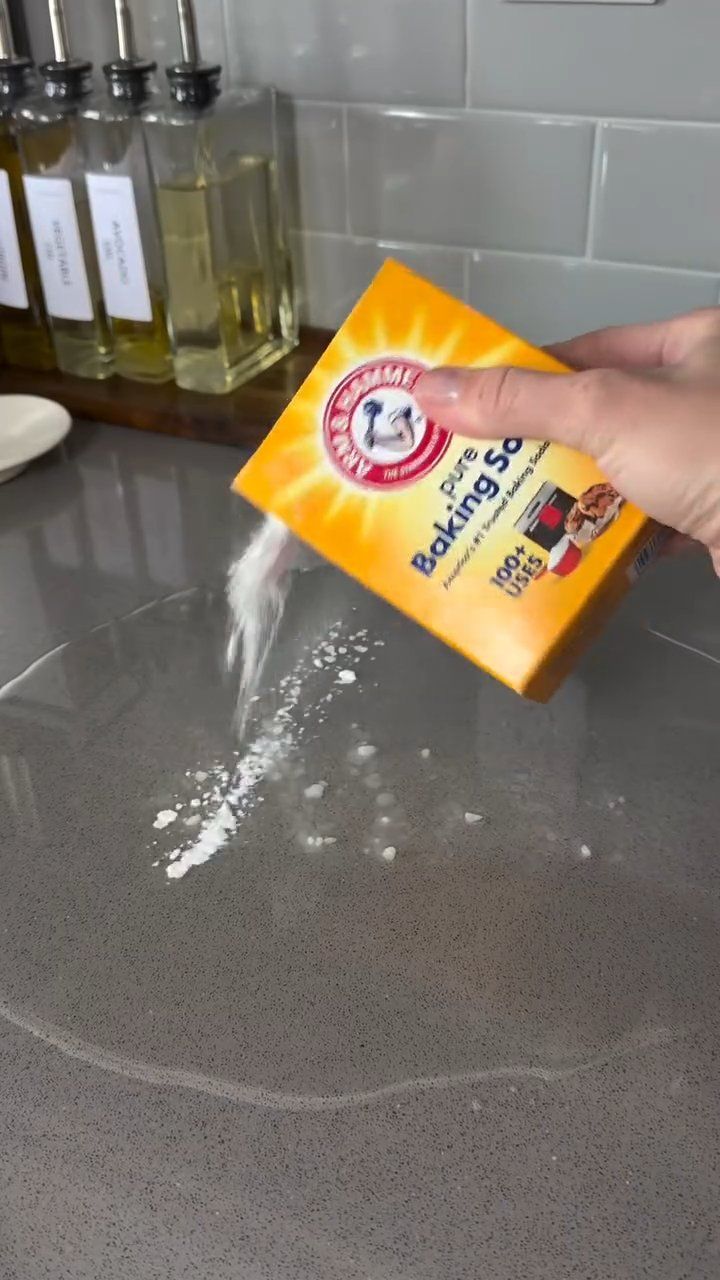
The white powder begins collecting the liquid. As the creator moves her fingers through the spill, the mixture forms lumps instead of spreading across the surface.
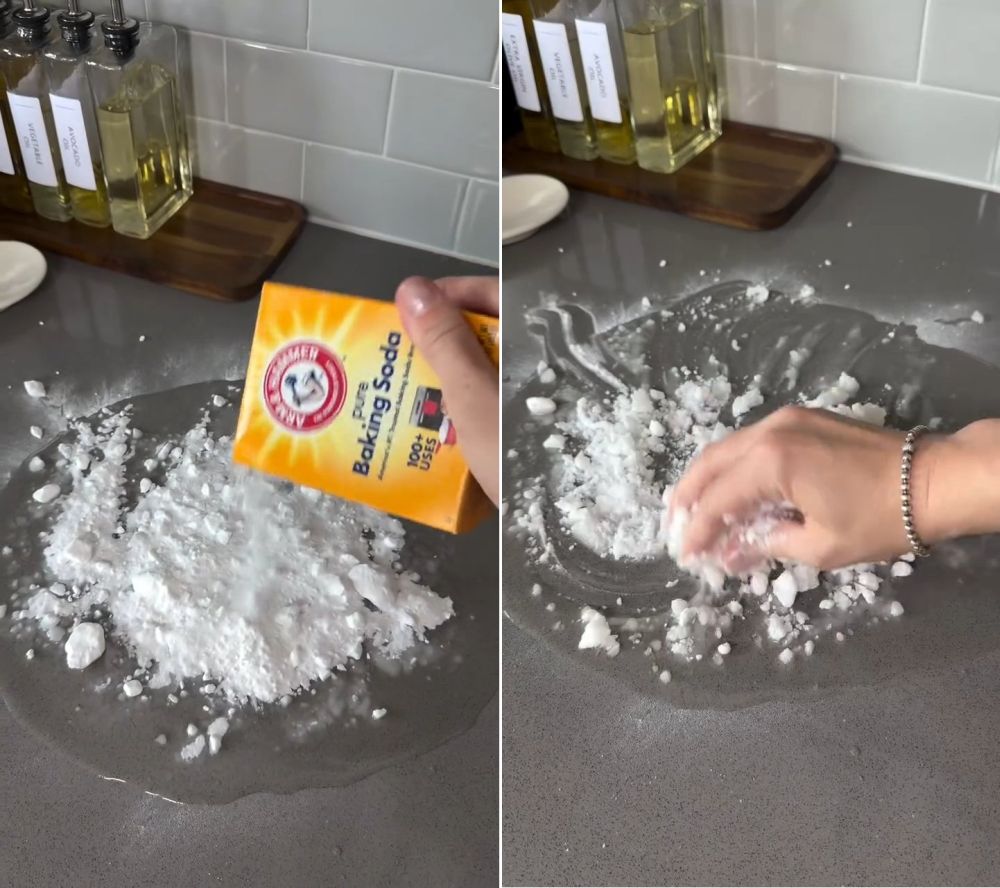
What Happens When Baking Soda Meets Cooking Oil?
Baking soda doesn’t dissolve oil or break it down like dish soap. Its fine particles trap some of the liquid, creating a thicker mixture that can be gathered rather than wiped across the counter.
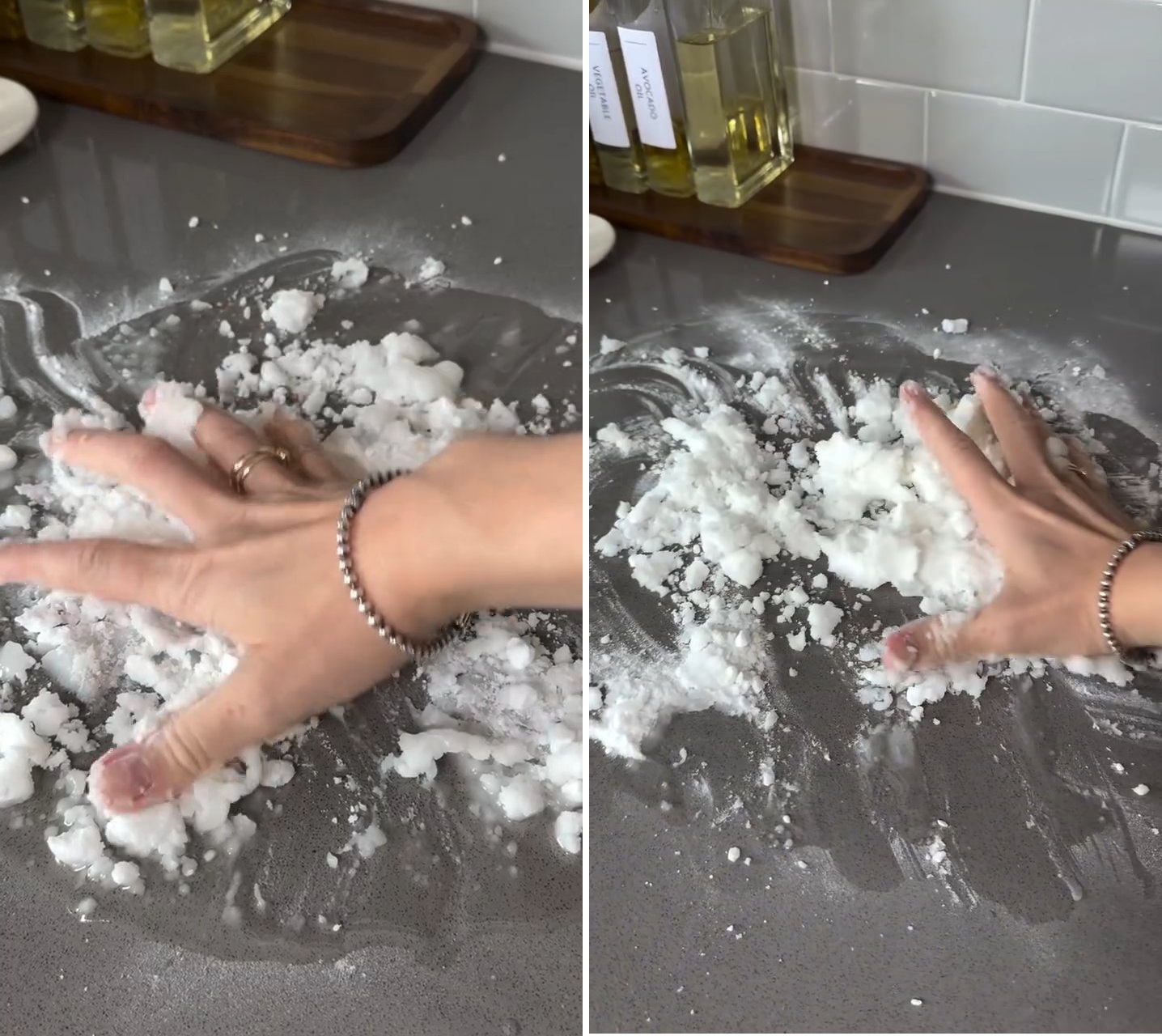
The video shows the creator pushing the white clumps together with her hands. The material holds enough oil to form small masses, leaving exposed sections of the gray surface between them.
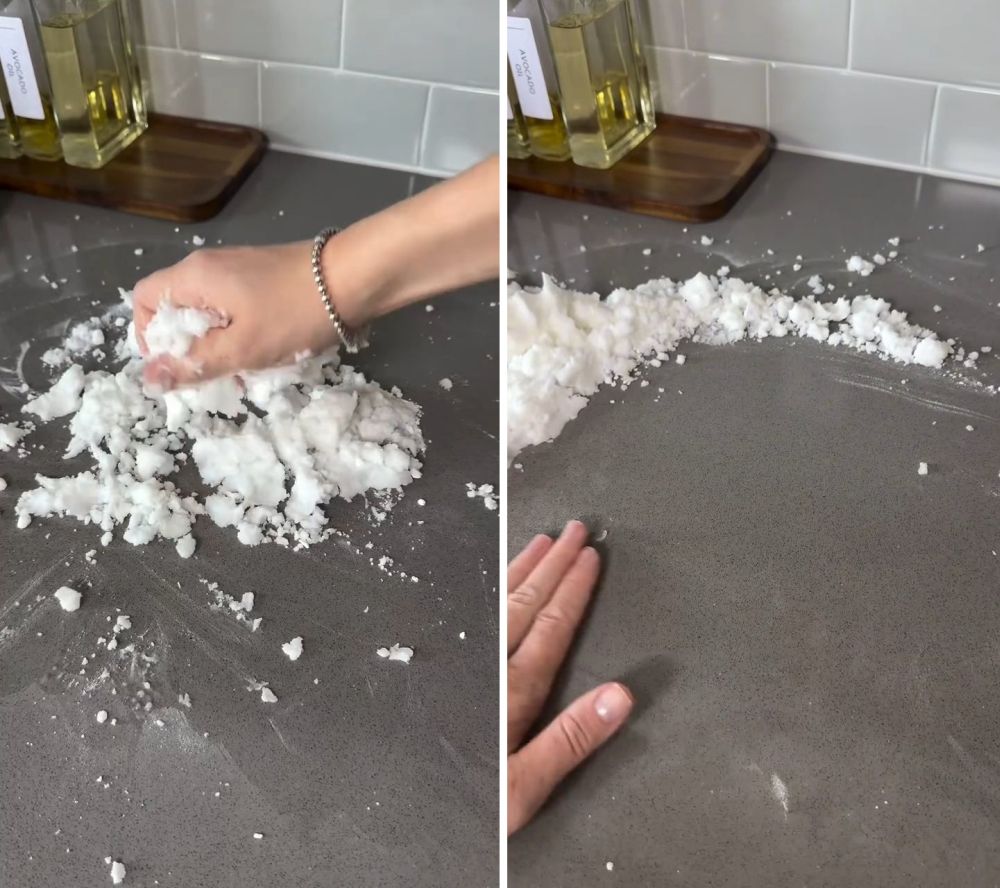
By the end, most of the mixture sits along one side of the spill. The center appears clear, but the footage doesn’t establish whether any greasy residue remains.
The result explains the appeal of the trick. A liquid that spreads across the counter becomes a material that can be picked up. Whether that reduces cleanup time is another question.
Viewers Questioned the Amount of Baking Soda Used
The Instagram reel drew criticism from viewers who considered the method wasteful.
- “Just use a towel. You just wasted a lot of baking soda,” one commenter wrote.
- Another viewer responded, “So instead of 1 mess, its 2 and takes 4 times as long to clean.”
Some suggested cornmeal or flour as alternatives. Others pointed out that the creator would still need to remove the powder and wash away any grease left on the counter.
The criticism highlights the difference between collecting spilled oil and cleaning the surface beneath it. Baking soda can turn the liquid into clumps, but it doesn’t guarantee a grease-free countertop.
For a small spill, paper towels and dish soap may require less effort. A larger puddle offers a stronger reason to use an absorbent material, although the amount of powder needed can make the approach less appealing.
The reel demonstrates a change in the oil’s consistency, not proof that baking soda cleans better than conventional methods.
Would you use baking soda to collect spilled cooking oil, or would you rather wipe it up with paper towels?