Putting Shelves Inside a Cello: What It’s For and How It Works


Before getting rid of an old musical instrument that can no longer be played, consider what happens when shelves are fitted inside its wooden body. The hollow structure of a cello offers space for storage, while its curved front can become a cabinet door.
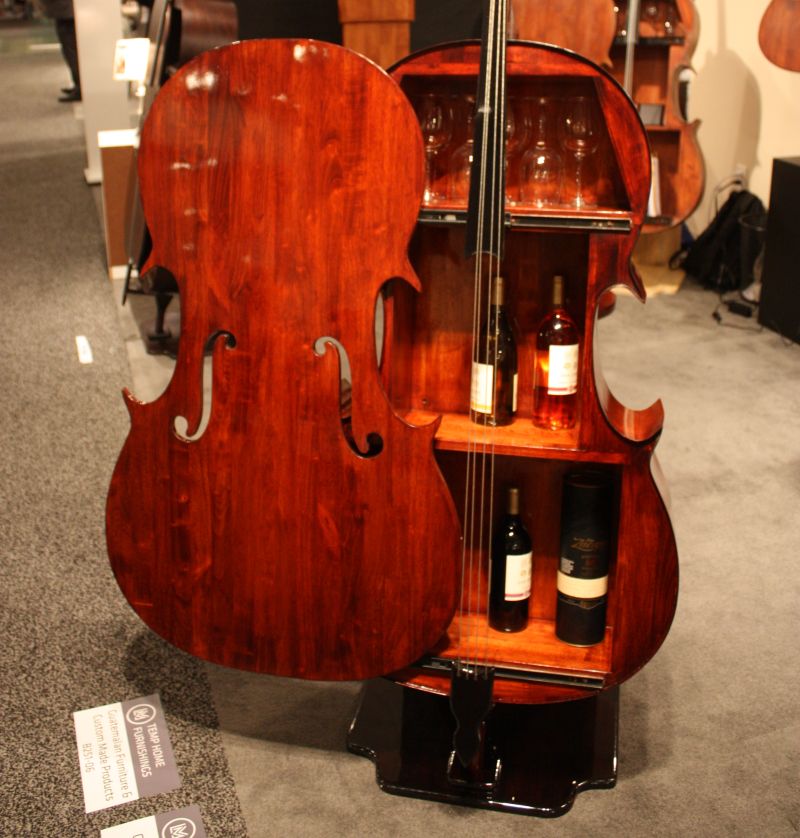
Wine bottles and glasses take the place of the components associated with producing sound, while the strings, neck and sound holes remain part of the design.
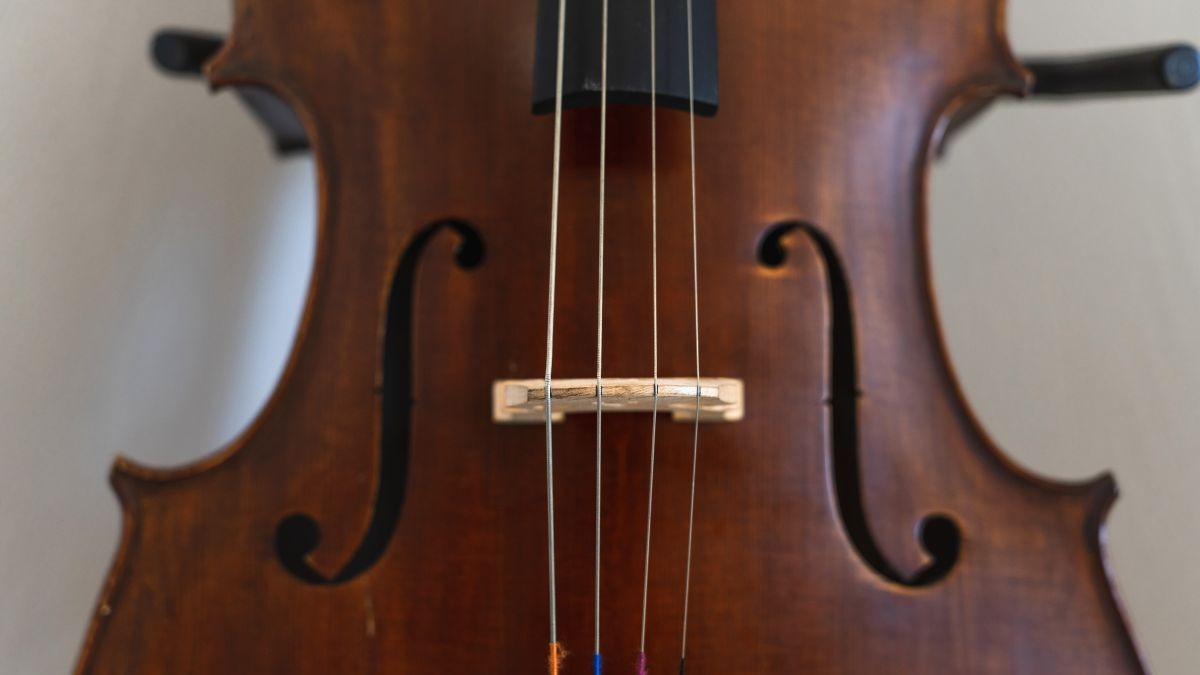
These furniture designs photographed by Homedit show how the shape of a musical instrument can serve a different purpose inside the home.
The Front of the Cello Becomes a Cabinet Door
The wooden front panel moves to one side to reveal the storage compartments. Its curved outline and F-shaped sound holes preserve the appearance of the instrument, while the neck and strings remain in front of the shelves.
A black platform supports the cabinet, allowing it to stand upright without leaning against a wall.
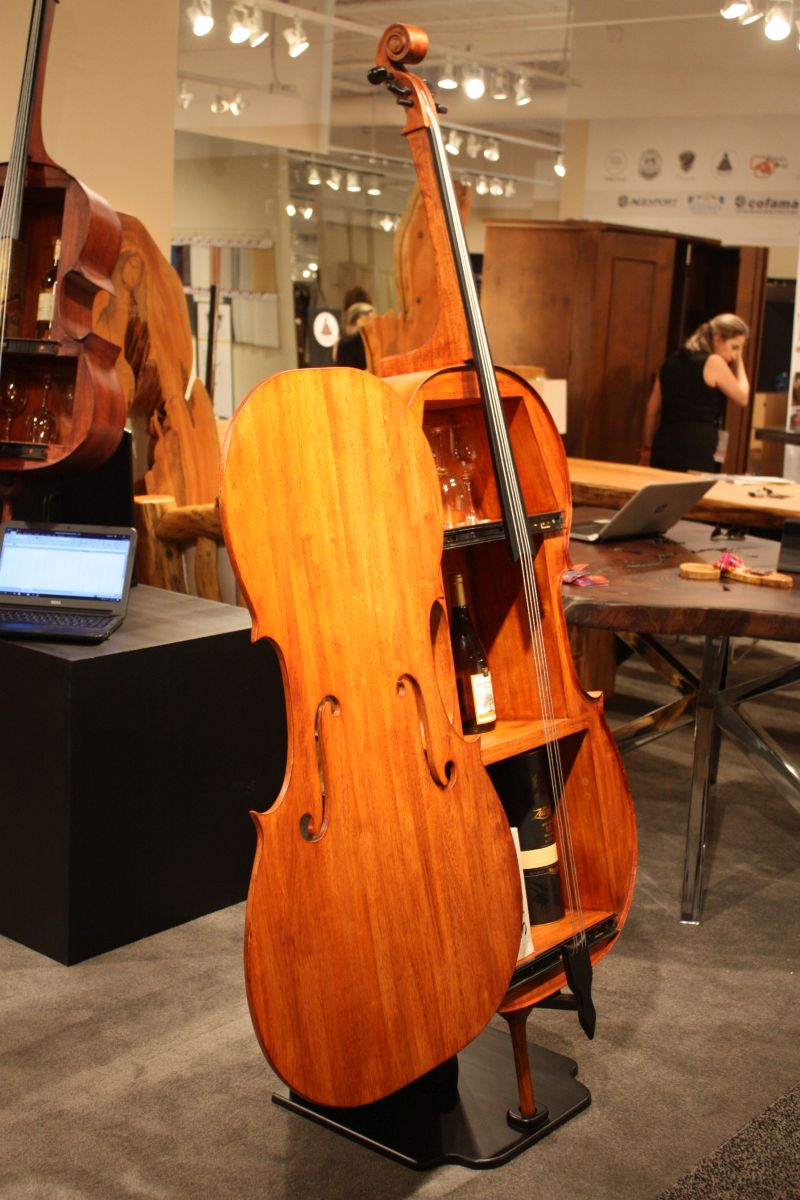
Three Storage Compartments Fit Inside the Wooden Body
Two horizontal shelves divide the interior into three sections. Wine glasses occupy the upper compartment, while the middle and lower sections provide space for bottles and taller containers.
The narrow waist and rounded lower body determine the proportions of the shelves, giving the cabinet a different configuration from traditional rectangular bar furniture.
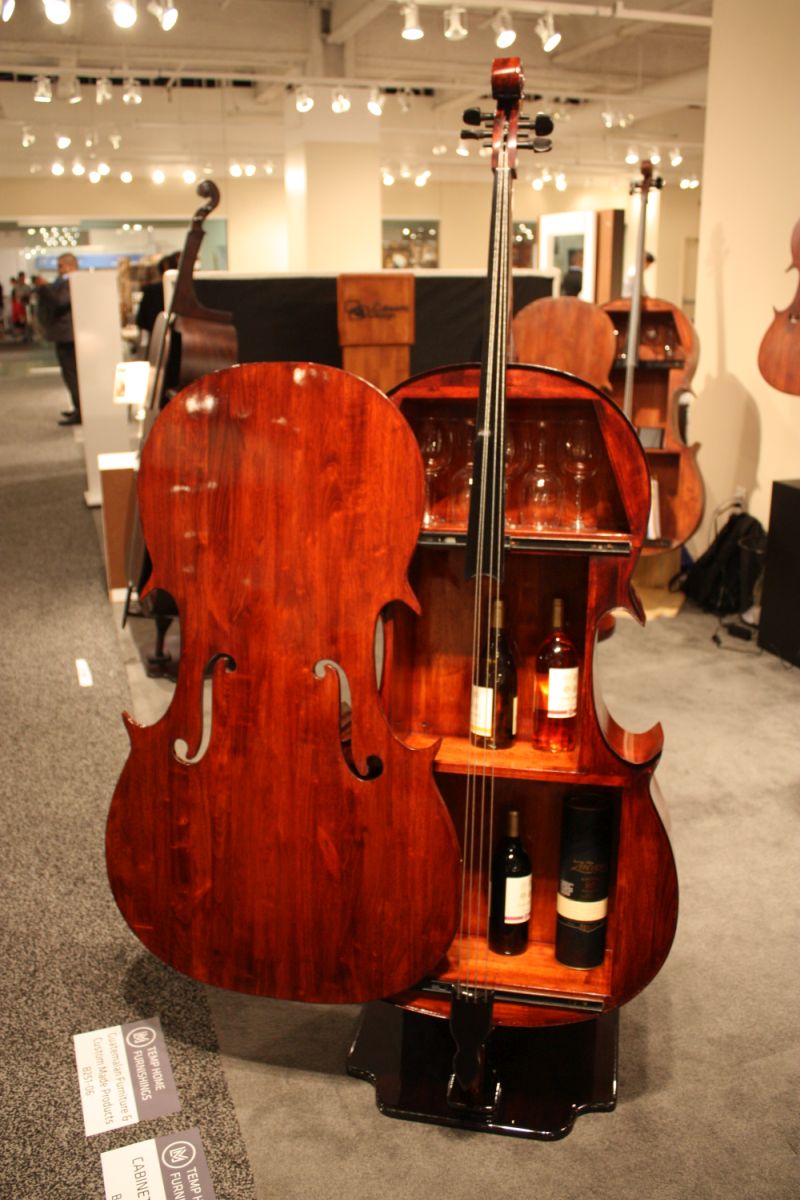
Smaller Versions Offer Storage for Bottles and Glasses
Another version features two storage compartments, with bottles positioned above a section reserved for stemware. The reddish-brown wood finish extends across the front panel and interior, keeping the appearance of a traditional string instrument.
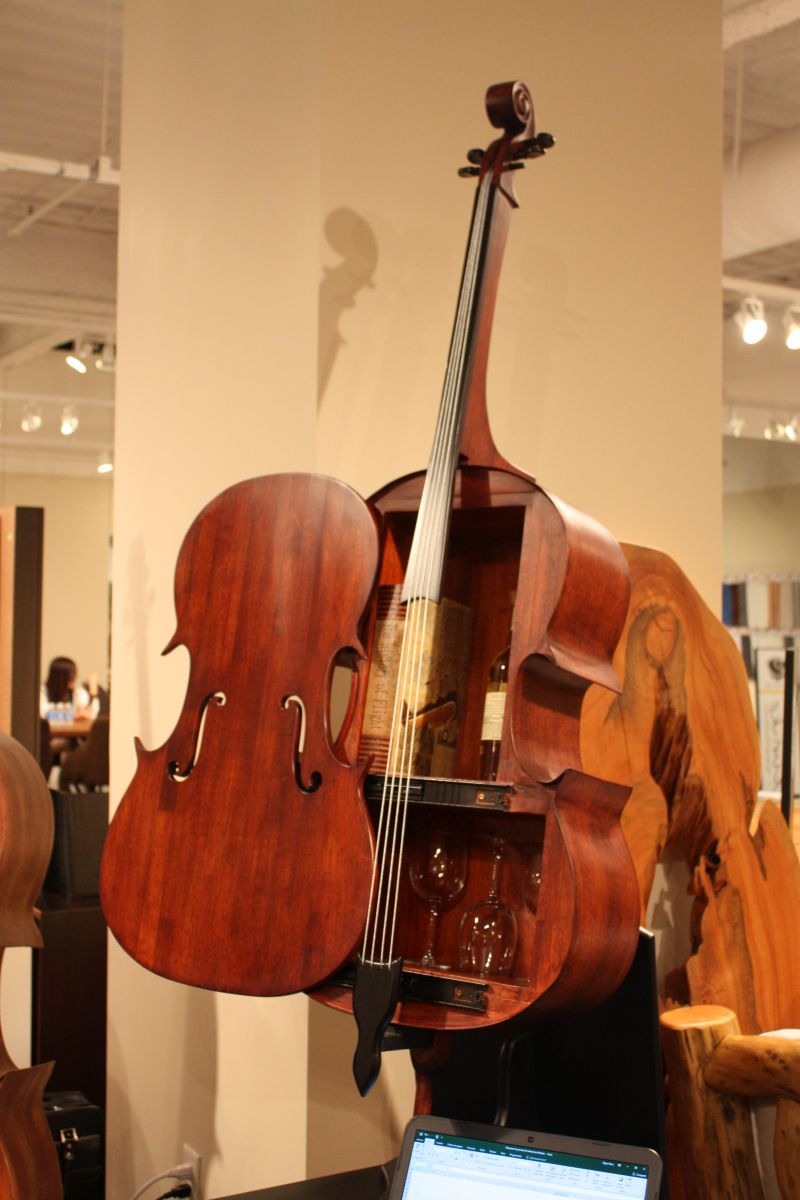
What to Know Before Repurposing an Old Cello
Not every damaged cello is beyond repair. According to Violin Gallery in Utah, restoration can address cracks in the wooden body, open seams, damaged necks and worn varnish, helping older instruments return to playing condition.
Before converting an old cello into furniture, have a luthier assess its condition and value. Instruments beyond repair offer opportunities for repurposing, while custom-built cabinets can reproduce their shape without altering playable instruments.
Other household objects can also take on unexpected roles, as seen in these table lamps that combine empty glass bottles with plumbing pipes.
Would you put a cello-shaped bar cabinet in your living room, or would you prefer a traditional wine cabinet?
Image credits: Homedit.com.
Editorial note: Whether the photographed cabinets were made from old instruments or built from scratch has not been confirmed.