Boiling 4 bay leaves with 2 cinnamon sticks: what is it for and why is it recommended



The windows have been shut for days, and the house smells like it: wet boots by the door, last night’s fish, a trash can that should have gone out yesterday. You light a candle, and an hour later the room smells like candle and fish.
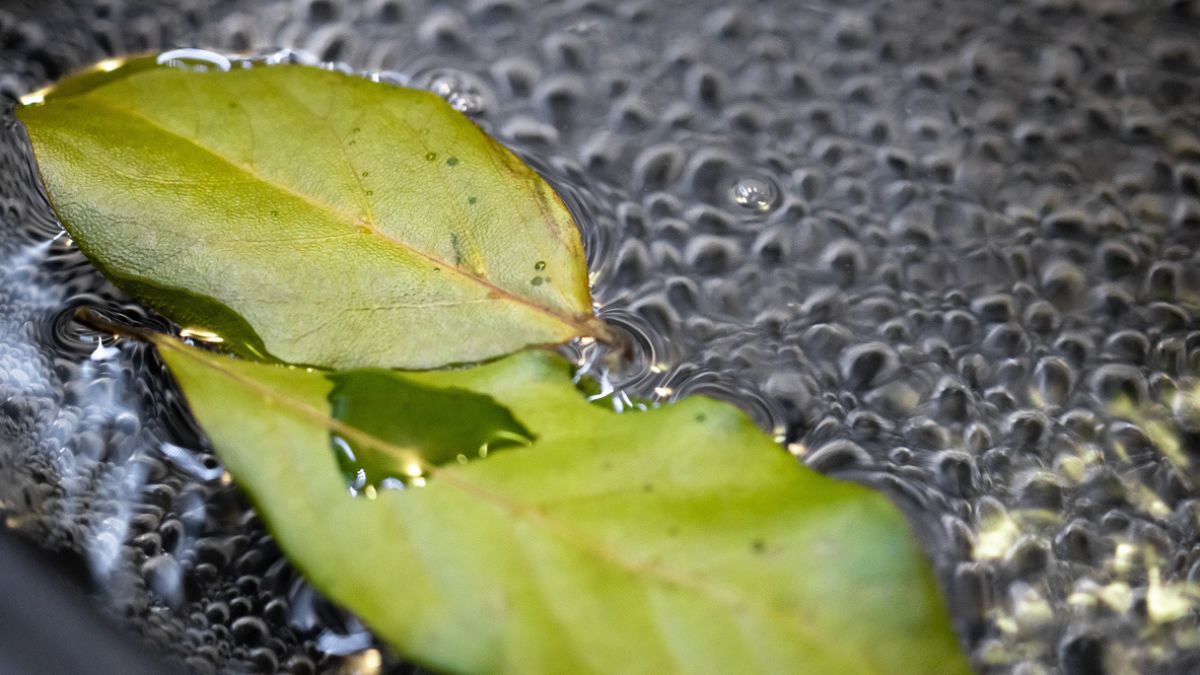
The house wasn’t the problem, the cover-up was. Four bay leaves and two cinnamon sticks in a pot of water, kept at a low simmer, spread a warm, herbal scent through the rooms on steam instead of perfume, using two things most kitchens already have in the spice drawer.
Why bay and cinnamon make a good pair ?
Bay leaves come from sweet bay, Laurus nobilis, a tree grown for its aromatic leaves. The University of Wisconsin’s extension service notes that once the leaves are dried, the oils are more concentrated. That’s good news for the half-used jar in the back of your cupboard.
Heat pulls those aromatic oils into the water, and the steam carries them from room to room as the pot slowly evaporates. Cinnamon brings the warm, sweet side of the scent; bay adds a green, slightly savory edge that keeps the mix from smelling like a bakery.
A simmering pot works best alongside a few habits that remove odors instead of covering them. Small bowls of diluted vinegar set out in a room absorb lingering smells until they dry, and baking soda pulls odors out of carpets and closets before any fragrance goes in.
Four leaves, two sticks and a pot of water
- Choose the pot. Use a stovetop-safe saucepan filled one-half to two-thirds with water. Clemson University’s extension service suggests skipping reactive metals like aluminum, which can affect the fragrance.
- Add the spices. Drop in 4 dried bay leaves and 2 cinnamon sticks. No other ingredients needed.
- Bring it up, then down. Heat the water to a gentle simmer, then lower the burner until the pot just steams.
- Check it every 30 minutes. Iowa State University Extension suggests adding water about every half hour so the pot never boils dry.
- Save the spices. Iowa State notes the ingredients can be refrigerated for a few days and simmered again. Clemson suggests replacing them after a few refills, once the scent fades.
Plan B, if you won’t be in the kitchen: move the leaves, sticks and water to a slow cooker. Iowa State’s method is to fill it at least half full, heat it covered on high, then take off the lid and switch to low once it steams, adding water so it stays at least halfway full.
What to watch while the pot steams
A simmer pot is still a pot on a burner. The federal Ready.gov campaign advises people to turn off the stove if they leave the kitchen for even a short period of time, and to keep combustible materials away from heat sources. Set the pot on a back burner if children or pets are around, and keep dish towels and potholders off the stovetop.
Water level is the other thing to watch. Once the pot boils dry, the spices scorch, the pan can be damaged, and the smell that follows is worse than the one you started with. A kitchen timer set for 30 minutes takes care of it.
Keep expectations realistic, too. Bay and cinnamon add scent; they don’t remove what’s causing a bad smell. If an odor keeps coming back, look for its source, whether that’s a drain, the trash can or something forgotten in the fridge.
Two spices, one low burner and a timer for the water. That’s the trick.