Neither Flagstone Nor Gravel: She Used Stenciled Concrete Blocks to Make a Garden Walkway


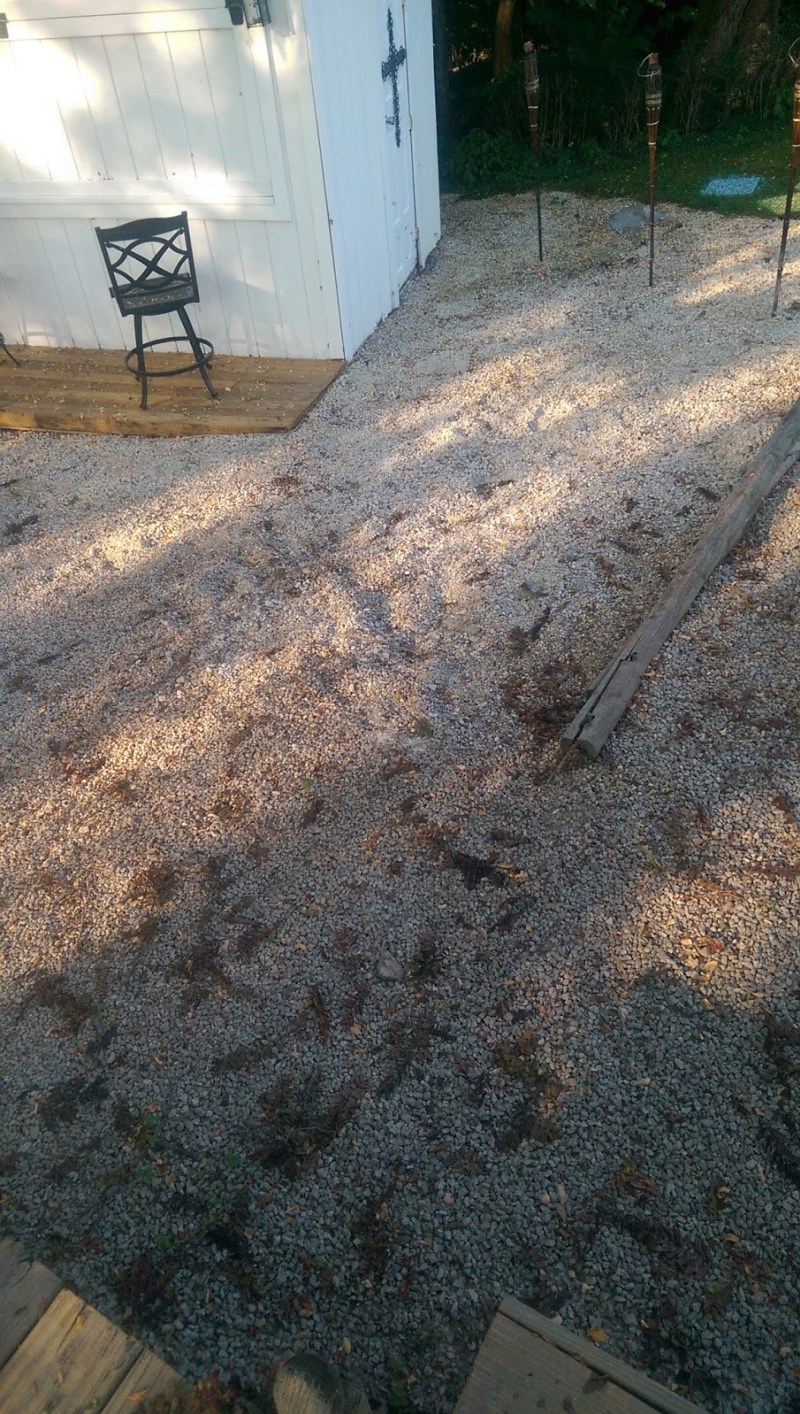
Rocks covered the ground between a campground deck and a small bar shed, but there was no defined walkway connecting the two. Flagstone or decorative stepping stones could have created a path, though plain concrete blocks offered another option without installing new paving.
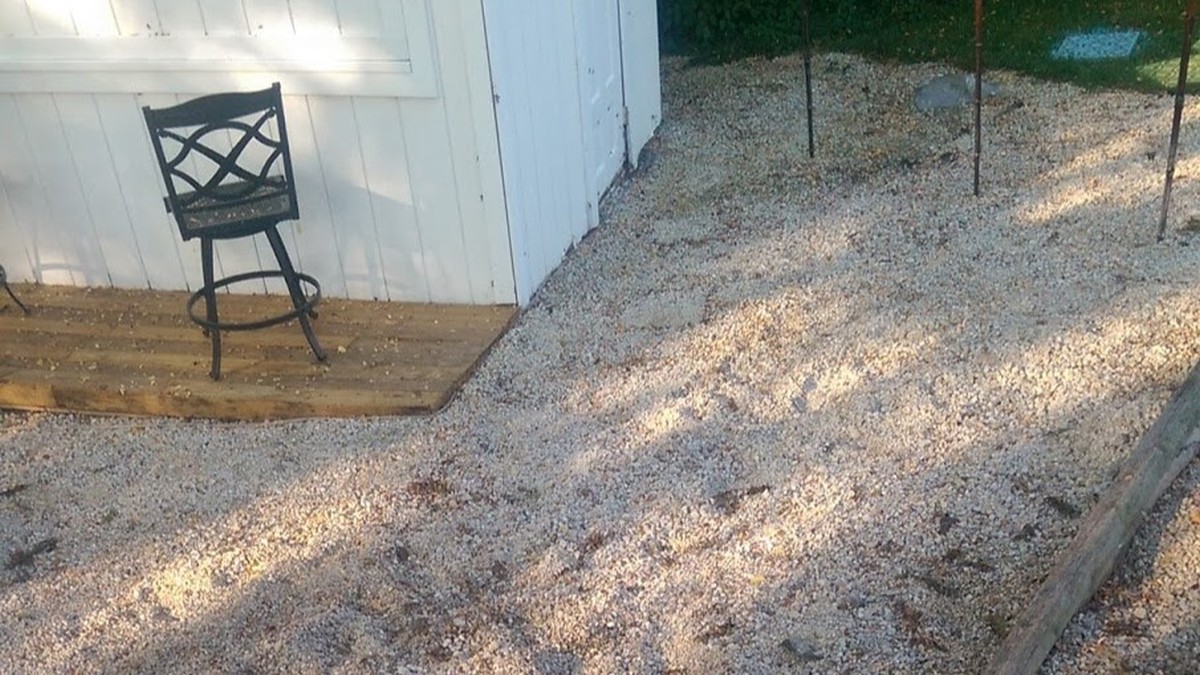
Natasha, the DIY creator behind The Smart Momma, bought concrete blocks for about $3 each and used a craft stencil with spray paint to give them a decorative pattern. Instead of leaving the blocks with their original gray finish, she turned them into patterned stepping stones.
Once the paint dried, she arranged the blocks across the existing rocky ground to create a walkway leading to the bar shed. The project required no concrete pouring, and the painted design gave each block the appearance of a decorative outdoor tile.
Plain Concrete Blocks Replaced Decorative Stepping Stones
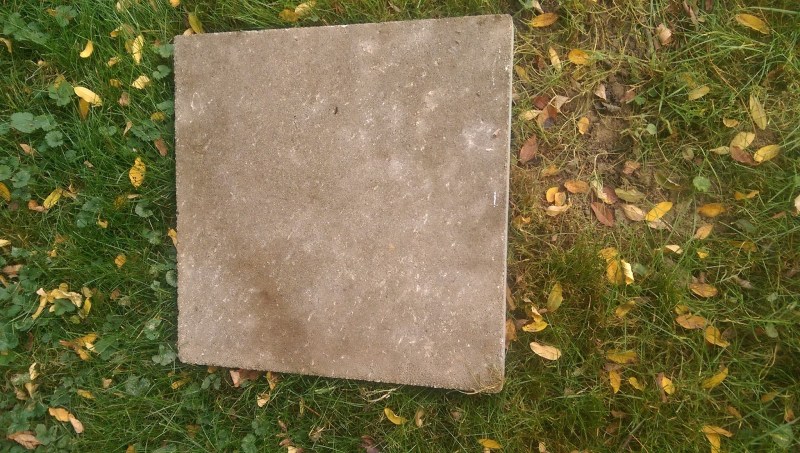
The project started with basic concrete blocks purchased for about $3 each. Their flat rectangular surfaces provided enough space for a large stencil, with no cutting or reshaping required.
The blocks were intended to sit on the rocky ground already covering the campground yard, rather than form a continuous paved surface.
A Craft Stencil Created the Pattern
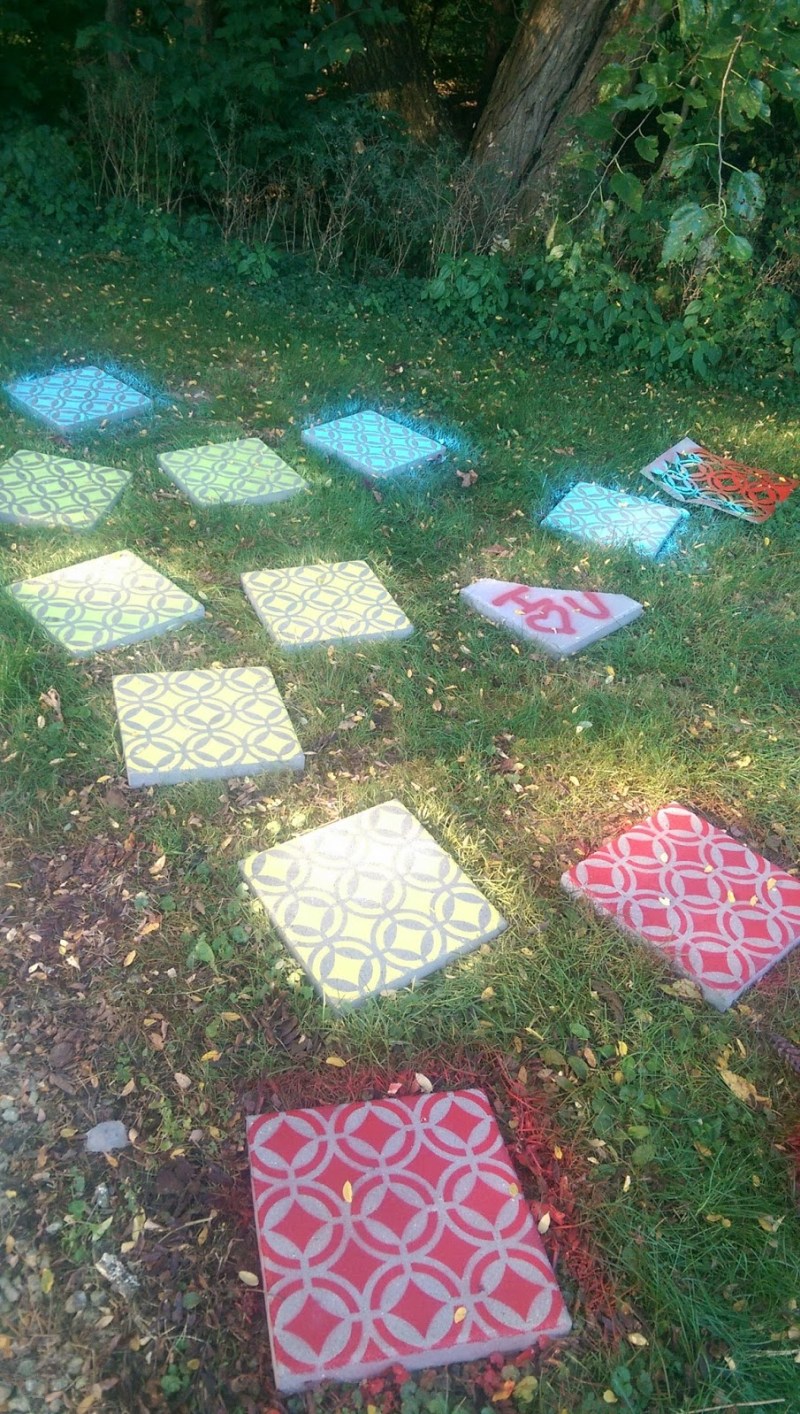
A large stencil from Hobby Lobby supplied the design. The creator purchased it for about $10 after using a 40% discount coupon and bought several cans of spray paint from Walmart.
The stencil was centered on each block before paint was applied through its openings. This left a geometric pattern on the concrete without requiring hand-painted lines.
Spray Paint Turned the Blocks Into Decorative Tiles
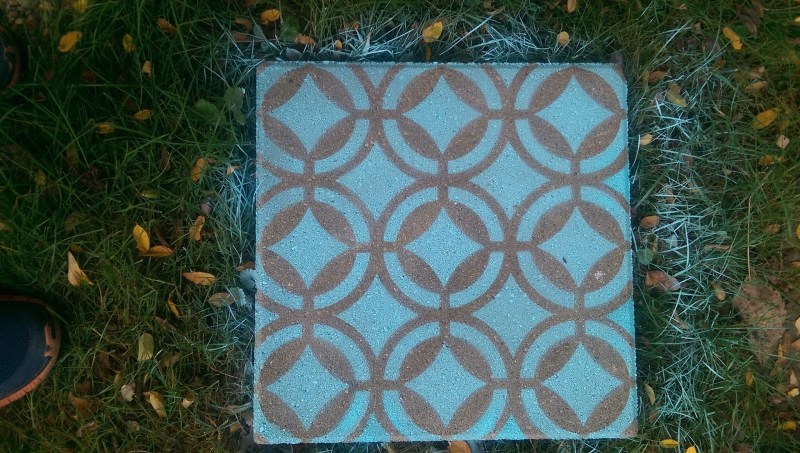
The finished blocks feature an ornamental pattern formed from overlapping circles and curved shapes. The paint contrasts with the exposed gray concrete, making the design visible across each stepping stone.
The stencil allowed the same motif to be repeated on multiple blocks, giving the walkway a consistent pattern without buying manufactured decorative pavers.
The Stepping Stones Were Set Over the Existing Rocks
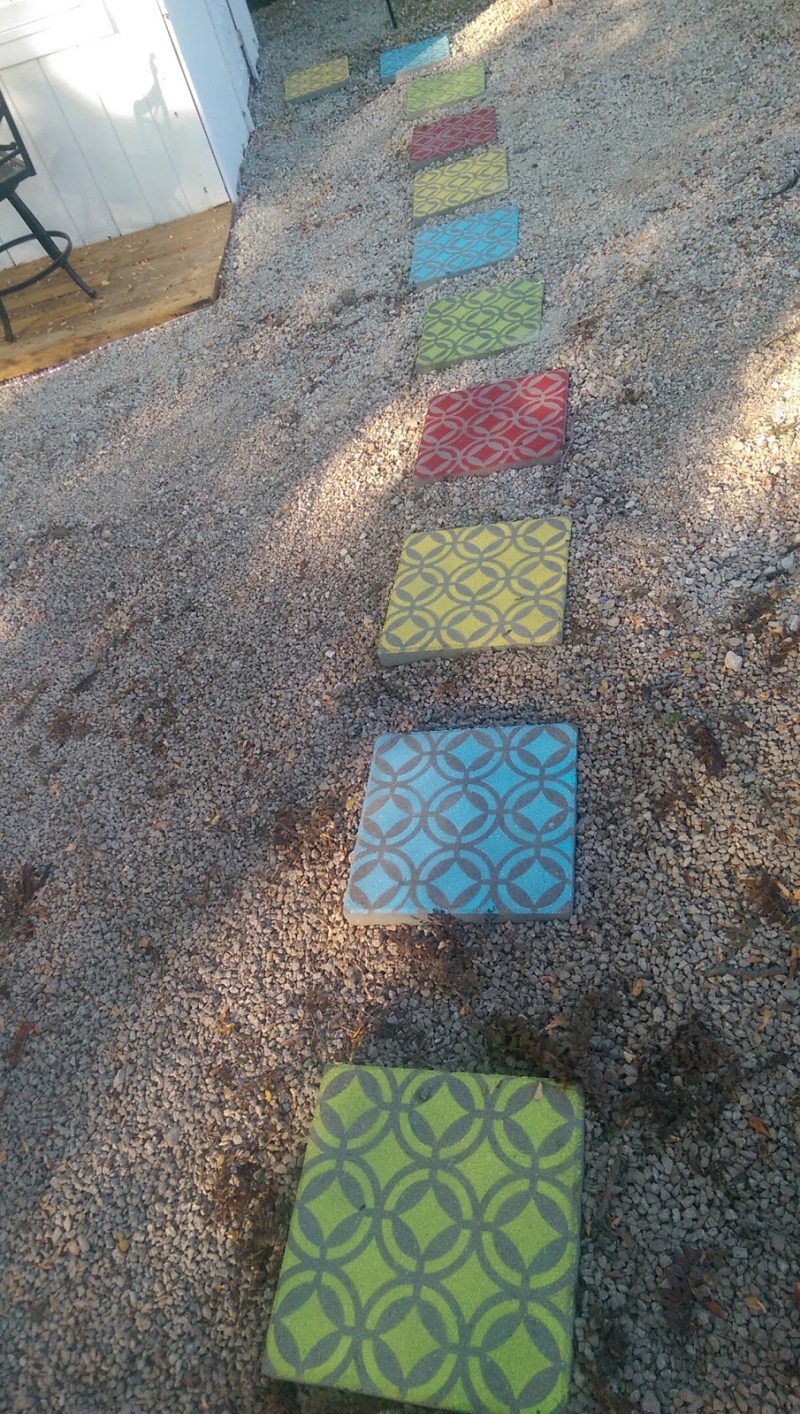
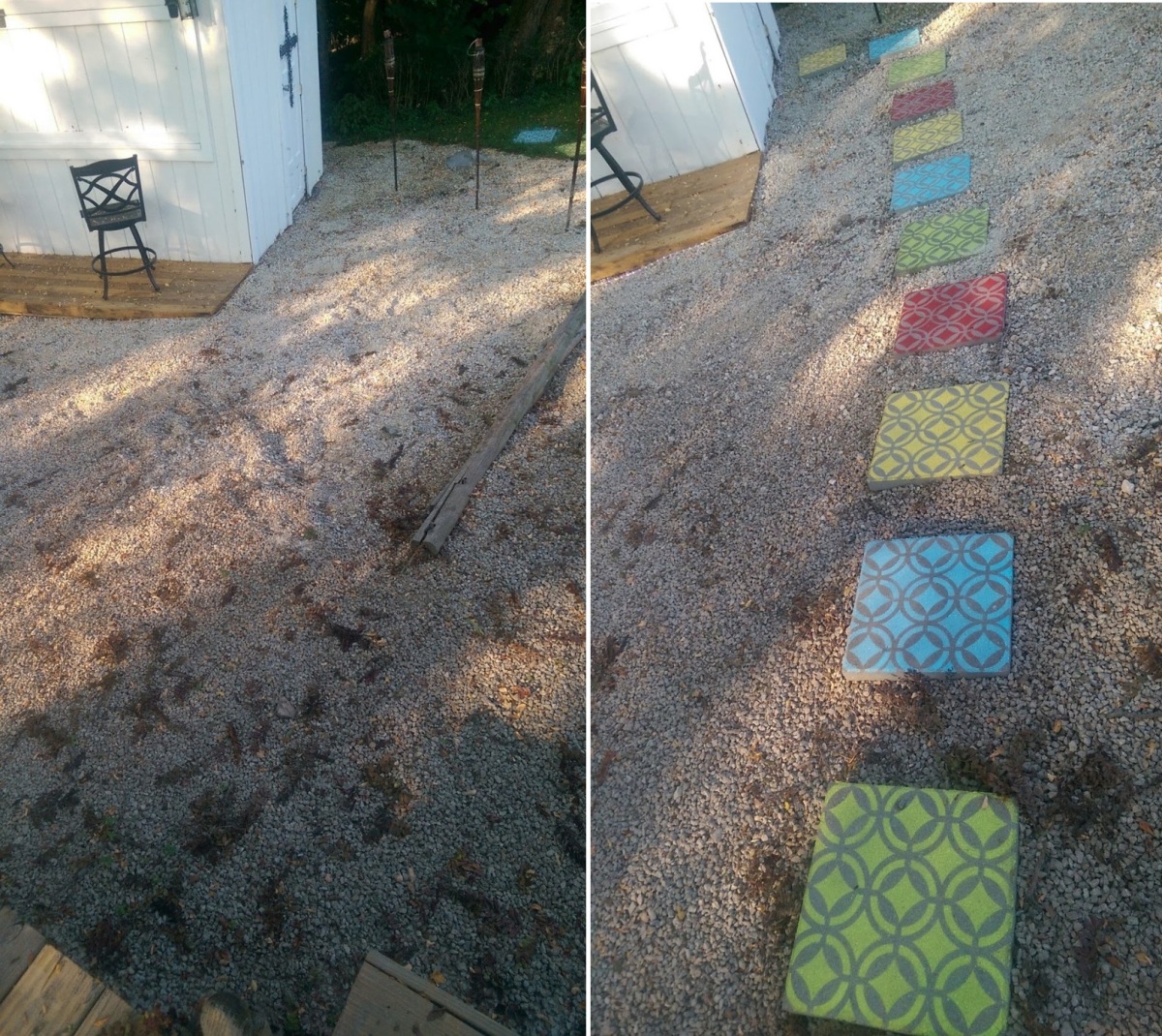
After the paint dried, the blocks were placed across the rocky ground to connect the deck with the bar shed.
The path consists of separate stepping stones with gaps between them, rather than a solid paved walkway. The original post does not describe digging trenches, installing a compacted base, or securing the blocks with mortar.
For a similar project, each block should sit on a firm, level surface to prevent movement underfoot.
Clear Spray Coating Protected the Painted Design
When a reader asked whether the stepping stones needed waterproofing, the creator confirmed that she used clear gloss spray paint to seal them.
The original post does not report how the painted blocks performed after years of outdoor exposure. Anyone recreating the project should check that the paint and sealer are suitable for exterior concrete and walking surfaces, since some coatings can become slippery when wet.
Other DIY Projects Using Concrete Materials
Concrete blocks and pavers can serve purposes beyond walkways. In another project, patio pavers were turned into concrete planters, using the pieces to construct garden containers instead of paving a surface.
The same DIY creator also tried a different painting technique on her front entrance. Instead of laying stone pavers, she turned a concrete mold upside down and spray-painted her porch, creating a stone pattern on the existing slab.
Would you use stenciled concrete blocks for a garden walkway, or choose natural flagstone?
Image credits @thesmartmomma