Man Uses Old Wood Pallets to Build a Backyard Drink Cooler That Looks Like Rustic Furniture


Discarded shipping pallets don’t look like materials for backyard furniture, and a blue plastic cooler isn’t something most people want at the center of an outdoor gathering. One DIY builder found a way to combine them, hiding the cooler inside a wooden cabinet with a hinged lid, wide serving surface, and built-in bottle opener.
David Wirth, who documented the project on his “davewirth” blog, dismantled several wood pallets and used their boards to construct a rustic cooler stand. The original Coleman cooler sits inside the wooden enclosure, with enough room around its handles to lift it out when needed.
The finished stand resembles a small piece of reclaimed-wood furniture, with four thick legs, a raised wooden lid, and a bottle opener mounted on the front. Guests can open the top to reach cold drinks, while the plastic cooler remains available for camping trips and other outings.
Old Wood Pallets Supplied the Boards
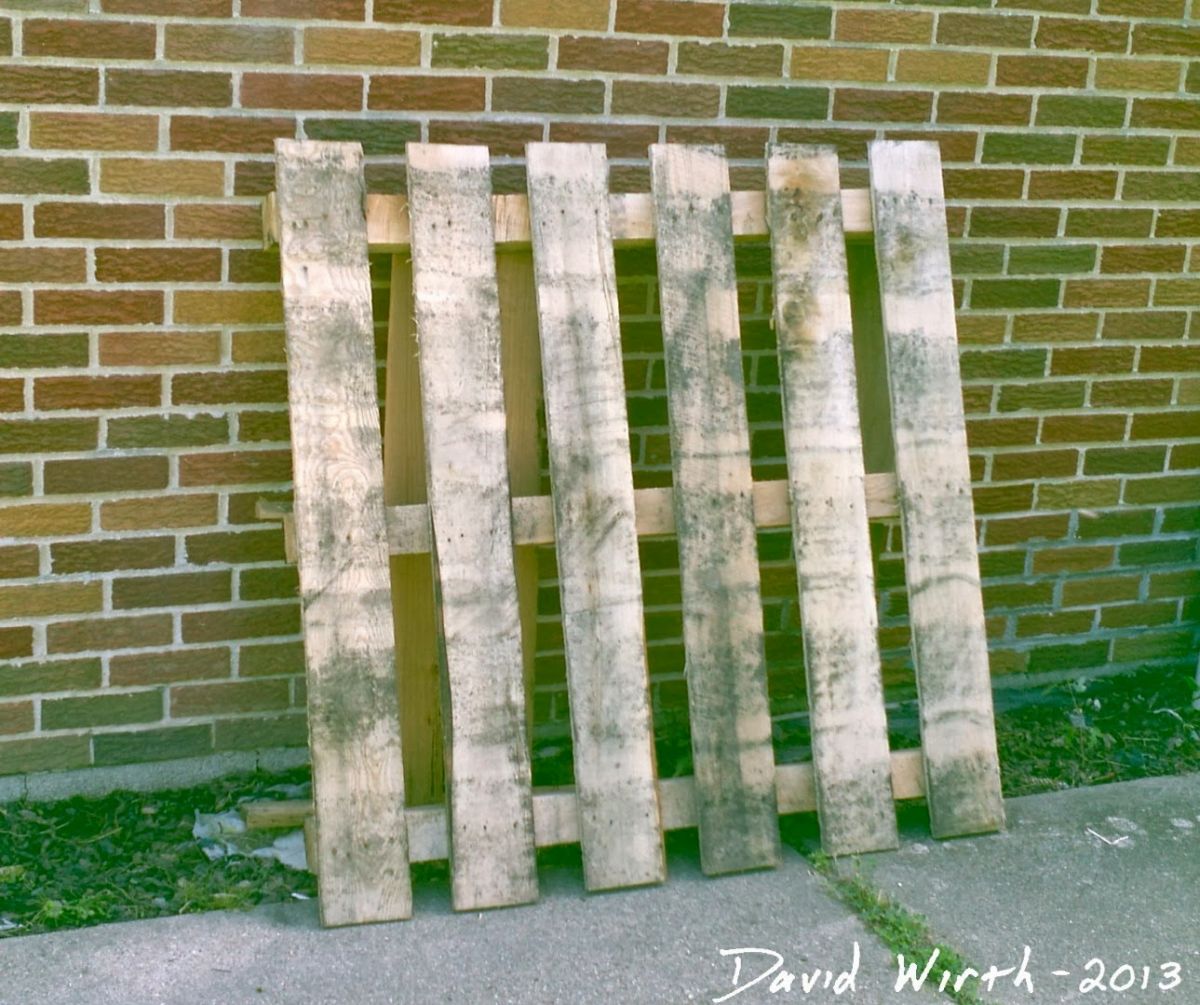
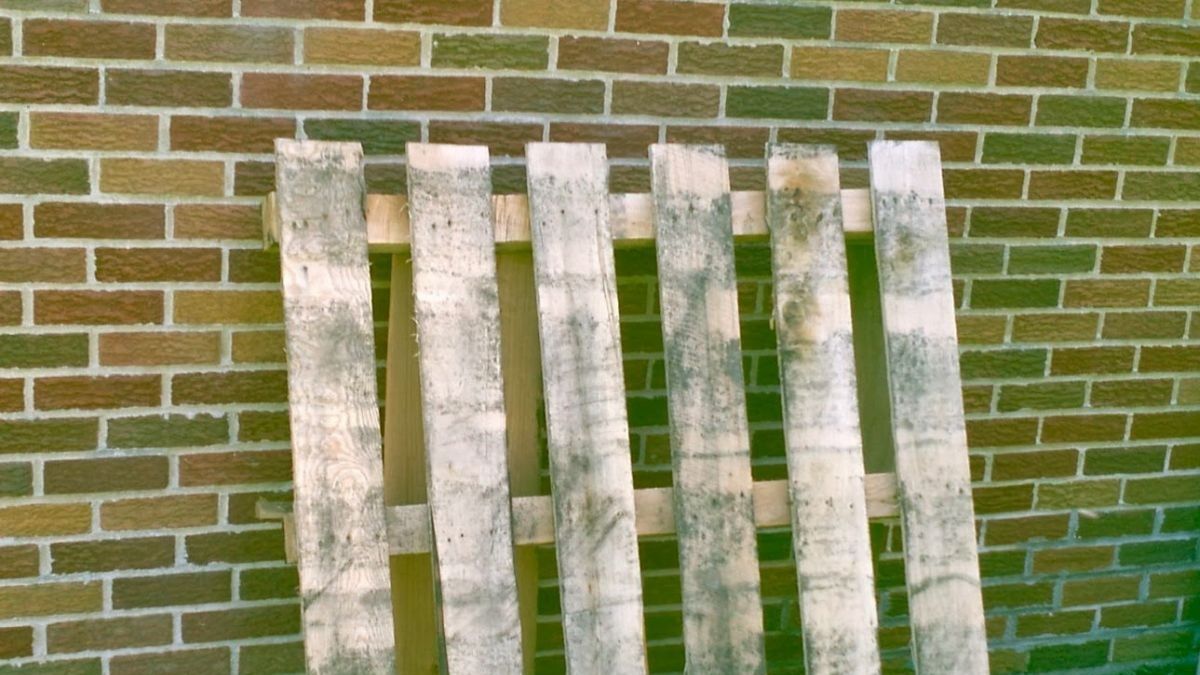
The project began with discarded shipping pallets, including one with six weathered boards attached across its frame. David collected several pallets from behind a Home Depot, choosing wood that could be reused for the cooler stand.
Some boards had splits, mismatched dimensions, or damage from their original nails. Those defects mattered because the longer pieces would form the legs, while wider boards were needed for the upper surface and lid.
The Pallets Were Taken Apart for Reusable Lumber

Dismantling the pallets required a crowbar and a three-pound sledgehammer. The goal was to separate the boards without breaking the wood around the nails.
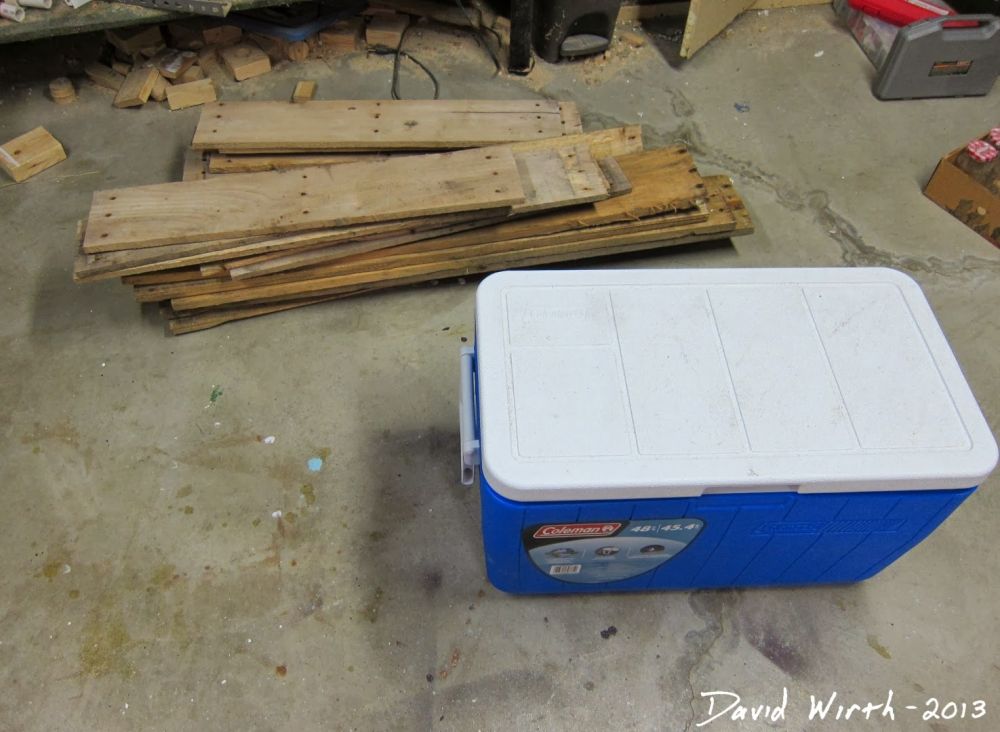
The salvaged boards were sorted beside a blue Coleman cooler. Some pieces were too damaged for the build, and David eventually collected another pallet after running short of suitable wood.
The cooler would determine the dimensions of the stand, rather than being cut or altered to fit a prefabricated cabinet.
A Wooden Frame Was Built Around the Cooler
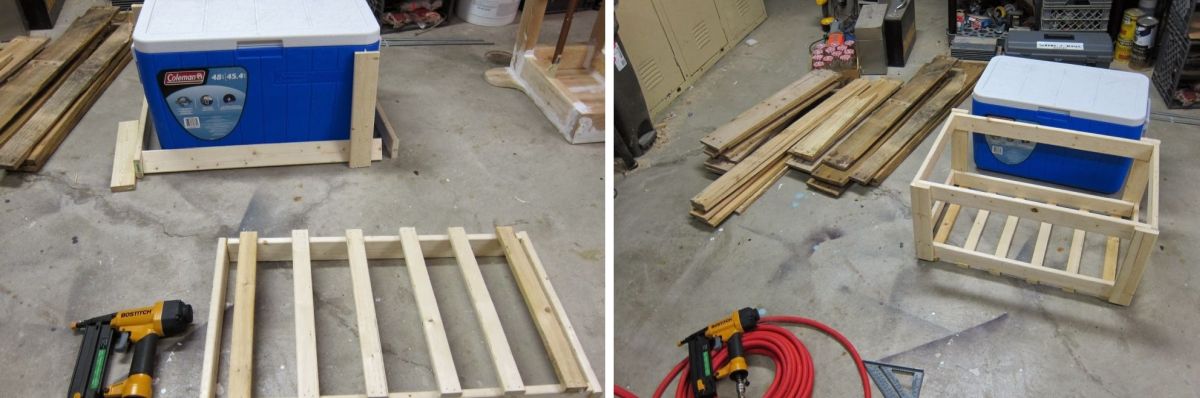
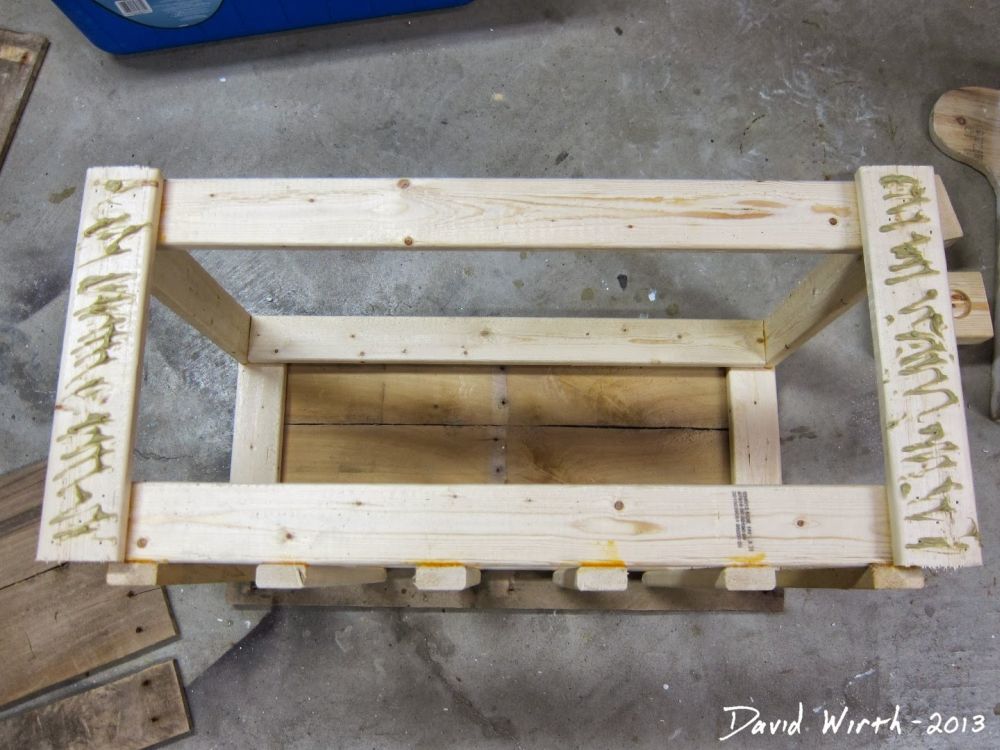
The first frame used pine boards to create a rectangular enclosure around the cooler. Narrow lower slats provided support, while the surrounding rails established the width and depth.
David left about an inch of clearance around the cooler so its handles could be reached when lifting it from the stand.

The frame developed into a box with vertical supports at its corners and horizontal rails connecting the sides. The wooden slats beneath the opening were positioned to carry the cooler.
Reclaimed Boards Covered the Frame
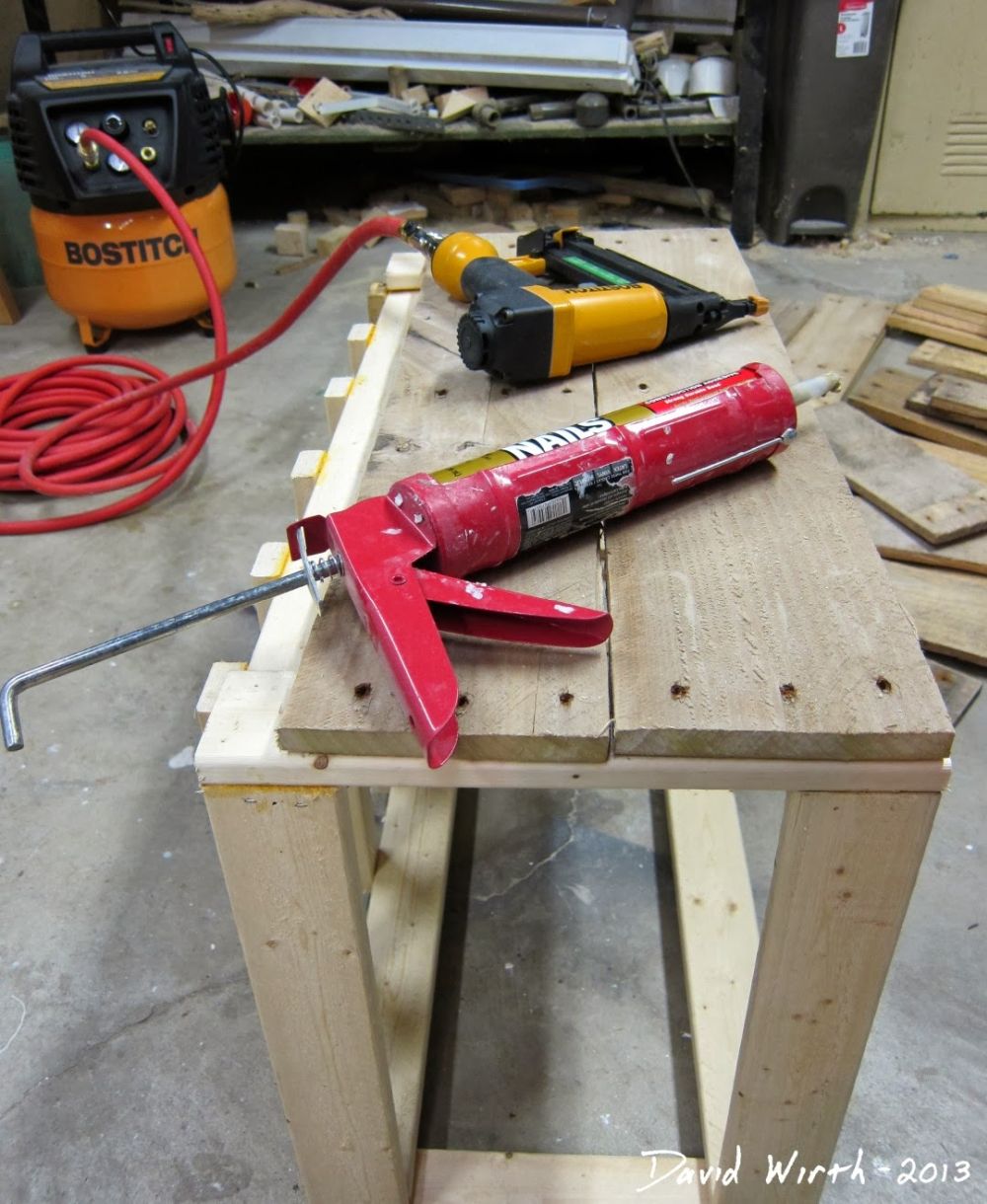
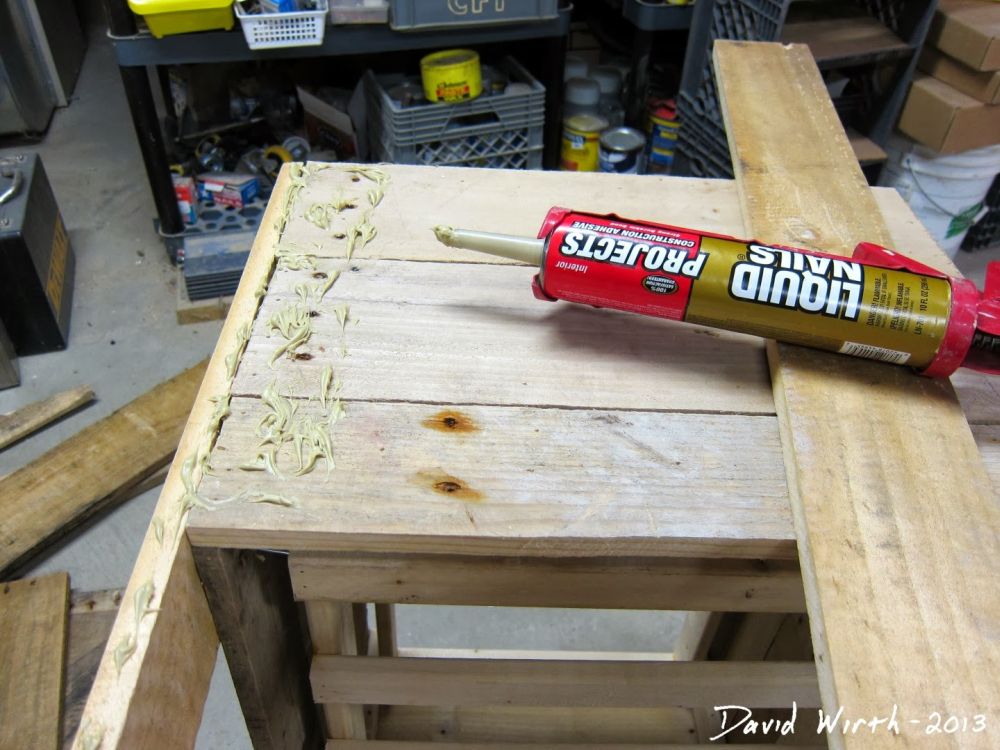
Pallet boards were attached across the frame using construction adhesive and an 18-gauge nail gun. The boards retained their original nail holes and variations in color.
Three horizontal boards covered the front of the enclosure, concealing the inner frame. Vertical corner supports provided mounting points for the legs, while the upper opening remained accessible.
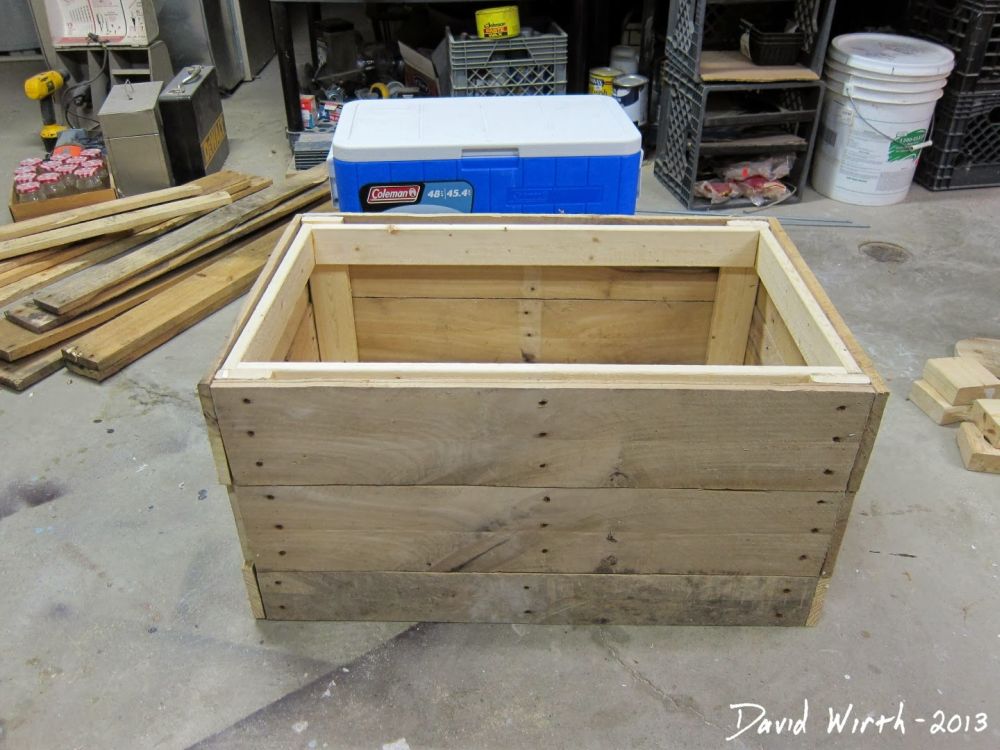
The upper rim received another layer of wood around the opening, creating a place for the tabletop boards to rest. The inner support frame remained separate from the exterior pallet cladding.
Four Legs Raised the Cooler to Standing Height

David tested the height before attaching the legs. He first considered a stand around 36 inches tall but used 40-inch pallet boards during construction, leaving the option to shorten them.
Two boards were joined at each corner to form the four legs. Their weathered surfaces matched the surrounding pallet cladding, while the open area beneath the cabinet kept the base from becoming a solid wooden box.

The assembled stand showed the legs extending below the enclosure, with the cooler opening at the top and the pallet boards forming its sides.
After testing the proportions, the legs were cut down to a final height of 36 inches. Wheels were considered during planning but left out because the stand was light enough to move without them.
The Cooler Needed Extra Height Inside the Stand
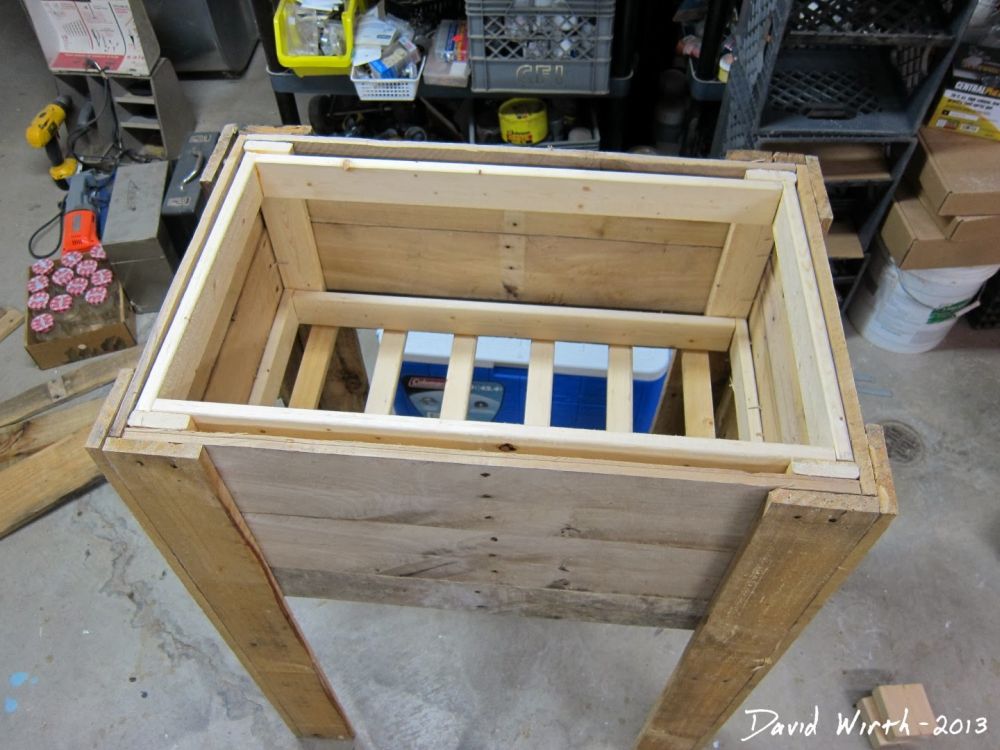
With the main enclosure assembled, the blue cooler could be placed inside the wooden frame. The opening provided access to its handles, allowing the entire cooler to be removed.
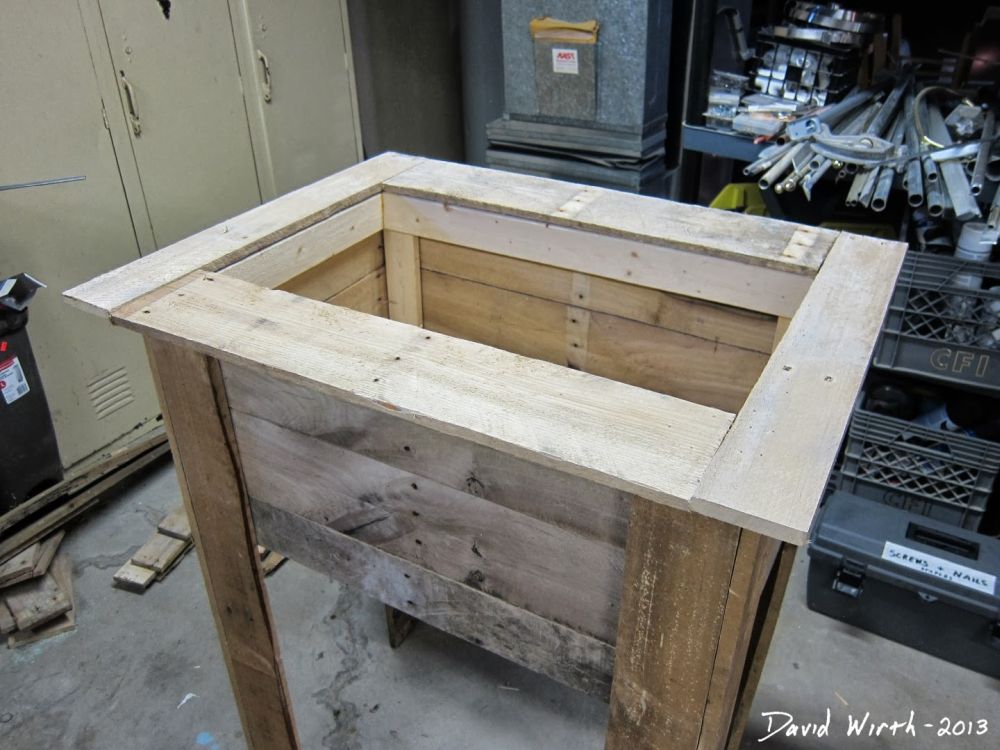
The cooler initially sat too low for its plastic lid to open without interference. Two additional 1-by-2-inch supports raised it enough to provide clearance beneath the wooden top.
Keeping the original cooler intact was a deliberate choice. Attaching the plastic lid to the wooden lid would have required modifying the cooler’s hinges, preventing its normal use outside the stand.
Wider Pallet Boards Became the Serving Surface

Boards were arranged across the upper frame to create a surface wide enough to hold drinks beside the cooler opening. Construction adhesive and a nail gun secured the wood.
The top extends beyond the enclosure, forming a narrow ledge around the cooler. David used a belt sander to smooth the serving area, where cups and bottles would rest.
A Separate Wooden Lid Covered the Cooler
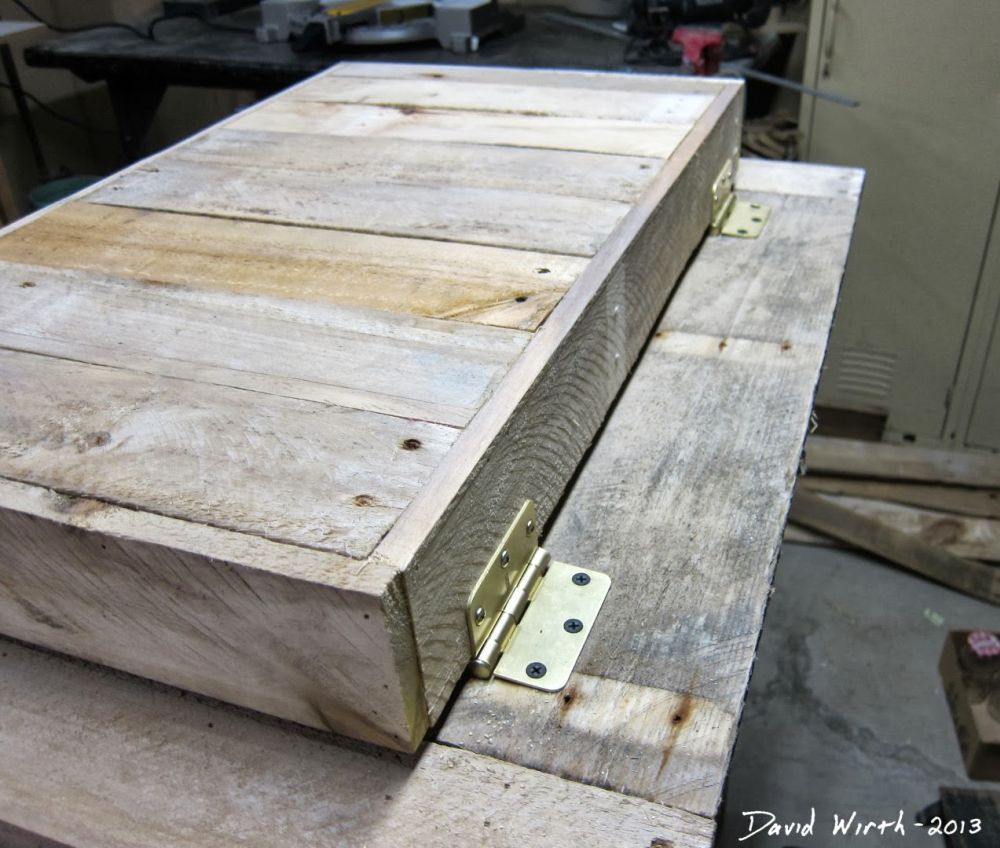
The lid was constructed from reclaimed boards, with a rectangular opening beneath it for access to the plastic cooler. David tested different board directions before choosing shorter boards running from front to back.
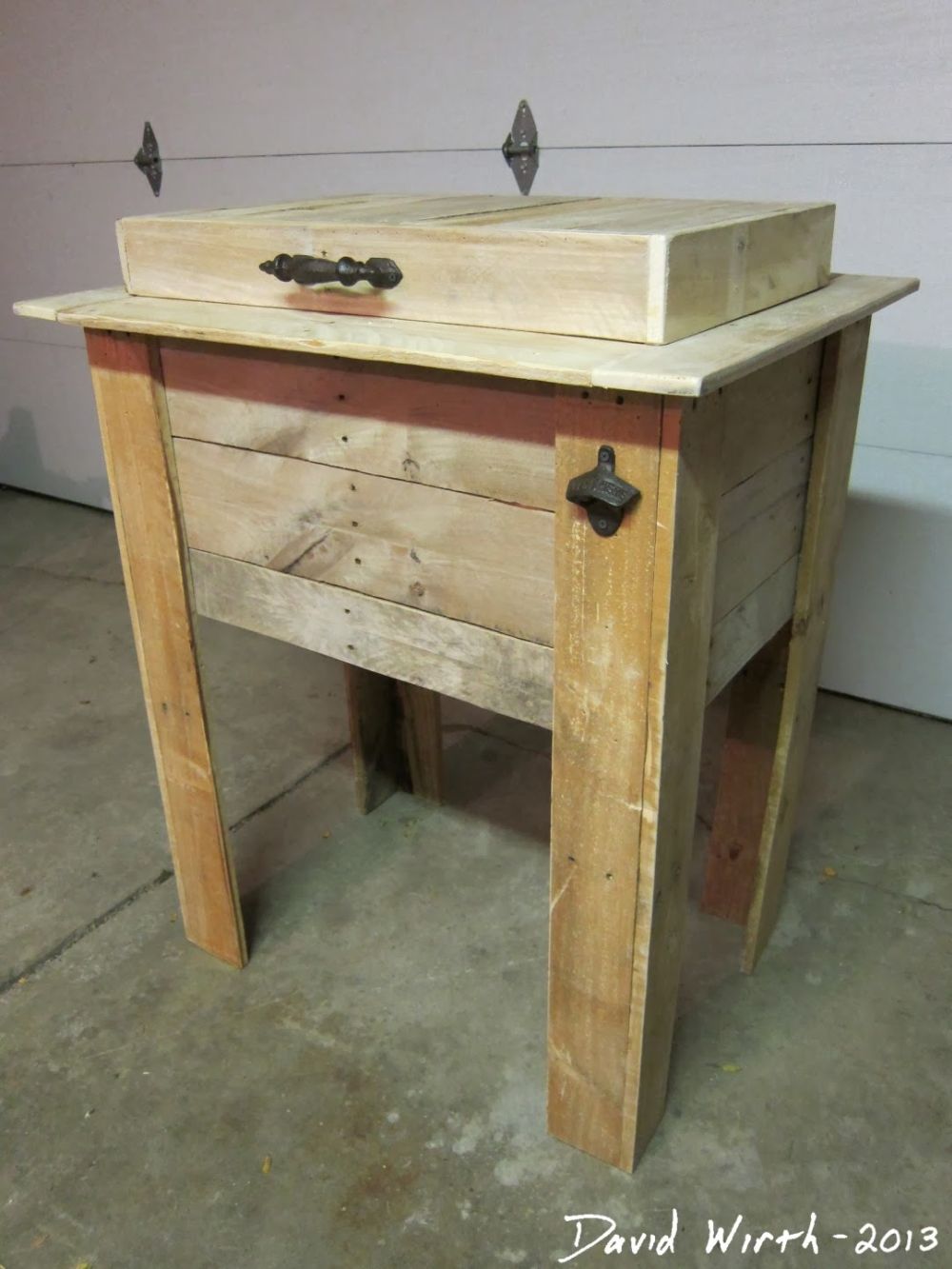
A raised wooden lid sits above the serving surface, with a metal handle mounted at its front. The wood retains its grain, nail marks, and uneven tones.
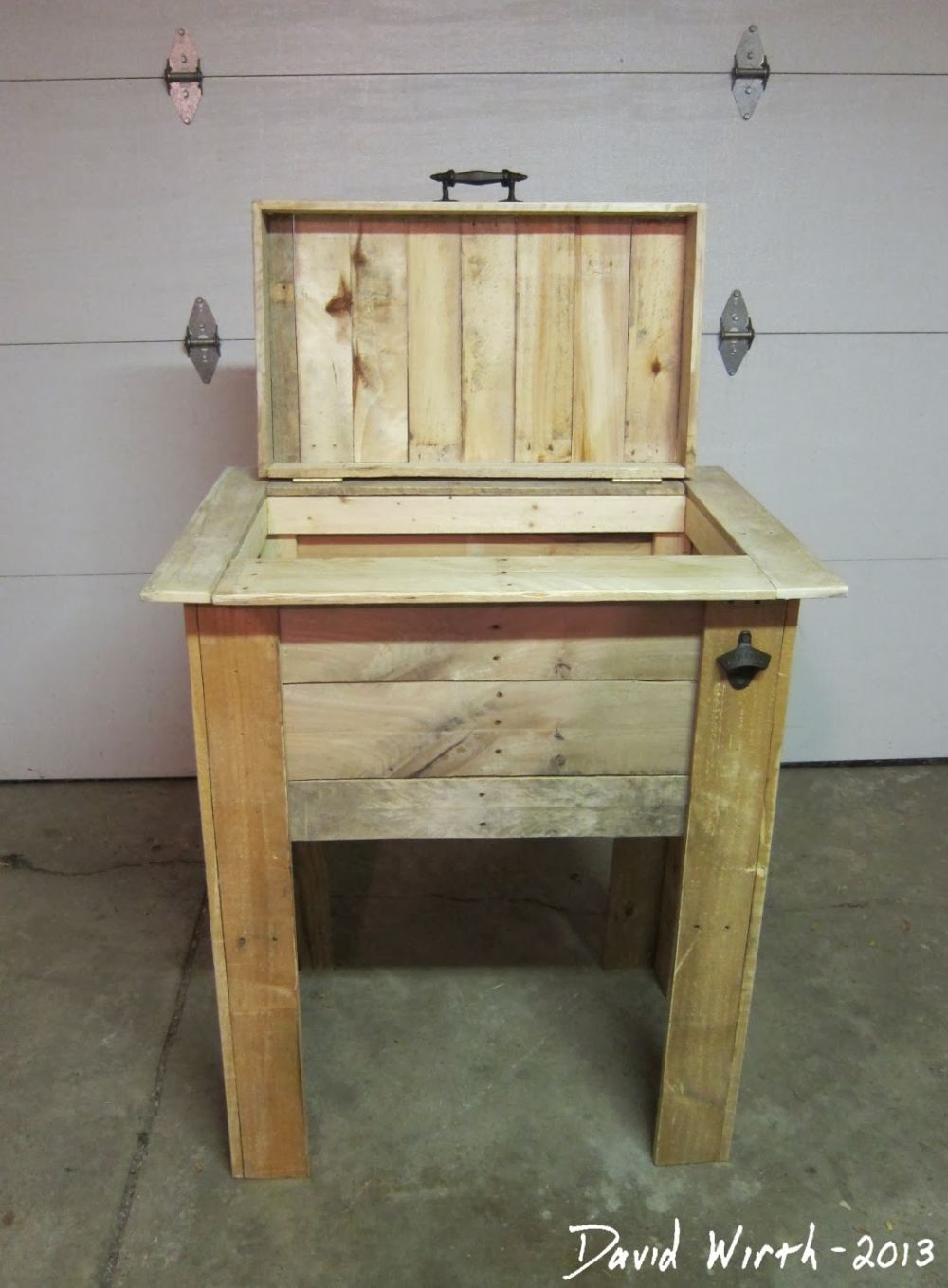
With the lid raised, the opening reveals the wooden enclosure beneath. The hinges allow the top to swing backward, where it stops against the surrounding woodwork.
The hinge placement left a small gap at the rear of the lid, tapering toward the front, rather than a flush connection along the full edge.
The Finished Stand Includes a Bottle Opener

The blue Coleman cooler fits inside the wooden cabinet, with its white plastic lid opening beneath the raised wooden cover. The removable design preserves access to the cooler’s handles and interior.
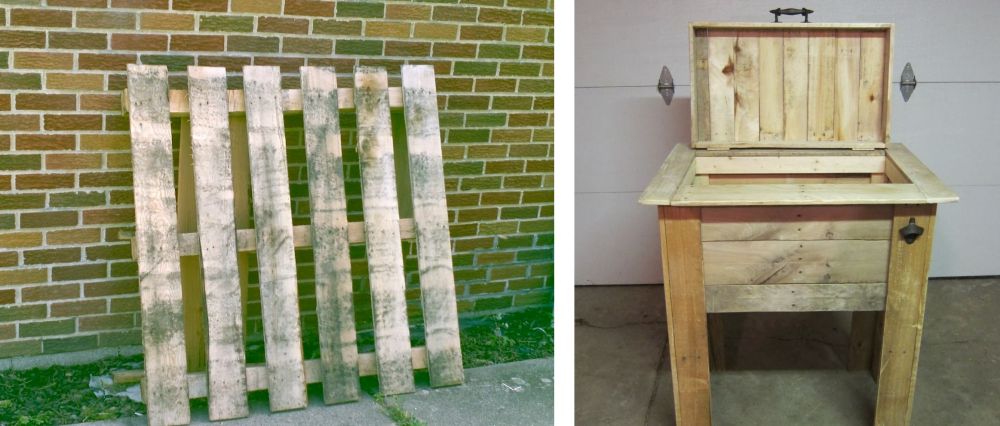
A dark metal handle finishes the wooden lid, while a matching bottle opener is attached to the front corner post. David and Karrie selected the hardware during a trip to Hobby Lobby, replacing an earlier bottle opener to match the lid handle.
The completed stand measures 36 inches in height and uses reclaimed pallet boards across the sides, legs, tabletop, and hinged cover. The cooler remains removable for draining, cleaning, or use away from home.
Project and photographs: David Wirth.