Better Than Rubber: The Reclaimed Material She Used to Border Her Front Yard


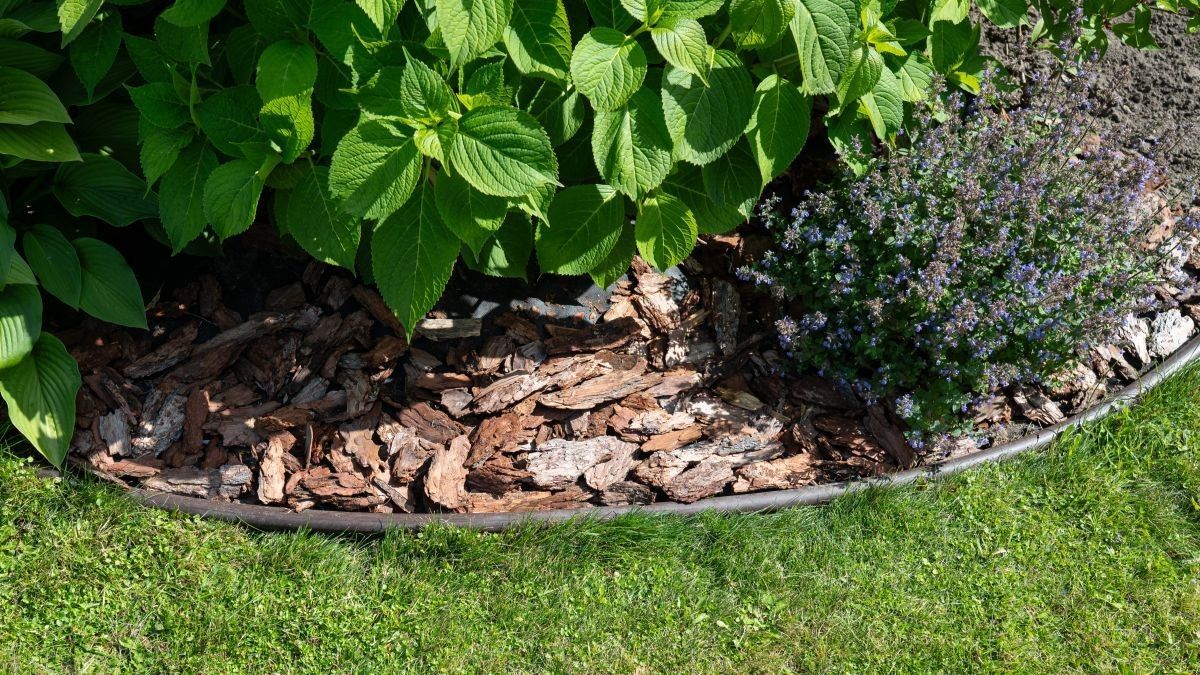
Rubber garden edging can separate flower beds from lawns, but it isn’t the only material that can create a defined border. Old bricks offer another option, especially when they have already been removed from a home renovation and would otherwise go to waste.
When Jenae from @build.n.blooms removed her brick fireplace hearth, she saved the material instead of throwing it away. Months later, those bricks became a curved garden border beside her front walkway, with faded red surfaces, chipped edges, and traces of old mortar left intact.
Rather than purchasing new landscape edging, she reused what she had, setting the bricks into a trench and filling the joints with polymeric sand. The project shows how reclaimed masonry can create a garden border without requiring new pavers.
The Old Fireplace Bricks Became the Structure for the Entire Border
The project started with leftover bricks saved from a fireplace demo months earlier.

Instead of placing them in a straight strip, the bricks were arranged along a curved trench cut into the yard. The worn surfaces and faded colors helped the border blend into the landscape once installed.
Some bricks still carried old mortar marks and chipped edges. Those imperfections added texture across the finished border.

The Bricks Followed the Curve of the Front Walkway
Instead of running in a straight line, the border curves around the planting bed beside the concrete walkway. The bricks create a continuous edge between the mulch and grass, including the tighter sections near the tree.
The layout also allows the border to follow the existing shape of the garden rather than requiring the planting bed to be squared off.

The Reclaimed Brick Color Made the Border Feel More Established
Fresh pavers often look flat because every piece carries the same tone and finish.
These reclaimed bricks already had variation across the surface. Some leaned red, others pale orange, while traces of white mortar remained on several pieces.
That mix created a border that feels closer to an older garden path than new construction from a home center.

The Bricks Were Test-Fit Before Locking the Pattern Into Place
Before adding sand, the bricks were placed and adjusted across the trench to shape the curve and spacing.
Some pieces were turned or shifted to tighten gaps and keep the border flowing around the planting bed. A few bricks were cut to help the layout stay smooth through tighter curves.
That step kept the edging from looking repetitive once finished.

Polymeric Sand Helped Hold the Border Together
After the bricks were installed, polymeric sand was swept into the joints and watered down to harden between the gaps.
The sand helps stabilize the border while keeping the appearance of individual reclaimed bricks placed by hand.
Instead of becoming one continuous edge, the pattern and texture stay visible across the entire curve.

The Finished Border Shows the Difference

The before-and-after photos show a planting bed that once ended at the grass without a solid border. The reclaimed bricks now separate the mulch from the lawn and give the curved edge a defined outline.
Unlike flexible rubber edging, individual bricks can be lifted and reset if a section needs adjustment, although the polymeric sand between the joints would need to be replaced.
Would you use reclaimed bricks for garden edging, or choose a flexible border that follows the lawn?
All the images credits goes to: @build.n.blooms.