You Think Banana-Peel Water Is Feeding Your Houseplants, but University Experts Say Something Is Missing


You finish a banana, drop the peel into a jar of water, and leave it to soak before pouring the liquid into your houseplants. The idea sounds convincing: banana peels contain potassium, plants need potassium, and the water should act as free fertilizer. But what ends up in that jar isn’t what many plant owners assume.
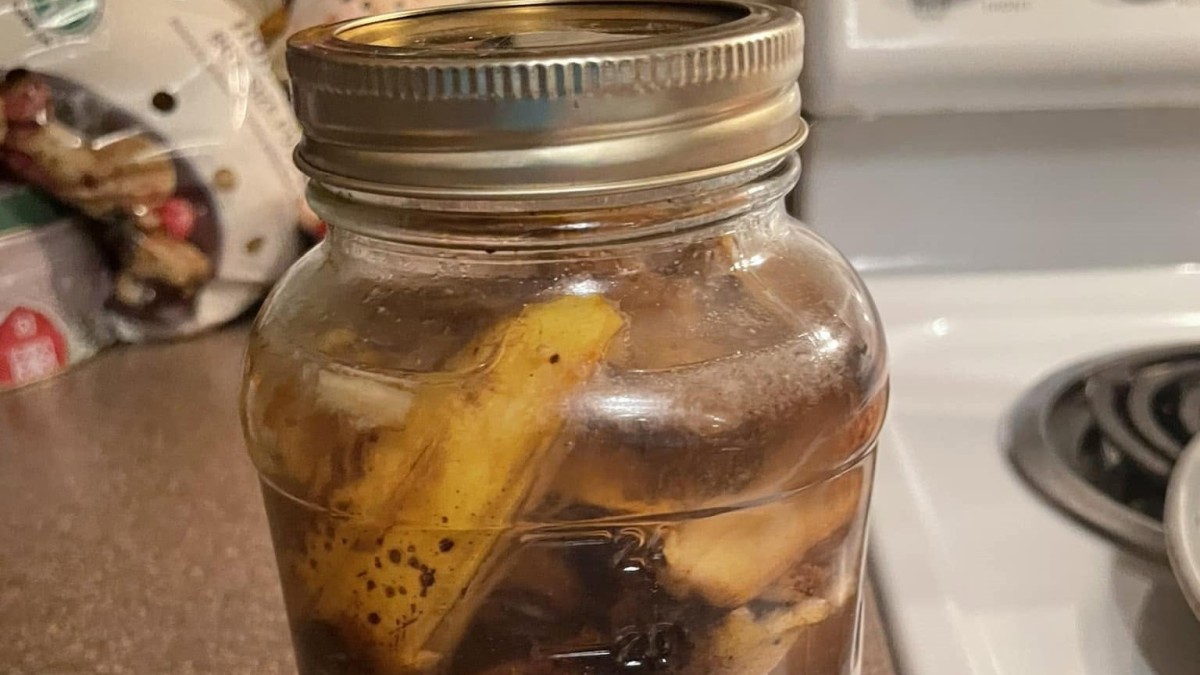
University of California Agriculture and Natural Resources says banana-peel water releases some potassium, while most other nutrients remain in the peel. What looks like homemade plant food is missing much of what houseplants need to grow. [1]
There’s another detail worth knowing. University of Maryland Extension warns that micronutrient deficiencies affect many indoor plants and recommends replacing those nutrients once a year. Banana-peel water cannot provide that balance, no matter how long the peels sit in the jar. [2]
University of California Explains What Banana-Peel Water Contains
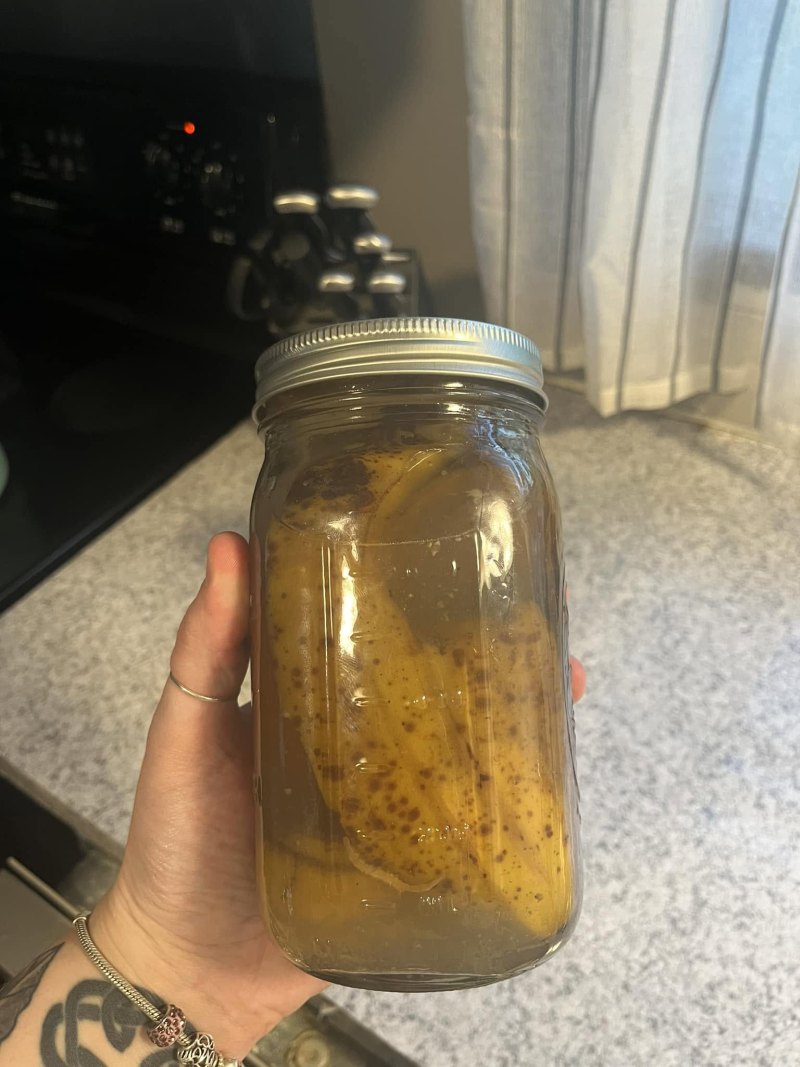
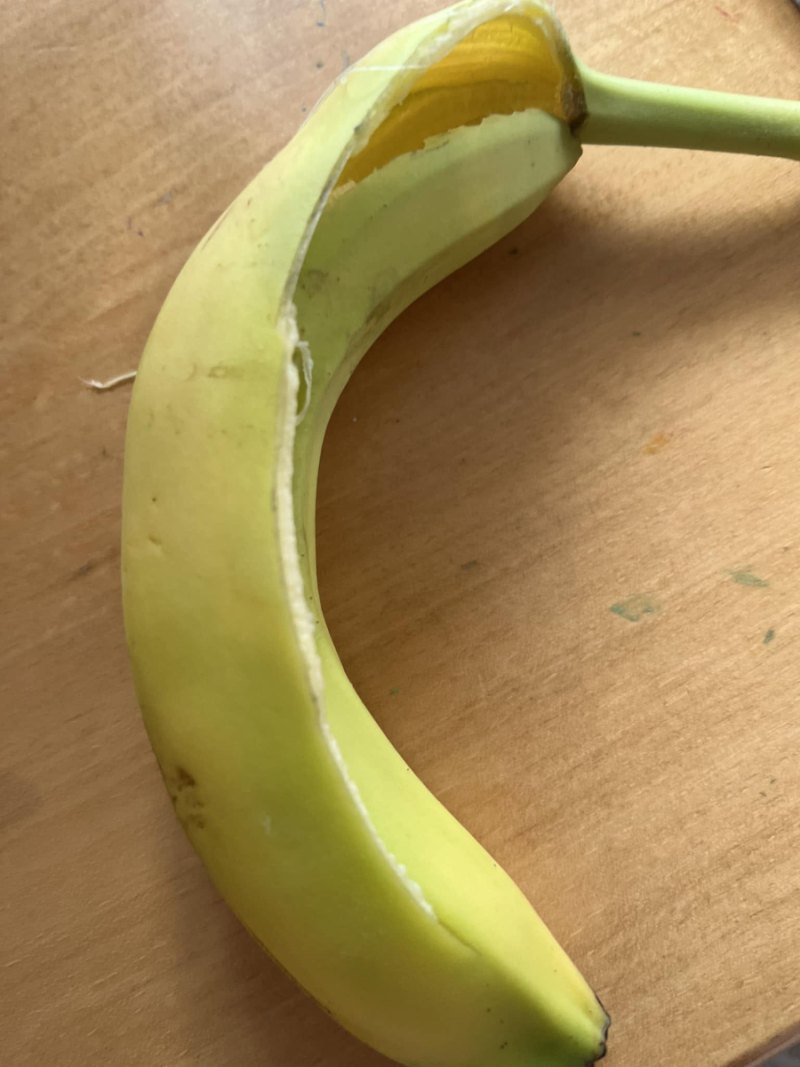
Banana peels contain potassium, a mineral plants use for water regulation, growth, and flowering. When the peels sit in water, some potassium dissolves into the liquid.
University of California Agriculture and Natural Resources examined the practice in its April 2025 article Great Gardening Myths: Part 1. The university explains that potassium is water-soluble, while most other nutrients remain bound inside the peels. [1]
That means the water contains some potassium, but the amount depends on what enters the liquid during soaking. There is no measured fertilizer concentration or balanced mix of nutrients.
UC Master Gardeners say using banana-peel water adds a bit of potassium and does not cause harm under the conditions described in their guidance. They recommend composting the peels afterward, rather than throwing away the nutrients left behind.
The Nutrients Your Houseplants Are Still Missing
Potassium is just one of the nutrients plants need. Nitrogen supports leaves and stems, while phosphorus helps with root growth and energy transfer. Calcium, magnesium, iron, manganese, and zinc also play roles in plant development.
University of Maryland Extension identifies micronutrient deficiencies as a concern for many indoor plants. Its houseplant fertilizer guidance recommends replenishing micronutrients once a year with a fertilizer containing those elements or a suitable compost. [2]
The university also points to magnesium loss through watering. As water passes through potting soil and drains from the container, some dissolved nutrients can leave with it.
Banana-peel water cannot replace that lost nutrient balance. Adding potassium to a pot doesn’t guarantee that nitrogen, phosphorus, magnesium, or micronutrient needs have been met.
Why More Fertilizer Can Make a Houseplant Worse
Yellowing leaves, brown tips, or slow growth can make a houseplant look hungry. But these symptoms can also come from poor drainage, overwatering, insufficient light, or damaged roots.
University of Illinois Extension warns against fertilizing plants that are not in active growth. Houseplants use fewer nutrients when growth slows, and excess fertilizer can burn roots. [3]
Its guidance recommends fertilizing most houseplants no more than once every one to three months between March and September. During winter, many indoor plants need little or no added fertilizer, depending on their growing conditions.
University of Maryland Extension also warns that excess fertilizer can create salt buildup in potting soil and produce weak, stretched growth. [2]
A plant with yellow leaves may need a change in watering or light rather than another nutrient treatment. Adding banana-peel water without identifying the cause does not address those problems.
What to Use Instead of Banana-Peel Water
Choose a houseplant fertilizer containing nitrogen, phosphorus, potassium, and micronutrients. University of Maryland Extension recommends products labeled for indoor plants, used at the concentration specified on the package. [2]
University of Illinois Extension lists 10-10-10, 5-10-5, and 10-20-10 as fertilizer options. It also advises flushing potting soil with water every four to six months to remove accumulated salts. [3]
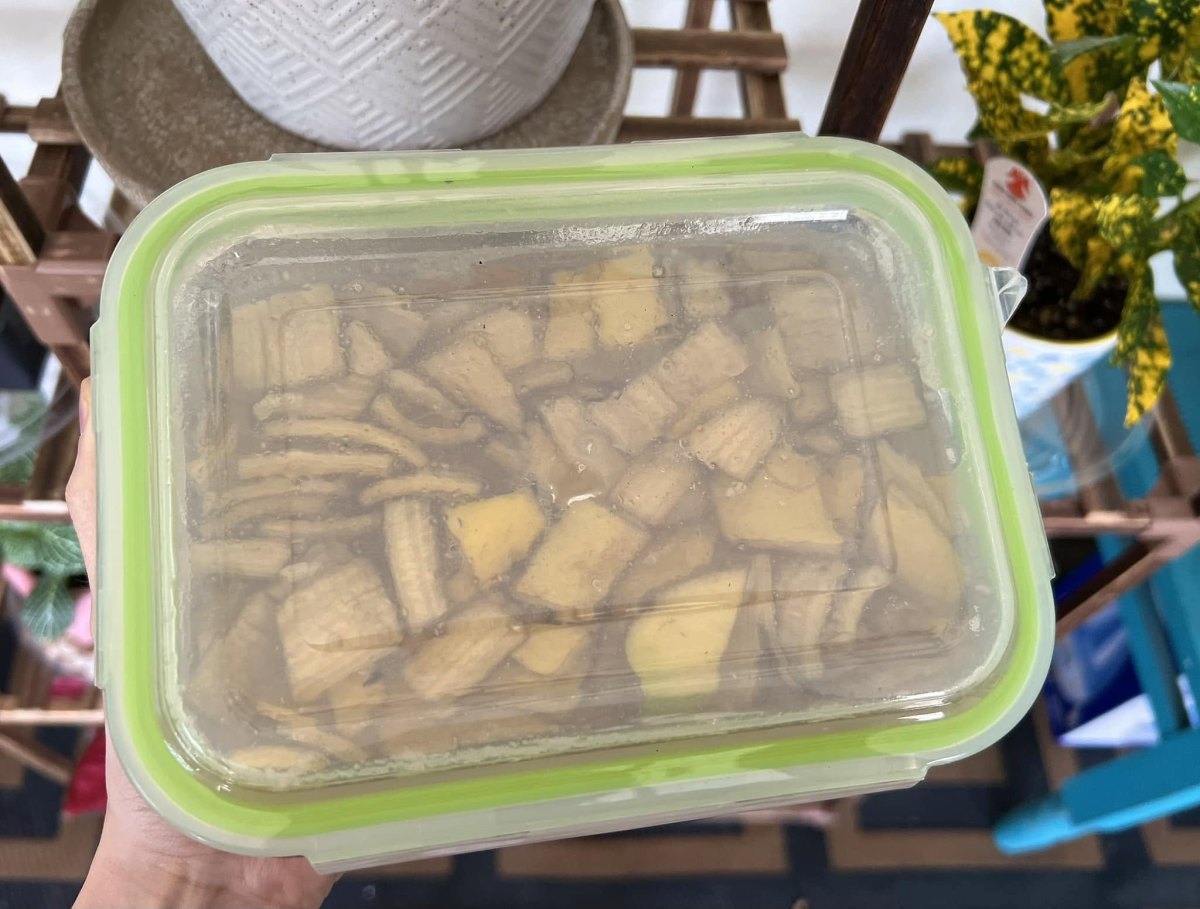
Compost the banana peels instead of soaking them. University of California Agriculture and Natural Resources recommends composting to make use of the nutrients left in the peels. [1]
Have you tried banana-peel water on your houseplants, or do you use regular fertilizer?
Sources:
[1] University of California Agriculture and Natural Resources —
Great Gardening Myths: Part 1, April 13, 2025.
https://ucanr.edu/site/mgsmsf/article/great-gardening-myths-part-1
[2] University of Maryland Extension —
Fertilizer for Indoor Plants, updated March 10, 2023.
https://www.extension.umd.edu/resource/fertilizer-indoor-plants
[3] University of Illinois Extension —
Houseplants: Care.
https://extension.illinois.edu/houseplants/care