Wrapping your car keys and wallet in aluminum foil: what is it for and why is it recommended


You come home, drop your keys on the table by the front door and go to bed. The car is locked in the driveway, nothing looks wrong, and in the morning it’s gone. No broken window, no forced lock, no alarm anyone heard.
That isn’t bad luck with a lock. Many keyless cars unlock simply because they detect their key nearby, and thieves have learned to fake that closeness from outside your house. Wrapping the key fob completely in aluminum foil is a cheap way to keep its signal from leaving the room.
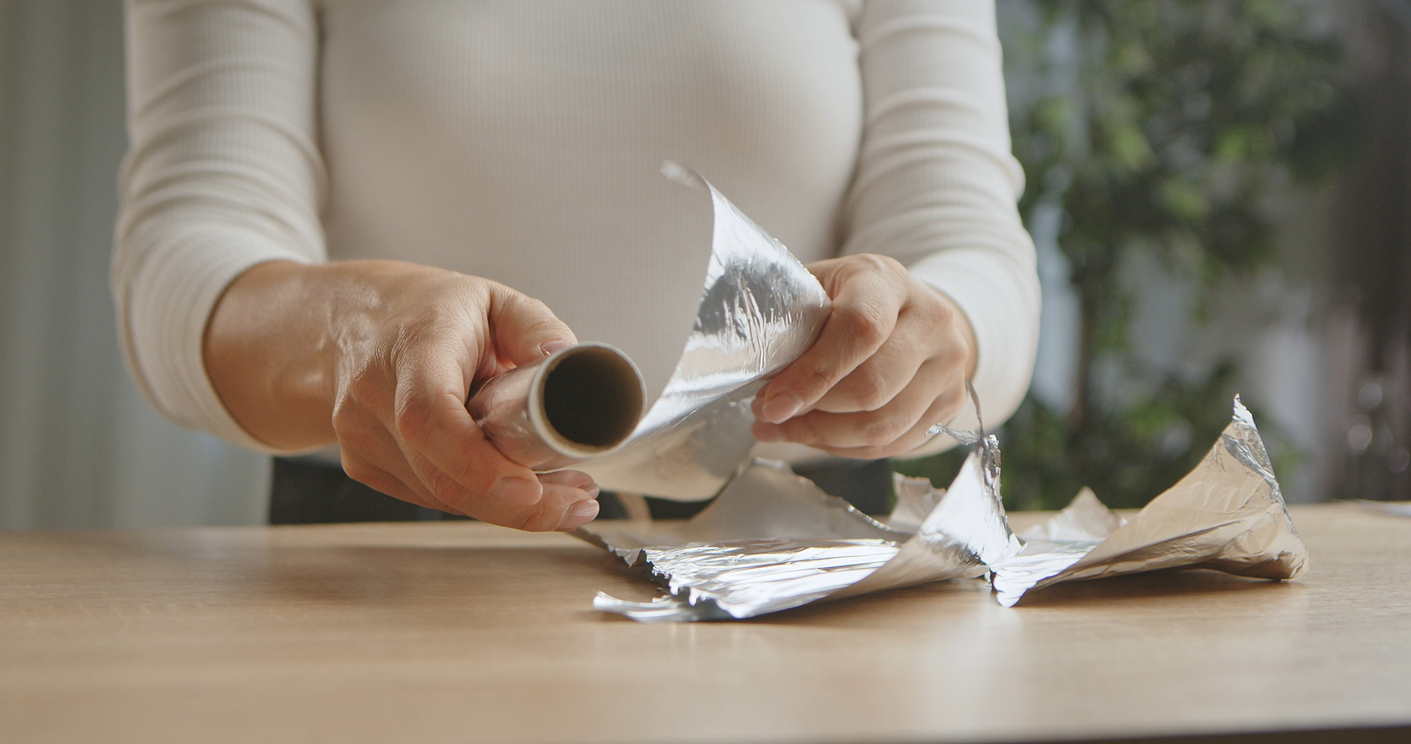
How thieves borrow your key’s signal
The trick is called a relay attack, and it takes two people. One stands near your house with a device that picks up and boosts the fob’s signal, even from a key sitting on a hallway table. The other waits by the car with a second device that passes the signal on. The car believes the real key is right there, so it unlocks, and on some models it can be started too.
The whole thing can take under 30 seconds and leaves no damage. In ongoing tests by ADAC, Germany’s largest auto club, only about 15 percent of more than 800 keyless vehicles were adequately protected against it.
Aluminum foil works as a barrier to those radio waves. Wrapped all the way around the fob, it stops the signal from reaching anyone outside. The same idea applies to contactless credit and debit cards, whose chips also answer to nearby readers.
How to wrap a key fob so it actually blocks the signal
A loose fold isn’t enough. Follow these steps:
- Cover it completely. Wrap the fob in a sheet of foil with no gaps or open edges.
- Check for tears. A ripped corner lets the signal out, so replace the foil when it wears.
- Keep it away from the door. Store the wrapped key deeper inside the home, not near the front door, garage door or an outside wall.
- Test it. Walk up to the car with the wrapped fob in your hand and try the door. If the car responds, the signal is still getting out.
- Do the spare too. A second fob in a drawer can be relayed just as easily.
Foil is a stopgap, not the final answer. A purpose-made signal-blocking pouch is easier to use every day, and you can check it with the same door test. Some manufacturers also let you switch off passive keyless entry or put the fob to sleep, so check the owner’s manual or ask the dealership.
Foil earns its place in other parts of the house too. Covering fridge shelves with aluminum foil catches drips and spills, so you replace a sheet instead of scrubbing the shelf, as long as the vents stay clear.
What a sheet of foil won’t stop
Foil only deals with the signal. Thieves who get inside a car can also plug a programming tool into the diagnostic port or clone a key, and foil does nothing against either. A steering wheel lock adds a visible extra step.
The basics still matter most. The National Insurance Crime Bureau’s advice starts with simple habits: lock the doors every time, close the windows and always take your keys with you.
For wallets, foil adds a layer but doesn’t replace an RFID-blocking wallet or card sleeve if you want everyday protection.
Wrap the fob tight, keep it away from the front door and test it at the car. That’s the trick.