Instead of paying $100 for a stone bowl, he grinds his own from a few dollars’ worth of river rock



A carved stone bowl on a console or a dinner table looks like it came from a gallery, and it’s priced like it too. Large ones easily start around $100, and even small ones sell for $20 or more, which makes a set of them feel out of reach.
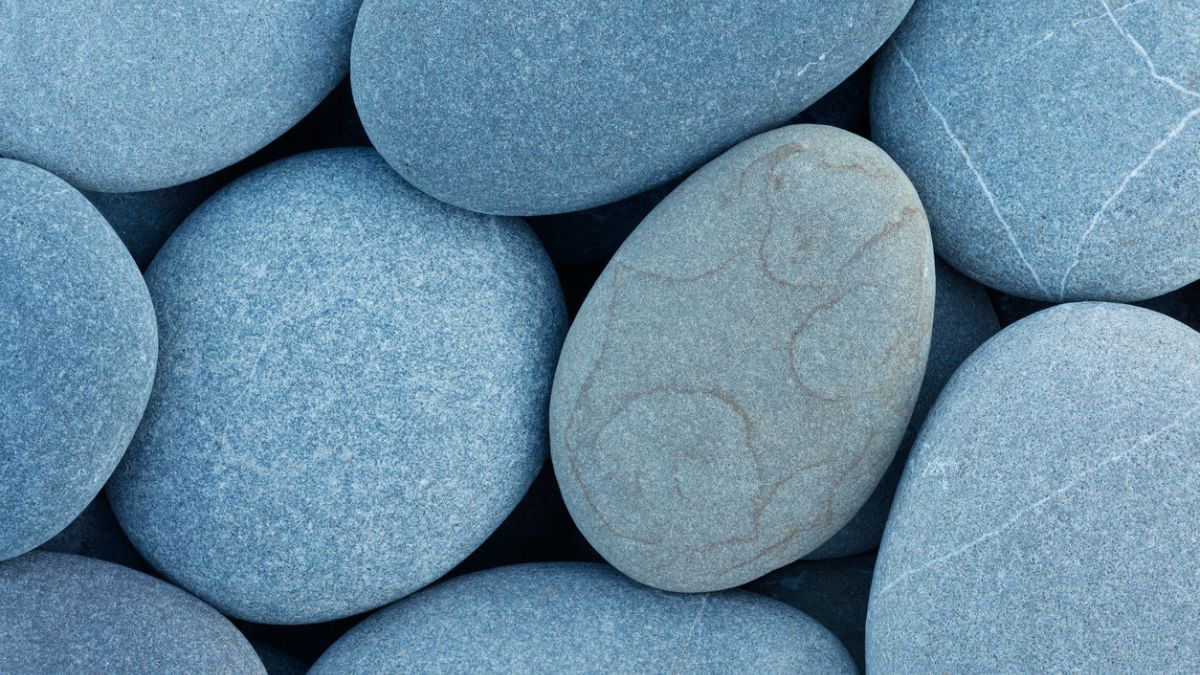
The price wasn’t about the stone, it was about the labor. Ben Uyeda showed in a TikTok tutorial how he turns smooth river rocks into bowls with an angle grinder, a hammer and a chisel. He says these are for the restaurant at the hotel he is building, and he can make four to five bowls in an hour.
Why a river rock is a bowl waiting to happen ?
River stones are already shaped and smoothed by water, so the outside of the bowl is done before you start. All the work goes into two spots: a flat bottom so the bowl sits level, and a hollow in the top. Uyeda uses smooth stones weighing 6 to 12 pounds, bought from a local landscape materials supplier at $0.35 to $0.40 a pound. By our math, that’s roughly $2 to $5 worth of stone per bowl.
Stone rewards planning before the first cut. When one builder turned a single travertine slab into a bathroom vanity, he marked every piece before cutting, including the sink opening, so the veining ran across the whole piece without a break.
From river rock to bowl in about 15 minutes
- Hold the stone still. Clamp it in a vise on a workbench, or set a stone too curved for the vise in a small box of sand.
- Flatten the bottom. Grind a flat spot with an angle grinder fitted with a diamond tile-cutting blade, so the bowl won’t rock or tip.
- Score the top. Turn the stone over and make a series of straight cuts across the center, leaving small triangular sections.
- Chip out the middle. Knock the triangles out with a hammer and chisel.
- Smooth the hollow. Switch to a ball grinder on an extension shaft and grind the inside until it’s as smooth as you want.
- Seal it. For a bowl that will hold food, rub it with food-grade mineral oil to limit moisture absorption and make cleaning easier.
At four to five bowls an hour, each one takes roughly 12 to 15 minutes once you have the rhythm.Plan B, if you’d rather not run an angle grinder: skip the hollow and only flatten the bottom of a stone, then use it as a sculptural paperweight or bookend. Or paint a finished bowl with acrylic and keep it for decor, since most acrylic paints aren’t food safe.
What grinding stone does to the air in your shop
Stone dust is the real hazard here. OSHA explains that stone, rock, sand and concrete contain crystalline silica, and that cutting, grinding and drilling them releases respirable crystalline silica particles, which can cause silicosis, an incurable lung disease, along with lung cancer and COPD.
Wear an N95 respirator, safety goggles and gloves, as the tutorial advises. Work outdoors, keep kids and pets away, and clean up with a vacuum or a damp cloth rather than a broom, so the dust doesn’t go back into the air.
An angle grinder deserves respect too. Keep the guard on, use a blade rated for stone, and make sure the stone can’t shift while you cut. And reserve painted or unsealed bowls for keys and decor, not for food.
Let the river do the shaping, and save your effort for the hollow. That’s the trick.