Simmering bay leaves, cloves and a cinnamon stick on the stove: what is it for and why is it recommended



Guests are coming, the house smells like last night’s dinner, and the only fix in the cupboard is a can of air freshener. One spray covers the smell for ten minutes, then leaves its own heavy, sweet perfume hanging in the hallway.
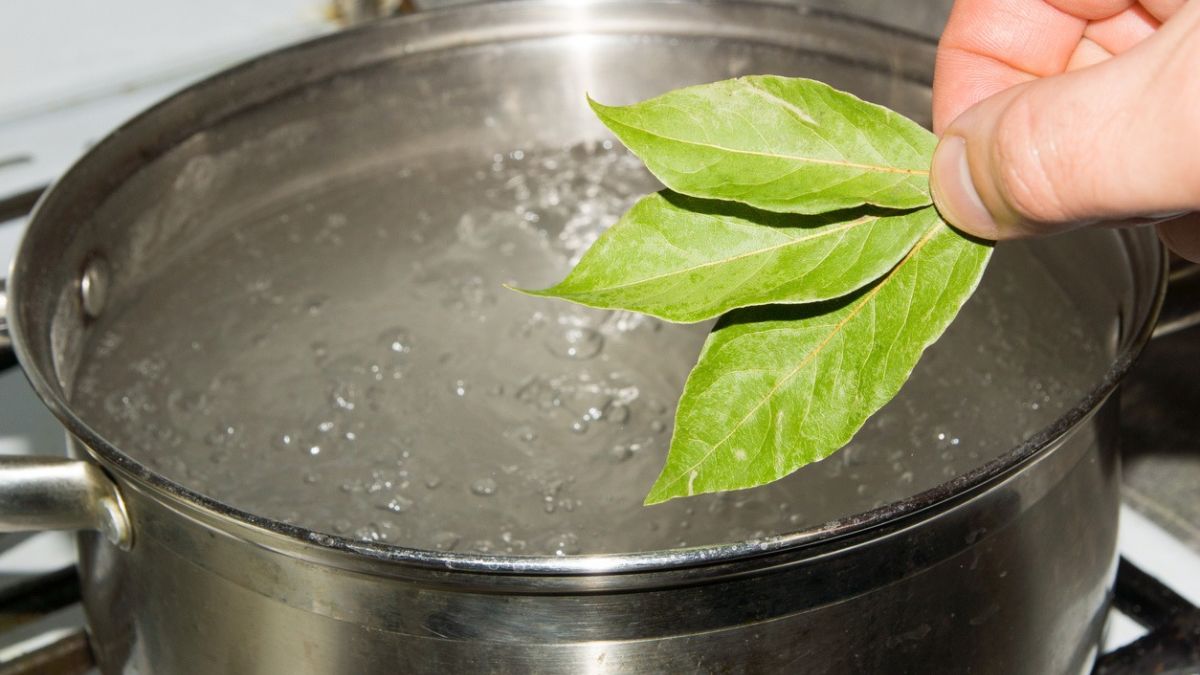
The house wasn’t the problem, the cover-up was. An old-fashioned simmer pot scents the whole place with steam instead: a pot of water with a cinnamon stick, a few bay leaves and some whole cloves, kept just below a boil on the stove.
Why a pot of spiced water spreads through the house ?
Heat pulls the aromatic oils out of the spices, and the steam carries them from room to room as the water slowly evaporates. Cinnamon gives the warm, sweet note, cloves the spicy one, and bay leaves an herbal edge that keeps the mix from smelling like dessert.
It’s also a way to skip a product you may not want in the air. The EPA lists moth repellents and air fresheners among the household sources of volatile organic compounds indoors, and notes that concentrations of many VOCs are consistently higher inside than outdoors.
Fruit works too. A pot of apples, orange peels and cinnamon with a splash of vanilla gives a fruitier version of the same idea, as long as the peels stay submerged.
Water, spices and a low flame
Extension services in South Carolina and Iowa both describe the method in a few steps. Clemson’s version is on its page about holiday simmer pots.
- Fill the pot. Use a stovetop-safe pot filled one-half to two-thirds with water. Clemson suggests avoiding reactive metals like aluminum, which can affect the fragrance.
- Add the spices. A cinnamon stick, a few bay leaves and some whole cloves. Iowa State lists the same trio as an example combination.
- Bring it up, then turn it down. Heat to a boil or a gentle simmer, then lower the heat and let it steam.
- Top it up. Iowa State Extension suggests adding water about every 30 minutes so the pot never boils dry.
- Reuse the spices. Iowa State notes the ingredients can be refrigerated for a few days and simmered a second time. Clemson suggests swapping them out after a few refills, once the scent fades.
Plan B, if you won’t be in the kitchen to watch the stove: use a slow cooker. Iowa State’s method is to fill it at least half full with water, heat it covered on high, then remove the lid and switch to low once it steams, adding water to keep it at least halfway full.
What a simmer pot asks of whoever is home
This is still a pot on a burner. Clemson’s advice is to keep an eye on it and never leave it unattended. The American Red Cross points out that cooking is the leading cause of home fires, and says to turn off the stove if you leave the kitchen, even for a short time.
Keep towels, potholders and anything else that can catch fire away from the burner, and keep the pot on a back burner if children or pets are around. A pot that boils dry can scorch the spices and the pan, and the smell that follows is worse than the one you started with.
A simmer pot also only adds scent. It doesn’t remove what’s causing a bad smell, so if an odor keeps coming back, find its source, whether that’s a drain, the trash or something spoiled.
Keep the flame low, the water topped up and someone in the room. That’s the trick.