Spraying WD-40 Into Carpenter Bee Holes: What to Know Before Trying the Trick

Fresh sawdust beneath a round hole in your deck creates an urge to stop whatever is digging inside. WD-40 sits within reach, its straw fits the opening, and a quick spray feels easier than dealing with a nest hidden in the timber.
That convenience explains the appeal of the trick, but the entrance reveals little about the gallery behind it. Carpenter bees excavate tunnels for nesting rather than eating wood, and developing young can sit beyond partitions inside those tunnels.
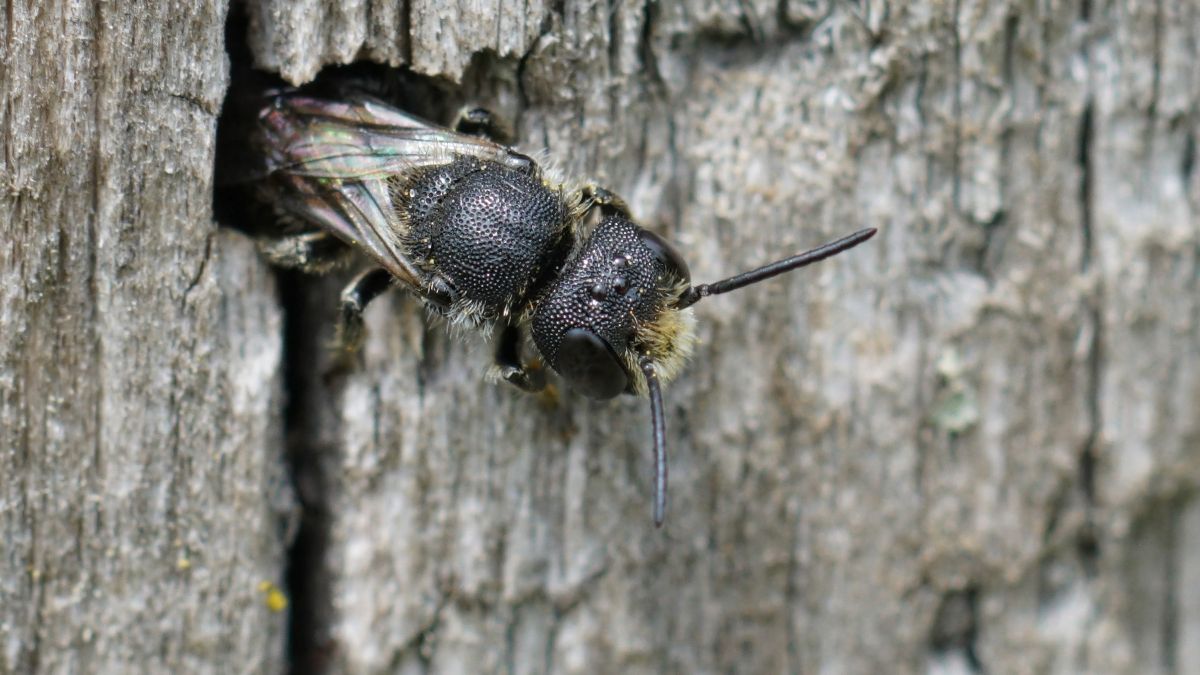
Before reaching for the can, the question is whether your next step will address the nest or cover its entrance while activity continues. Peppermint spray, mesh plugs, and protective coatings each promise a solution, but they serve different purposes.
WD-40 Is Not a Substitute for Managing the Nest
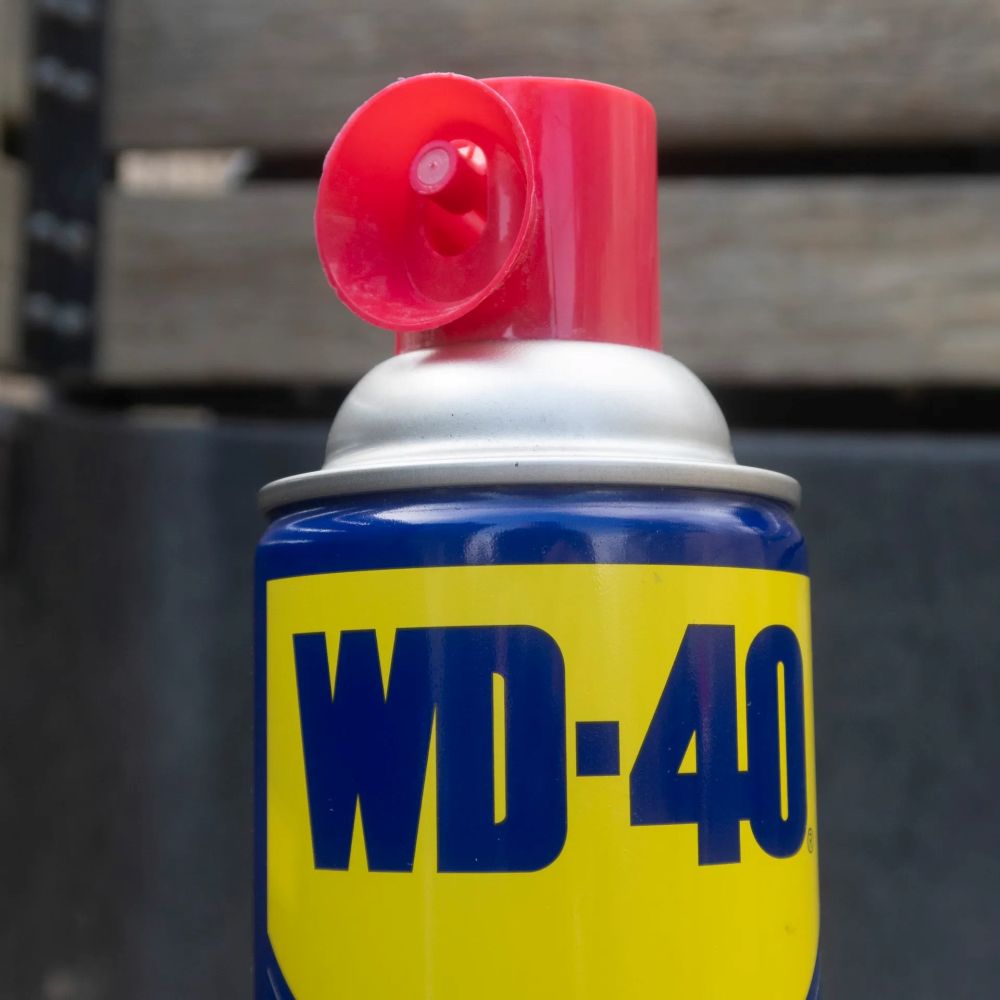
WD-40 is a lubricant, and using it inside a hole does not establish that the nesting gallery has been cleared. A bee disappearing from view after spraying gives you no answer about occupants deeper in the wood.
Even guidance for approved insecticide treatments includes instructions about leaving entrances open before repair. Penn State warns against plugging holes at once, since returning bees need access to the treated gallery.
Choose a method intended for carpenter bee management rather than assuming a product that fits through the opening will solve the problem. If treatment is needed, use a product labeled for that application and follow its directions.
The Peppermint Recipe Is a Deterrent Claim, Not a Proven Fix
The homemade alternative promoted in the source combines:
- 500 ml water
- 1 tablespoon liquid Castile soap
- 5–10 drops peppermint essential oil
The mixture is shaken in a spray bottle and applied to exposed wood, with the soap intended to help disperse the oil. Its appeal is clear: three ingredients, no specialist equipment, and a scent associated with household pest remedies.
But the article supplies no controlled test or research showing that this recipe prevents carpenter bee nesting. It also gives no basis for calling the mixture harmless to children, pets, or wildlife.
A strong smell around an entrance cannot confirm that the nest has been addressed, so the spray should not become the reason to seal an occupied tunnel.

Check the Hole Before Reaching for Mesh or Filler
Fresh sawdust beneath the entrance and bees moving in or out are signs worth checking before repair. University of Georgia identifies wood debris expelled from the opening as evidence of active excavation.
Watch from a distance rather than inserting a tool into the hole, and remember that one quiet inspection does not prove the gallery is empty. If identification remains uncertain, photograph the entrance and any insects for a local extension service or pest professional.
Carpenter bee entrances are often round and about half an inch across, but their shape alone is not enough to identify the cause.
Mesh Can Block an Entrance While Leaving the Problem Inside
Steel wool or copper mesh beneath exterior filler may sound like a way to prevent bees from reopening a hole. The missing detail is whether the gallery is occupied when you block access.
Extension guidance notes that carpenter bees trapped by a plugged entrance may chew another way out. Iowa State advises against closing entrances while bees remain active.
Once nest activity has been addressed, seal the opening with a repair suited to the timber. University of Kentucky lists a wooden dowel coated with carpenter’s glue, putty, or another suitable sealant among the options.
Check the surrounding board for splits, softness, or repeated tunneling before treating the damage as a small cosmetic repair.
Protecting Bare Wood Helps Discourage the Next Nest
Carpenter bees are attracted to raw, unfinished wood and weathered surfaces when choosing nesting sites. Restoring a suitable exterior finish addresses that attraction after the damaged area has been repaired.
Paint can discourage excavation, though it does not make the structure bee-proof. Maintain the coating and inspect previous nesting areas for fresh debris or new entrances.
A round hole invites a quick response because the damage looks contained. The better repair starts by finding out what remains behind it, then closing and protecting the wood once the nest has been addressed.