She Mixed Dawn, Baking Soda, and Vinegar to Clean Her Oven: The Pinterest Trick Didn’t Work


Dawn dish soap, baking soda, and white vinegar are common ingredients in homemade cleaning recipes. Mix them, scrub the oven, wait 20 minutes, and the baked-on grease is supposed to wipe away. But one homeowner found that the Pinterest method required far more work than promised.
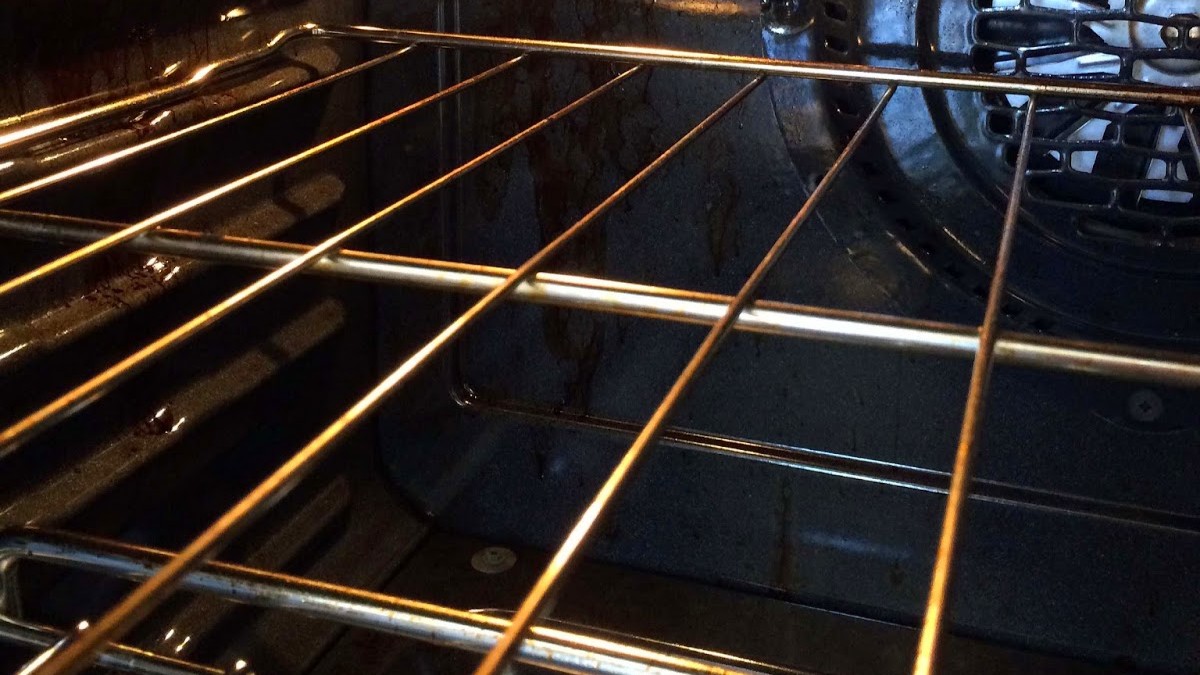
DeeDee, who shares her projects on Clover House, wanted to clean her oven without using commercial cleaners that produce harsh fumes. Grease covered the interior, and buildup on the door glass made it difficult to see inside while cooking.
She measured the three ingredients, applied the foaming mixture, and started scrubbing. After waiting and scrubbing again, the oven looked better but remained dirty. What worked came next, when she stopped using the homemade mixture and tried another feature already built into her oven.
Eight Tablespoons of Dawn, Eight of Baking Soda, and Six of Vinegar
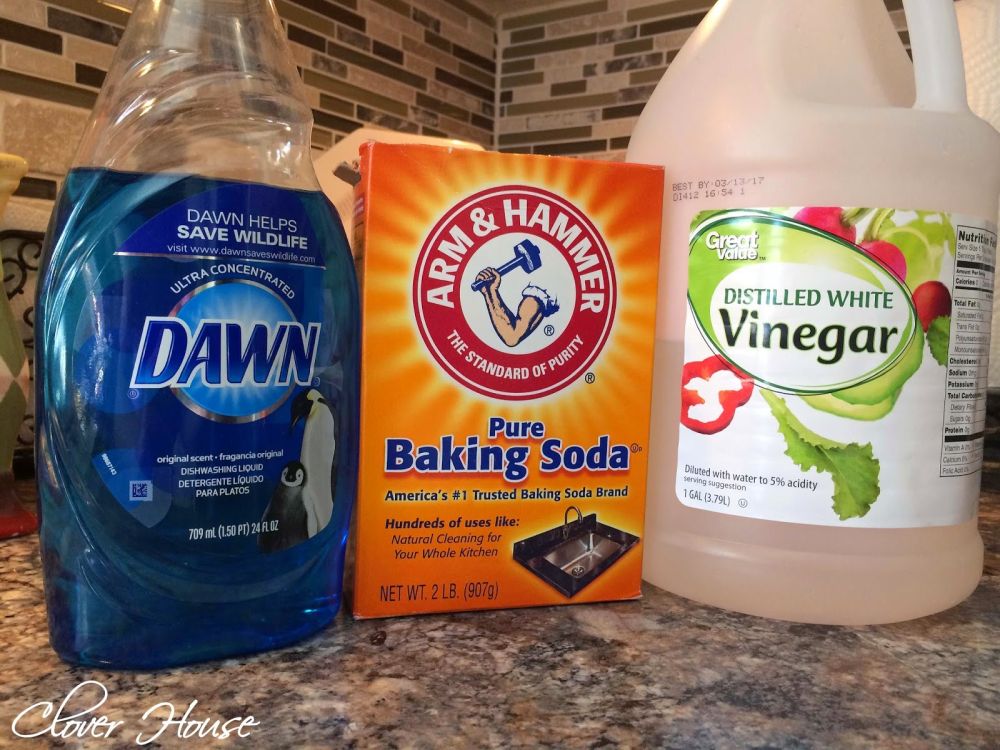
The recipe called for three ingredients:
- 8 tablespoons Dawn dish soap
- 8 tablespoons baking soda
- 6 tablespoons distilled white vinegar
Combining them produced a bowl of white foam. The vinegar reacts with the baking soda, releasing carbon dioxide bubbles, while the dish soap adds more foam.
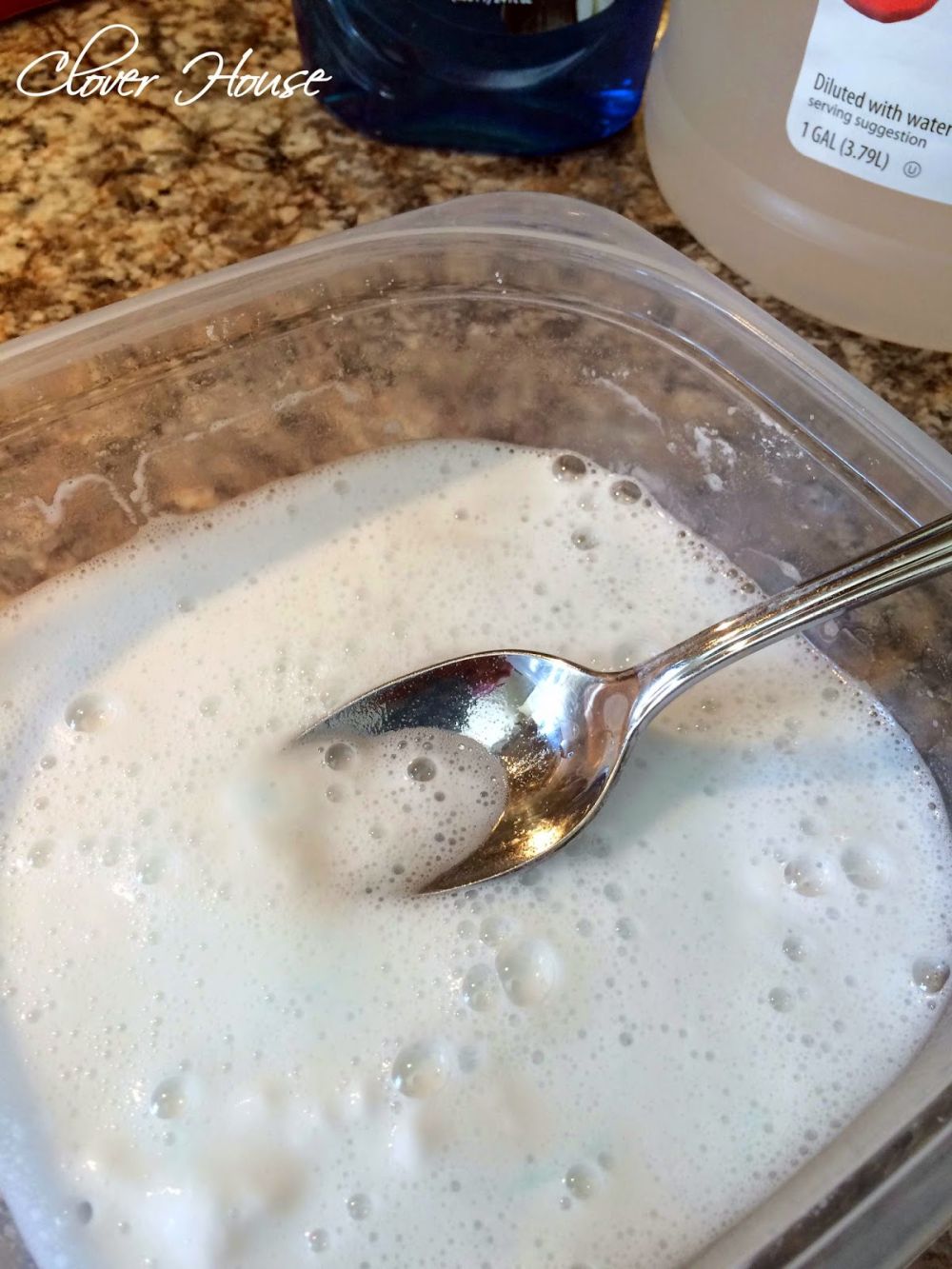
The bubbling looked promising, but foam alone doesn’t mean baked-on grease has dissolved. Vinegar and baking soda also neutralize much of each other’s acidity and alkalinity when mixed.
The Oven Floor Needed More Than a 20-Minute Soak
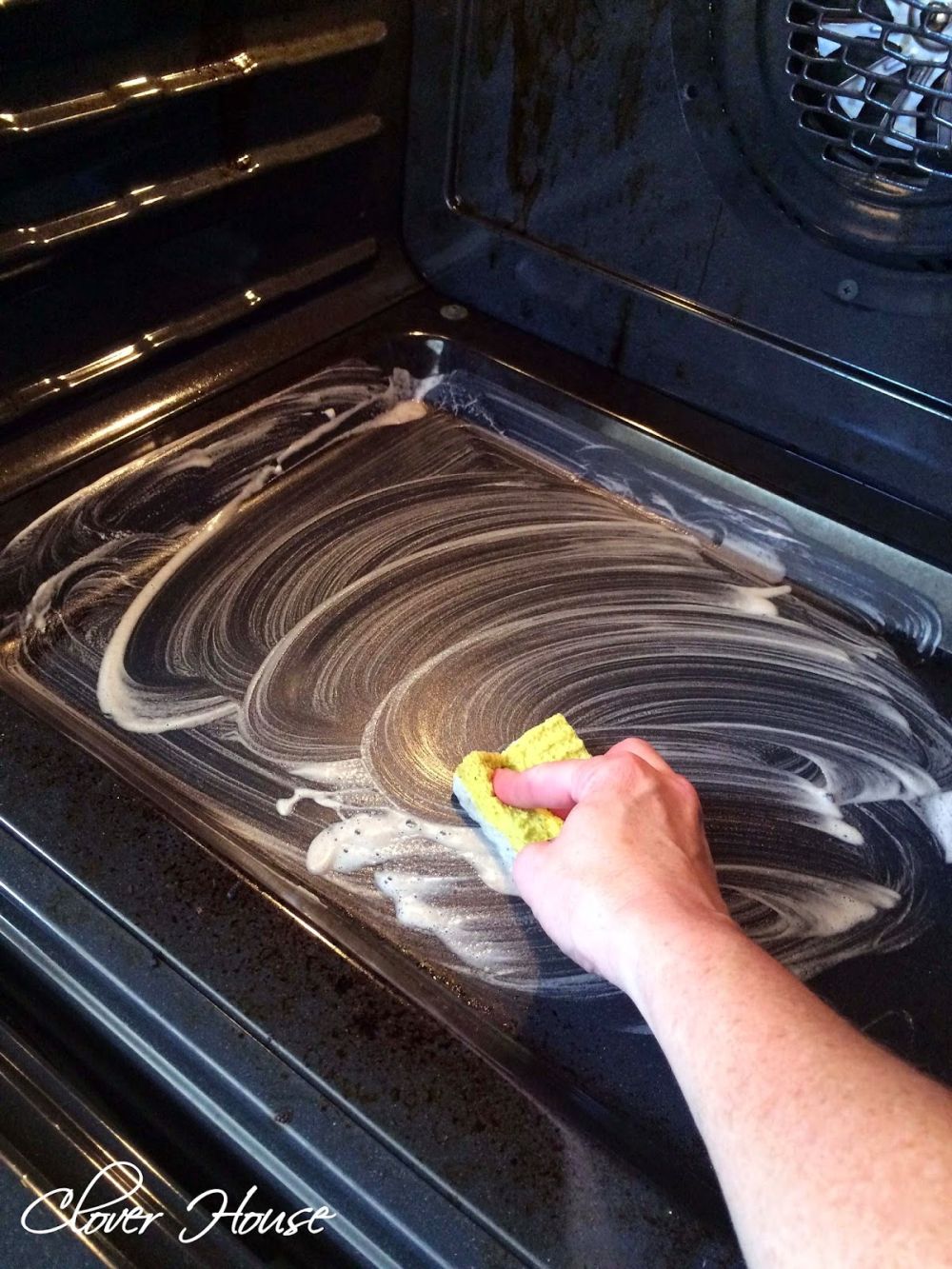
Using a green-and-yellow sponge, she spread the mixture across the oven floor and scrubbed the dark residue. Curved sponge marks covered the surface, with some of the cleaner collecting along the edges.
Pinterest instructions suggested leaving the mixture for 20 minutes before wiping it away.
That didn’t happen. More scrubbing removed some residue, but the grease remained stubborn enough that she considered the experiment unsuccessful for an oven in this condition.
The Oven Racks Got a Different Treatment
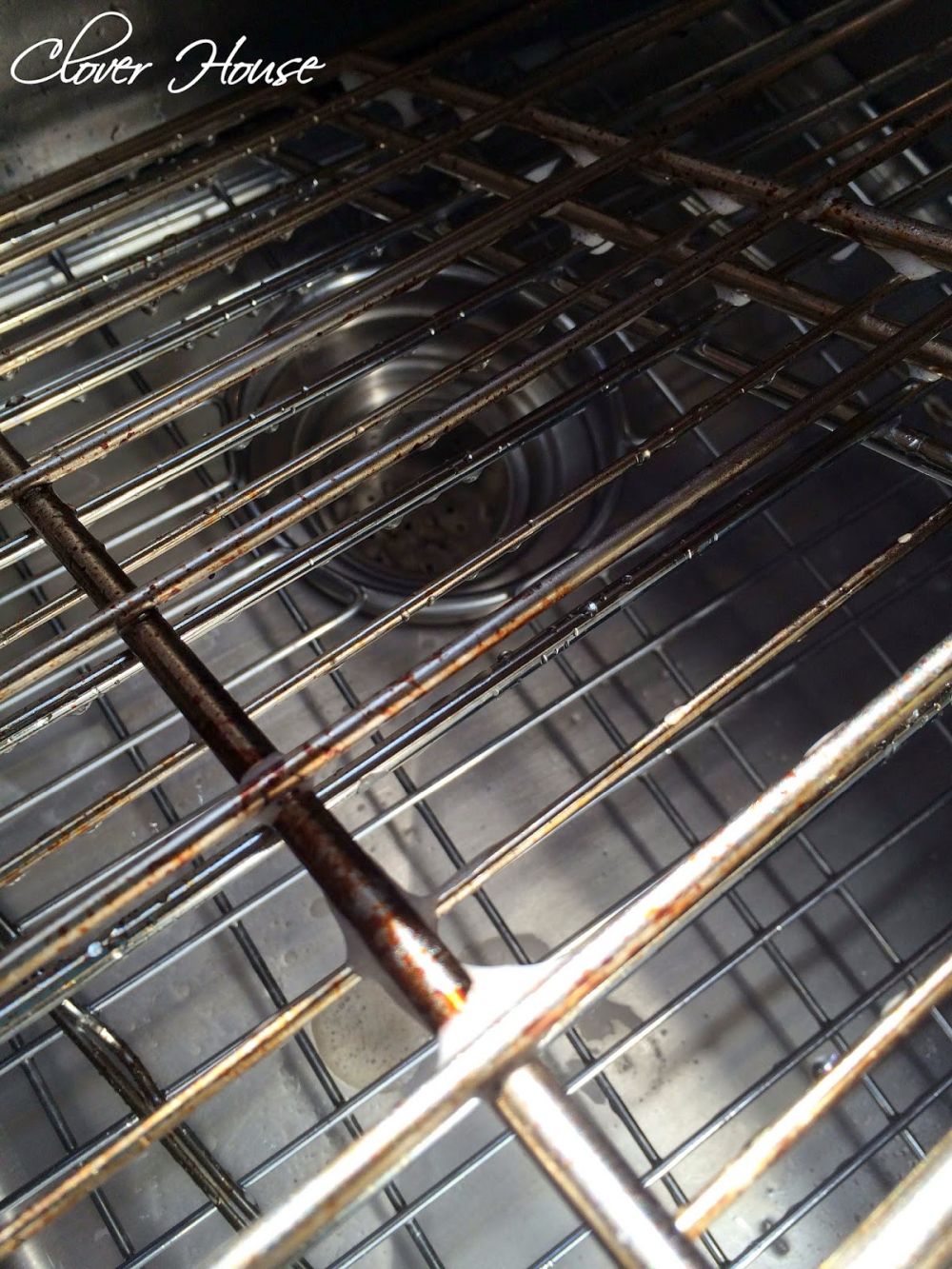
The racks had brown deposits along the metal bars, which required a separate cleaning method.
Instead of applying the baking soda mixture, she filled a bathtub with enough hot water to cover the racks and added 3/4 cup of Dawn dish soap.
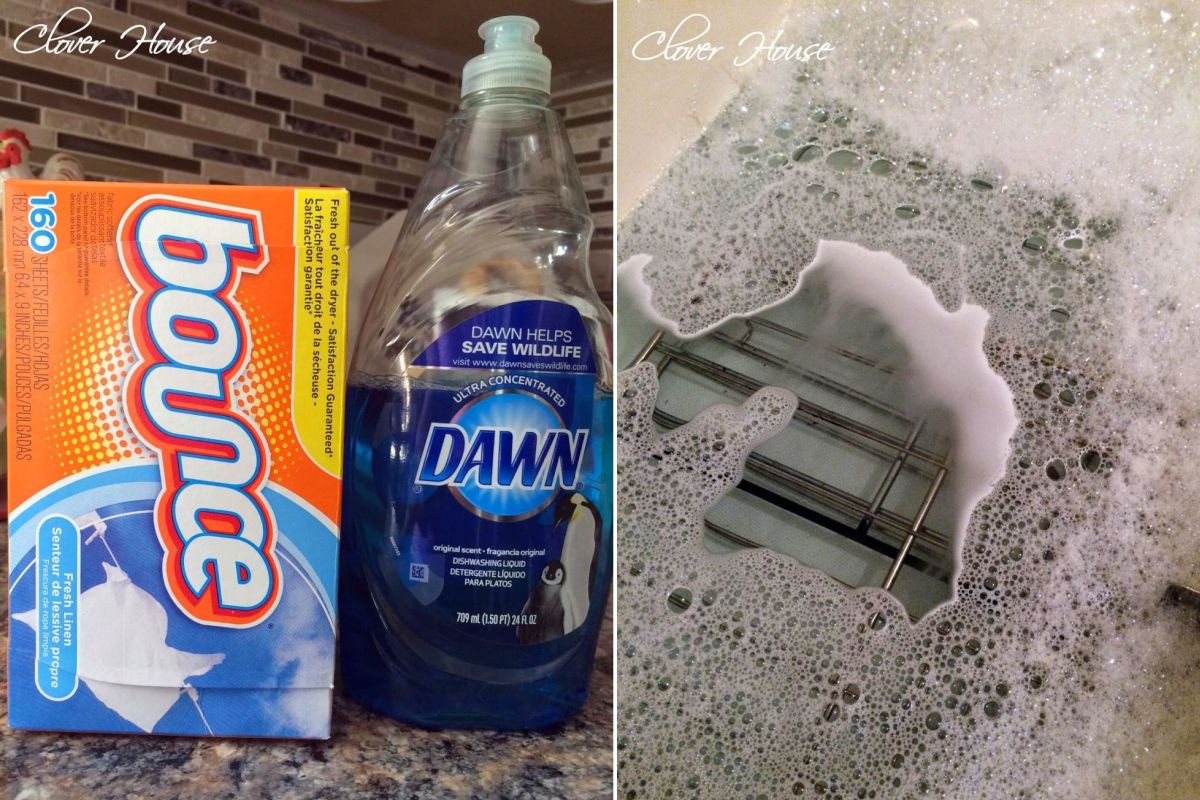
She left the racks soaking for eight hours, then used a Bounce dryer sheet to help remove remaining residue.
Her assessment was more positive than the oven-floor experiment. Most of the stuck-on material came off, although the racks didn’t return to a spotless, new appearance.
The soap and hot-water soak were part of the original test; the photographs and account don’t establish that the dryer sheet was necessary for the result.
Scrubbing Helped, but the Oven Still Wasn’t Clean
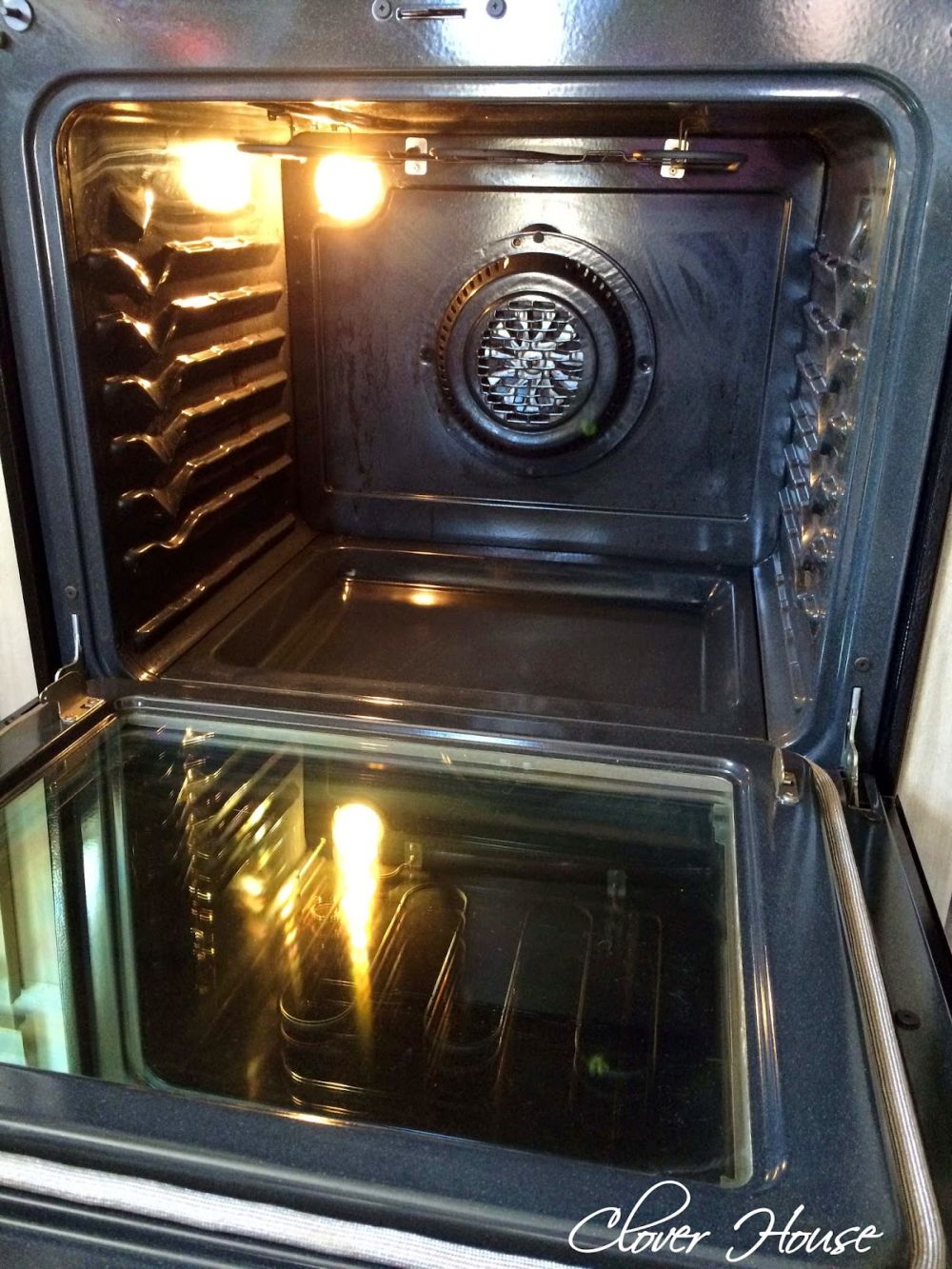
After the first cleaning attempt, the oven floor looked much better than before, with less residue across its surface. Dark staining remained along the interior walls and around the rear fan housing.
The homeowner had spent time applying the mixture, waiting, and scrubbing, yet the result fell short of what she expected.
Rather than repeat the process, she switched to the oven’s built-in self-cleaning cycle.
Three Hours in Self-Clean Mode Made the Difference
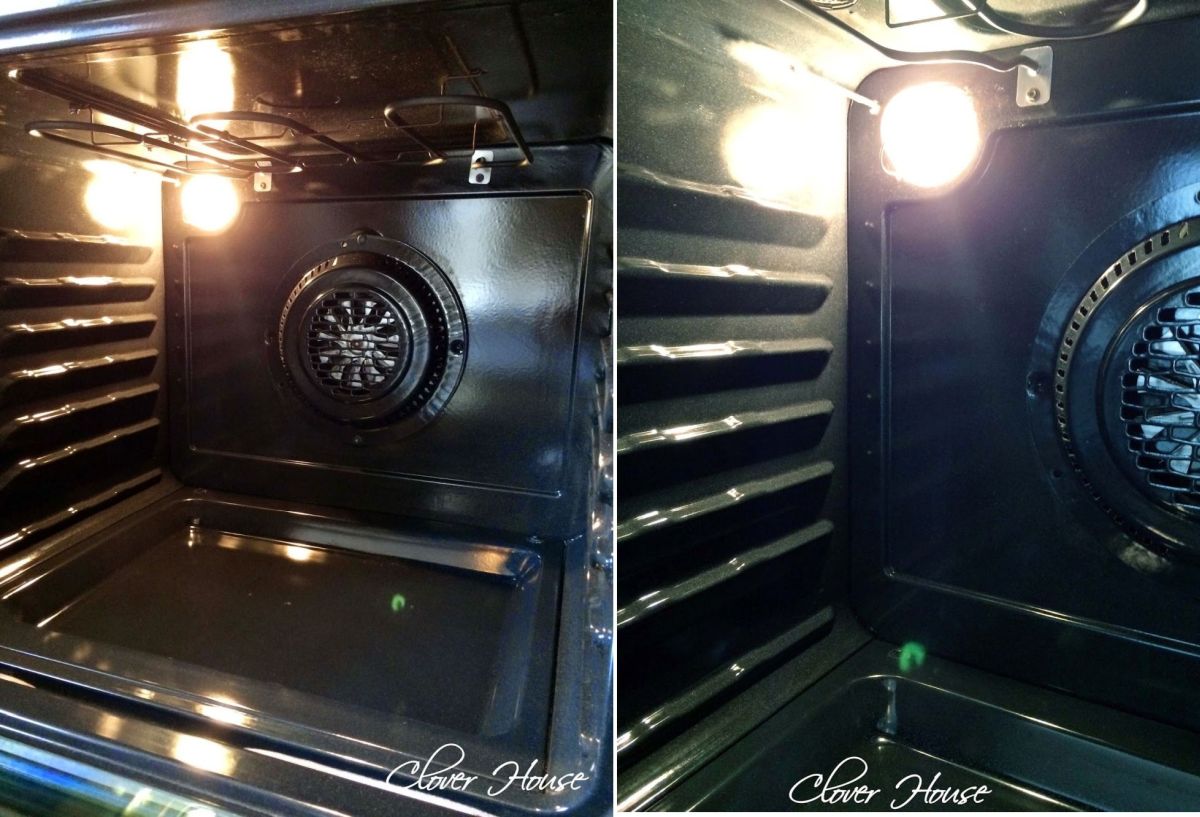
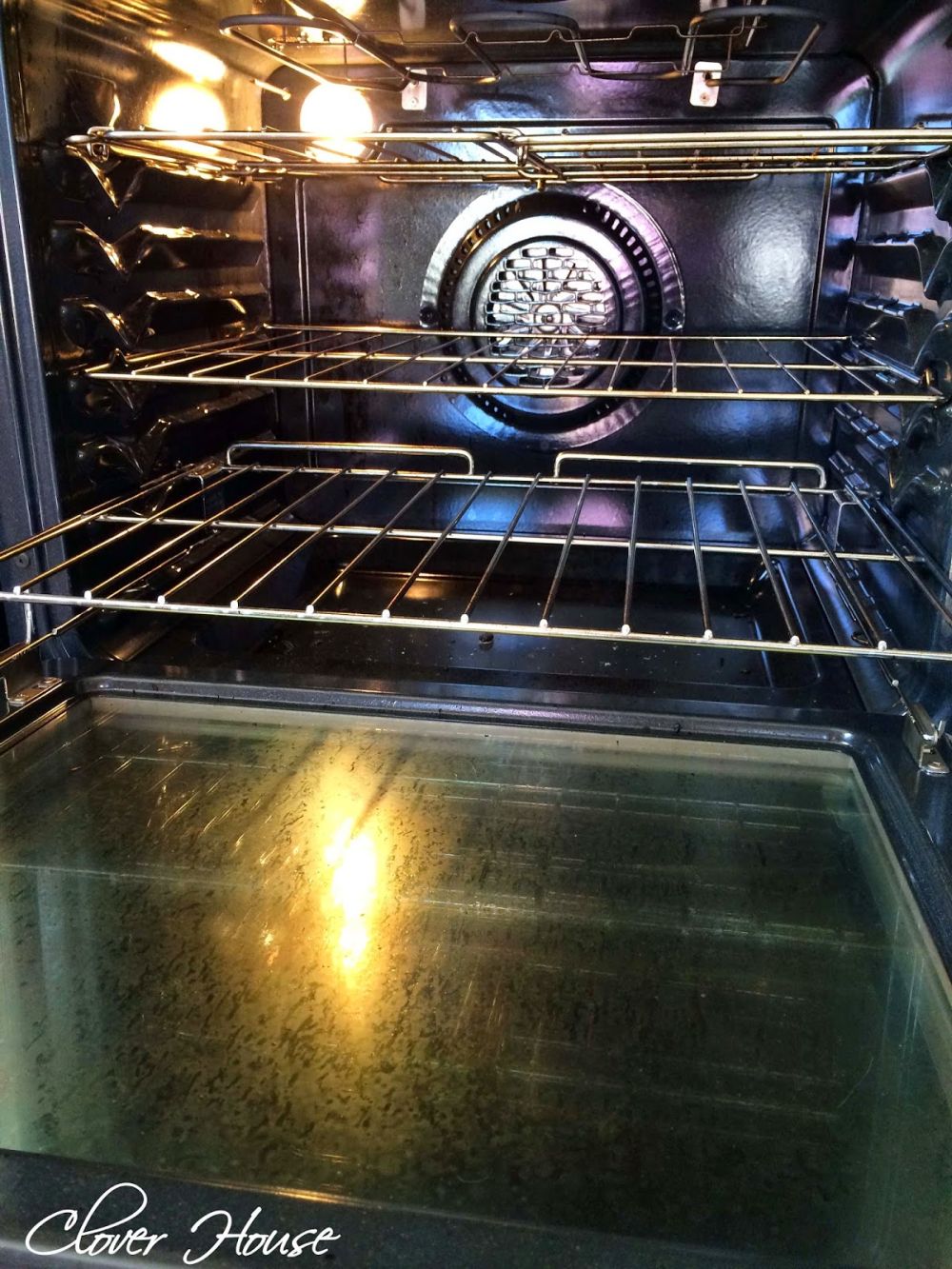
After the three-hour self-cleaning cycle, the oven interior appeared much cleaner. The floor had a dark, even finish, and the rear panel showed fewer visible deposits than before.
Self-cleaning ovens use high temperatures to break down baked-on food into ash, which can be wiped away after the appliance cools.
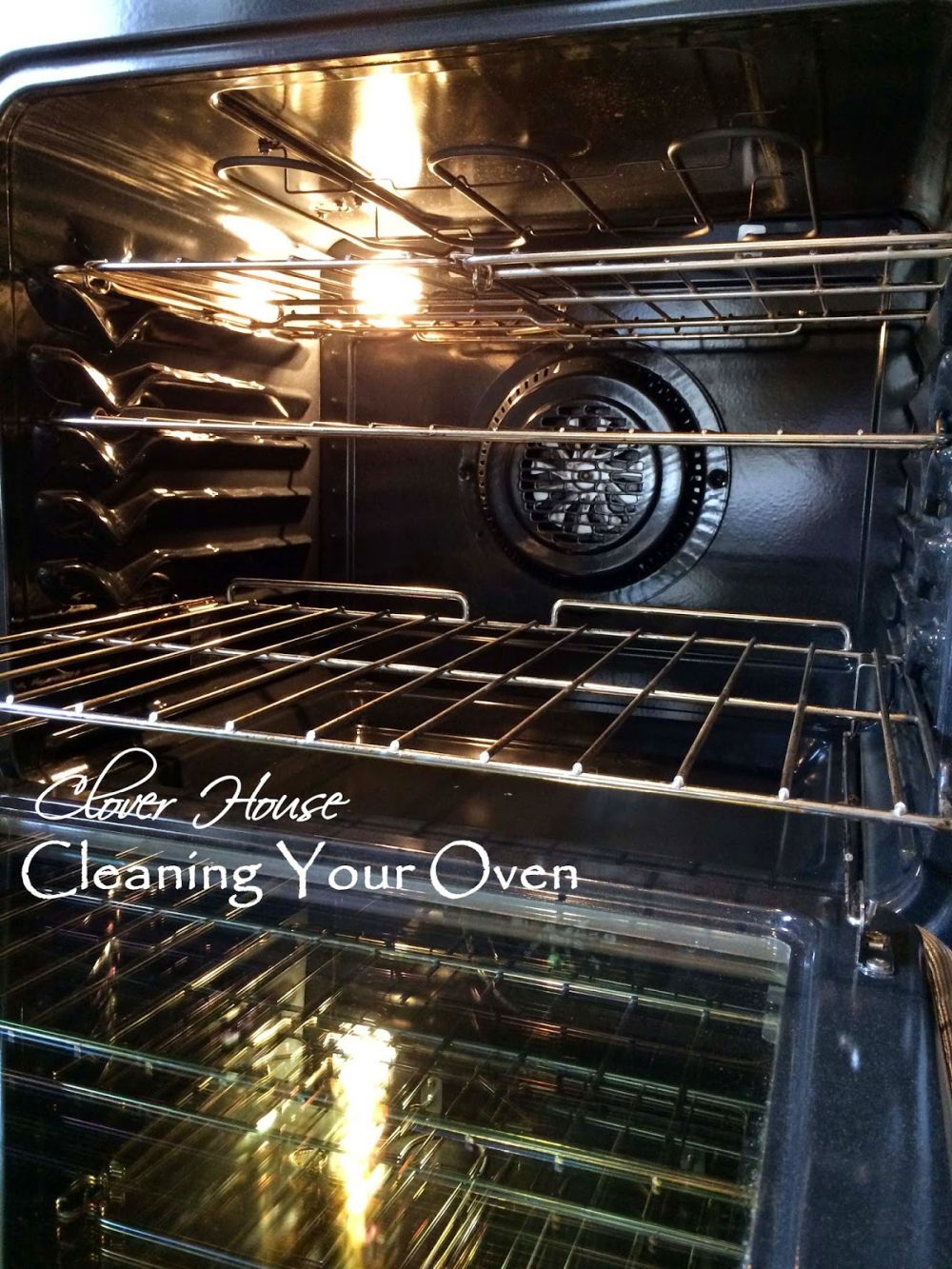
The final photograph shows the oven with its racks back inside and a clearer view through the door glass.
For this heavily soiled oven, the built-in cycle produced the result the homemade mixture had failed to deliver.
What to Know Before Trying Either Method
The experiment doesn’t mean Dawn, baking soda, and vinegar can never help with oven cleaning. It shows that this particular mixture, followed by 20 minutes of waiting, wasn’t enough to remove the homeowner’s baked-on grease.
For routine cleaning, use products approved for the oven’s interior finish. Baking soda can serve as a mild abrasive, while dish soap can help lift grease. Mixing baking soda with vinegar creates foam but isn’t necessarily more effective than using the ingredients for separate tasks.
Self-cleaning also comes with precautions. Check the oven manual before starting a cycle. Many manufacturers instruct owners to remove racks and loose debris, keep the kitchen ventilated, and avoid touching the hot oven. Heavy grease can produce smoke, so the feature shouldn’t be treated as a substitute for routine cleaning.
Would you try the Dawn, baking soda, and vinegar mixture, or use your oven’s self-cleaning feature? Sometimes, a popular cleaning trick takes more work than the method already built into the appliance.
Project and photographs: DeeDee, Clover House.
Sources and Additional Guidance: Whirlpool – Running a High Temperature Clean Cycle, Whirlpool – Using High Temperature Clean on an Electric Range