Putting whole oranges in the oven after cutting the peel: why people recommend doing it and what it’s for


Putting whole oranges in the oven might sound like a cooking method, but cutting the peel before drying creates a different kind of Christmas decoration. Instead of flat orange slices, the fruit keeps its round shape and becomes something you can hang on a tree.
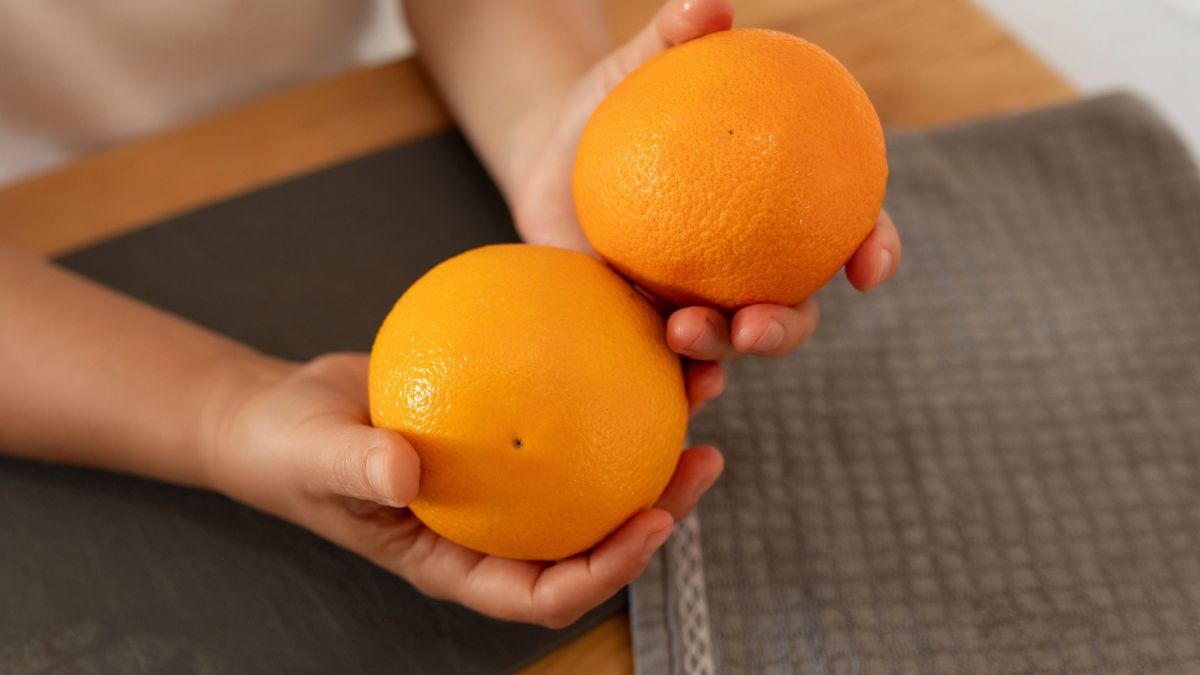
Homedit DIY creator Brittney Smart used fresh oranges, a knife, and a low oven for this project. She cut eight slits into each peel without separating the fruit into pieces.
As the oranges dry, the cuts begin to open, the peel changes color, and the fruit loses much of its weight. What comes out of the oven looks nothing like the oranges that went in.
Eight Cuts Through the Peel, Not the Fruit
The project starts with fresh oranges, a sharp knife, a baking sheet, and string for hanging. No ornaments or molds are needed.
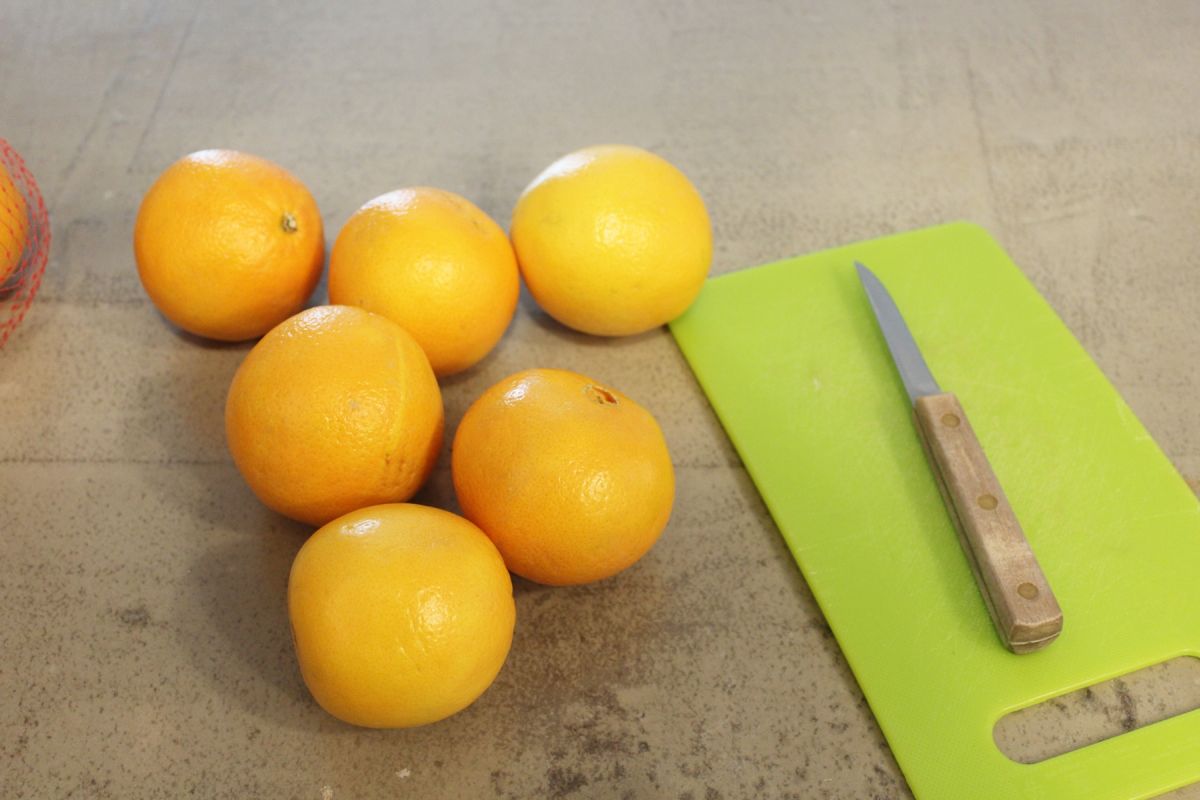
Smart cut into the peel from near the top of each orange toward the bottom, stopping short of both ends. The first cuts divided the surface into four sections.
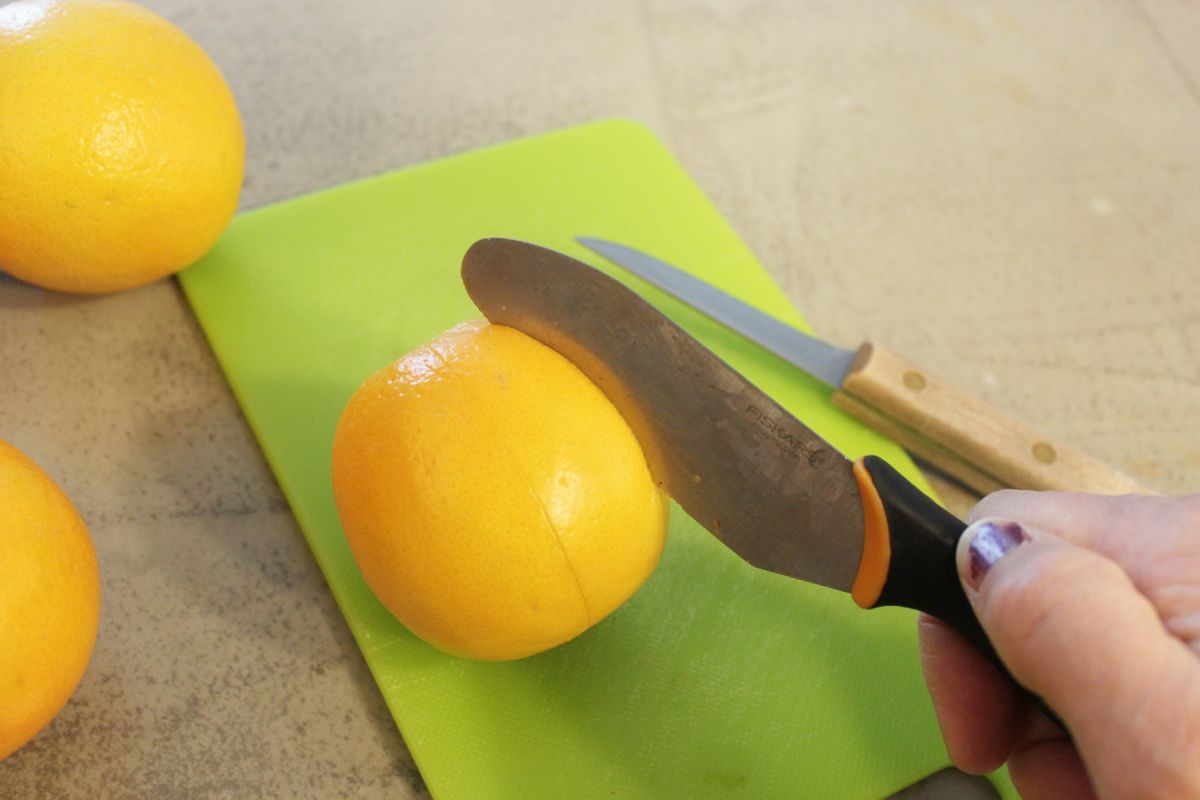
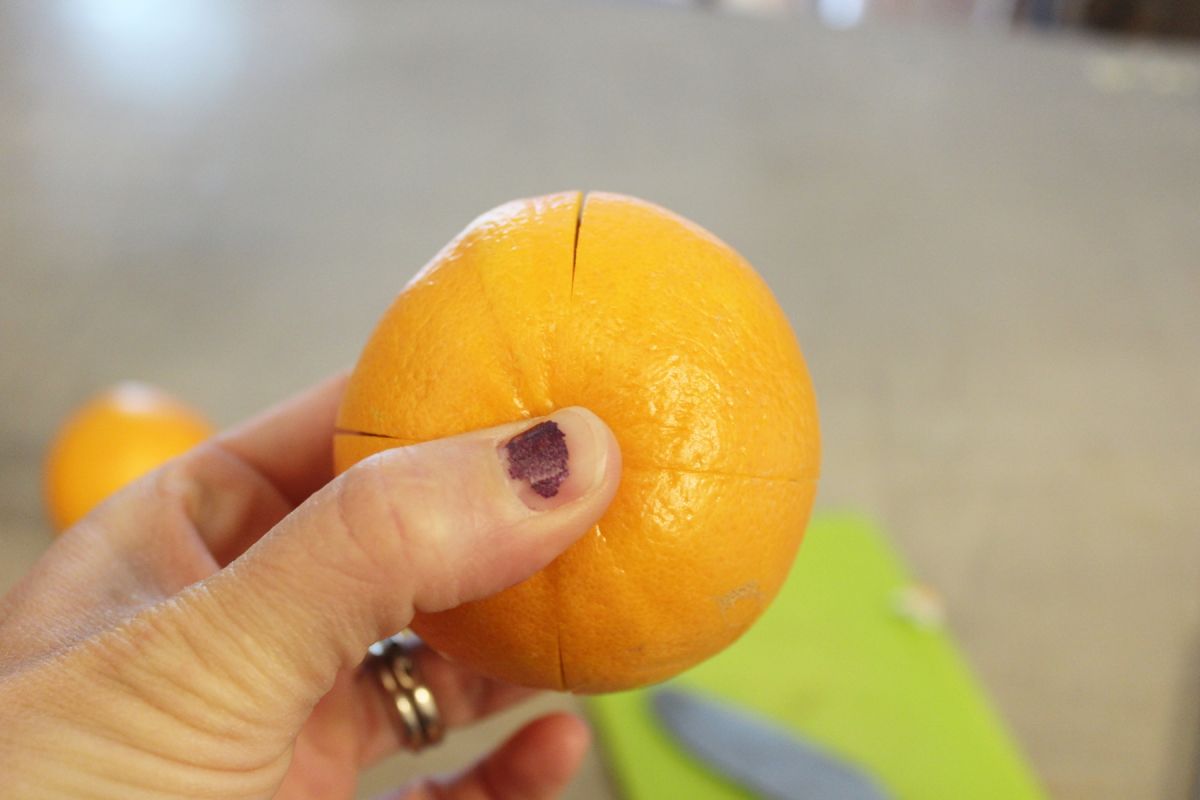
Each quarter received another cut, creating eight sections around the fruit. The peel remained attached at both poles, holding the orange together.
One Fresh Orange Weighed More Than Six Ounces
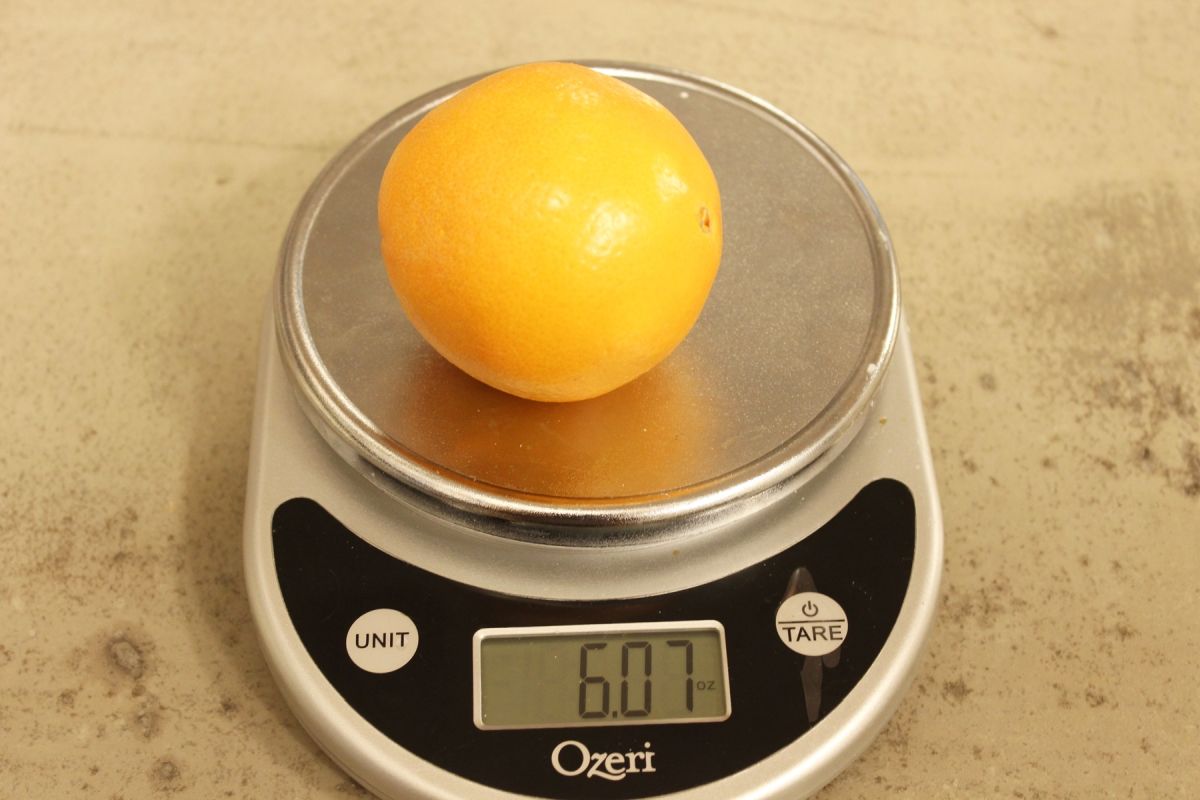
Before drying, one orange weighed 6.07 ounces. Much of that weight came from water inside the fruit, which would need to evaporate before the orange could hang from a Christmas tree.
The Oranges Went Into a Low Oven
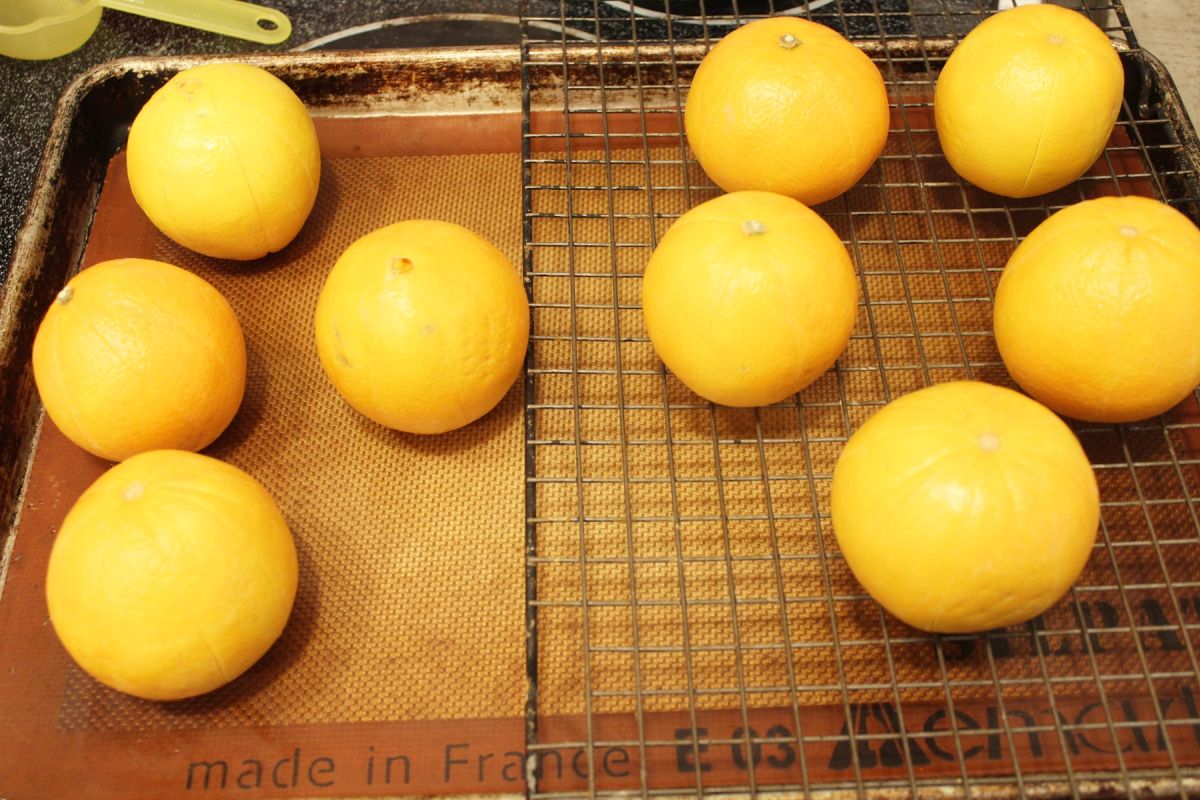
Smart tested two drying surfaces: a silicone baking mat and a metal cooling rack set over a baking sheet. The oranges sat apart from one another, with their cut peels facing outward.
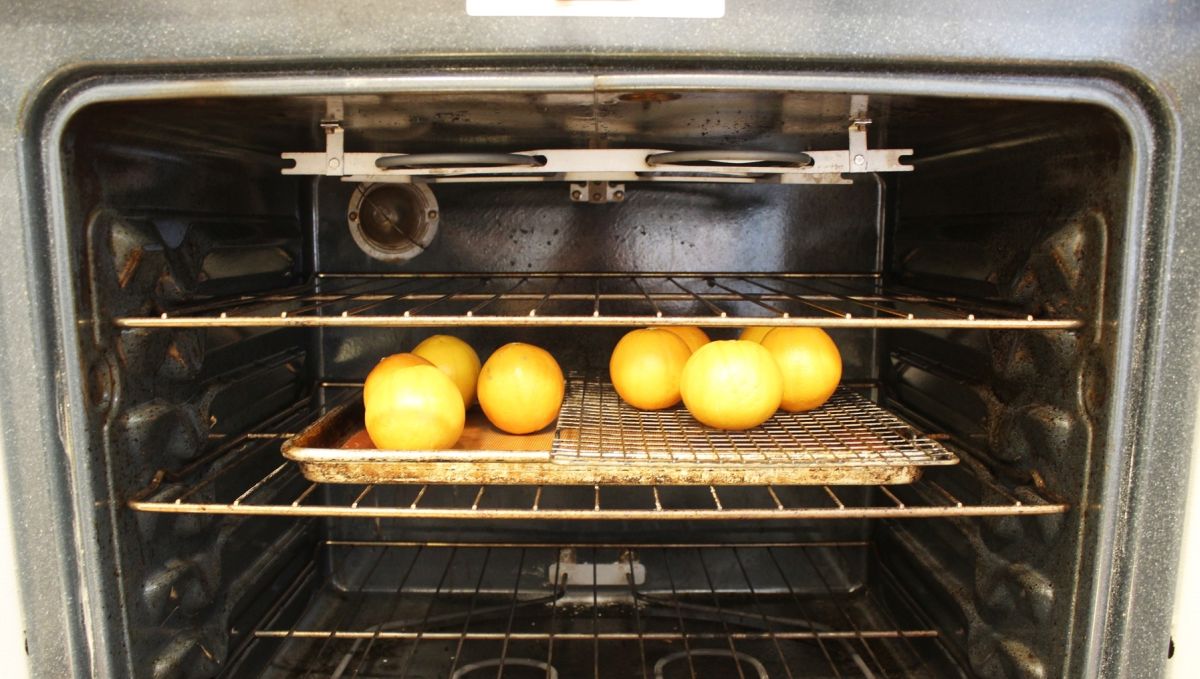
The oven temperature was set between 170°F and 190°F, with a drying time of 24 to 48 hours depending on fruit size. Both the rack and the baking mat worked in her test.
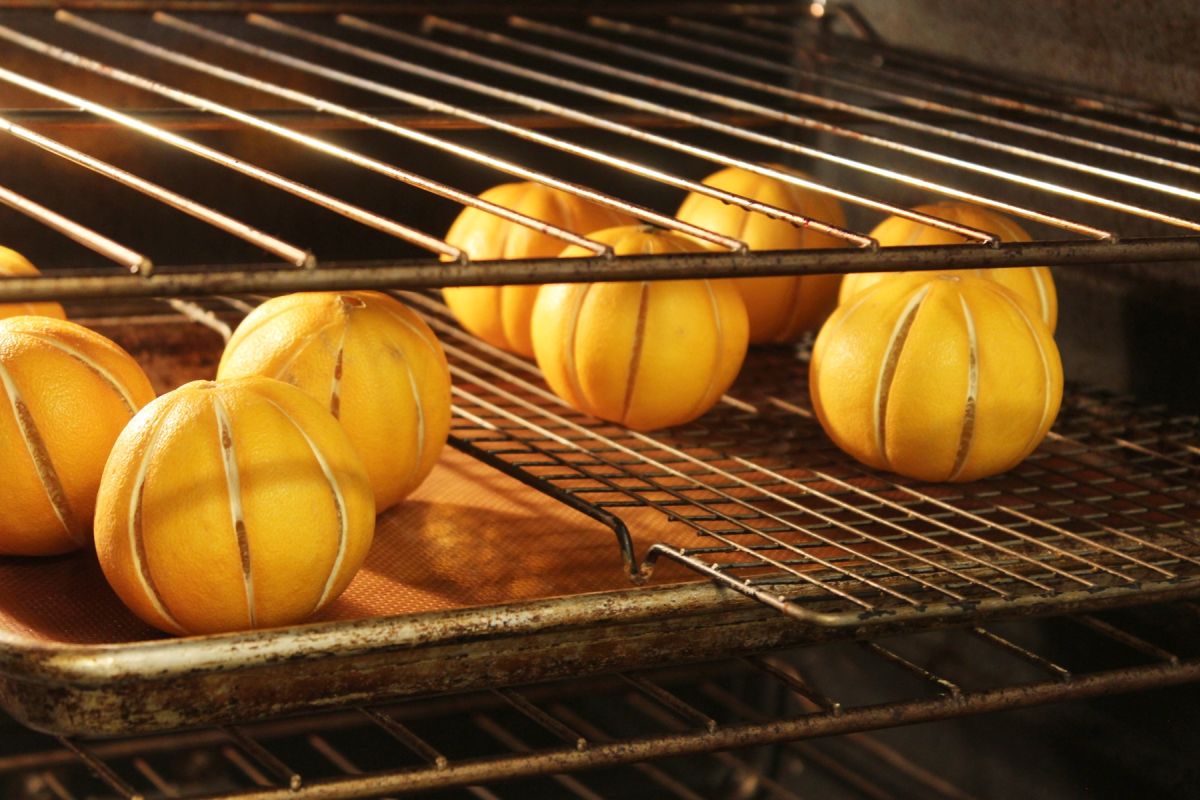
Over the next several hours, the oranges began to shrink. The once-narrow cuts widened into curved openings, exposing pale pith and darker pulp between the strips of peel.
Smart turned the fruit during drying to expose different sides to the heat.
Some Cuts Needed to Go Deeper
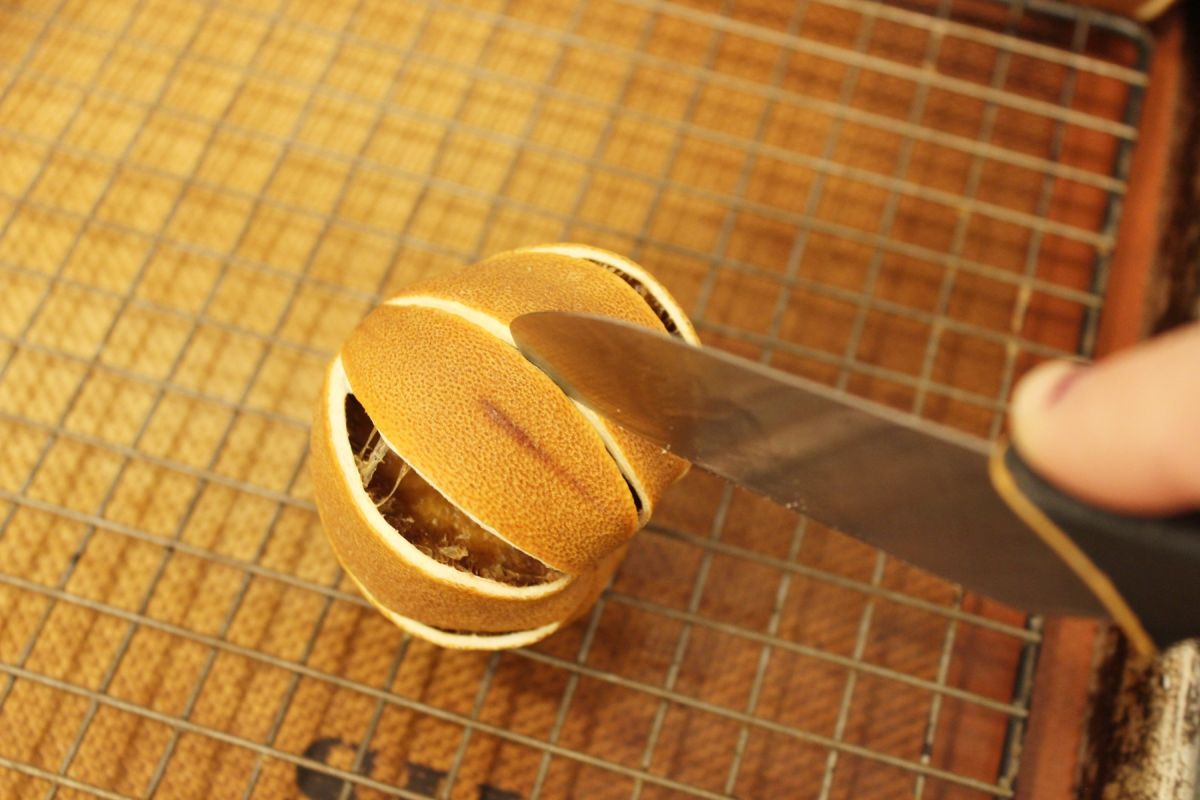
Not every slit opened at the same rate. Where the knife had failed to cut through the peel, the dried surface remained connected.
Smart returned to those sections with her knife, extending the cuts so the peel could separate as the fruit lost more moisture.
The Orange Lost Almost 78% of Its Weight
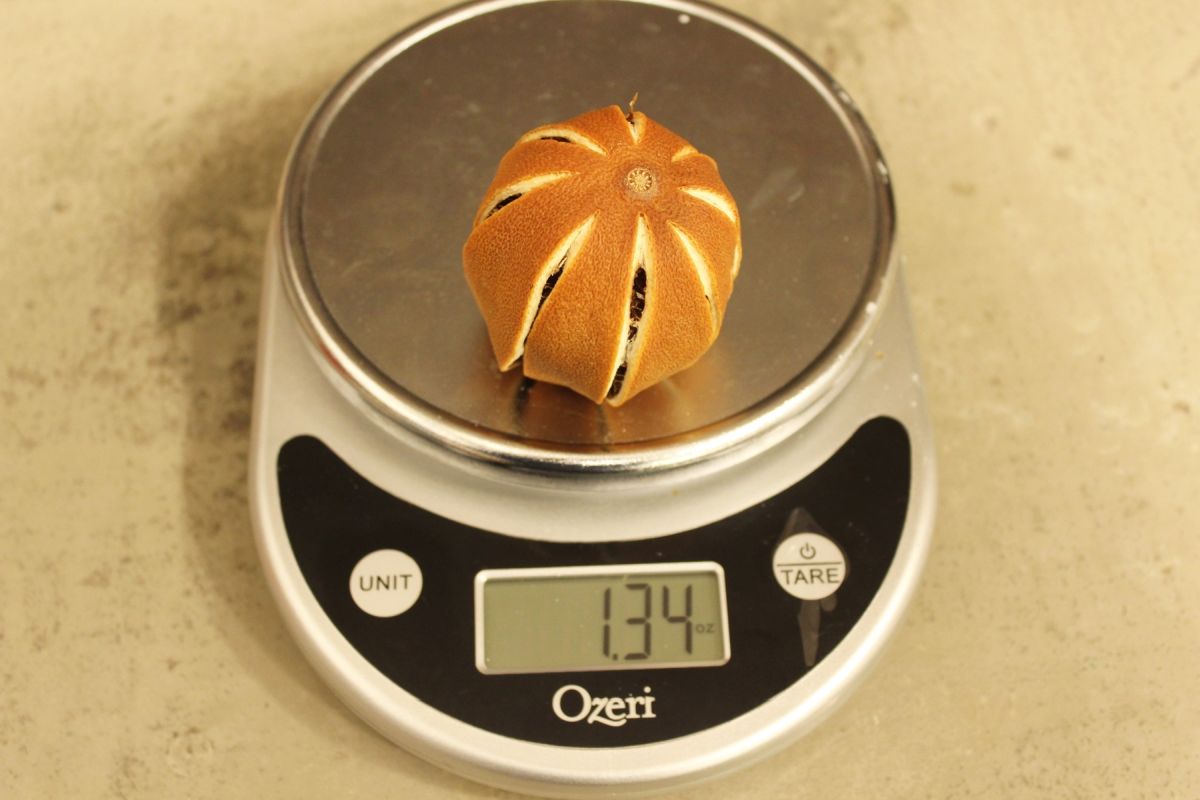
The orange that started at 6.07 ounces weighed just 1.34 ounces near the end of drying, a loss of 4.73 ounces.
Its peel had turned a deeper brown-orange, with eight narrow strips curving from the top toward the bottom. The dried pulp remained inside rather than being scooped out.
A Piece of String Turned It Into a Christmas Ornament
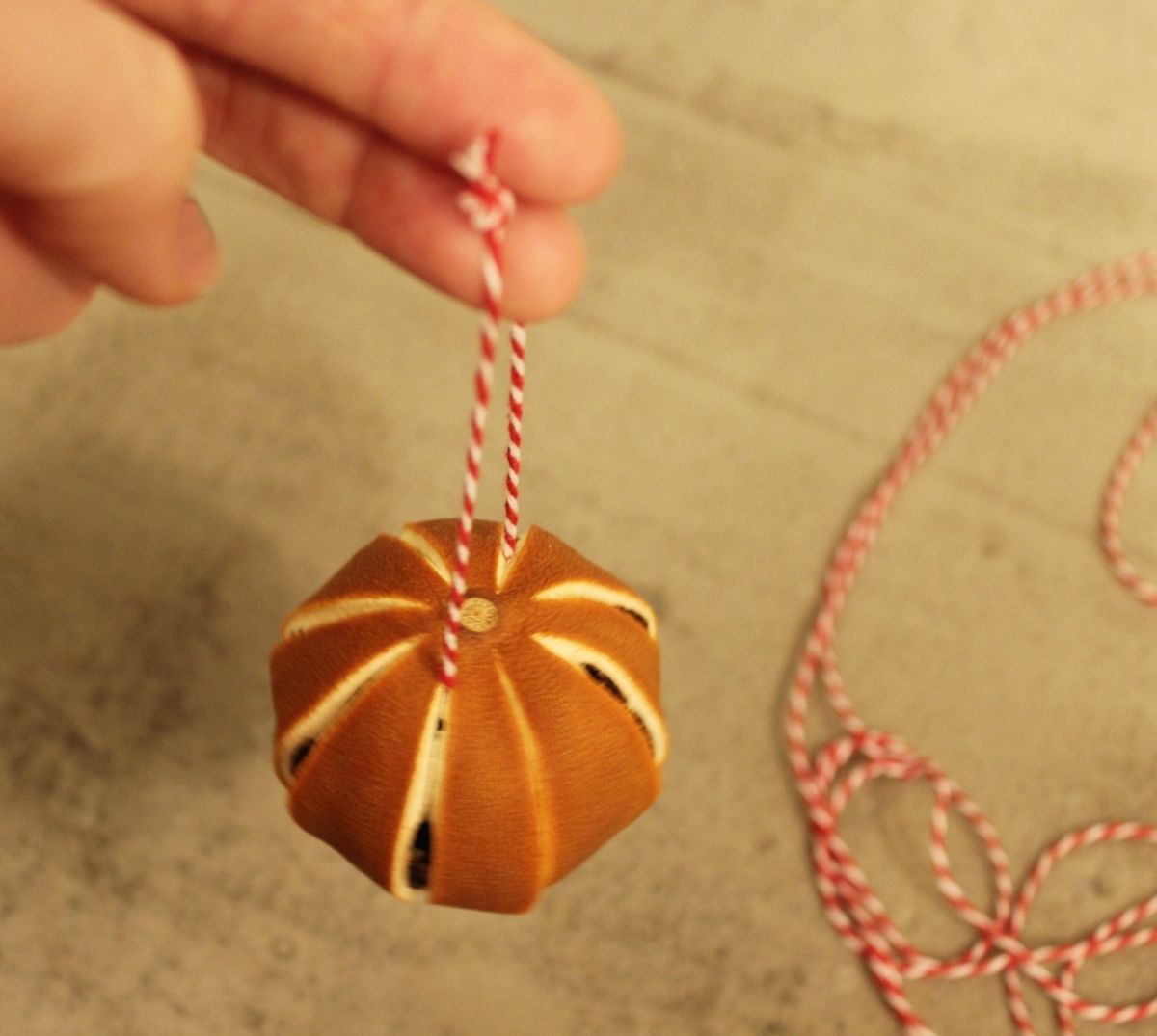
Once the orange had dried and cooled, Smart threaded red-and-white baker’s twine through the top with a large needle. The string passed through opposite sides near the stem, forming a loop for hanging.
The original cuts now formed the ornament’s design, with strips of orange peel separated by pale edges and dark openings.
Hung from evergreen branches, the dried oranges resemble small striped Christmas balls. Their round form remains, but the reduced weight makes them better suited to hanging than fresh fruit.
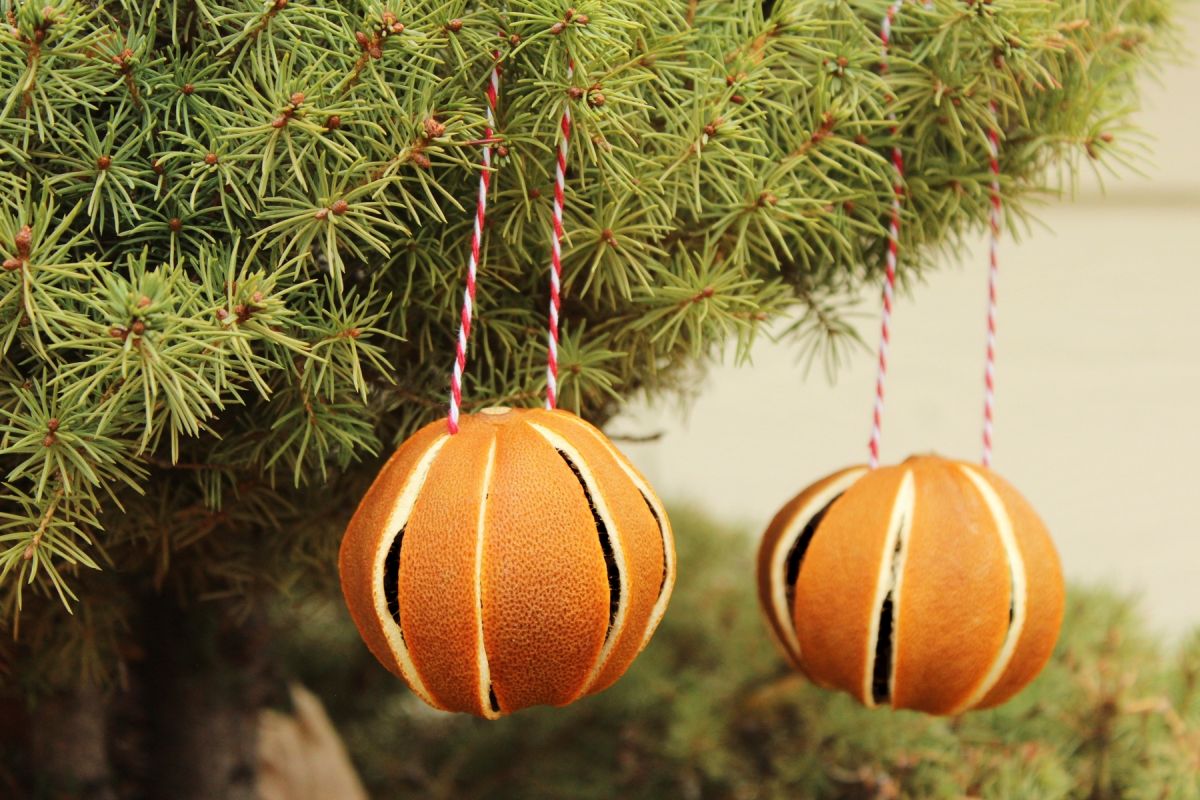
Eight cuts through the peel, a low oven, and a piece of string. That’s how a whole orange becomes a Christmas tree ornament.
Image credits go to Homedit.com