Putting lime and lemon slices in a food dehydrator: why people recommend doing it and what it’s for


Putting lime and lemon slices in a food dehydrator might sound like a way to preserve fruit, but the result has another use at Christmas. Instead of hanging whole oranges or buying ornaments, thin citrus rounds can become decorations for evergreen branches.
Homedit DIY creator Brittney Smart sliced fresh citrus into ¼-inch rounds and placed them in a dehydrator set to 135°F. Before drying, she made one small hole near the rind of each slice, a step that makes hanging the finished ornaments easier.
As the fruit loses moisture, the slices shrink, the colors change, and the citrus segments become more pronounced. After drying, a piece of fishing line turns each slice into a Christmas ornament without paint or glitter.
Start With Fresh Limes and Lemons
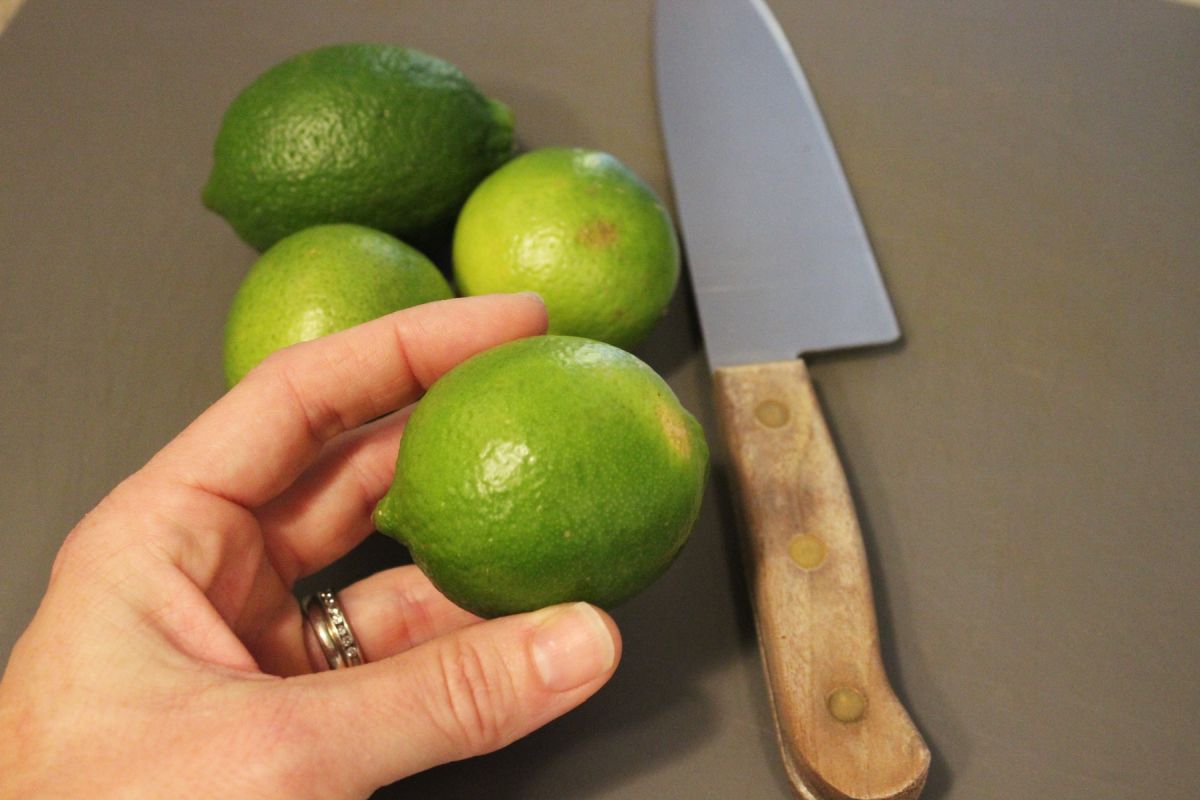
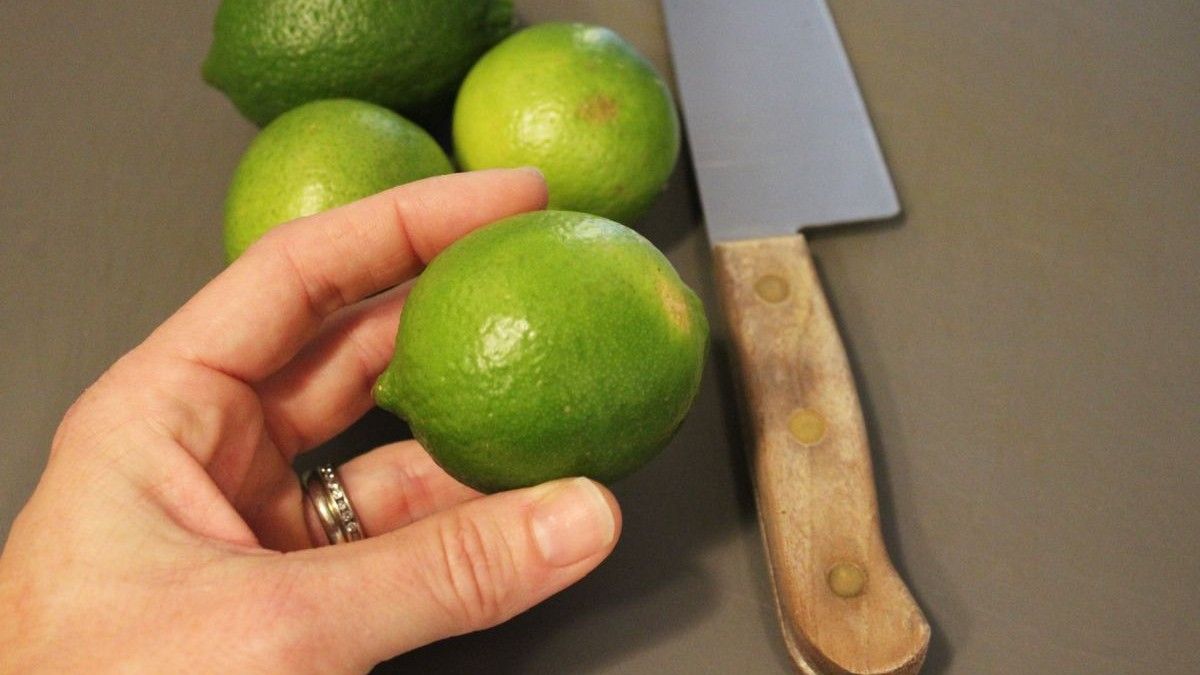
Wash the fruit and dry the rind before cutting. Choose limes and lemons with firm skins, since the peel needs to remain attached to the flesh throughout the drying process.
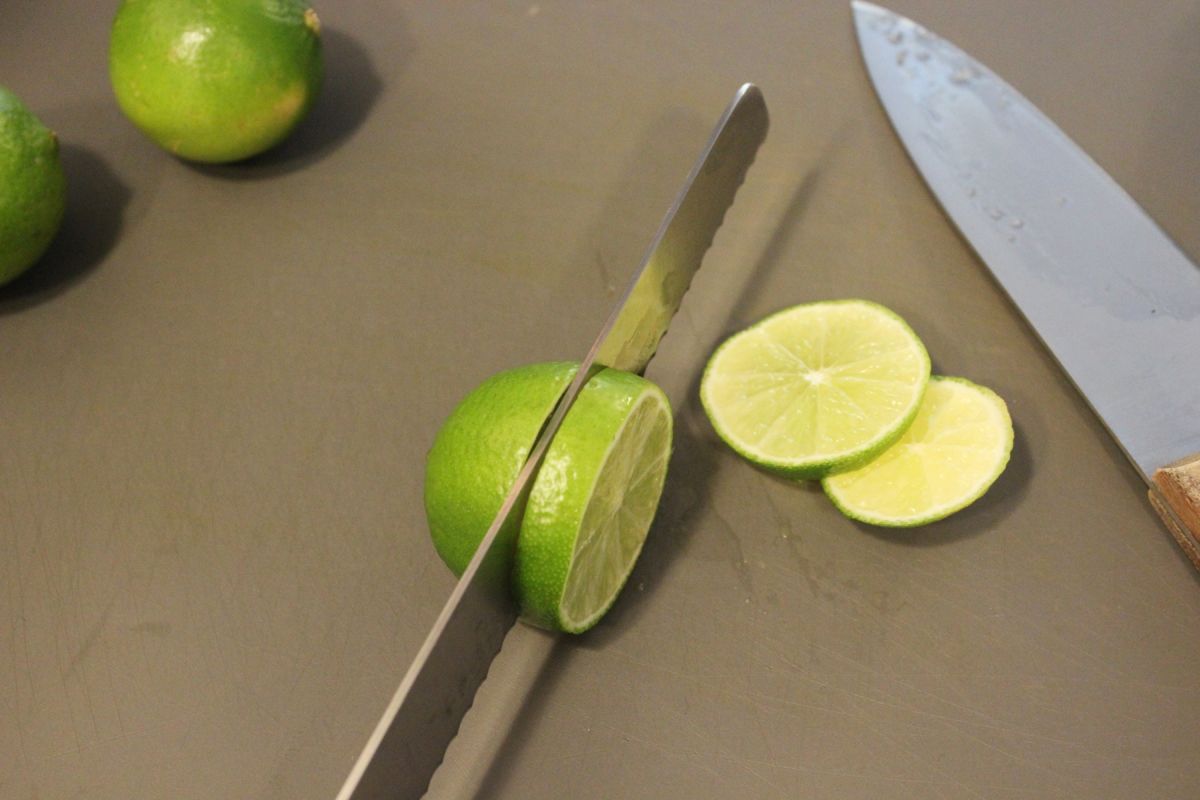
Cut each fruit crosswise into rounds about ¼ inch thick. Slices of similar thickness help prevent thin pieces from drying before thicker ones.
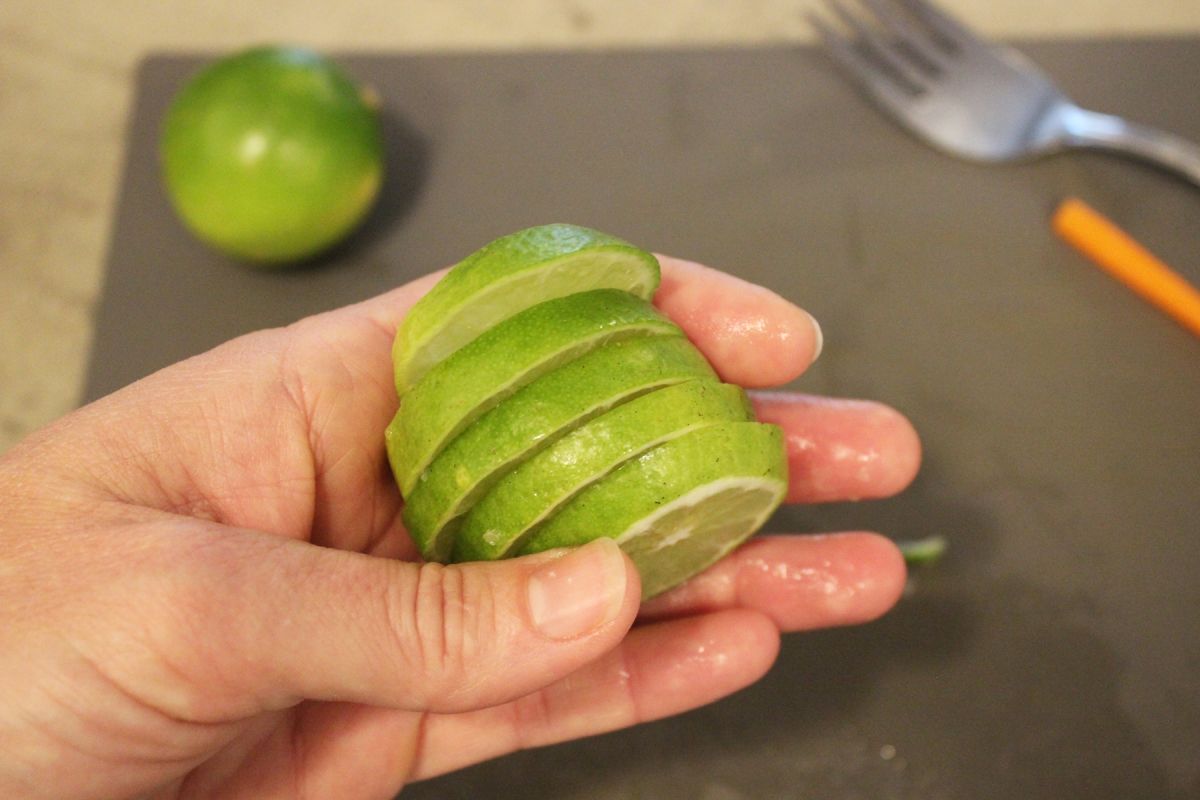
The cut rounds should retain their circular shape, with green or yellow rind surrounding the pale citrus segments. Keep the peel attached, since it will form the outer border of each ornament.
Make the Hanging Hole Before Drying
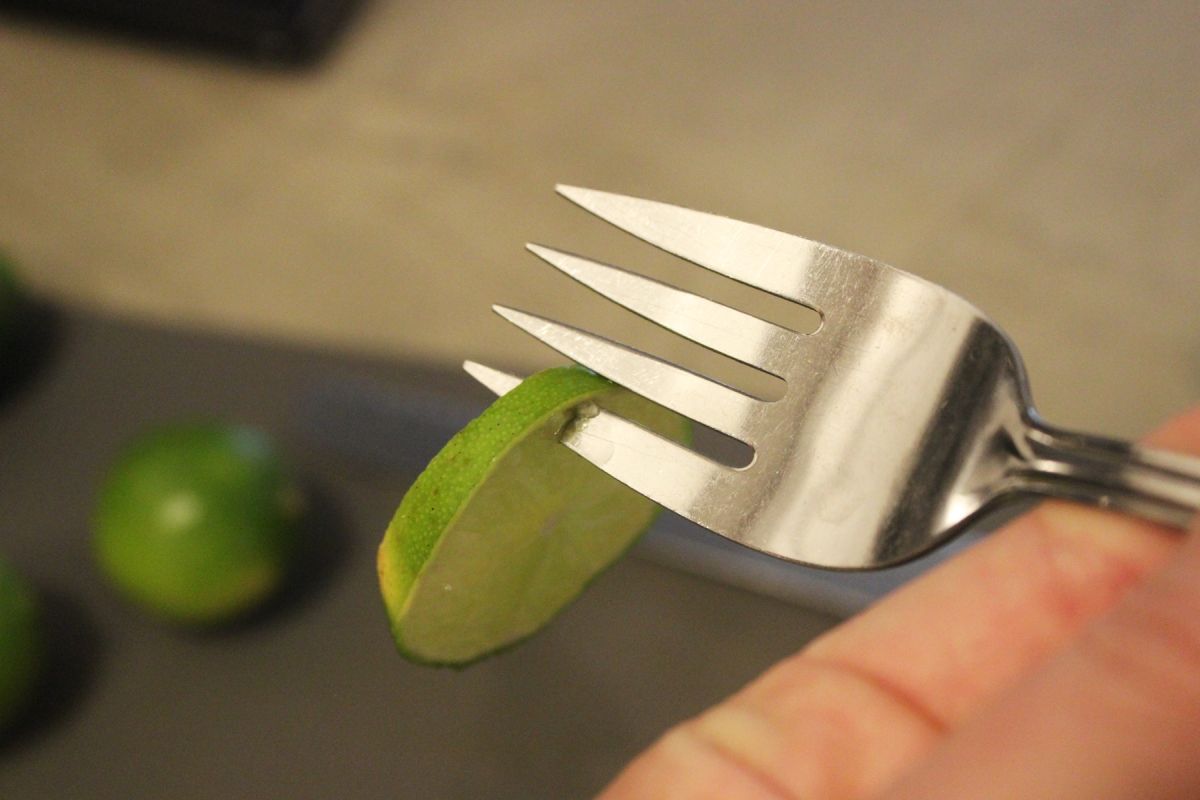
Use one tine of a fork to pierce a small hole near the rind. Position it within the flesh, close enough to the outer edge for a string or fishing line to pass through without cutting the peel.
The opening needs to be small because the fruit will shrink as it loses water. Making the hole at this stage also avoids putting pressure on a brittle dried slice.
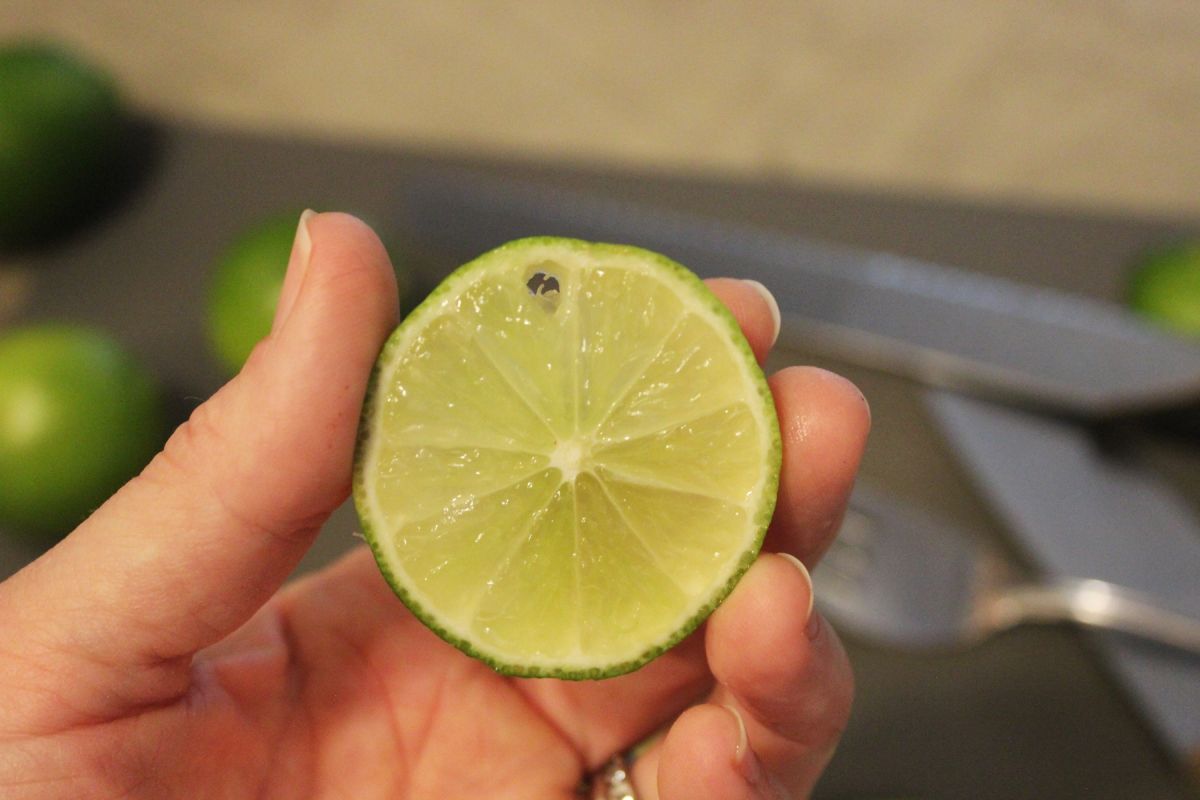
Check the cut fruit for seeds and remove them before placing the slices in the dehydrator. The citrus segments should remain connected around the center.
Arrange the Slices on a Dehydrator Tray
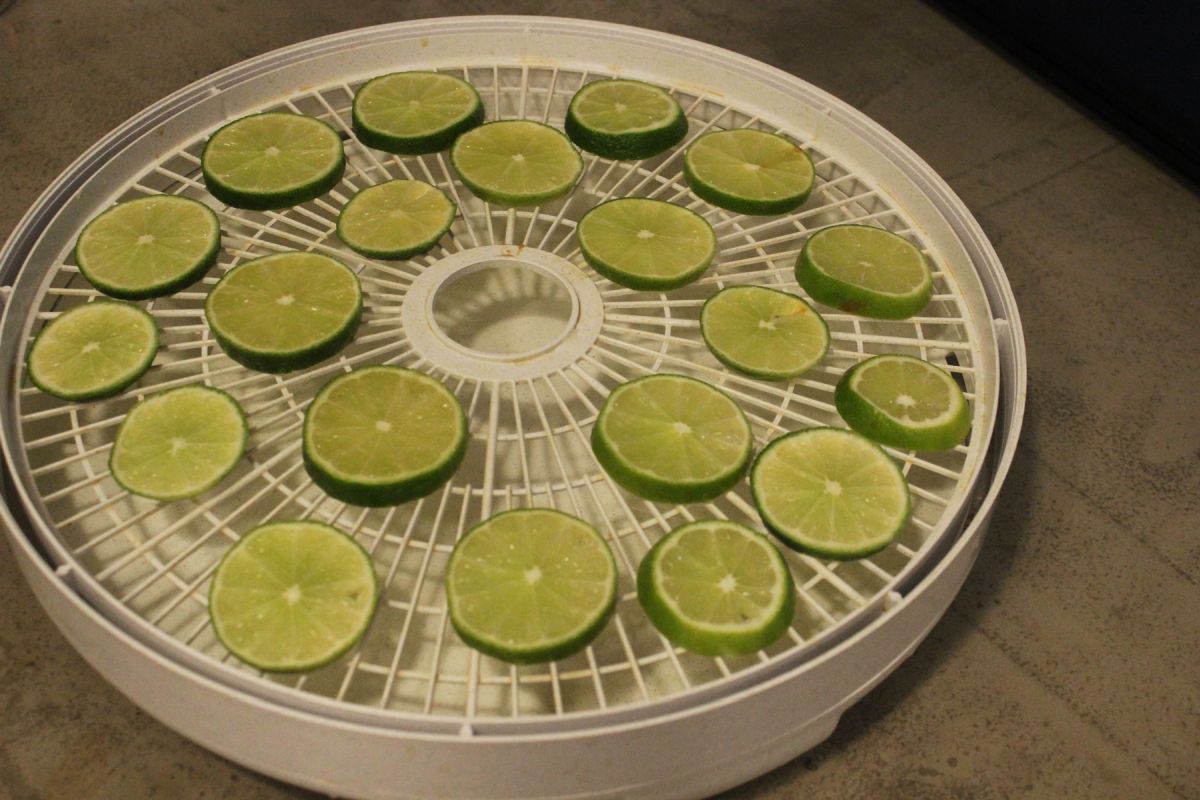
Place each lime slice flat on the dehydrator rack, leaving space around the edges so air can pass between the pieces.
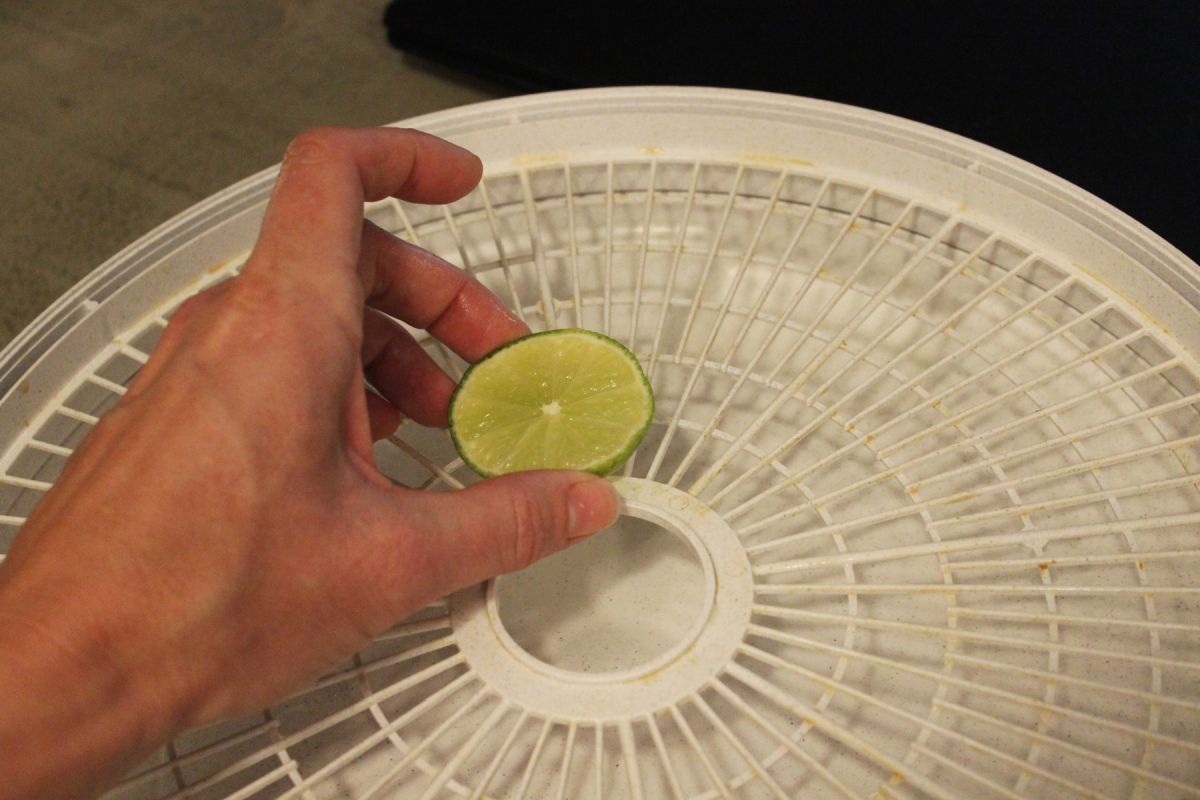
The tray can hold several slices, but the rounds shouldn’t overlap. This gives exposed surfaces access to the circulating air.
Lemons can go through the same process. Their pale yellow flesh and thicker white pith produce a different appearance from green lime slices.
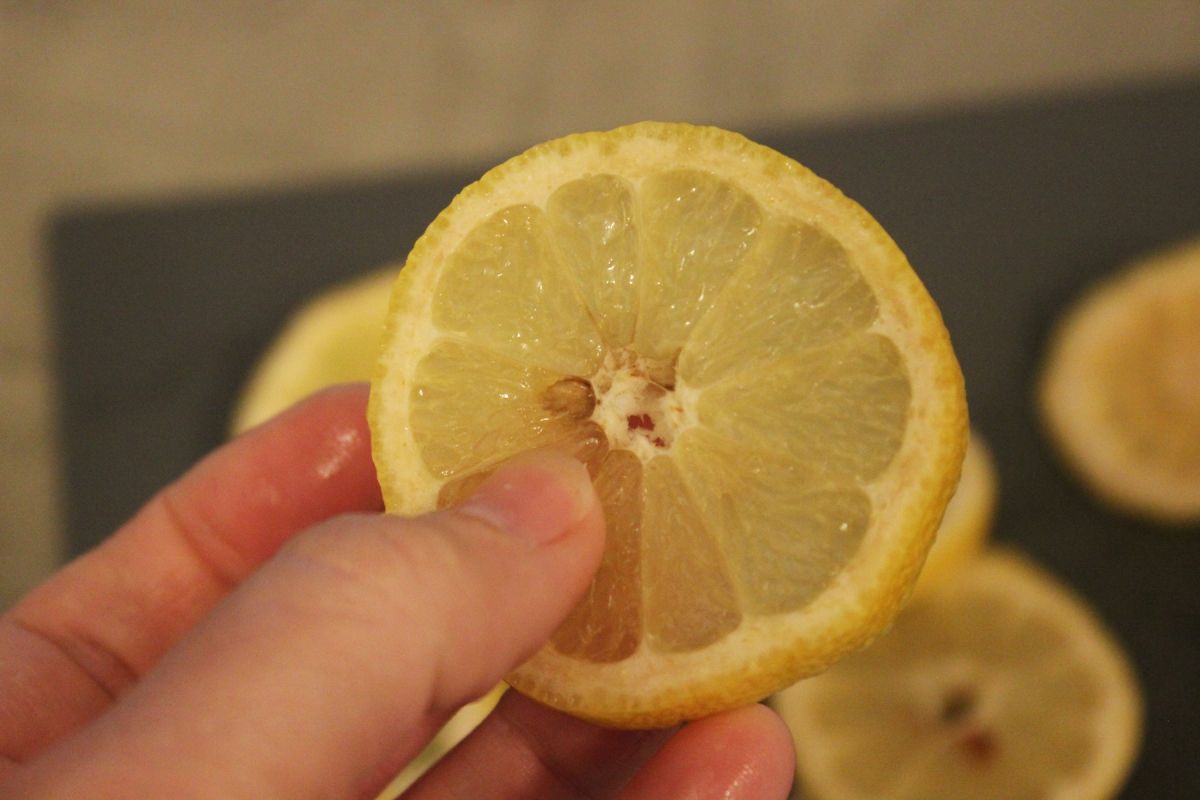
Spread the lemon rounds across another tray, removing visible seeds before loading the dehydrator. Multiple trays can be stacked according to the appliance’s instructions.
Set the Dehydrator to 135°F
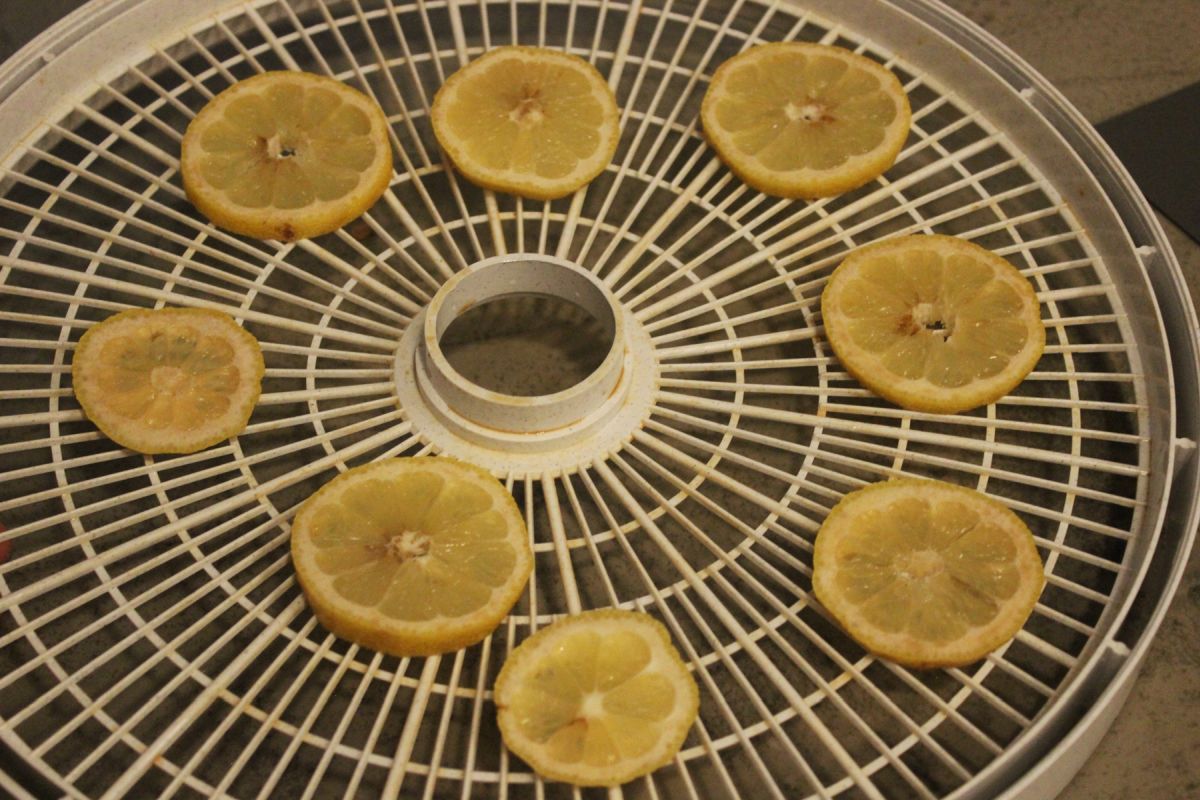
Smart used a temperature of 135°F and began checking the fruit after about four hours. Drying time depends on the thickness of the rounds, the moisture in the fruit, and the dehydrator.
The slices need to lose their remaining moisture before becoming ornaments. If any sections still feel damp or sticky, return them to the dehydrator and continue checking until dry.
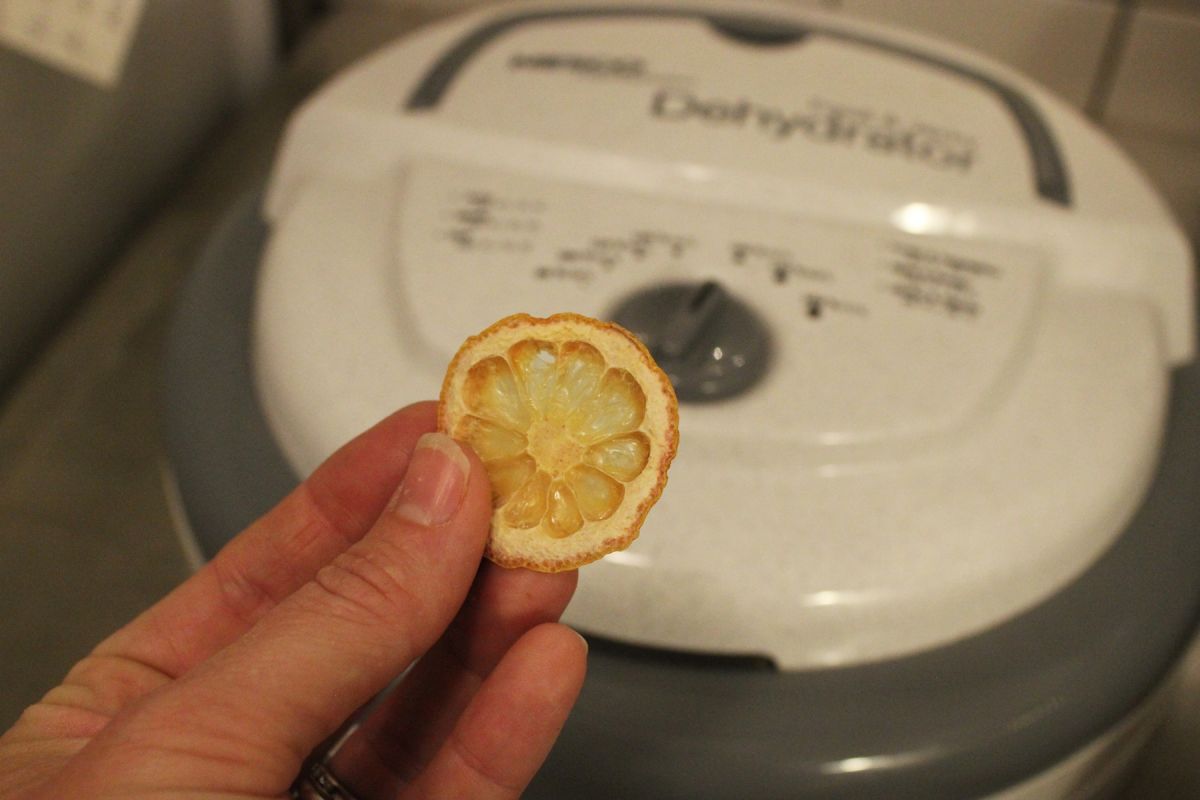
During drying, citrus flesh contracts and the peel becomes firmer. The colors also change, with lemon slices taking on a deeper yellow-brown shade.
Thread the Dried Citrus and Hang It on the Christmas Tree
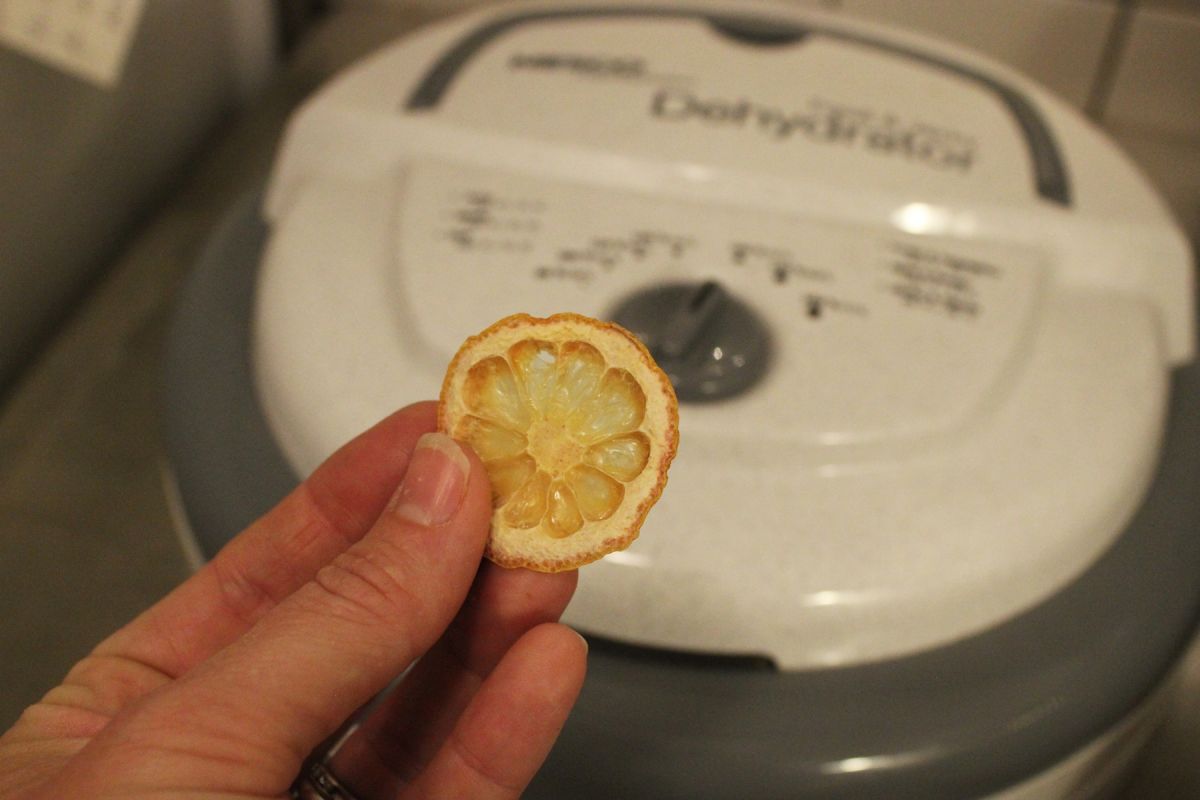
Once the slices have cooled, pass fishing line or thin string through the holes made before drying. A small paper clip can also serve as a hanger.
The finished lime ornament retains its green outer edge, while the dried segments form a pale pattern across the center.
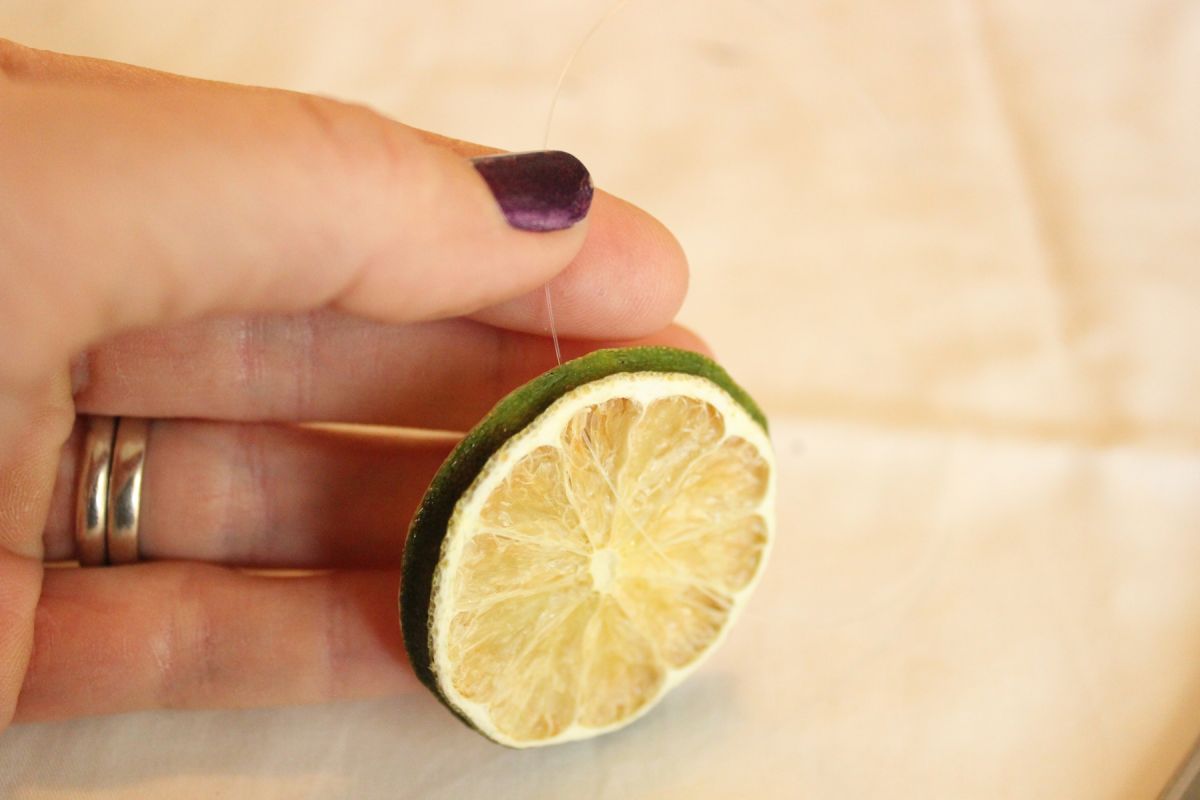
Orange slices offer another option, with deeper orange flesh and a white ring beneath the peel. The same method works for tangerines, provided the slices are thin enough to dry through.
Hung against evergreen branches, the dried fruit adds color without paint, glitter, or purchased ornaments.
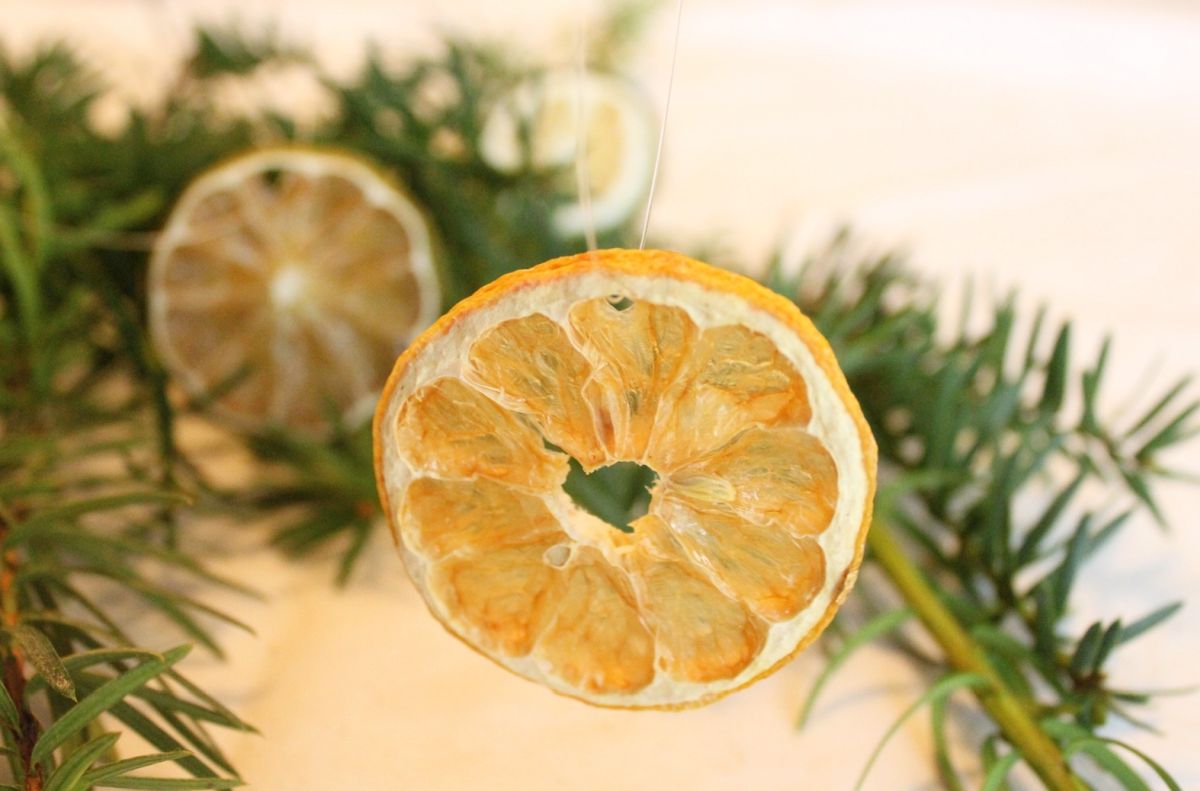
For a different result, try drying whole oranges in the oven after cutting the peel. The fruit keeps its round shape instead of becoming flat Christmas ornaments.
The trick is making a small hole near the rind before drying, so the finished citrus slices are ready to hang. Would you try this with limes and lemons, or choose oranges for their deeper color?
Image credits go to Homedit.com