Putting an Empty Tuna Can Under a Sprinkler: What It’s For and Why Gardeners Recommend It


You turn on the sprinkler, let it run for half an hour, and assume the grass has received enough water. The lawn looks wet, the sprinkler has covered the ground, and nothing seems wrong. Yet watering time doesn’t tell you how much water reaches the grass. An empty tuna can can reveal what the sprinkler timer cannot.
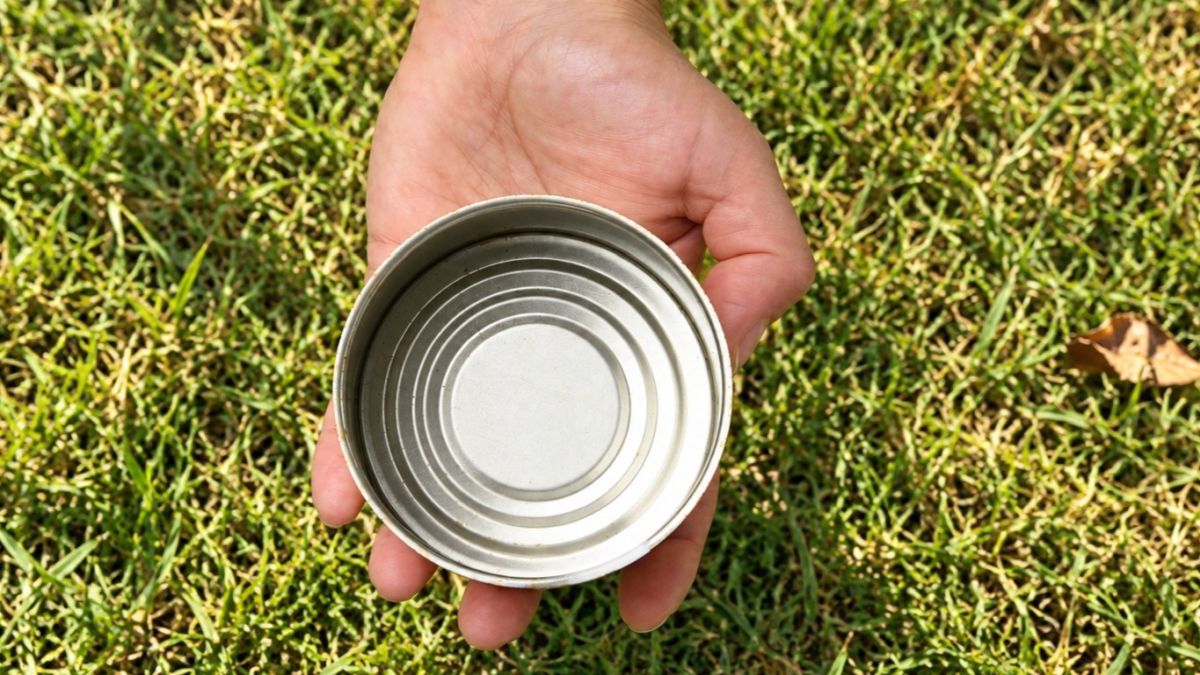
Nic Gates from the Nic Gates Show had struggled with grass seed and lawn treatments despite using his sprinkler. He decided to test how much water reached the grass rather than trust the amount of time he spent watering.
His experiment required an empty tuna can, a tape measure, and a Sharpie. The water collected inside the can exposed a difference between his initial watering time and the amount he wanted to apply
He Used a Tuna Can to Measure His Sprinkler
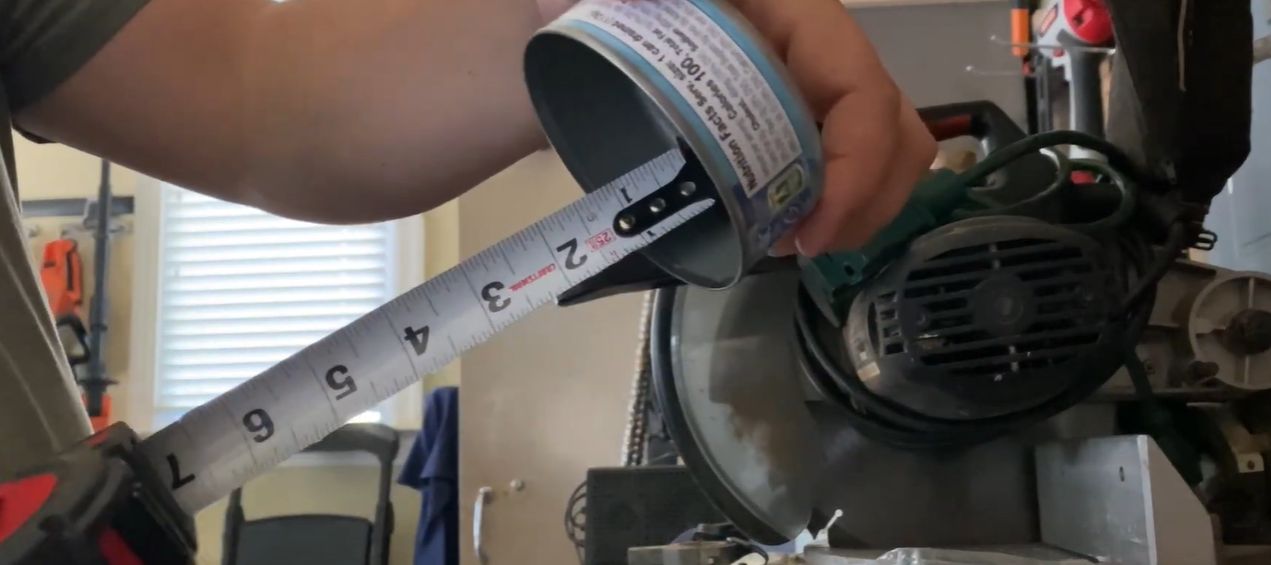
Gates started with an empty tuna can about 1¼ inches deep. He measured the inside with a tape measure, drew a line with a Sharpie, and carried it onto his lawn.
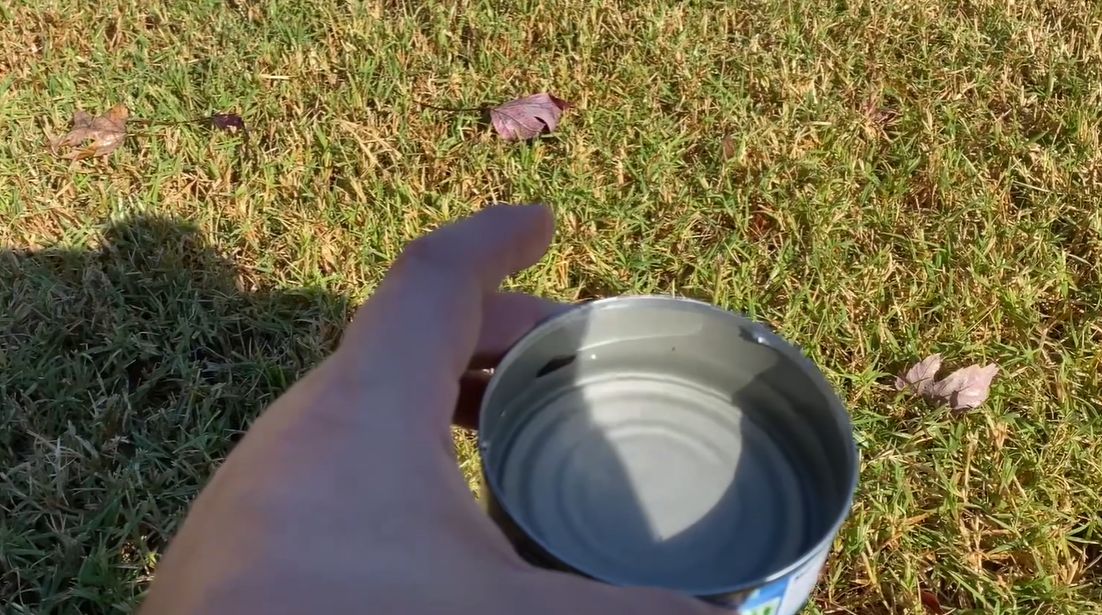
He placed the can beneath a sprinkler set to water a 90-degree section of grass. As water collected inside, the mark gave him a target to check against the amount his sprinkler delivered.
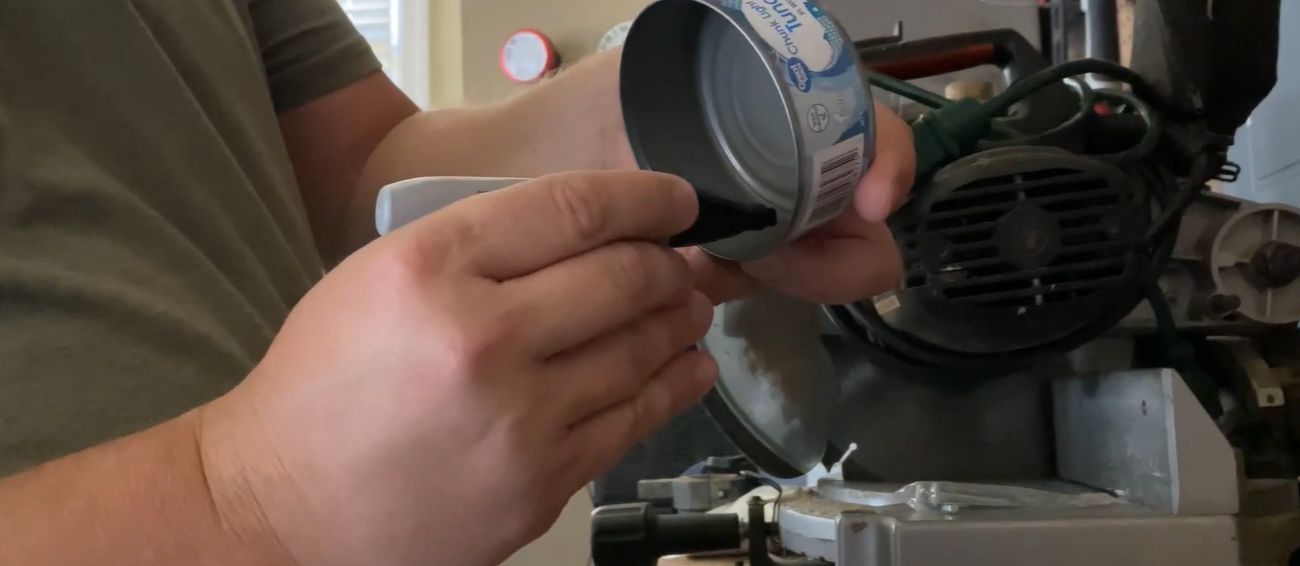
The can served as a makeshift rain gauge, allowing him to measure water depth rather than estimate how much reached the grass from the spray.
Thirty Minutes of Watering Didn’t Reach His Target
Gates returned after 30 minutes to inspect the can. Water had collected inside, yet the level remained below his mark.
He considered several possible causes, including wind, low water pressure, and sprinkler performance. Rather than stopping the test, he left the water running and returned near the one-hour mark.
The water had reached his target. His sprinkler took close to an hour to deliver the amount he wanted at that location, twice the initial test period.
That result explains why sprinkler runtime can mislead homeowners. Two sprinklers can run for the same amount of time without delivering the same water depth.
How to Test Your Sprinkler With an Empty Tuna Can
Start with a clean tuna can with straight sides and a flat bottom. Use a ruler to measure half an inch from the inside bottom, then mark that height with a waterproof marker.
Place the can upright on level grass within your sprinkler’s coverage area. Turn on the water and check the depth after 15 or 30 minutes. Record how long it takes to reach the half-inch mark.
For a better assessment, use several cans across the lawn. Position them at different distances from the sprinkler, including spots near the edge of its coverage.
The University of Minnesota Extension recommends placing catch cans across an irrigation zone to check sprinkler coverage and measure water output.
After the test, compare the water depths. If one can holds half an inch and another contains a quarter inch, those areas received different amounts of water during the same period.
What the Water Level Reveals About Your Lawn
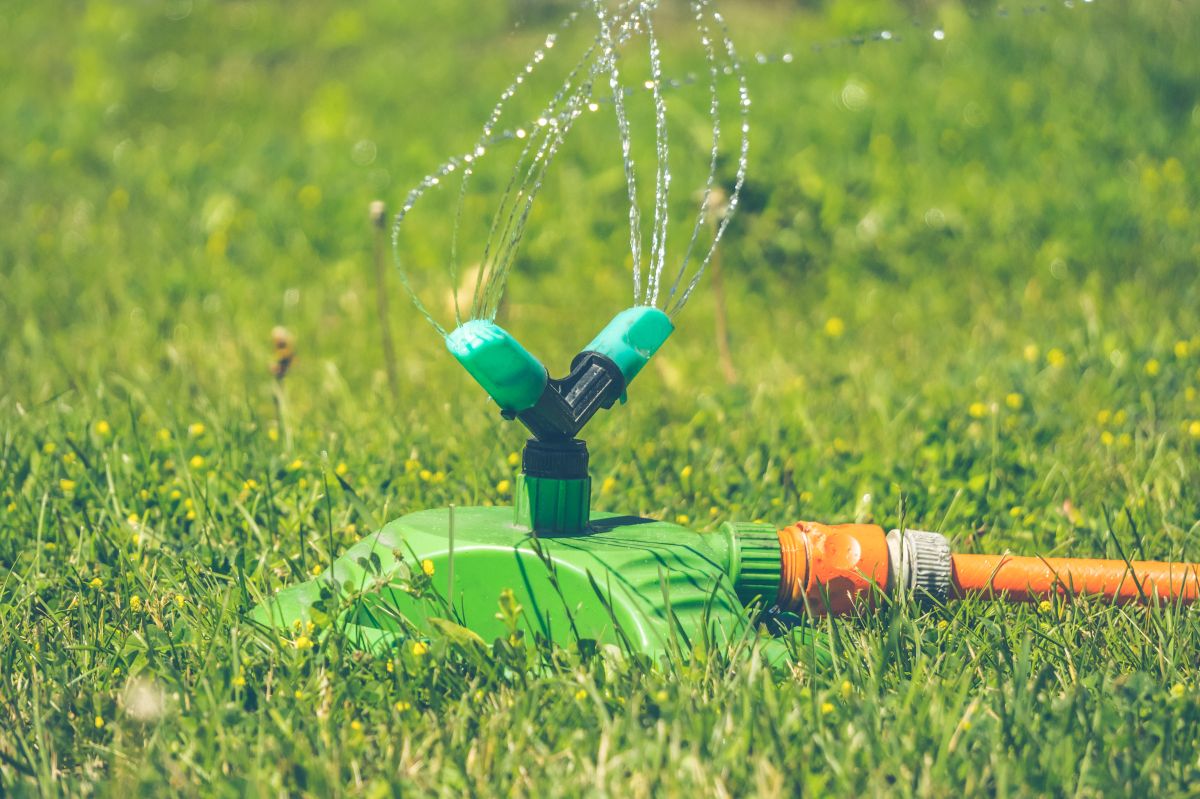
A low reading doesn’t always mean the sprinkler needs more time. Poor spray coverage, blocked sprinkler heads, water pressure, and wind can affect how much water reaches different sections of grass.
Adding more minutes could leave one part of the lawn soaked while another receives too little. Comparing water depths across several cans helps identify where the sprinkler needs adjustment.
The test also matters when watering new grass seed or applying lawn products. Some fertilizers and treatments require a specified amount of water after application, while newly seeded grass needs moisture near the soil surface during germination.
Check the product label before watering. Certain pre-emergent herbicides can prevent grass seed from germinating, so a failed lawn treatment or seeding project isn’t proof of a watering problem.
A sprinkler timer tells you how long the water runs. A tuna can tells you how much reaches the grass.