Few People Know Why Office Chairs Have Five Legs Instead of Four


At the dining table, chairs stand on four legs. At your desk, the chair has five arms spreading from a central column, each ending in a wheel. Most people use both without questioning the difference. The fifth leg isn’t a decorative choice: the Occupational Safety and Health Administration (OSHA) recommends five-legged office chairs because bases with four or fewer supports can increase the risk of tipping. [1]
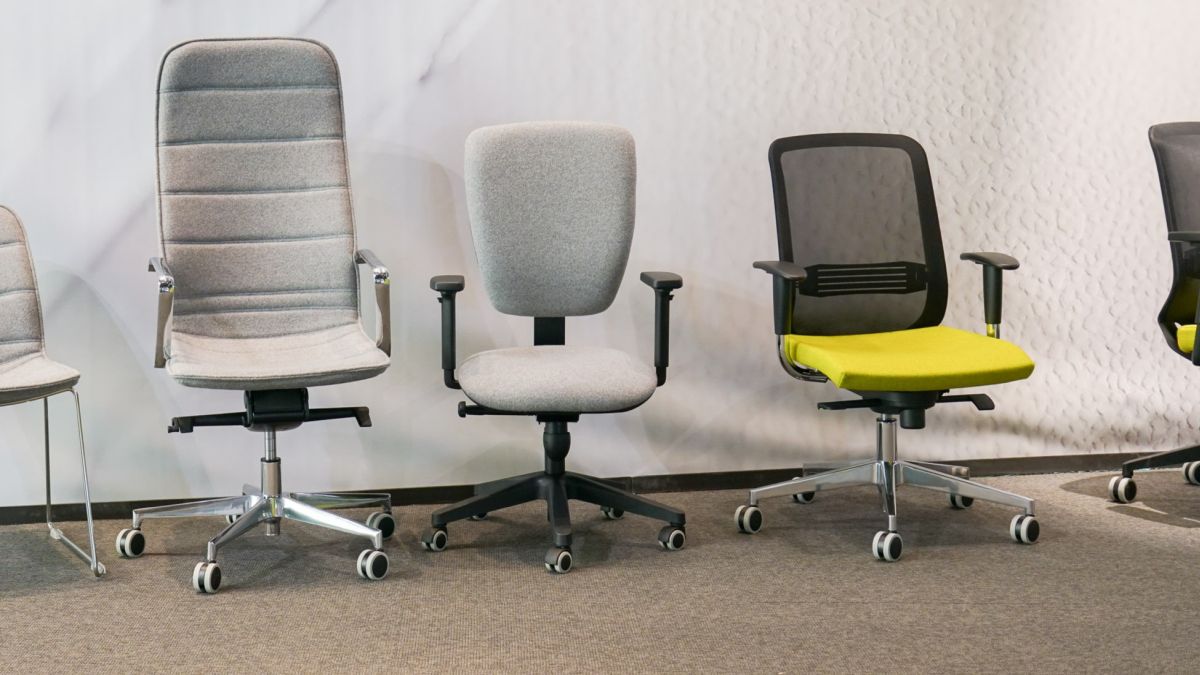
Unlike dining chairs, office chairs allow people to swivel, recline, and reach in different directions without leaving their seats. Each movement shifts body weight, making the arrangement of the legs beneath the chair an important safety feature.
It’s a Safety Recommendation
OSHA recommends a strong five-legged base with casters suited to the floor surface. The Canadian Centre for Occupational Health and Safety (CCOHS) supports the same design, identifying a stable five-point base as an important feature when choosing a work chair. [1][2]
The recommendation concerns tipping resistance rather than how much weight the chair can carry. A chair can support a person’s weight while stationary yet become unstable when the occupant leans beyond its supporting area.
What the Fifth Leg Does
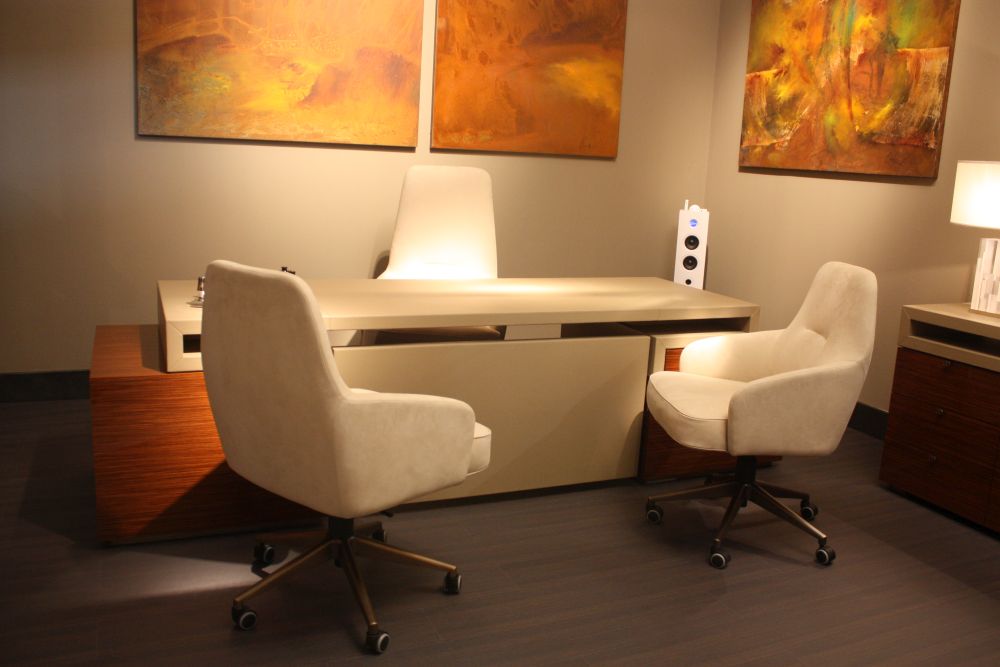
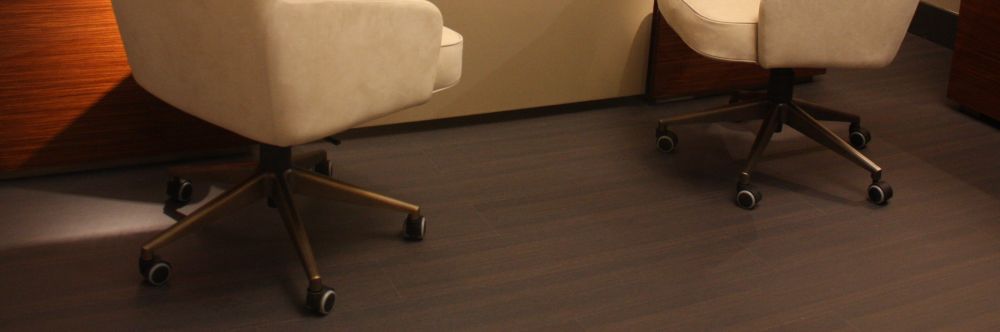
The five arms form a star-shaped base, with the wheels marking points of contact with the floor. Those points create a supporting area beneath the chair, and tipping begins when the combined center of gravity of the chair and occupant moves beyond its boundary.
Compared with four arms of equal length, five create smaller gaps between adjacent support points. This gives the chair a more consistent margin against tipping in different directions without requiring a wider base.
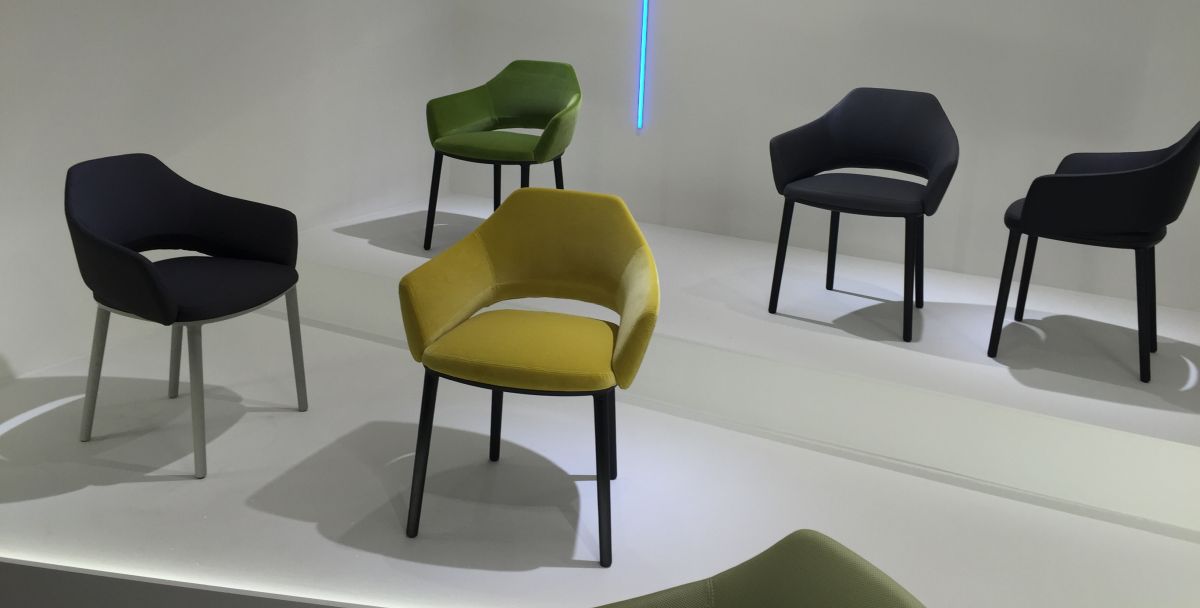
Dining chairs achieve stability through a different structure. Their four legs extend from positions near the seat’s corners, providing a broad foundation without the central column, wheels, or reclining mechanism found on office chairs.
Five Legs Don’t Make a Chair Tip-Proof
The number of legs cannot compensate for damaged casters, an unstable frame, or someone leaning beyond the base’s limits. Floor conditions also matter, especially when wheels move between carpet, hard flooring, and chair mats.
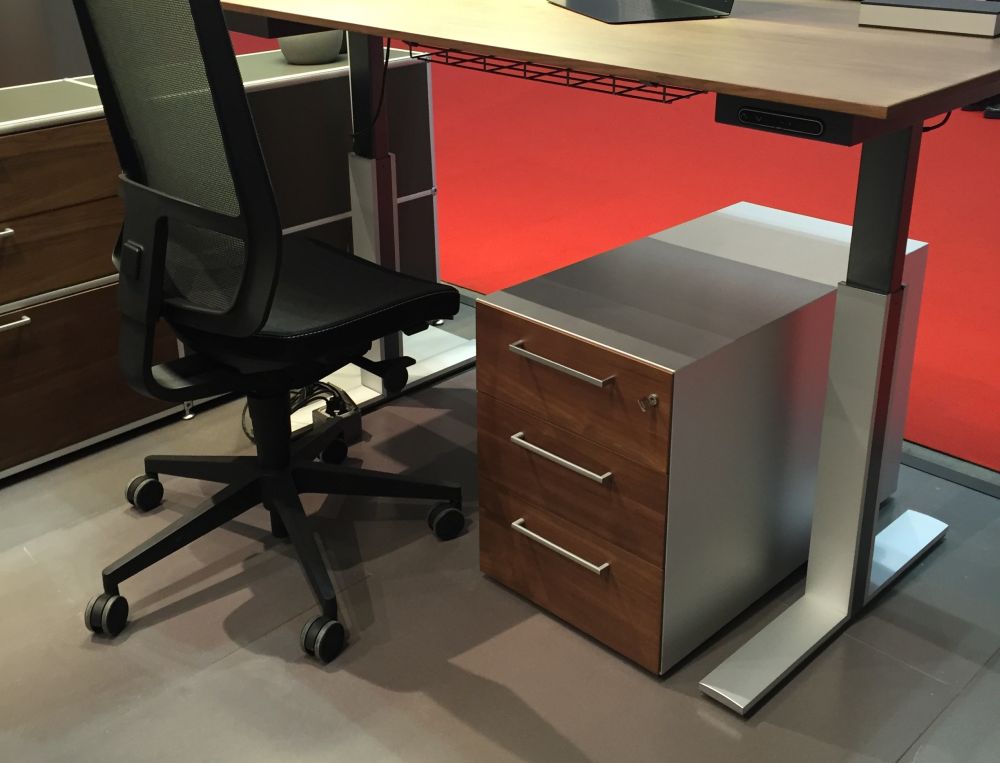
CCOHS recommends hard casters for carpet and softer casters for hard floors. Chair mats should provide enough space for all five wheels, preventing the base from resting across uneven surfaces. [2]
A five-point base helps an office chair accommodate movement, while four fixed legs provide the support a conventional dining chair needs.
Sources:
[1] Occupational Safety and Health Administration (OSHA) — Computer Workstations: Chairs
https://www.osha.gov/etools/computer-workstations/components/chairs
[2] Canadian Centre for Occupational Health and Safety (CCOHS) — Working in a Sitting Position: Work Chairs
https://www.ccohs.ca/oshanswers/ergonomics/sitting/sitting_workchairs.html