Putting a Hex Nut Around a Screw Before Driving It Into Wood: What It’s For and Why People Use It


Most cabinet shelves rest on small metal pins or brackets, but a screw fitted through a hex nut can hold a shelf in a different way. The nut sits against the cabinet wall, creating a support without the usual shelf hardware.
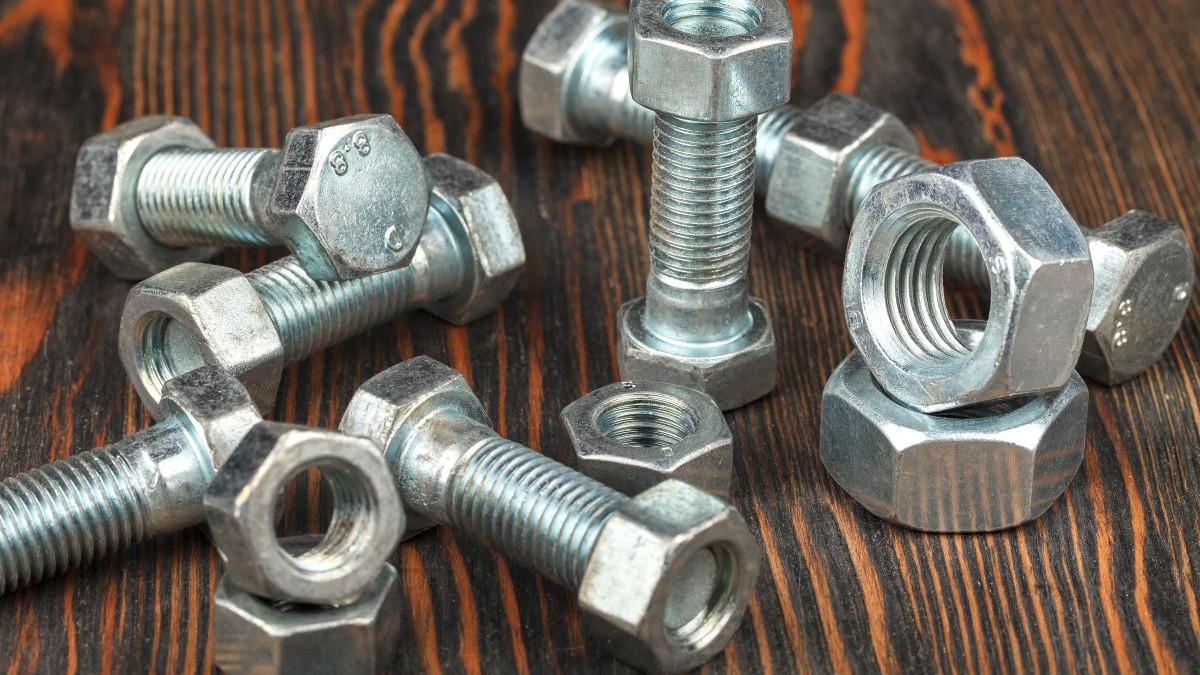
The unusual part is how two common pieces of hardware work together. The screw holds the nut in place, while one of its flat sides provides a resting point for the wooden shelf. No separate bracket is needed for the demonstrated setup.
In a DIY demonstration, Instagram creator Frédéric installed a screw-and-nut combination inside a wood-look cabinet, positioning two supports beneath a shelf. The method offers an alternative for light-duty storage when conventional shelf brackets aren’t available, although its weight capacity has not been tested.
A Hex Nut Fits Around the Screw Before Installation
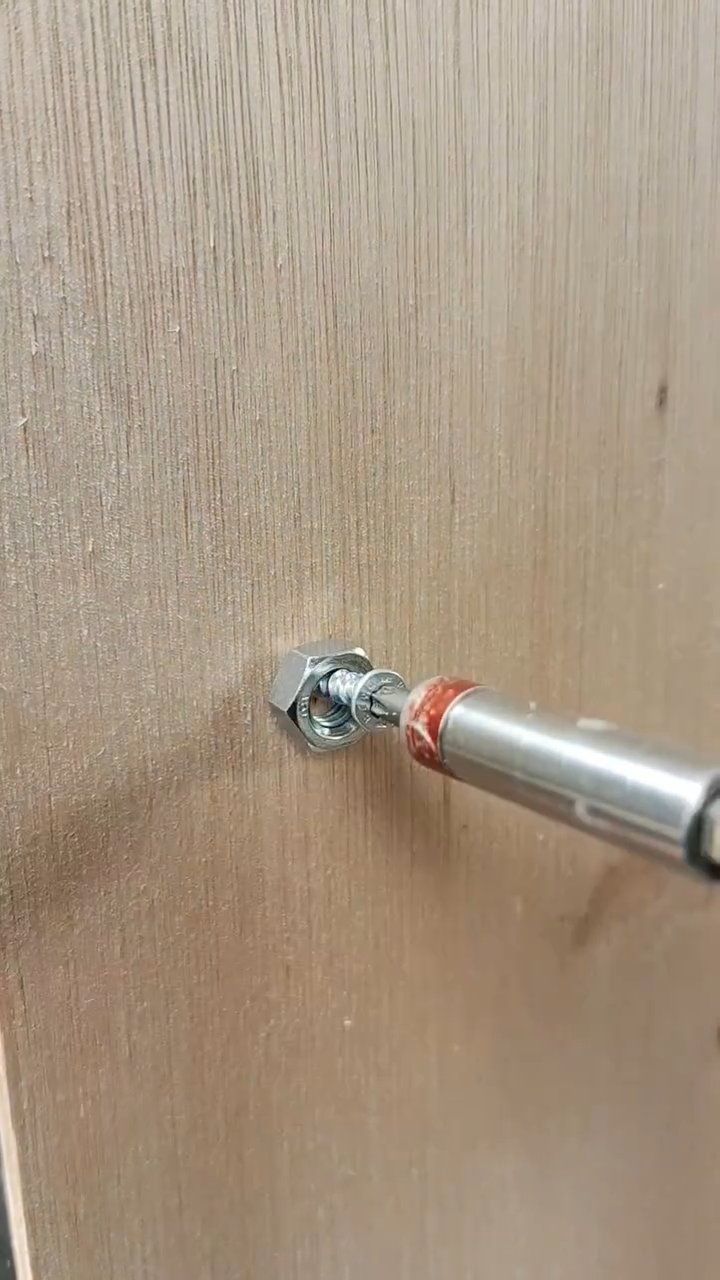
The screw passes through the center of a metal hex nut and into the cabinet panel. The nut remains outside the wood, surrounding the screw head and creating a wider bearing surface than the screw alone.
A driver tightens the screw against the nut, holding the metal piece in place without a separate mounting plate.
The Screw Holds the Nut Against the Cabinet Wall
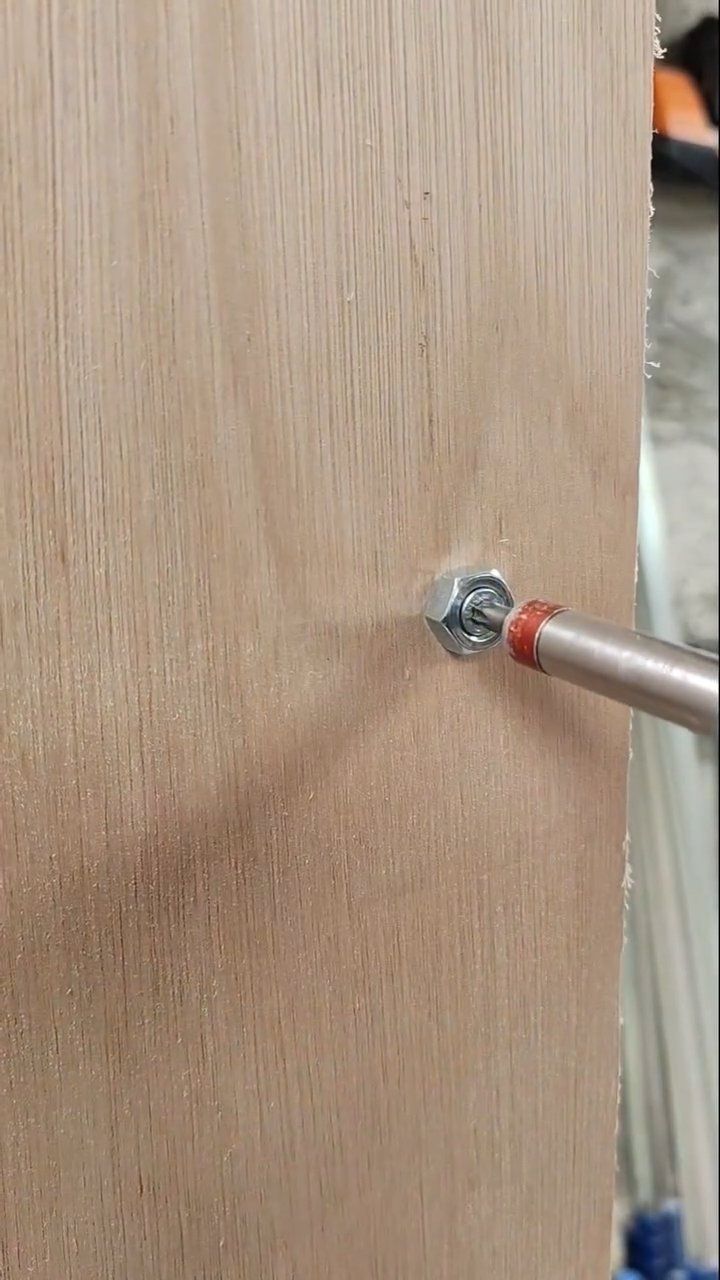
As the screw is tightened, the nut sits against the flat cabinet wall with one of its sides facing upward. Its six-sided shape provides a short horizontal edge for the shelf.
The screw must engage sound material beneath the cabinet finish. Thin particleboard, damaged wood, or an oversized pilot hole may not provide enough holding strength for this arrangement.
Pliers Can Help Hold the Nut in Position
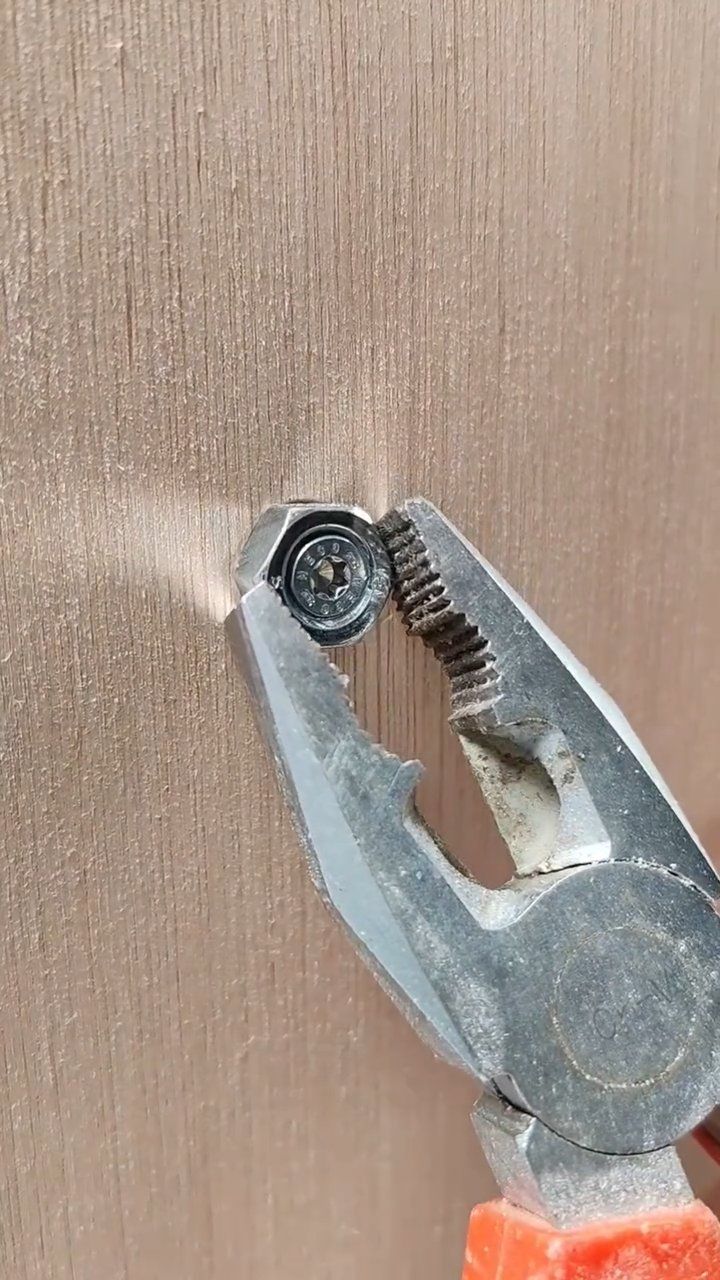
The demonstration also shows pliers gripping the outside of the hex nut while the screw sits within its opening.
Holding the nut prevents it from turning during adjustment and helps keep one flat face positioned toward the underside of the shelf.
Two Hex Nuts Form Support Points Beneath the Shelf
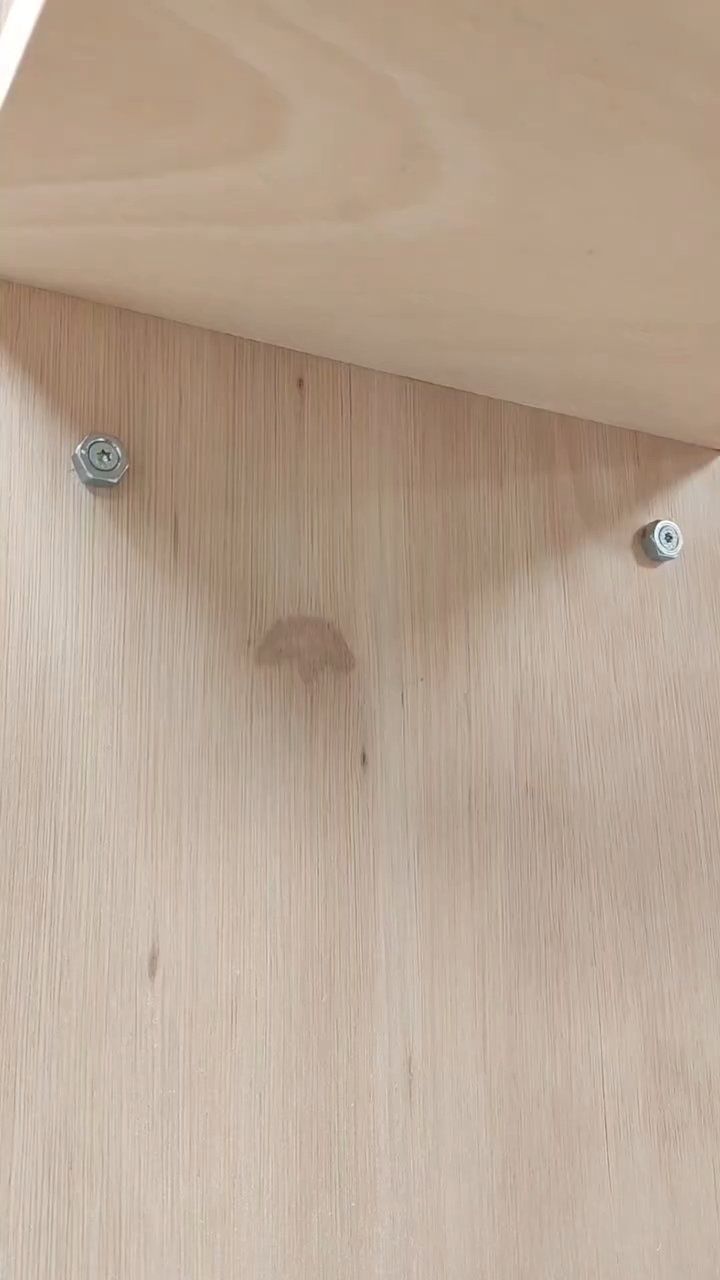
Inside the cabinet, two nuts are installed near opposite sides of the rear panel, below the shelf. Their top faces sit at matching heights to provide contact points beneath the board.
The supports occupy less space than standard shelf brackets, leaving most of the area beneath the shelf open.
The Shelf Rests Above the Metal Supports
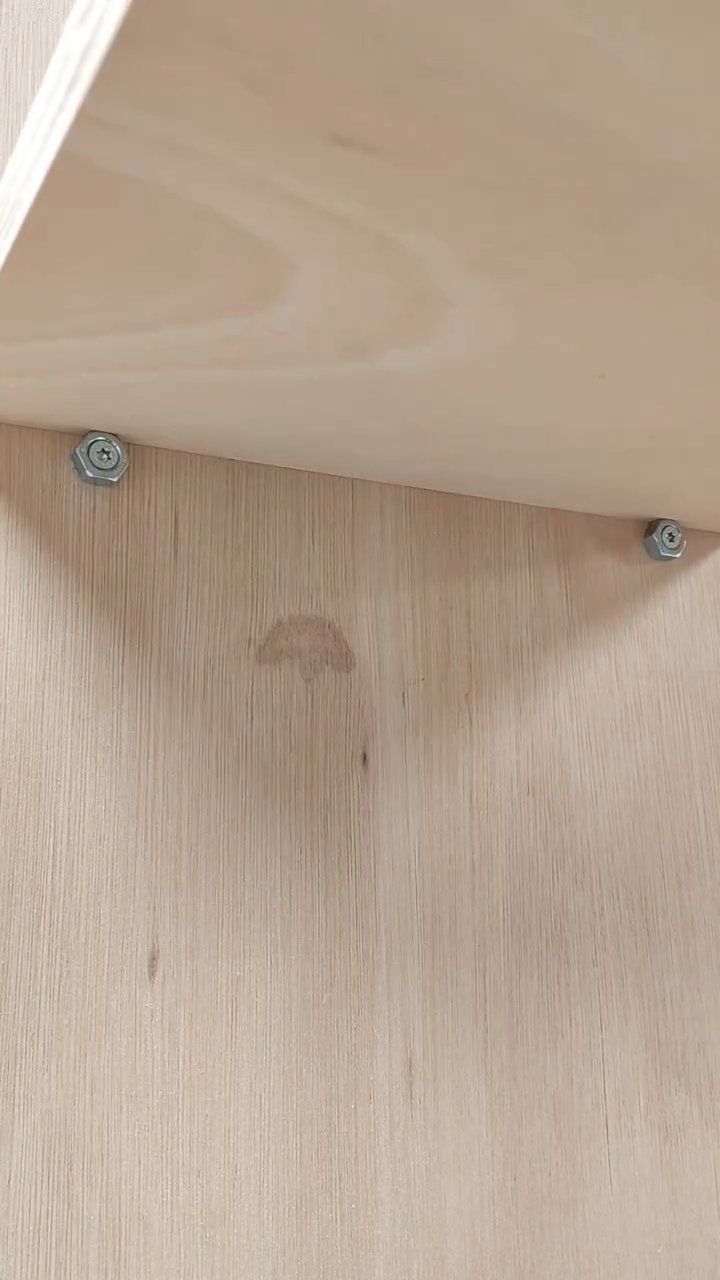
The final view shows the shelf positioned over the two metal supports, with the nuts close to the underside of the board.
The demonstration does not establish how much weight the arrangement can hold. A shelf supported at only two points may also tip or move if its other edges are not secured.
For shelves carrying dishes, books, or heavy appliances, properly rated shelf pins or brackets are a safer choice, particularly in particleboard cabinetry.
View this post on Instagram
If you don’t have traditional shelf brackets or support pins available, a screw and hex nut can serve as a temporary alternative for a lightweight cabinet shelf, provided the supports are secure and the shelf cannot tip.
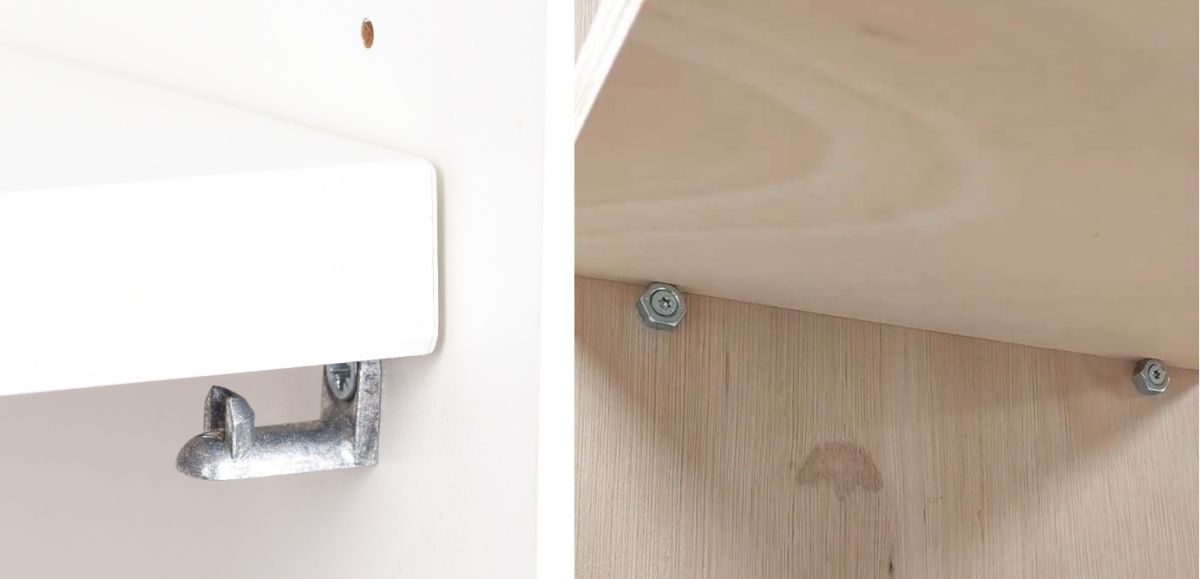
Would you use a screw and hex nut to support a small cabinet shelf or choose standard shelf brackets?
Image credits @latelier_billy: Original DIY demonstration.