Neither vinegar nor baking soda: the powder that clears limescale from showerhead holes


You turn on the shower and half the jets are missing. A few holes spray sideways, a few just drip, and the ones that work feel weak. You scrub the face with an old toothbrush, and a week later it looks the same.
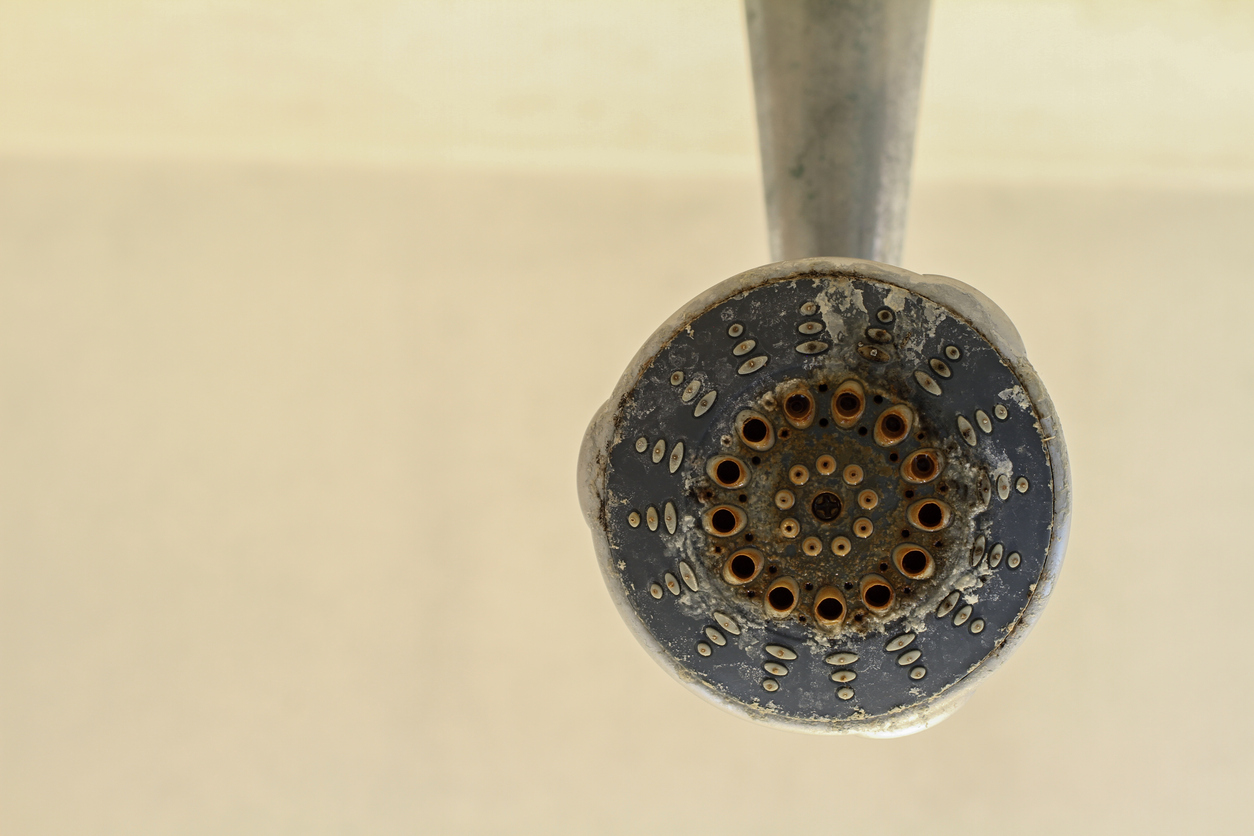
The showerhead isn’t worn out. The holes are lined with mineral scale, and scrubbing the surface doesn’t reach what’s inside them. What gets in there is something you dissolve, not something you scrub: citric acid.
Why the holes clog first
Hard water carries dissolved minerals. The U.S. Geological Survey describes it as water high in dissolved minerals, largely calcium and magnesium, and notes that it can leave mineral buildup in plumbing and fixtures. Every time a shower ends, a film of water dries in the tiny nozzles and leaves a little more of that mineral behind. The holes are the narrowest point, so they close up first, and the more calcium and magnesium in your water, the faster it happens.
Baking soda doesn’t help much here: it’s a mild abrasive, so it polishes the surface and leaves the deposits inside the nozzles. Vinegar is the usual go-to. Citric acid, a white powder sold in hardware stores and cleaning aisles, is the alternative that dissolves calcium buildup without much effort.
How to soak a showerhead in citric acid
- Unscrew the showerhead if it comes off easily. Wrap the threads with a cloth before using pliers so you don’t scratch the finish.
- In a bowl, stir 2 to 3 tablespoons of citric acid into warm water until it dissolves.
- Drop the showerhead in so the face with the holes is fully under the liquid. Leave it 30 minutes to 1 hour.
- Scrub the face with an old toothbrush, and poke any stubborn hole with a toothpick.
- Rinse it well under running water, screw it back on and run the shower for a minute to flush out loose flakes.
If the showerhead is fixed or won’t come off, pour the same mix into a sturdy plastic bag, slide it up around the head so the holes sit in the liquid, and tie it to the arm with a rubber band or a twist tie. The same bag approach is what people use when they’re cleaning clogged shower heads without taking them off the wall with diluted vinegar instead. Check the holes after half an hour, then brush and rinse.
To keep the scale from coming back, give the head a quick soak once a month, wipe it dry after showers when you can, and look at a filter if your water is very hard.
What citric acid can’t fix on a shower
Acid works on mineral deposits, but it isn’t meant for every surface. If your showerhead is brass, gold-tone or matte black, check the maker’s care instructions before you soak it, and keep the soak short.
If the pressure stays weak after a clean, the problem may not be the head. A clogged flow restrictor inside the connection, a partly closed valve or a problem in the pipes needs a different fix, and low pressure everywhere in the house is a job for a plumber. A showerhead with cracked plastic or rubber nozzles that have split is due for replacement.
Citric acid is mild, but it’s still an acid. Wear gloves if your skin is sensitive, keep the powder away from your eyes, and don’t mix it with bleach or other cleaners.
A spoonful of powder, a bowl of warm water and half an hour. That’s the trick.