Goodbye to Traditional Bookcases: The Wall Storage Designs Set to Take Their Place in 2027


Buy a traditional bookcase, and you give up a section of floor space for a piece of furniture that often leaves half the wall above it unused. But what if the wall itself became the storage unit? That is the direction several furniture designs are taking as we head into 2027.
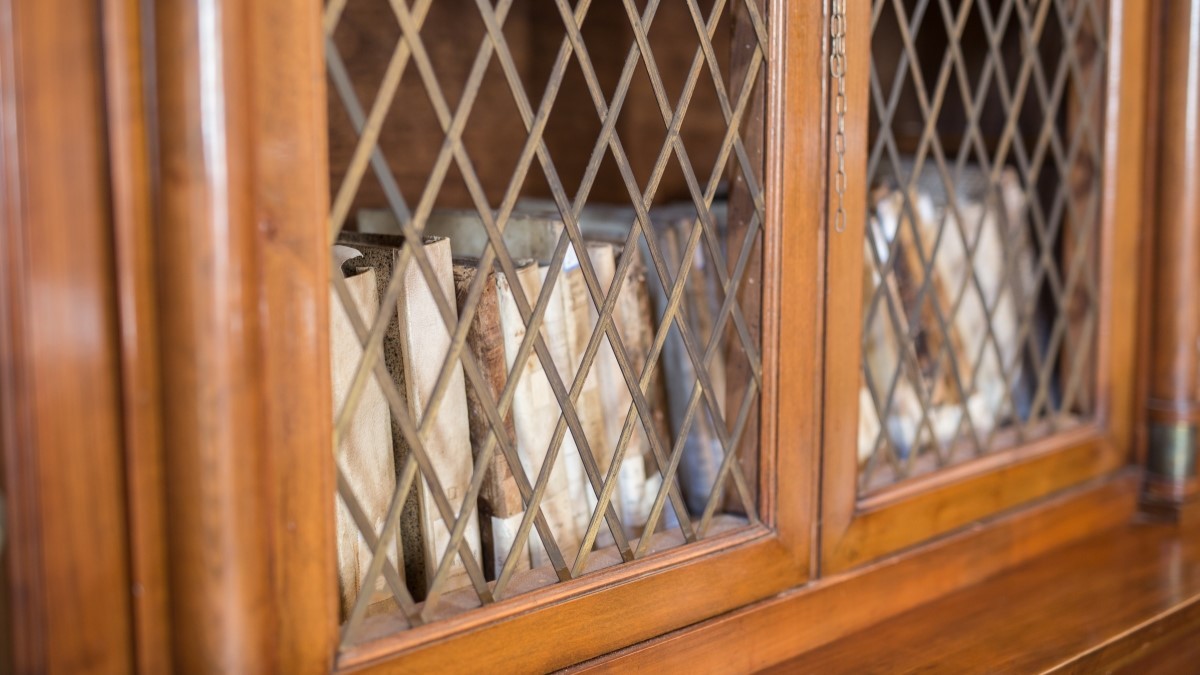
Instead of arranging books inside a rectangular frame, designers are integrating storage with television units, floating cabinets, and recessed compartments. Bookshelves are becoming part of the room’s architecture rather than another piece of furniture placed against a wall.
These 12 designs photographed by Homedit offer a look at how wall storage could evolve in 2027, with alternatives that make the traditional freestanding bookcase less necessary.
Shelves and Cabinets Form a Wall Around the Television
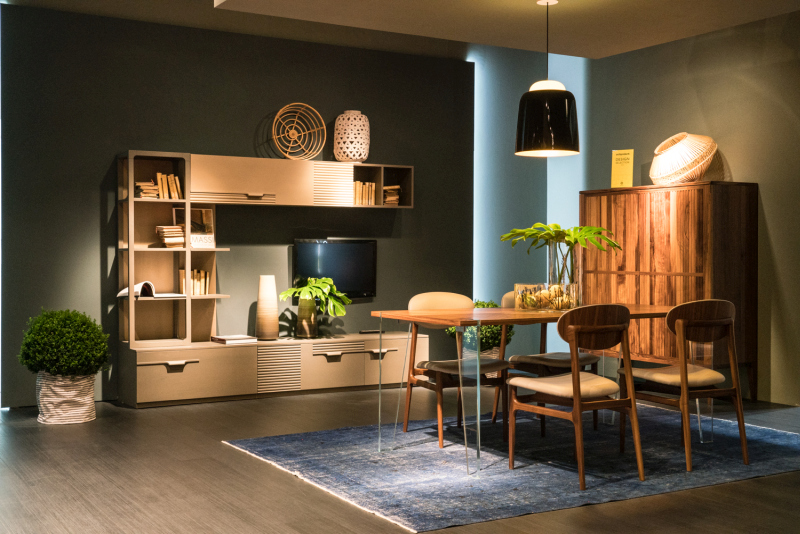
An asymmetrical storage unit combines open shelving, horizontal cabinets, and a television within one arrangement. The upper cabinets sit above the screen, while a series of shelves extends down one side.
The design leaves portions of the wall visible between the compartments instead of covering the entire surface with furniture. A mix of light cabinet fronts and open sections separates display storage from concealed compartments.
Narrow Wall Shelves Use Height Instead of Floor Space
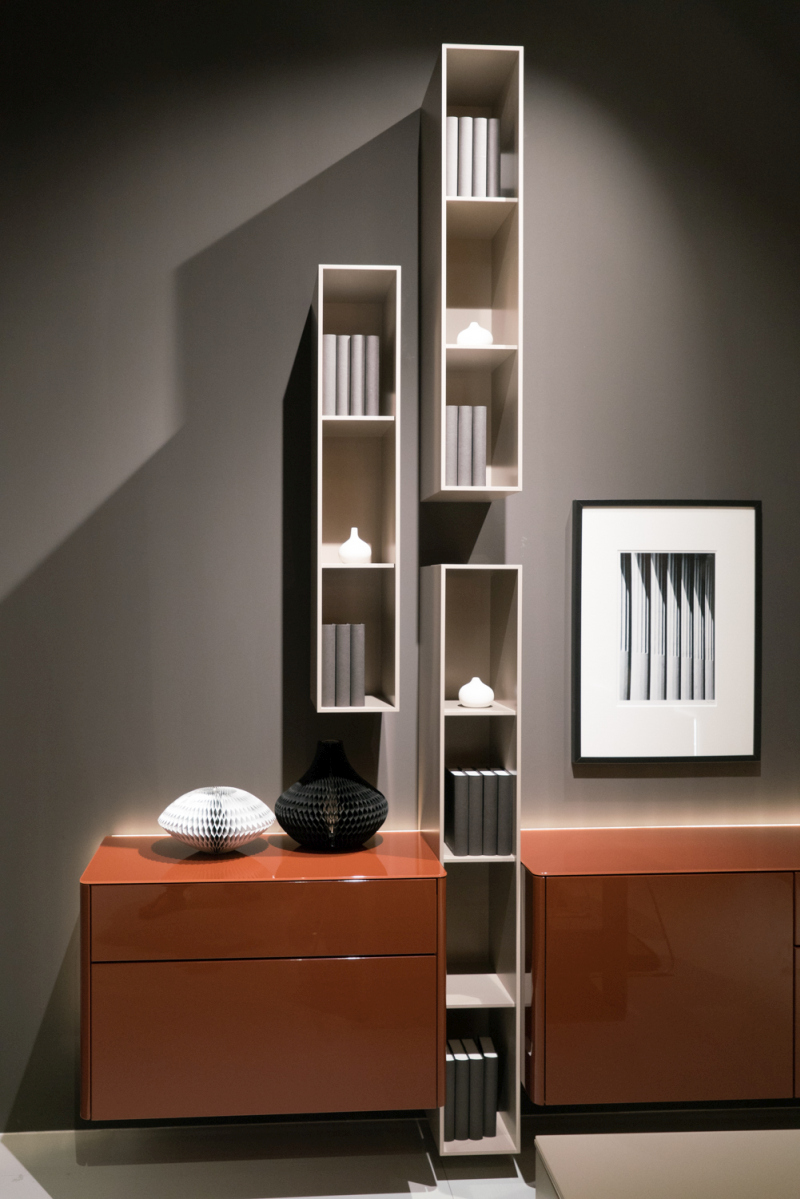
Three slim rectangular shelving units are mounted at different heights above rust-colored storage cabinets. Each contains small compartments for books and decorative objects, with the narrow proportions allowing the units to occupy separate areas of the wall.
The arrangement works without a full-width bookcase, leaving open space between the vertical sections.
Irregular Compartments Break Up a Standard Bookcase Grid
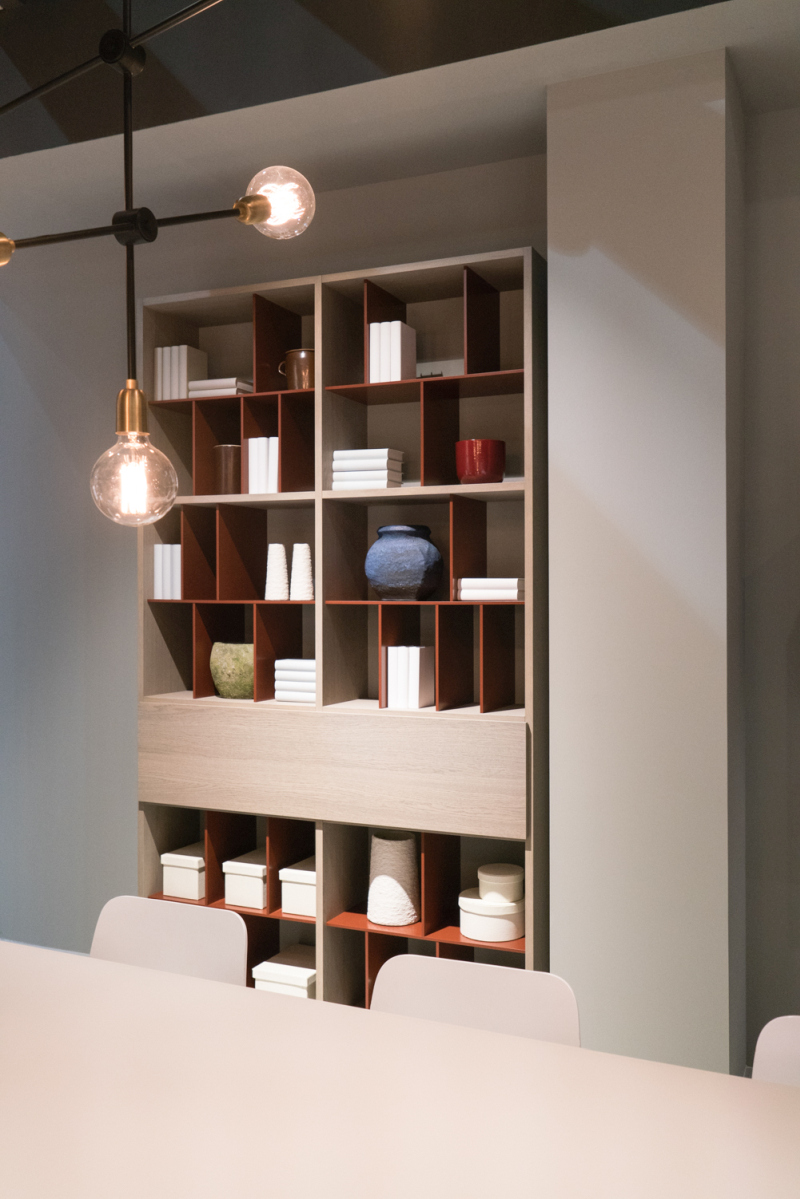
This tall shelving system uses a pale wood frame with reddish-brown internal dividers that divide the unit into compartments of different widths. Some openings hold books, while others contain pottery and decorative pieces.
The horizontal and vertical divisions vary across the structure, replacing the uniform rows found in conventional bookshelves.
A Slim Display Column Sits Beside Wall-Mounted Hooks
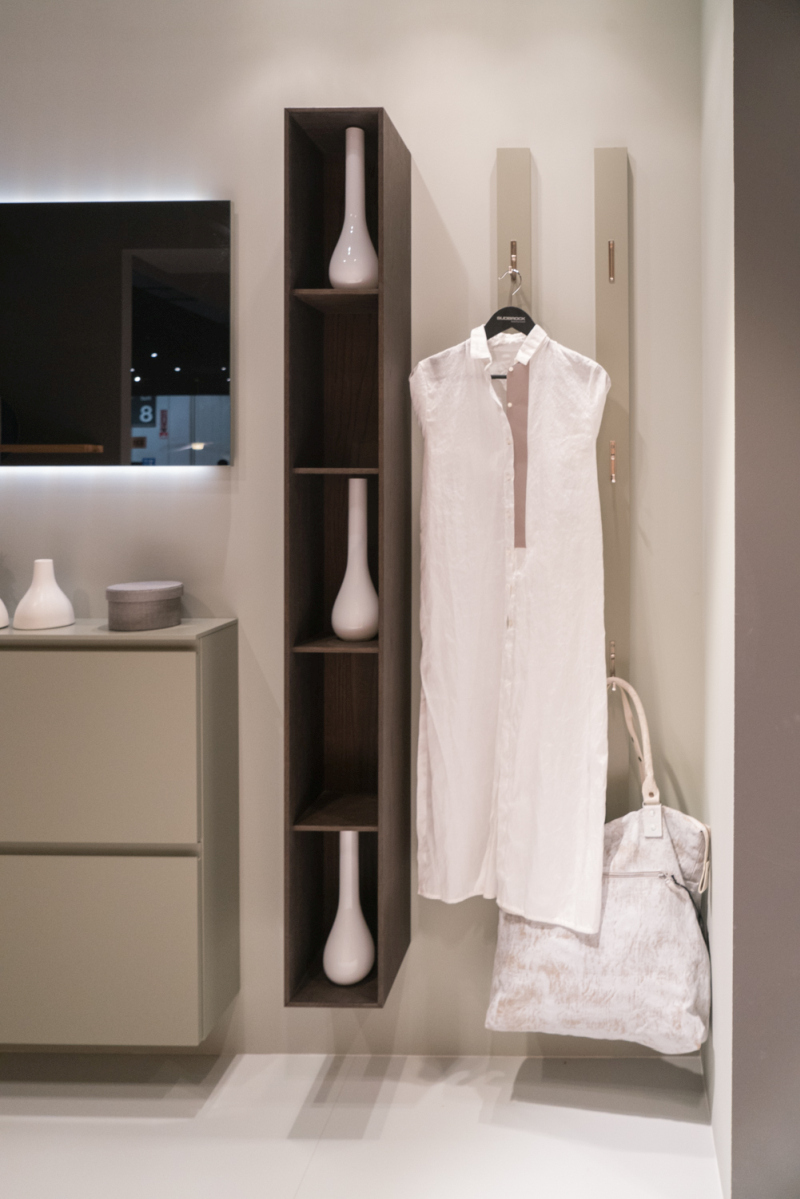
A narrow wooden shelf column provides several open compartments beside a set of vertical wall-mounted hooks. The shelves hold small objects, while the hooks accommodate clothing and a hanging bag.
The arrangement combines two storage purposes without requiring a large cabinet or a floor-standing coat rack.
Floating Boxes and Base Cabinets Share the Same Wall
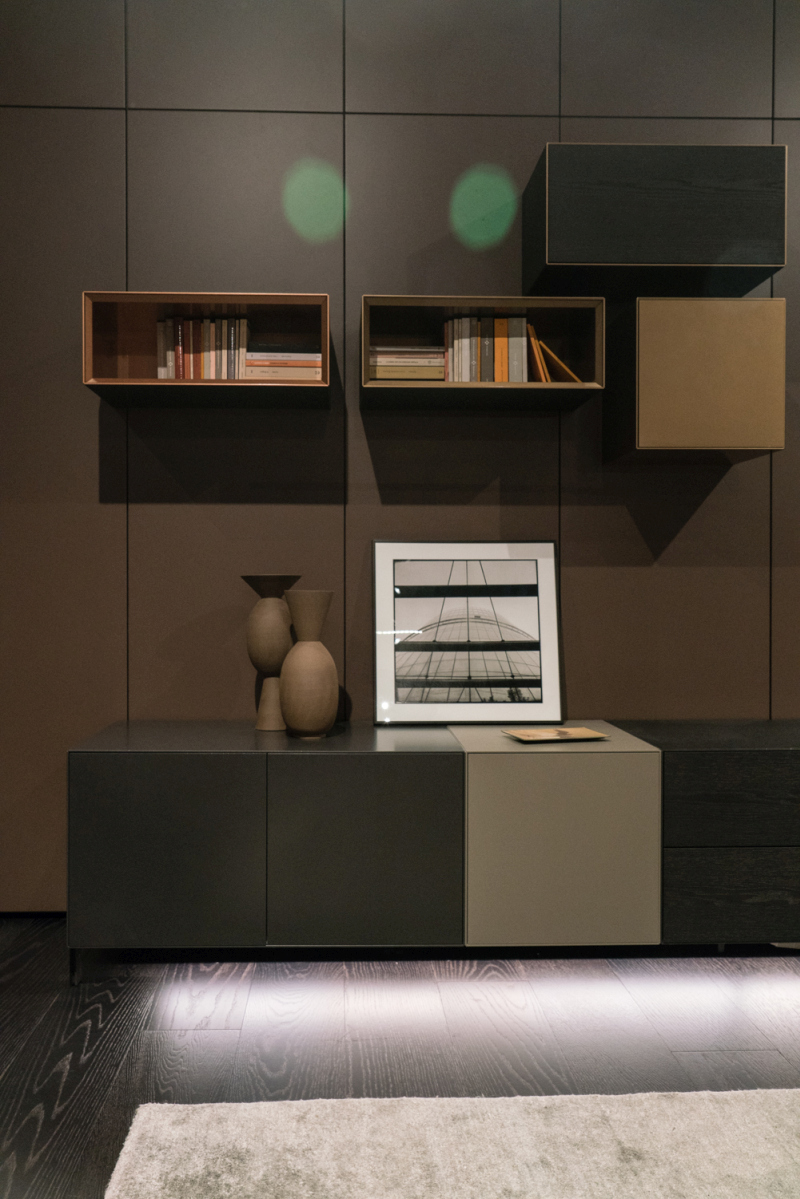
Individual rectangular cabinets are arranged above a low storage unit, with some compartments open and others enclosed by solid doors. The modules differ in width and finish, creating separate sections across the wall.
The lower cabinets provide a continuous surface for display objects, while the upper boxes leave portions of the wall exposed.
Red and White Cubes Change the Appearance of Open Shelving
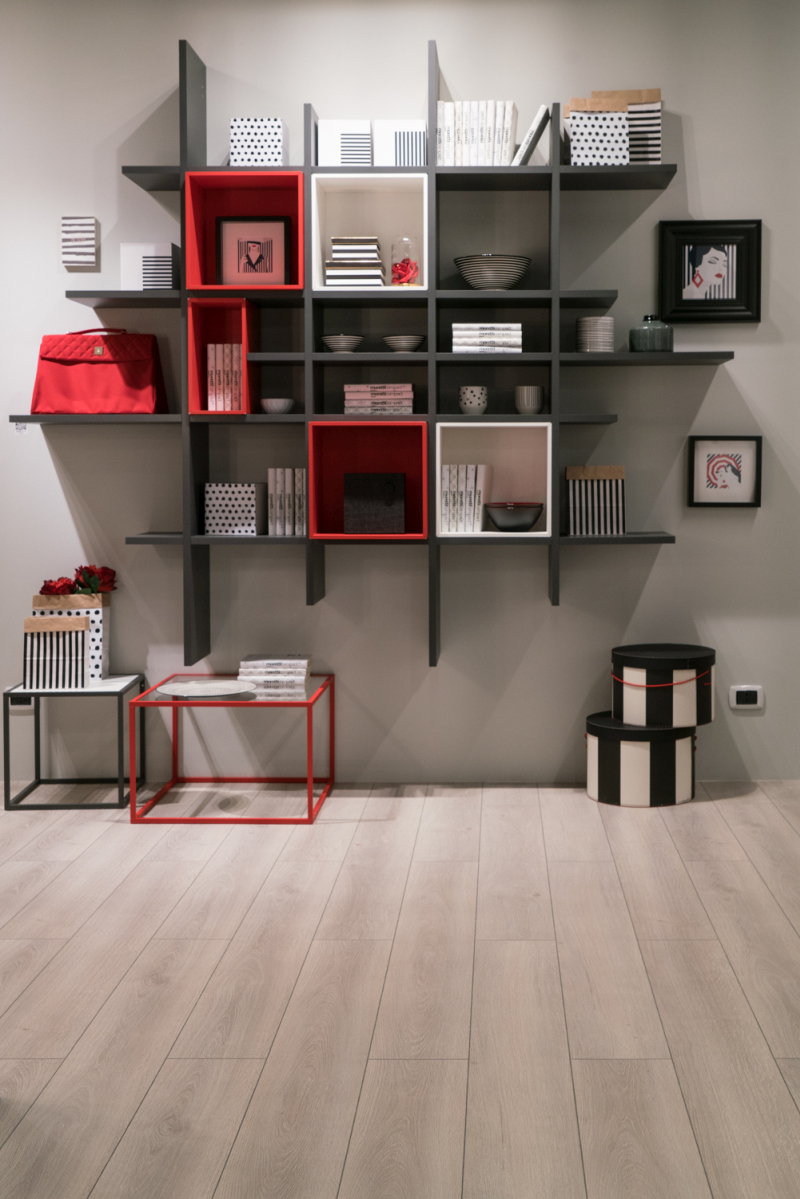
A gray shelving grid incorporates several red and white box compartments among the open sections. The colored cubes interrupt the regular structure, while longer shelves extend beyond the central grid on both sides.
Books, dishes, and small objects occupy different openings, giving the shelving system several uses without requiring matching cabinet doors.
Floor-to-Ceiling Shelving Combines Narrow and Wide Compartments
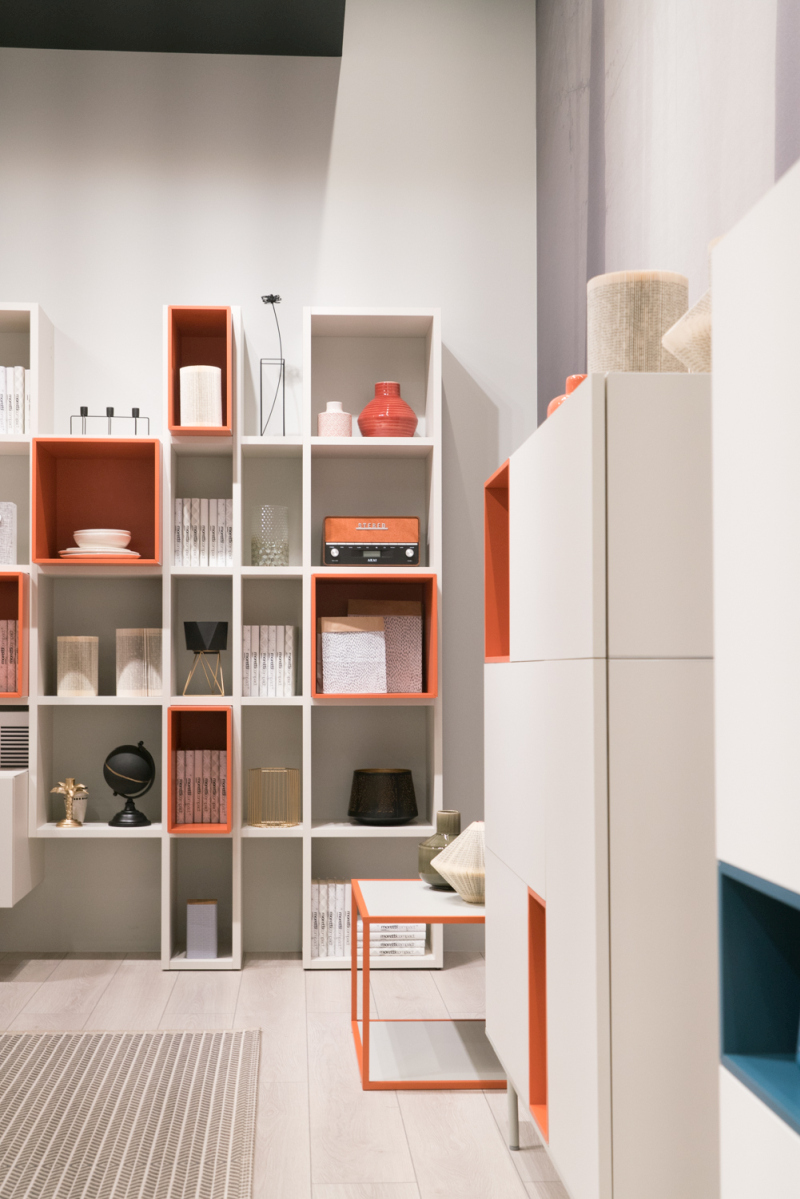
This wall system combines tall white shelving columns with orange compartments positioned at different heights. Narrow openings hold books, while wider squares accommodate decorative objects and small containers.
The structure extends toward the ceiling, using the wall height while leaving some sections open rather than installing a continuous row of enclosed cabinets.
Burgundy Cabinets Surround a Wall-Mounted Television
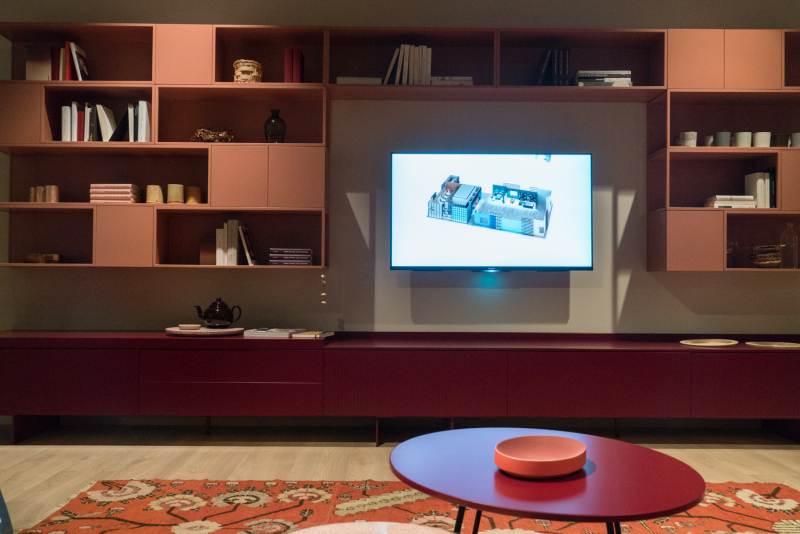
Long burgundy cabinets run beneath a wall-mounted television, with matching shelving units extending across the upper wall. Some compartments remain open for books and pottery, while others have solid fronts.
The television occupies a central opening, allowing the surrounding cabinetry to serve as storage without a separate TV stand.
Bookshelves and Ribbed Cabinets Create a Media Wall
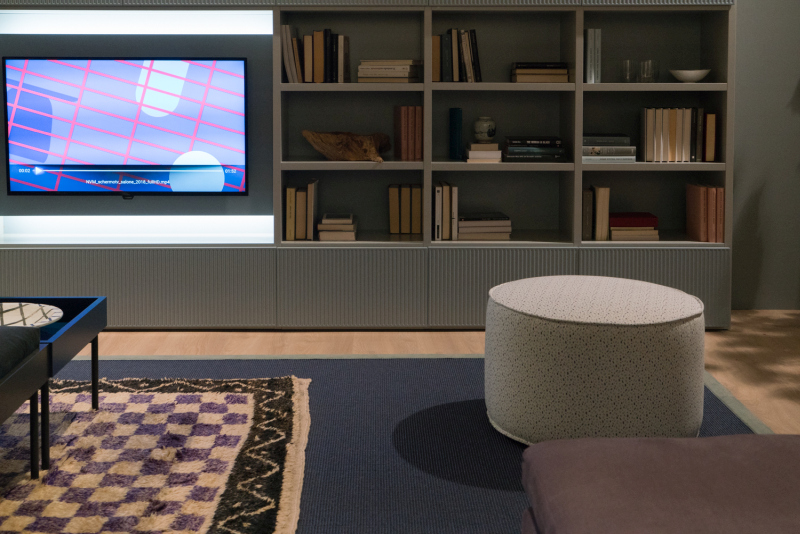
A large gray storage system combines open bookshelves with lower cabinets finished in narrow vertical grooves. The television sits within a separate illuminated section on the left.
The lower cabinet doors conceal storage beneath the books, while the repeated vertical lines distinguish them from the open shelving above.
Separate Wall Boxes Replace Continuous Shelving
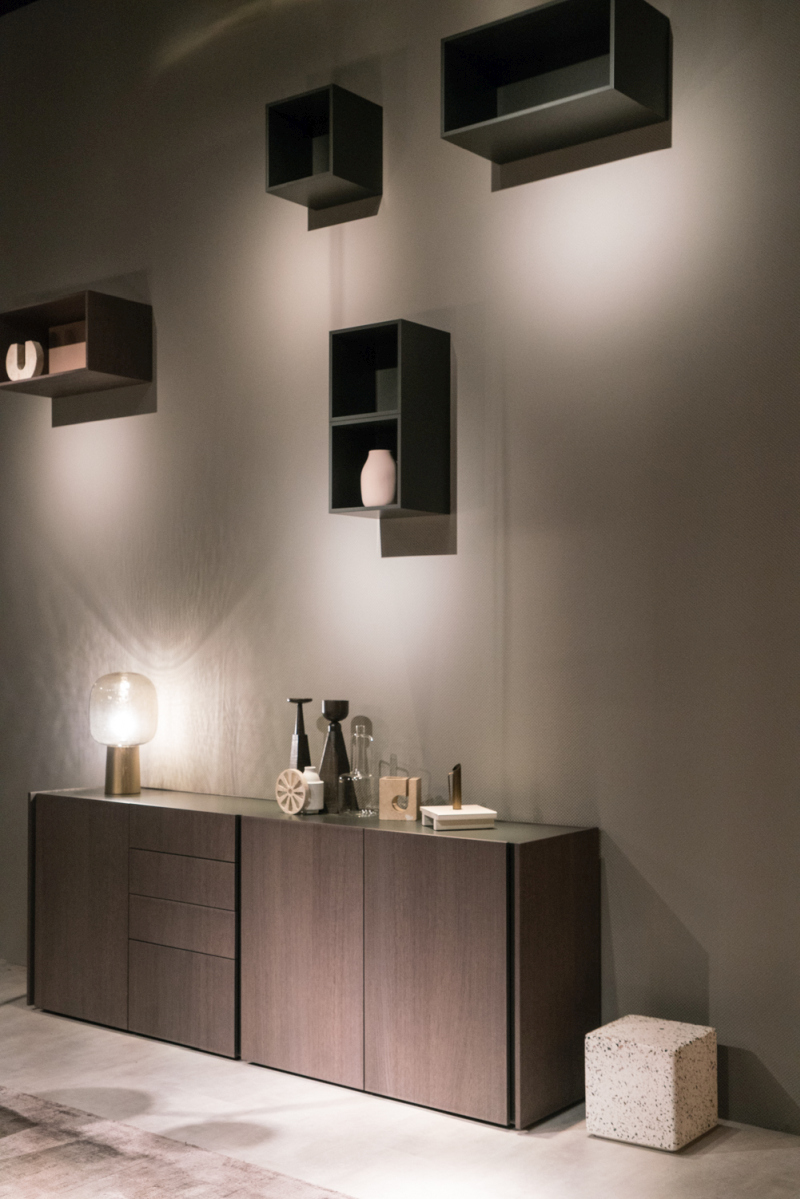
Several independent rectangular shelves are mounted at different heights above a long dark wood sideboard. Their open fronts provide space for small objects without connecting the units into one large bookcase.
The wall remains visible around each box, while the sideboard supplies enclosed storage below.
Recessed Shelves Sit Within a Living Room Wall
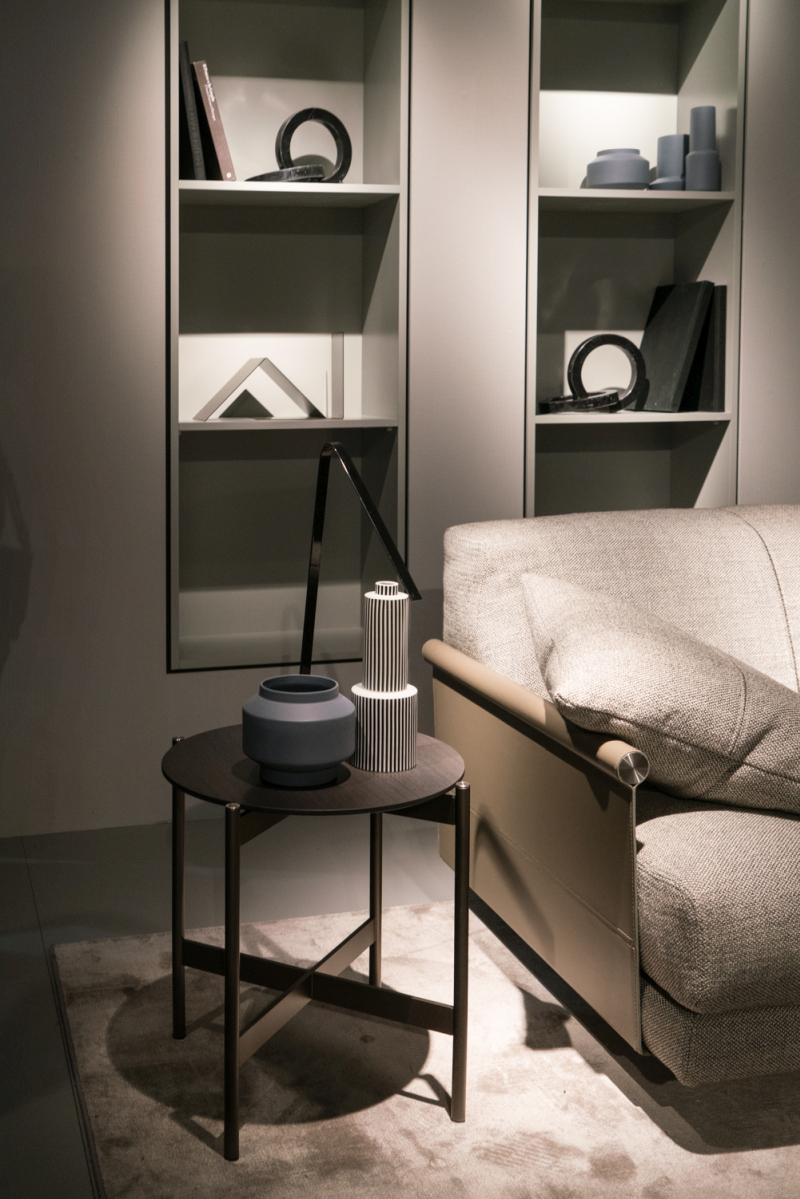
Tall rectangular openings are recessed into the wall behind the seating area, creating display compartments without projecting shelving units into the room.
The shelves hold books and decorative objects, while the surrounding wall surface remains uninterrupted.
A Narrow Wall Recess Provides Storage in a Media Room
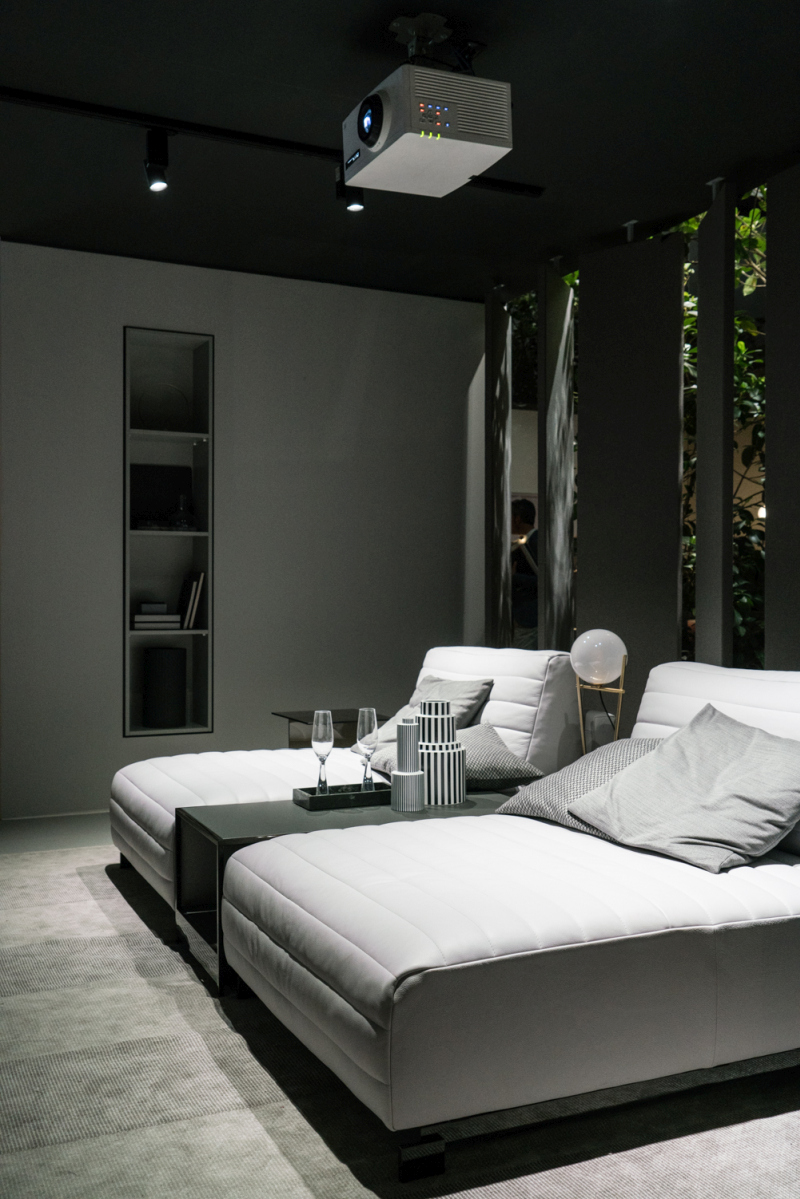
A tall recessed shelving column occupies a section of the wall beside a home theater seating area. The compartments provide space for books and small accessories, with the cabinet integrated into the wall rather than positioned on the floor.
The setup leaves the surrounding wall available for other features, including the ceiling-mounted projector and seating arrangement.
These examples show several alternatives to a conventional bookcase for homeowners planning storage in 2027. Wall-mounted modules allow different combinations of open and closed compartments, while recessed units use wall space without adding freestanding furniture.
Would you replace a traditional bookcase with modular wall storage or keep a freestanding unit that can move with you?
Image credits: Homedit.com