Goodbye to Dryer Balls: The Unexpected Alternative Some People Are Tossing Into the Dryer Instead


Wool dryer balls have become a familiar laundry accessory, used to keep clothes from bunching together as the dryer turns. But some people have found another way to get a similar effect without buying a product made for laundry.
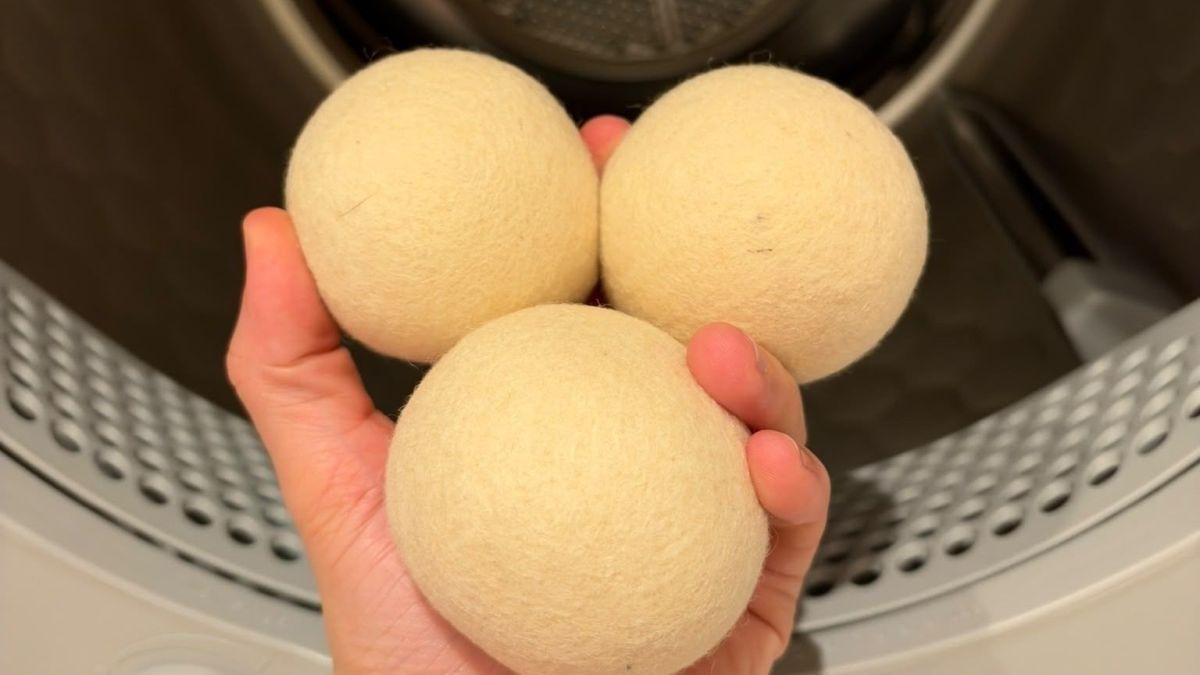
The replacement comes from the sports aisle rather than the cleaning section. It has a rubber core, a felt-covered exterior, and enough bounce to move between clothes and bedding as the drum rotates.
Ordinary tennis balls are being used as substitutes for wool dryer balls, with some households reporting good results. The two products work on the same principle, but their materials make a difference in what they can do and where they fall short.
What Some People Are Using Instead of Dryer Balls
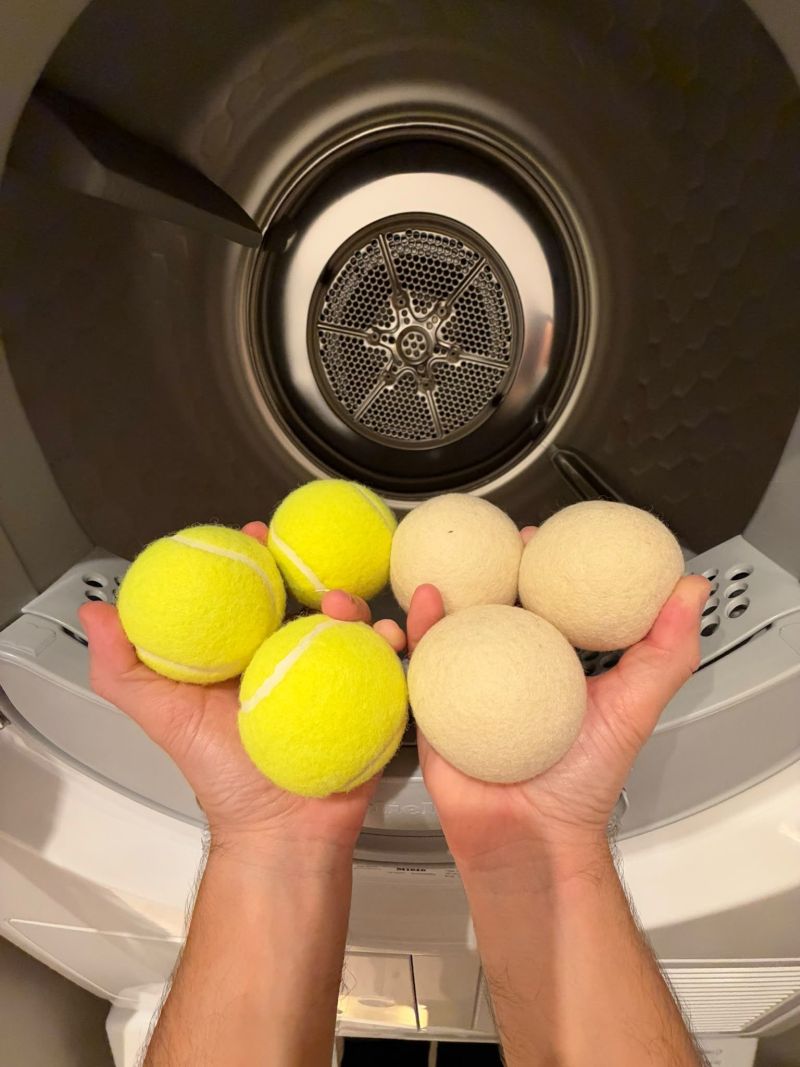
Tennis balls can help separate wet fabrics during a drying cycle, allowing air to move between items that might otherwise remain pressed together.
Their main advantage comes with bulky laundry. Comforters, pillows, and down-filled jackets can develop clumps after washing, leaving some sections flat while others retain their filling.
As tennis balls bounce against the fabric, the movement helps break up those clumps and redistribute the filling. Wool dryer balls create a similar effect, although their felted construction makes them a different option for regular loads.
Why Tennis Balls Work on Down Jackets and Comforters
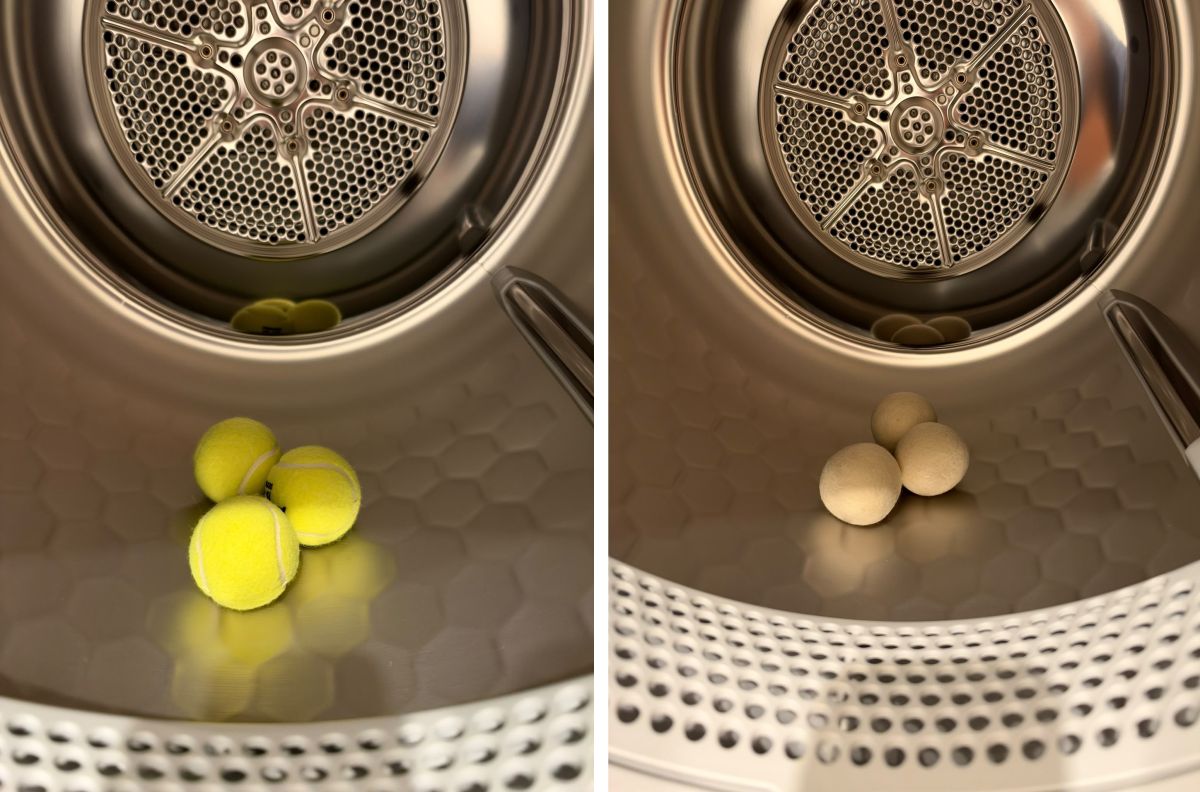
The idea isn’t limited to social media cleaning tips. Outdoor clothing companies have recommended tennis balls for restoring the loft of down-filled garments.
Patagonia’s clothing care instructions recommend placing two clean tennis balls in the dryer when drying down items on low heat. The impacts help separate wet feathers, which can stick together after washing.
REI offers similar advice, suggesting one or two clean tennis balls for down jackets. The goal is to restore the filling rather than compress it into damp clusters.
This explains why tennis balls can be useful for specific loads, even when they aren’t the preferred choice for everyday clothes.
Wool Dryer Balls Have a Different Construction
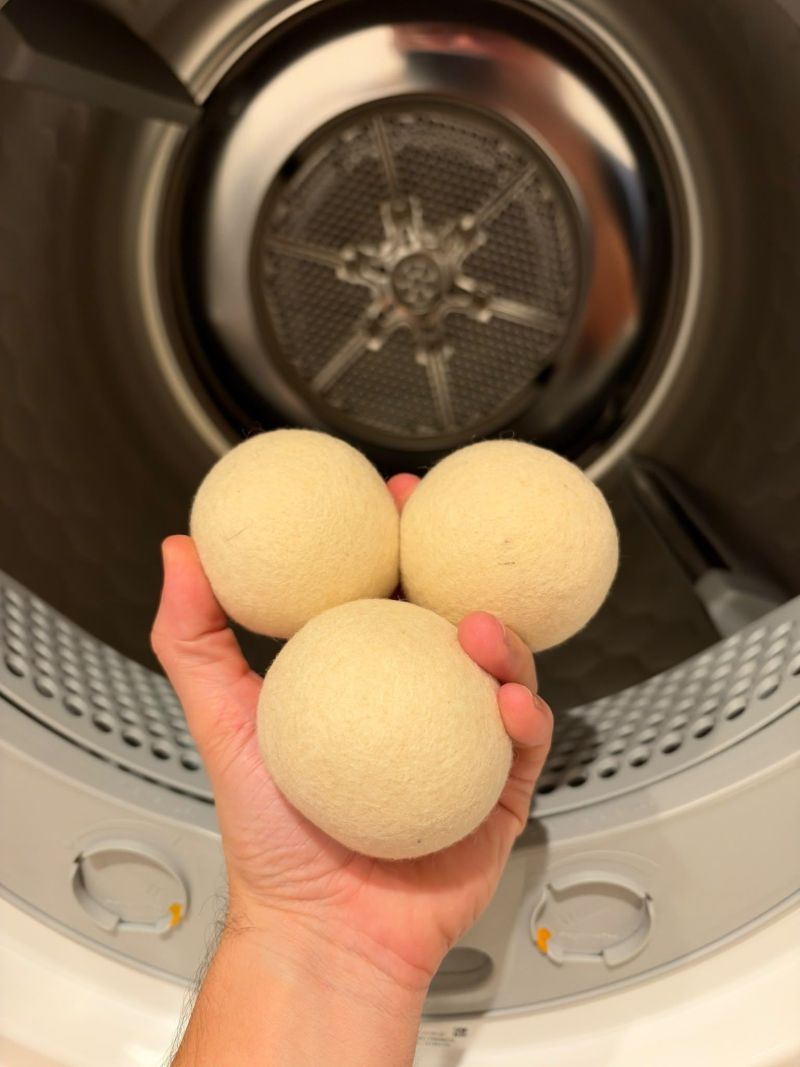
Wool dryer balls are made from compressed fibers rather than a rubber core covered in felt. Their purpose is to move through the laundry, separate fabrics, and reduce the time clothes spend pressed together.
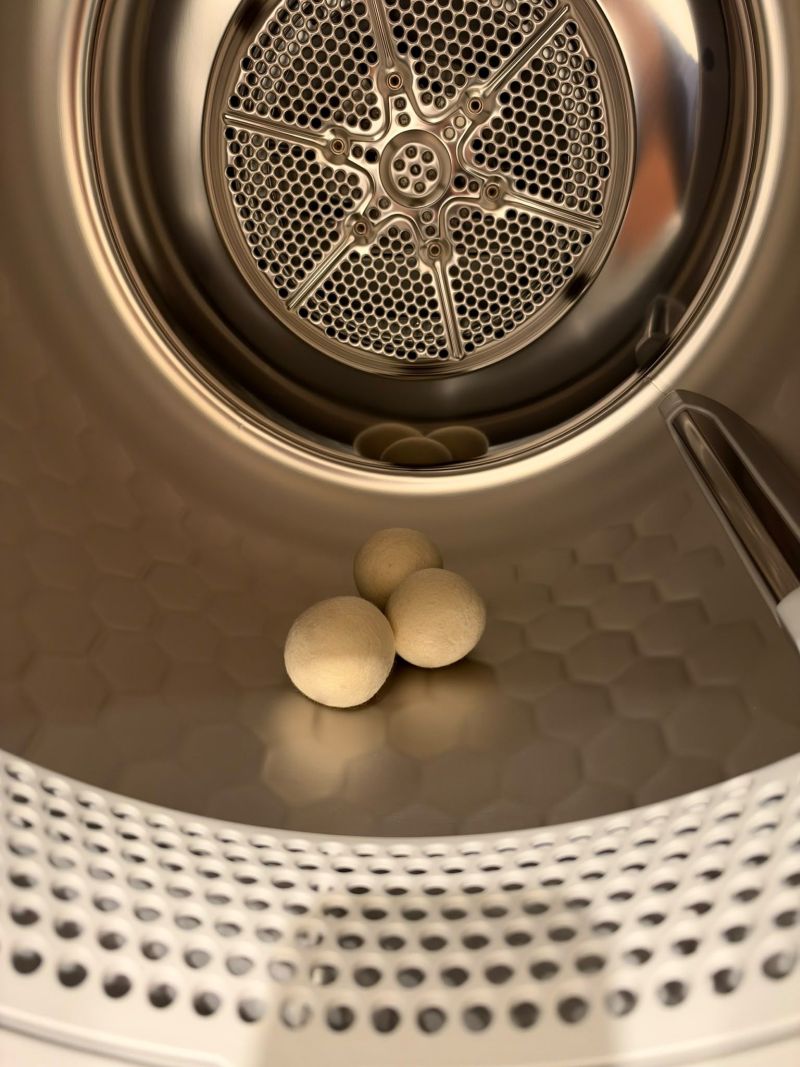
The softer material also makes wool balls a more suitable option for people who want to avoid the noise of tennis balls hitting the metal drum.
Wool balls are designed for repeated dryer use. Tennis balls were made for a different purpose, so their performance under heat depends on their construction and condition.
Homeowners Have Mixed Experiences With the Swap
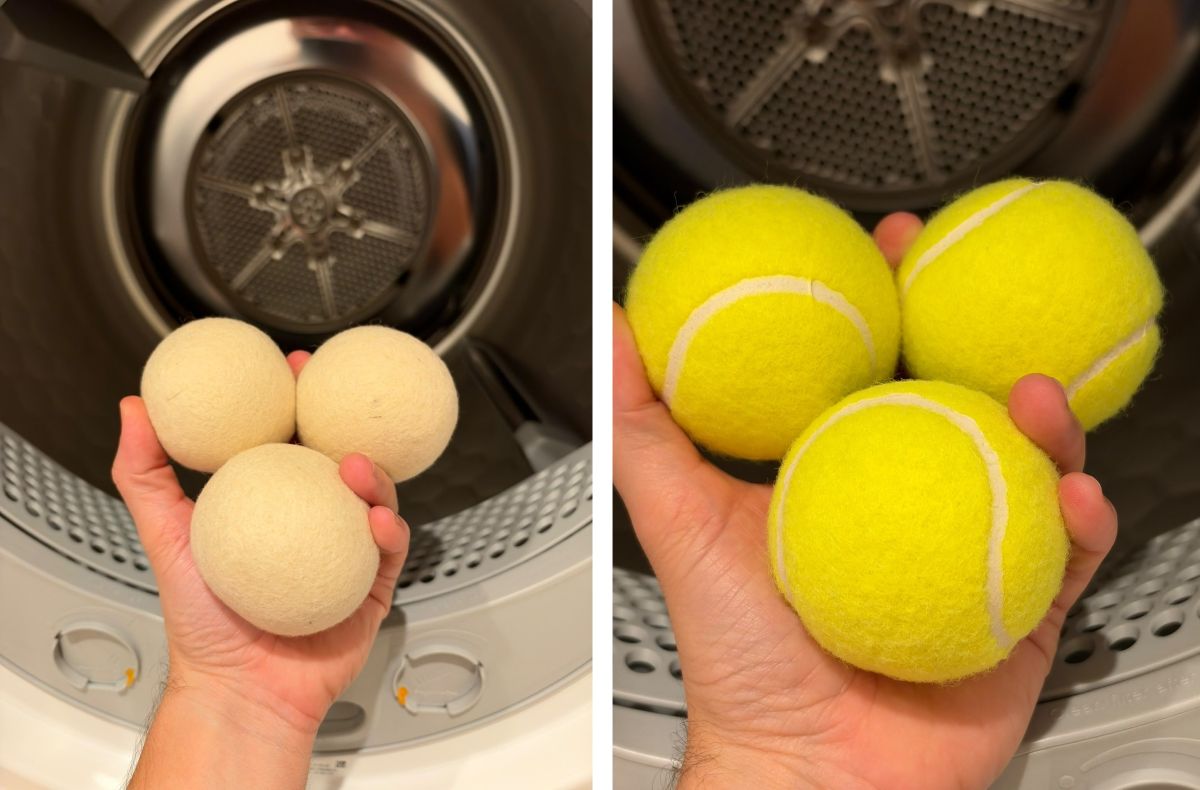
In a Reddit discussion on r/CleaningTips, one user reported using tennis balls instead of dryer balls for about two years. The user found them less expensive and saw little difference in performance.
Other commenters described different results. Some preferred wool balls because tennis balls left an unusual rubber smell on their clothes. Others raised concerns about the materials being exposed to dryer heat.
The discussion shows why the substitution appeals to some households but hasn’t convinced everyone to abandon traditional dryer balls.
Another Reddit user, u/dropthefunk, shared a photograph showing six tennis balls used in a dryer. Three were covered with dark lint, while the other three remained almost clean.
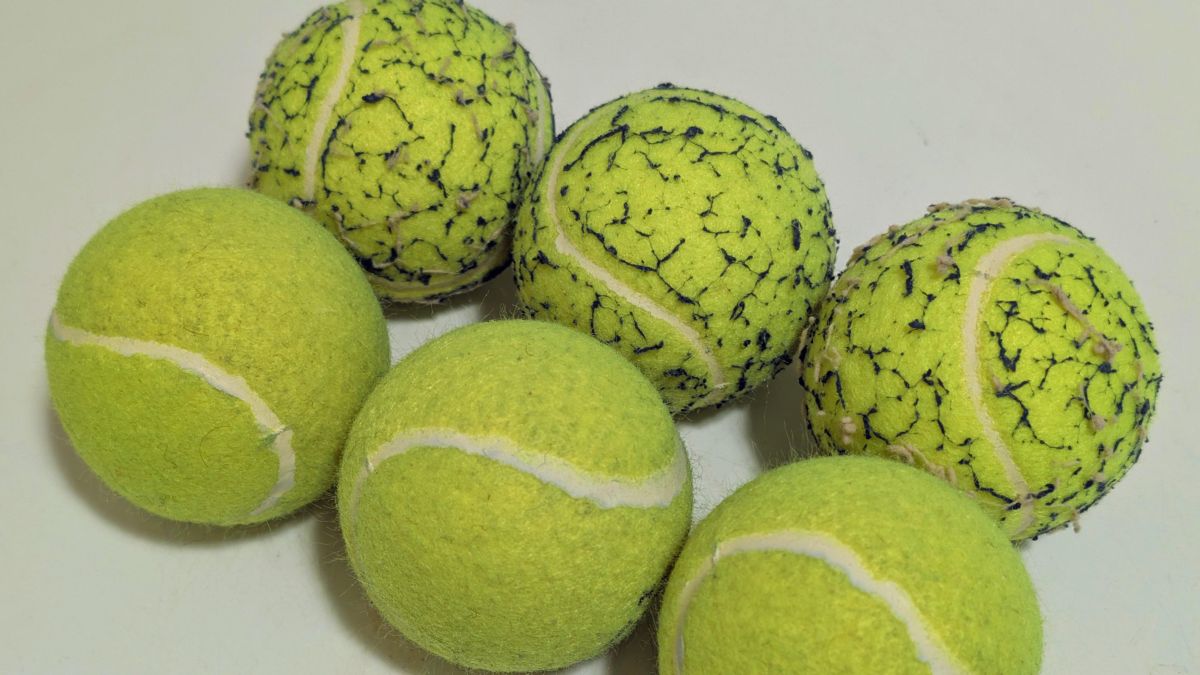
The user said all six balls came from the same brand and were purchased at the same time. Even after removing the lint with a fabric shaver, the same three balls kept collecting it during subsequent loads.
Commenters questioned whether differences in the felt covering or static electricity could explain the result, but the discussion did not establish a cause. The photograph shows that tennis balls can collect lint, although it doesn’t prove that they remove lint from laundry more effectively than wool dryer balls.
The Limit: Tennis Balls Aren’t a Replacement for Every Load
Tennis balls can produce more noise than wool balls, and their rubber and felt construction can create problems under heat. Some may transfer dye, develop odors, or deteriorate after repeated drying cycles.
Using clean balls and following the garment manufacturer’s care label matters. Low-heat drying is recommended for the down garments covered by Patagonia and REI’s guidance, but that advice doesn’t mean tennis balls belong in every dryer cycle.
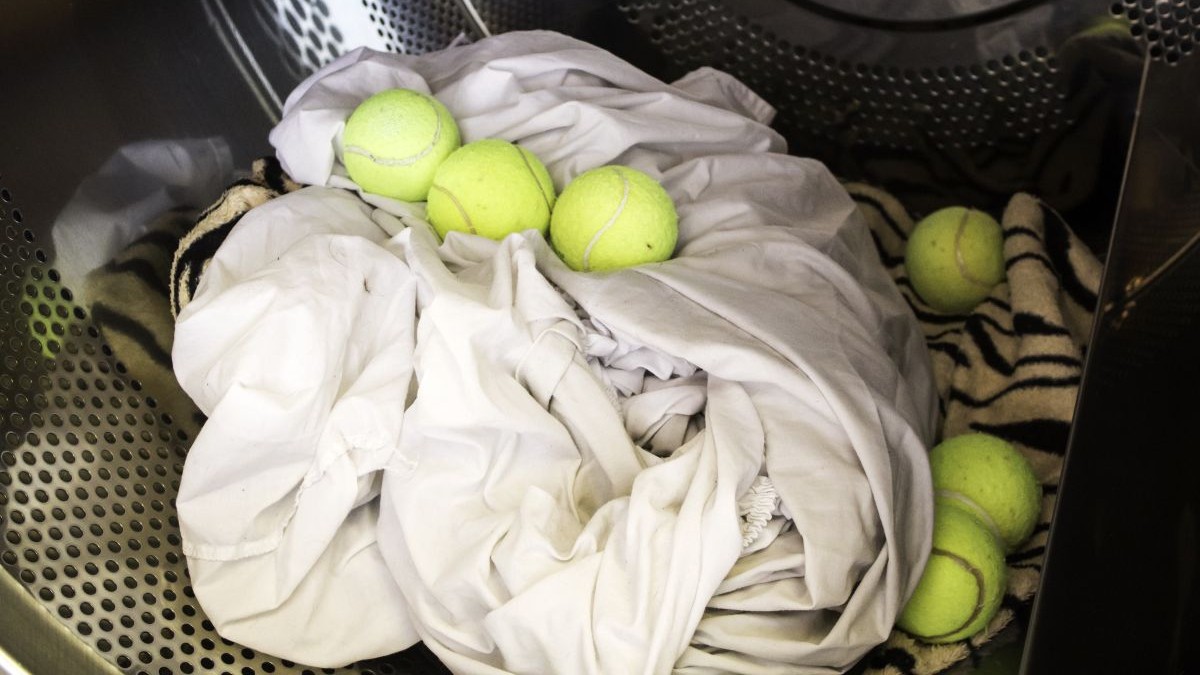
There is also no guarantee that tennis balls will reduce static cling or shorten drying time for ordinary clothing. Their clearest benefit is helping separate clumped filling in compatible down products.
Wool dryer balls remain the more suitable choice for routine laundry, while tennis balls have a narrower use for items that need their filling restored.
For another laundry problem involving bulky bedding, see how to wash pillows without damaging their filling and why the drying method matters as much as the wash.
Would you use tennis balls when drying a down comforter or jacket, or stick with wool dryer balls?