Why do people add sugar to their homemade cleaning paste?


The stovetop is clean except for one stubborn spot. You’ve sprayed it, wiped it and scrubbed it with a sponge, and the brown ring is still there. Under the sink, the tile around the cabinet base has the same dull film that no spray seems to touch.
You don’t need a stronger chemical for that. You need a little grit that won’t scratch, and something to cut the grease underneath. A paste of dish soap, baking soda and a spoonful of sugar gives you both, with ingredients already in your kitchen.
What each ingredient does in the paste
Each part of the mix has its own job. The dish soap contains surfactants, which break down grease and lift dirt so it can be rinsed away. The baking soda helps with grease and neutralizes odors.
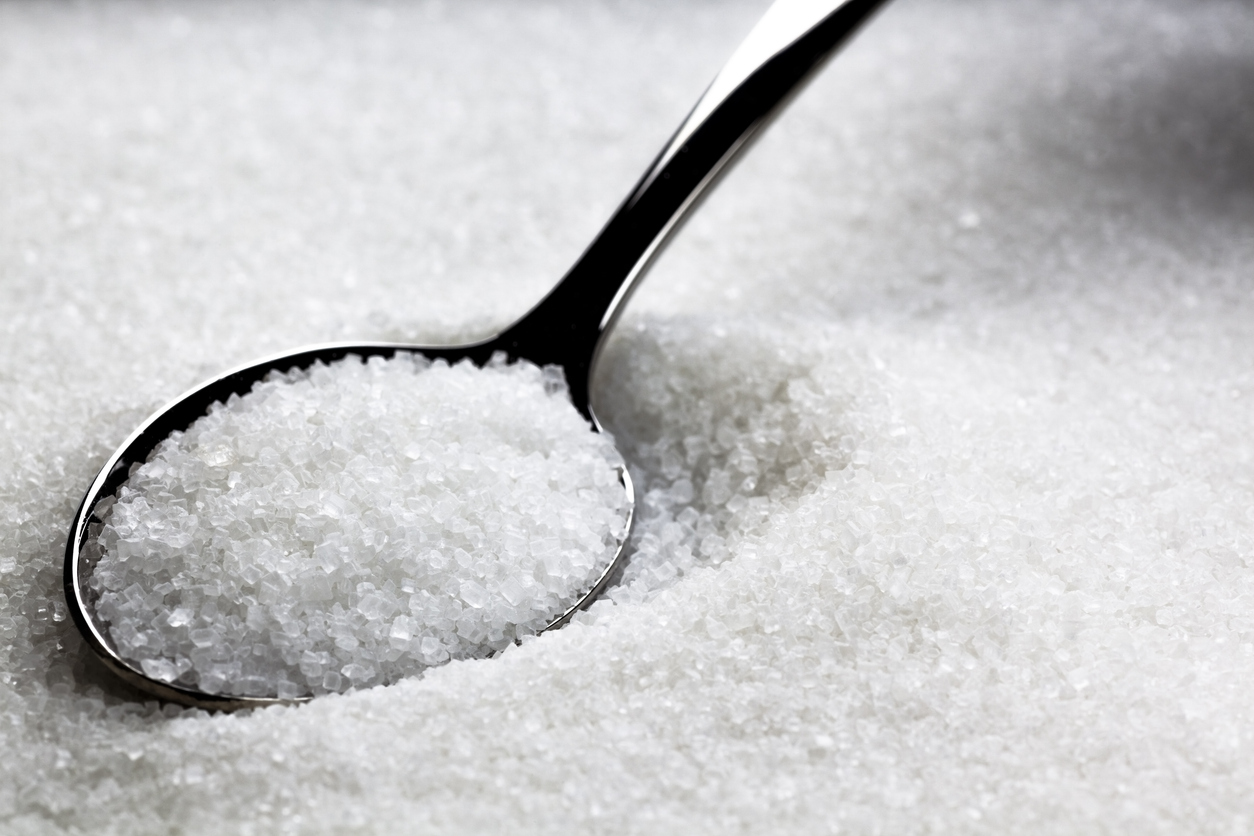
The sugar is the surprising part. Its small crystals add a mild scrubbing action, so the paste can work on stuck-on spots without the harshness of a scouring pad. Baking soda adds to that grit too. The University of Arkansas Cooperative Extension notes that baking soda or salt can be used as mild abrasives, and that overusing them or pressing too hard can scratch surfaces.
The paste also clings. A spray runs off a vertical tile or the side of a pot, while a paste stays where you put it long enough to loosen the grime.
How to mix and use the paste
Make a small batch right before you clean:
- Combine the ingredients. Put 2 tablespoons of liquid dish soap in a small bowl, then add one spoonful of baking soda and one spoonful of sugar.
- Stir until smooth. If it’s too runny, add a little more baking soda. If it’s too thick, add a few drops of water.
- Apply it to the spot. Spread it on countertops, around the sink, on tile or on the outside of pots and pans.
- Scrub gently. Work it in small circles with a soft sponge or cloth.
- Rinse and dry. Wipe away every trace with a damp cloth, then dry the surface.
Test it on a small, hidden area first to see how the surface reacts.
For grease that has turned sticky on cabinet doors, a simpler paste works too. Baking soda mixed with water, left on for 5 to 10 minutes and then rubbed gently, lifts sticky grease off kitchen cabinets, as long as glossy or painted fronts get a soap-and-water pass instead.
Surfaces that need a gentler touch
Keep this paste off untreated wood and polished marble. Even a mild abrasive can dull a delicate finish, and stone like marble doesn’t forgive mistakes.
Go easy on glossy surfaces and nonstick coatings too. Light pressure and a soft sponge are enough, since too much force can scratch.
Rinse thoroughly every time. Sugar left behind on a counter turns tacky, which is the opposite of what you were after.
Soap for the grease, baking soda for the smell and a spoonful of sugar for the grit. That’s the trick.