Leaving house spiders alone in the corners this winter: what is it for and why is it recommended



The heat comes on, the evenings get long, and suddenly there’s a web in the corner above the tub and a long-legged spider racing across the living room rug. It feels like every spider in the yard heard about the cold and moved in for the season.
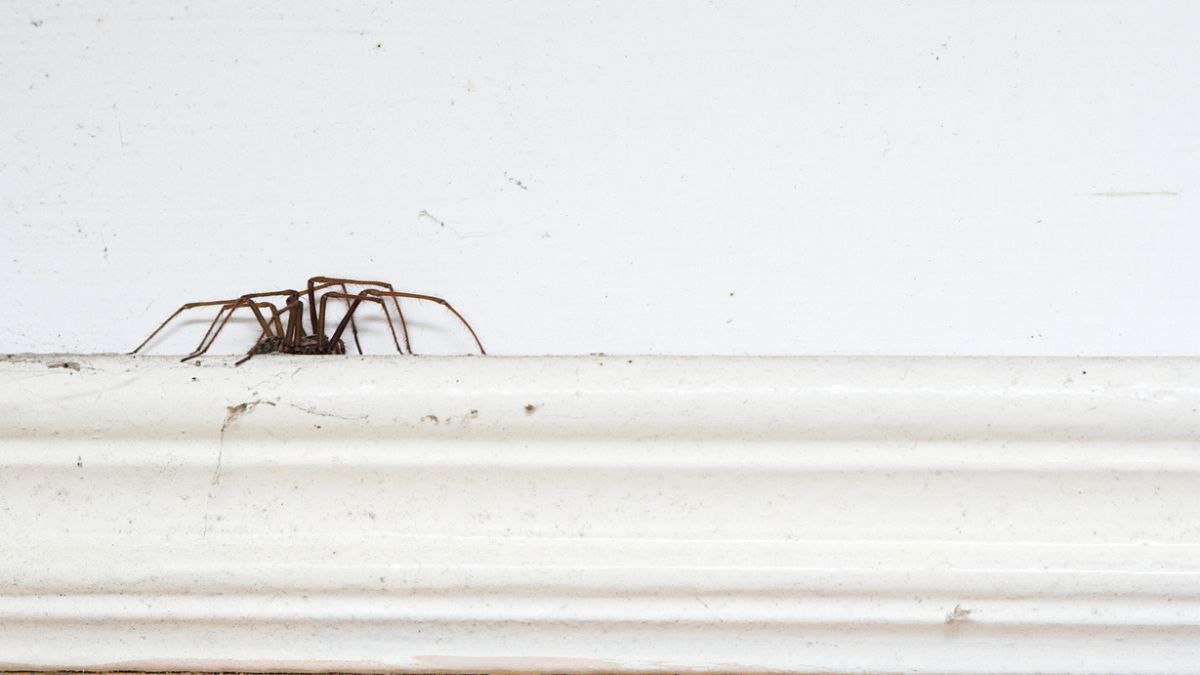
The cold isn’t the problem, the story about it is. Rod Crawford, who wrote the spider myths pages for the Burke Museum at the University of Washington, explains that house spiders belong to a small group of species adapted to indoor life. The few outdoor spiders that end up inside tend to die there, or at least don’t reproduce.
Why the spiders you notice were already living with you ?
Most house spiders spend their lives in quiet places nobody looks, like basement corners and the back of a closet. According to Crawford, the big ones people spot running across a floor are usually mature males wandering in search of mates, and when lots of them appear at once, it’s typically late summer, in August and September. By winter, the difference is mostly you: more hours at home, lights on earlier, and webs in the rooms where you spend every evening.
They aren’t rare guests, either. Matt Bertone, an entomologist at North Carolina State University, surveyed 50 North Carolina homes with colleagues and found spiders in every single one. He describes them as predators that regularly catch nuisance pests and even disease-carrying insects such as mosquitoes, so squashing one can take a useful hunter out of the house. He also points out that spider bites are extremely rare.
What’s worth fighting is the way in. Caulk, weatherstripping and door sweeps on drafty windows and doors are among the repairs not to postpone before winter, and they close the same gaps insects use to get inside.
Five ways to share the house without reaching for a spray
- Leave the quiet ones alone. A spider in a basement corner or behind the dryer is handling pest control for free.
- Move the ones you can’t live with. Oregon State University Extension says there’s no need to vacuum spiders, which can be gently moved back outdoors. University of California pest experts suggest placing a jar over them and slipping a piece of paper under the jar, then carrying it outside.
- Skip the insecticide. Oregon State’s extension service says sprays are generally not recommended, and UC pest experts note that spraying only works for a while unless it comes with housekeeping.
- Clear webs as you clean. Taking down old webs during regular dusting shows you whether a new one appears.
- Seal the gaps. UC’s pest experts recommend sealing cracks in the foundation and gaps around windows and doors.
Plan B, if you want to know what’s really moving around: set a few flat glue traps along walls and in corners. University of Kentucky entomologists use them to detect and reduce spider populations, and they show you where spiders travel without spraying a room.
The two spiders worth taking seriously
The black widow is the one to know nationwide. Adult females are shiny black with a red hourglass on the underside, and they usually hide in dark, dry, undisturbed places such as woodpiles and garages.
The brown recluse matters only in part of the country. University of Kentucky entomologists say it’s found throughout the south central and Midwestern United States, with a dark violin-shaped mark on its back and six eyes instead of eight. Indoors, it hides in crevices behind and beneath beds and furniture and in closets. In its range, keep clothes and shoes off the floor, or at least shake them out before wearing them. It doesn’t live in California or Oregon.
If you find either one indoors more than once, call a licensed pest control professional rather than spraying on your own.
Leave the corner spiders to their work, and save your attention for the two that matter. That’s the trick.