Toilet Clogged and No Plunger? Something by Your Kitchen Sink May Help

Water rises in the bowl, and the plunger is nowhere to be found. Pressing the handle again feels like the quickest response, yet another flush can send that water over the rim. For a minor blockage caused by toilet paper and waste, the next thing to reach for may be beside your kitchen sink: liquid dish soap.
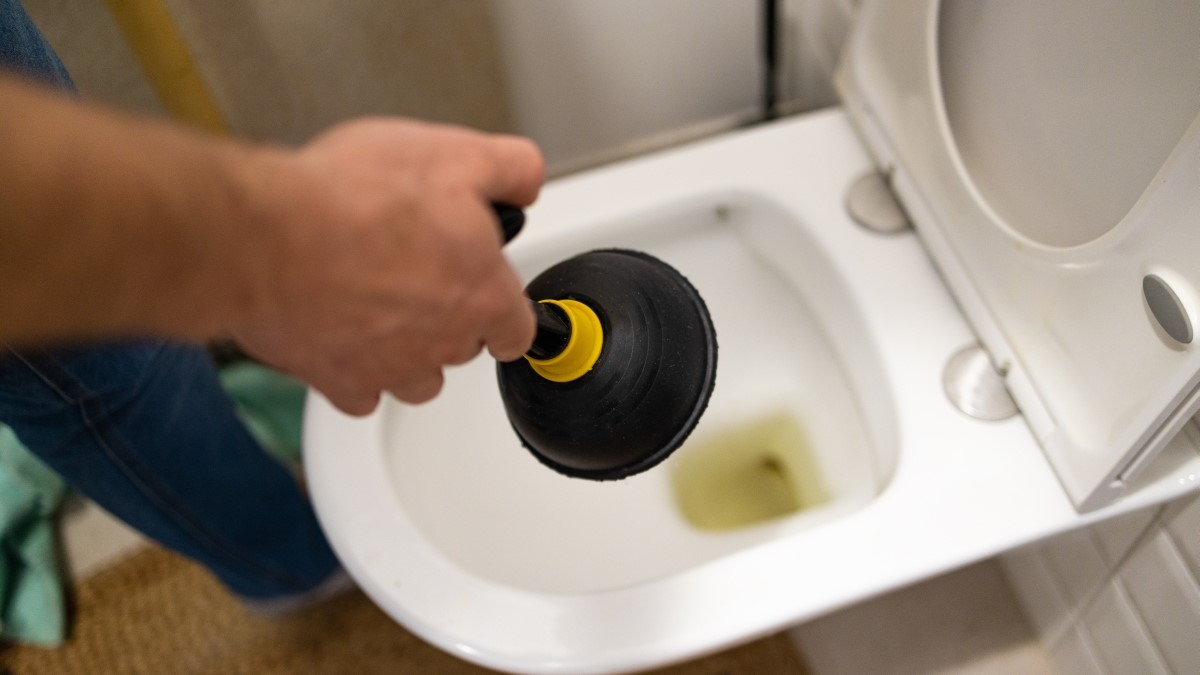
The method pairs soap with hot tap water and a waiting period. It may help a soft blockage move through the toilet, though it cannot remove a lodged object or clear every clog
What the soap is meant to do
Dish soap helps lubricate the blockage and the surfaces it needs to pass through. Hot water may help soften accumulated waste and paper, giving a minor obstruction a chance to move.
That is different from dissolving whatever has blocked the toilet. A toy, wipe, or other trapped object will not disappear because soap has been added.
Both American Standard and Roto-Rooter describe dish soap and hot, nonboiling water as an option for a clogged toilet. Neither makes it a guaranteed substitute for a plunger or auger.
How the video demonstrates it
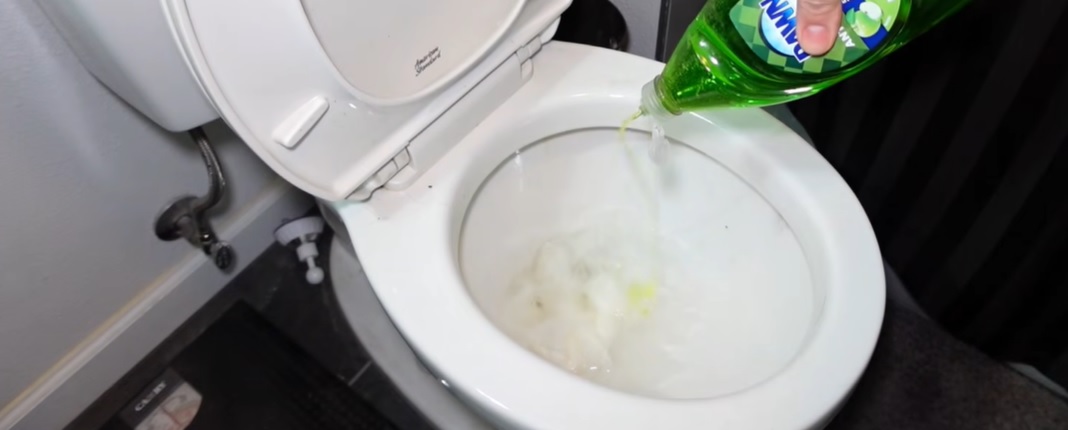
The presenter starts by pouring about one to one-and-a-half cups of dish soap into the bowl. He recommends leaving it for 45 to 90 minutes before adding hot tap water if the clog remains.
After pouring the water in a controlled stream, he waits another 30 minutes. These quantities and waiting periods describe his routine, rather than an established dose that every toilet needs.
His claim that the method works nine times out of ten is personal experience, not a measured success rate. Roto-Rooter describes a smaller amount: a few generous squirts of soap
What to check before trying it
Start with the water level. A bowl near the rim has no room for added liquid, so wait for the level to fall.
For a minor clog with room in the bowl:
- Stop flushing. More water can cause an overflow.
- Add liquid hand-dishwashing soap to the bowl, not the tank.
- Introduce hot tap water in small amounts, watching the level between pours.
- Leave the mixture to sit and check whether drainage returns.
- Stop adding water if it rises without draining.
Never use boiling water, which can crack porcelain. Do not combine the soap with bleach, drain cleaner, or other cleaning products.
When to try a flush
A falling water level is the first sign that flow may be returning. Once the bowl reaches its normal level, add a small amount of water to check that it drains before attempting one flush.
The video suggests flushing after the final waiting period. Time alone does not prove the blockage has cleared: if the bowl remains backed up, leave the handle alone.
Where the method reaches its limit
A clog that stays in place needs a toilet plunger, toilet auger, or plumber. Repeated doses of soap add liquid without establishing what is stuck.
Recurring blockages or backups affecting other fixtures also need investigation. For a small paper-and-waste clog, soap and hot tap water may help; persistent trouble calls for finding the obstruction.