Few People Know Why Window Frames Have Those Small Holes at the Bottom

You wipe the glass, open the window, and brush dirt from the track. Small slots along the bottom of the frame can escape attention until one looks like a gap that needs sealing. Some sit beneath plastic covers; others appear open to the outside. Before reaching for caulk, check their purpose: on windows fitted with drainage channels, closing those gaps can trap water inside the frame.

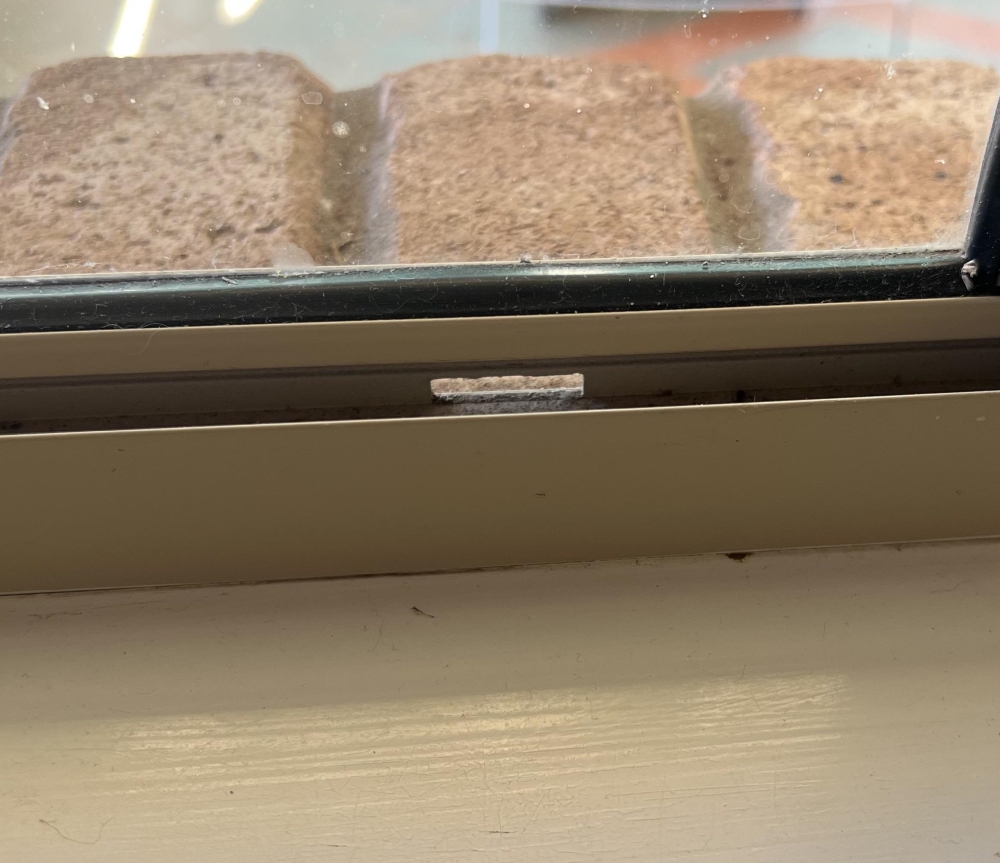
One homeowner asked about this detail on Reddit’s r/AusRenovation after noticing rectangular openings in every aluminum window frame. They thought the holes let in flies, drafts, and rain. Commenters identified them as outlets designed to let water escape.
What the small openings are for
Called weep holes, these outlets connect drainage channels within certain window frames to the exterior. Rainwater that reaches the sill or track has a route outside instead of remaining in the frame.
Pella’s owner guidance explains that windows equipped with weep holes discharge collected water through those openings. Some water in a drainage track does not, on its own, establish that the window has failed. What matters is whether it drains away.
That explains the apparent contradiction: a window designed to keep rain outside can still need openings at the bottom.
Where to look on your window
Check the lower exterior portion of the frame for narrow slots or fitted drainage covers. Their position and appearance vary by model, so use the manufacturer’s instructions to identify them.
Plastic covers can be part of the system. Andersen supplies weep-hole covers for several window styles, including sliding, single-hung, and double-hung models. A fitted cover should not be mistaken for debris and pulled off.
Not every gap is a drainage outlet, and not every window has exposed weep holes. Identify the feature before altering it.
Why sealing them can make matters worse
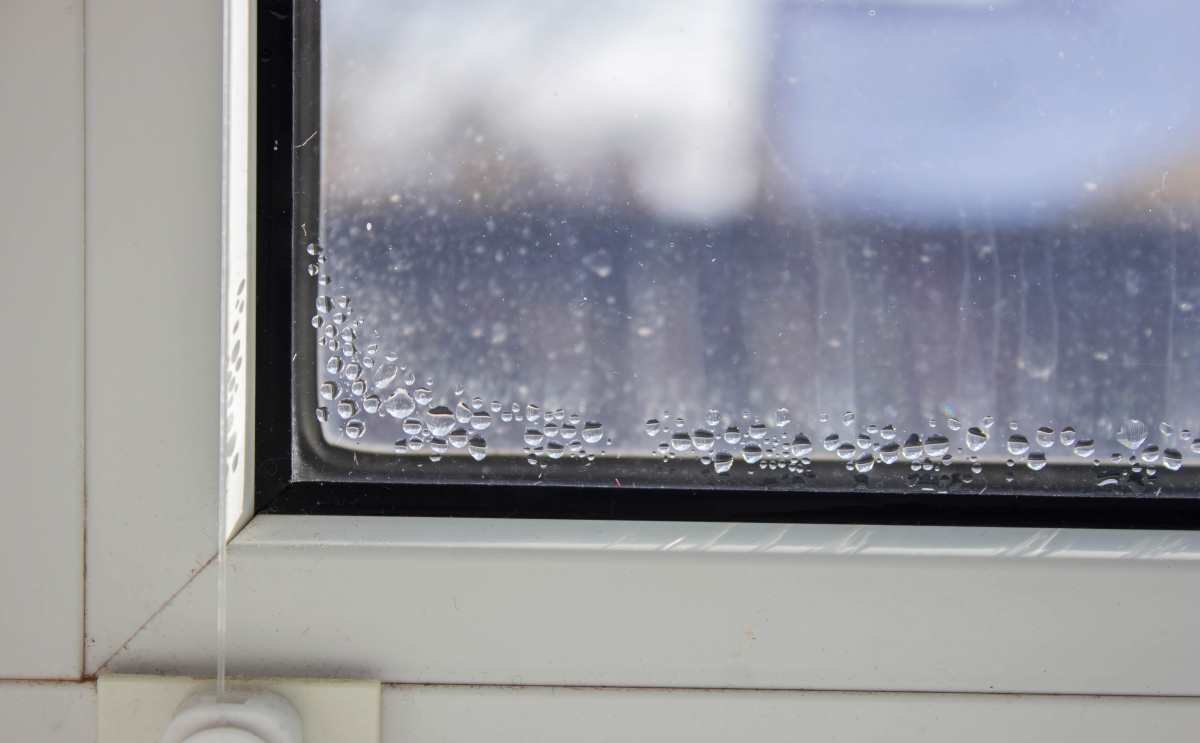
Caulk may close the opening, yet leave water entering the drainage track with no clear exit. Paint and accumulated debris can obstruct the same route.
Andersen advises checking weep holes for dirt or debris when water does not drain or pooling continues. Pella warns against getting paint into weep openings during finishing work. An identified drainage outlet needs to remain clear.
The Reddit discussion shows how the confusion starts: the homeowner saw an opening that appeared to admit rain, while the replies explained its role in releasing water from the track.
What to check before reaching for caulk
Start with the care instructions for your window model. Clear loose dirt from accessible sill surfaces using the specified method; Pella describes a vacuum with a brush attachment for applicable windows.
Avoid drilling new outlets, enlarging slots, or pushing tools deep into the frame. Persistent pooling or water entering the room calls for inspection of the drainage system and surrounding installation.
Before sealing a small opening beneath a window, establish where it leads. Closing a water outlet can create the problem you hoped to prevent.