Those Ridges on Your Dustpan Aren’t Decoration: What They’re Designed to Do


Sweeping leaves the floor clear, but hair and fluff can stay tangled in the brush. Before putting it away, you might pull debris from the bristles with your fingers or knock the brush against the bin.
Look along the raised edges of your dustpan, and you may find a row of molded ridges or teeth. They can blend into the plastic, going unused each time you sweep.
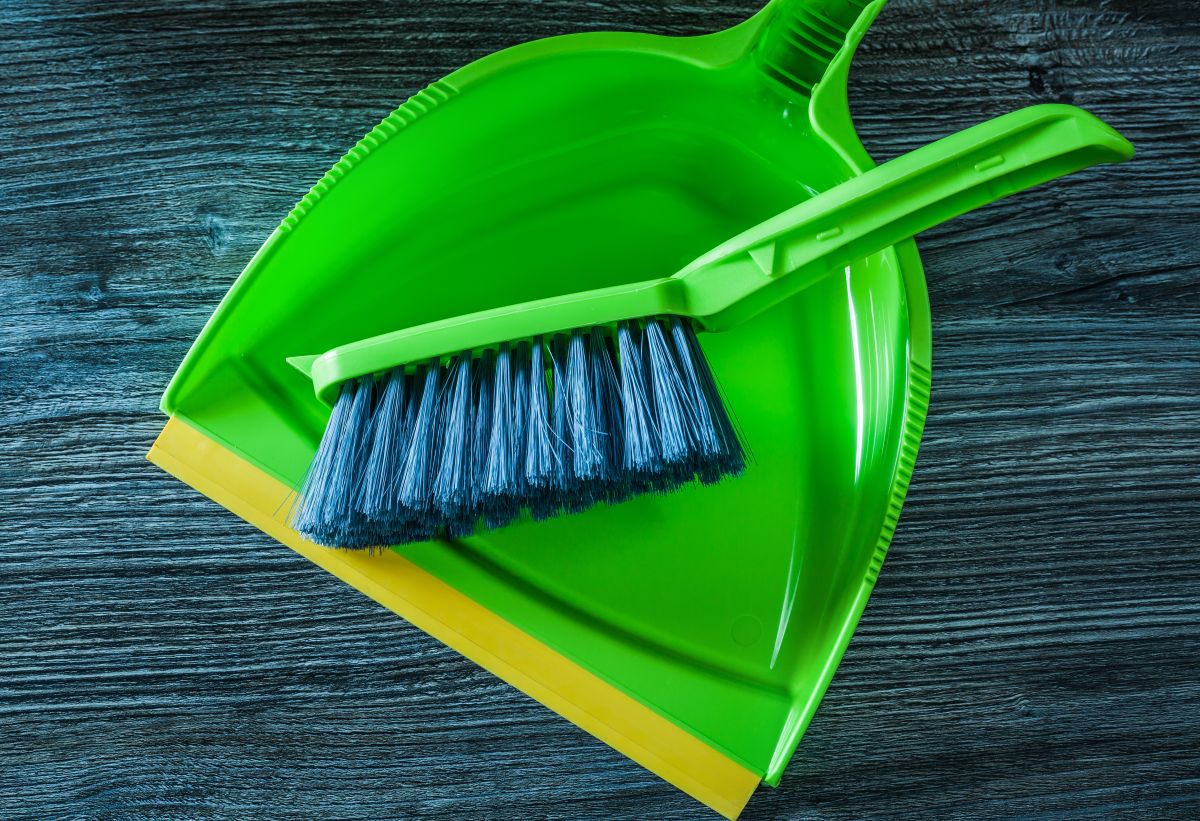
Reddit user u/Mechanical_Owl noticed those ridges on dustpans they had owned and asked whether they served a purpose. The answer involved cleaning the brush itself.
What the ridges are for
Built-in cleaning ridges give the bristles a surface to pass against, helping dislodge hair, lint, and dust caught between them. Drawing the brush across that edge loosens debris that does not fall out when you empty the pan.
Some dustpans have shallow ridges, while others use pronounced teeth that reach between the bristles. OXO describes the teeth on its sweep sets as a feature for combing dirt from the broom.
How to use them without scattering dust
Empty the dustpan, then hold it over an open bin. Draw the bristles across the cleaning ridges with slow, controlled strokes so loosened debris falls into the bin.
Change the brush angle to reach another section of bristles. Avoid flicking them across the edge, which can throw dust back onto the floor.
Several replies in the Reddit thread made that same point: cleaning over the bin saves you from sweeping up the debris again.
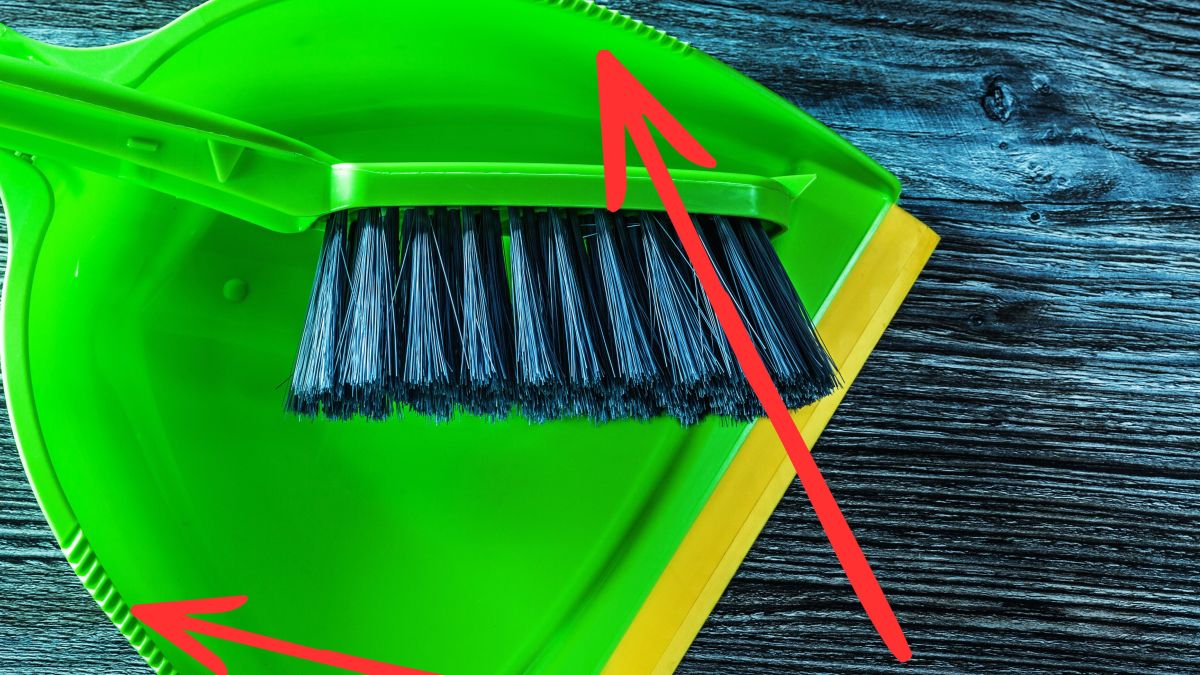
What they can and cannot remove
Loose fluff and hair caught near the bristle ends may come away after a few passes. Tight tangles wrapped near the base can need separate removal, since shallow ridges may not reach them.
Check your dustpan’s design before using any raised section as a comb. Cleaning teeth sit where the brush can pass across them; other molded ribs may reinforce the plastic.
Clean the edge before putting it away
Hair and dust can collect around the ridges after use. Remove the loose debris and, if the product’s care instructions allow, rinse the plastic pan and let it dry before storage.
Next time the brush comes away from the floor carrying a clump of fluff, check the dustpan’s edge before reaching for it with your fingers.