That Small Door at the Bottom of Your Washing Machine Hides Something Most Owners Never Think to Check

That small flap near the bottom of a front-loading washing machine can stay closed for years. Some owners never open it, unaware that coins, hair, lint, and other debris can collect behind it. When the buildup blocks drainage, clothes may come out soaking wet, or water may remain in the drum after a wash.
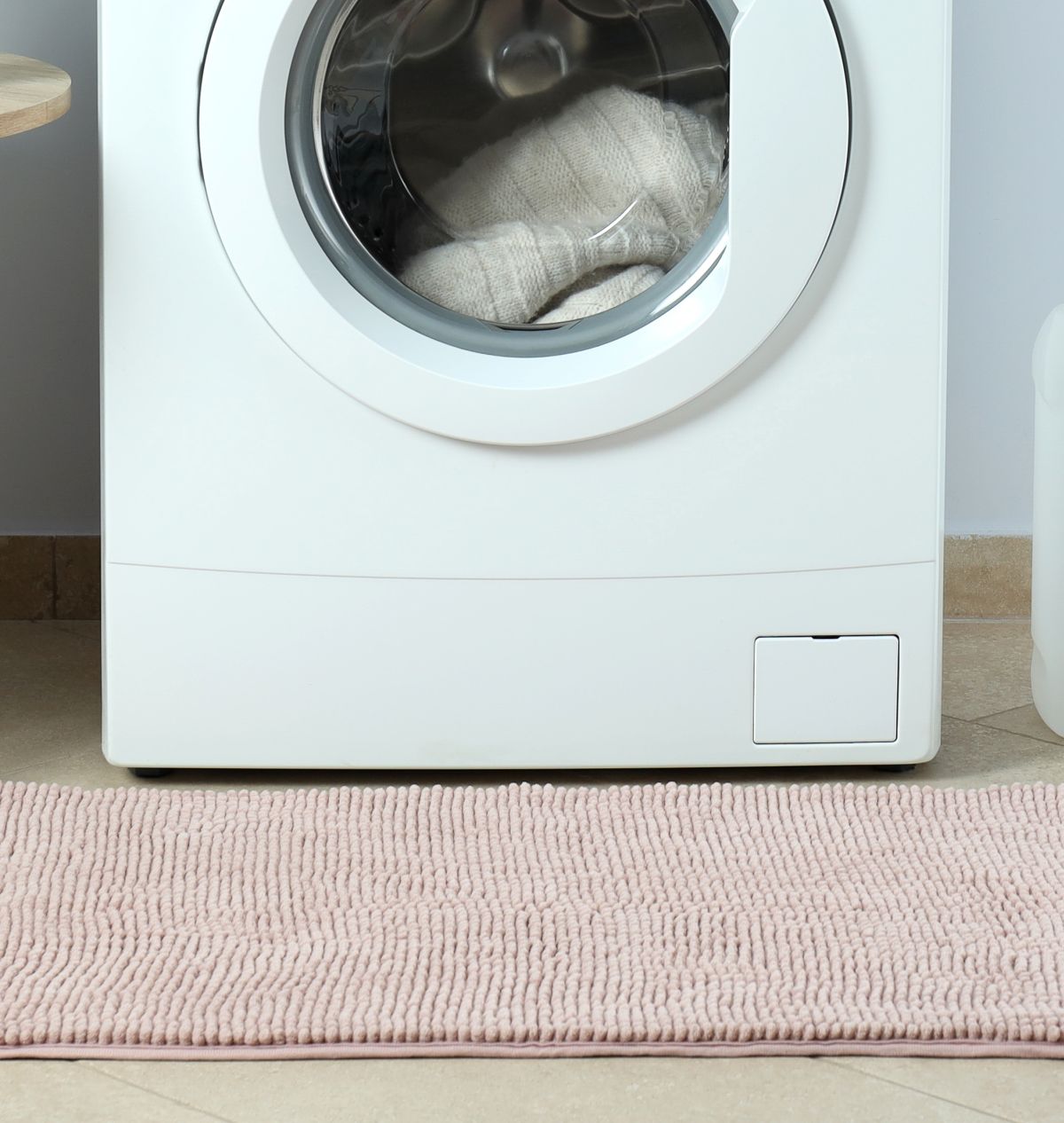
Reddit user u/oportoman had owned a washing machine for years before asking what the panel was for. The discussion revealed what sits behind the cover, why it needs attention, and why opening it without preparation can leave water across the floor.
The compartment can also become a source of unpleasant odors when damp debris and residue remain trapped inside.
What the Small Door Hides
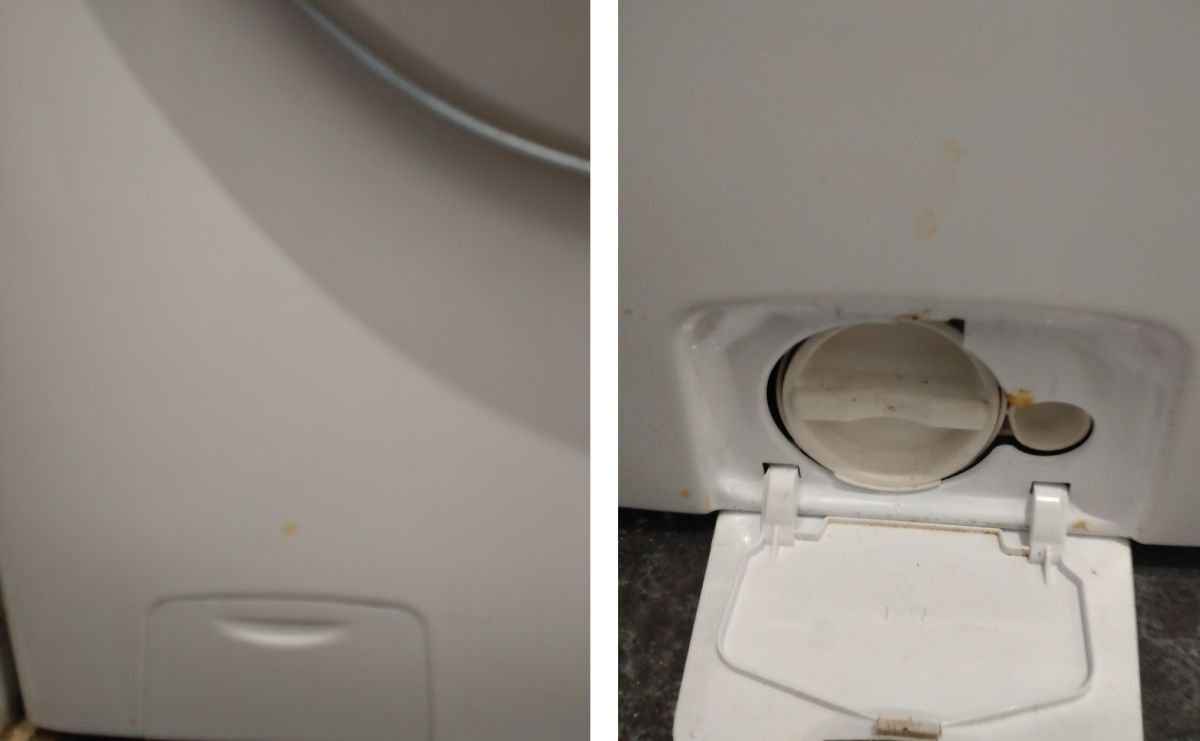
Behind the panel on many front-loading washers sits a drain-pump filter, also called a coin trap. It catches objects and debris before they can obstruct or damage the pump.
Coins left in pockets can end up here, along with buttons, hairpins, paper, and lint. One commenter described finding candy wrappers and cotton swabs after a washer stopped draining; removing the blockage restored its operation.
Not every washing machine has this access panel or a filter owners can remove, so the manual should identify the system used in each model.
Why the Filter Can Start to Smell
Water remains in parts of the drainage system after a wash. When hair, lint, detergent residue, and other debris accumulate in the filter housing, the damp material can develop an unpleasant smell.
Odors may become more noticeable when the panel is opened, especially if the filter has gone unchecked for a long time. Cleaning trapped debris can remove one source of the smell, although dirty door seals, detergent buildup, and drain problems can also cause washing-machine odors.
Why Water Can Spill When You Open It
Even when the drum looks empty, water can remain inside the pump housing. Unscrewing the filter without draining it first can release that water onto the floor.
Switch off and unplug the machine, allow hot water to cool, and check the manual before opening the compartment. Some models have a small emergency drain hose beside the filter. Use it to empty the remaining water into a shallow container before removing the cap.
Without a separate hose, follow the manufacturer’s drainage procedure and keep towels and a low container beneath the opening.
How to Check the Filter
Once the water has drained, remove the filter as directed in the manual and clear away trapped objects, lint, and residue. Rinse the removable filter, inspect the accessible housing, and check that the seal is clean before reinstalling it.
A loose cap or displaced seal can cause leaks during the next cycle. Cleaning intervals vary by model and usage, so follow the manufacturer’s recommendations rather than assuming every washer needs monthly maintenance.
If the machine still smells or fails to drain after the filter has been cleaned, the cause may lie elsewhere in the drainage system.
Have you checked what has collected behind the small door on your washing machine?