That One Upside-Down Spindle on Your Staircase May Be More Than a Carpenter’s Mistake

Staircase spindles repeat the same shapes beneath the handrail, making a single reversed piece easy to miss. Once spotted, its rings and curves interrupt the pattern every time you pass. A carpenter’s mistake seems like the obvious explanation, yet an upside-down spindle can also prompt questions about how it fitted the railing—and the folklore attached to intentional flaws.
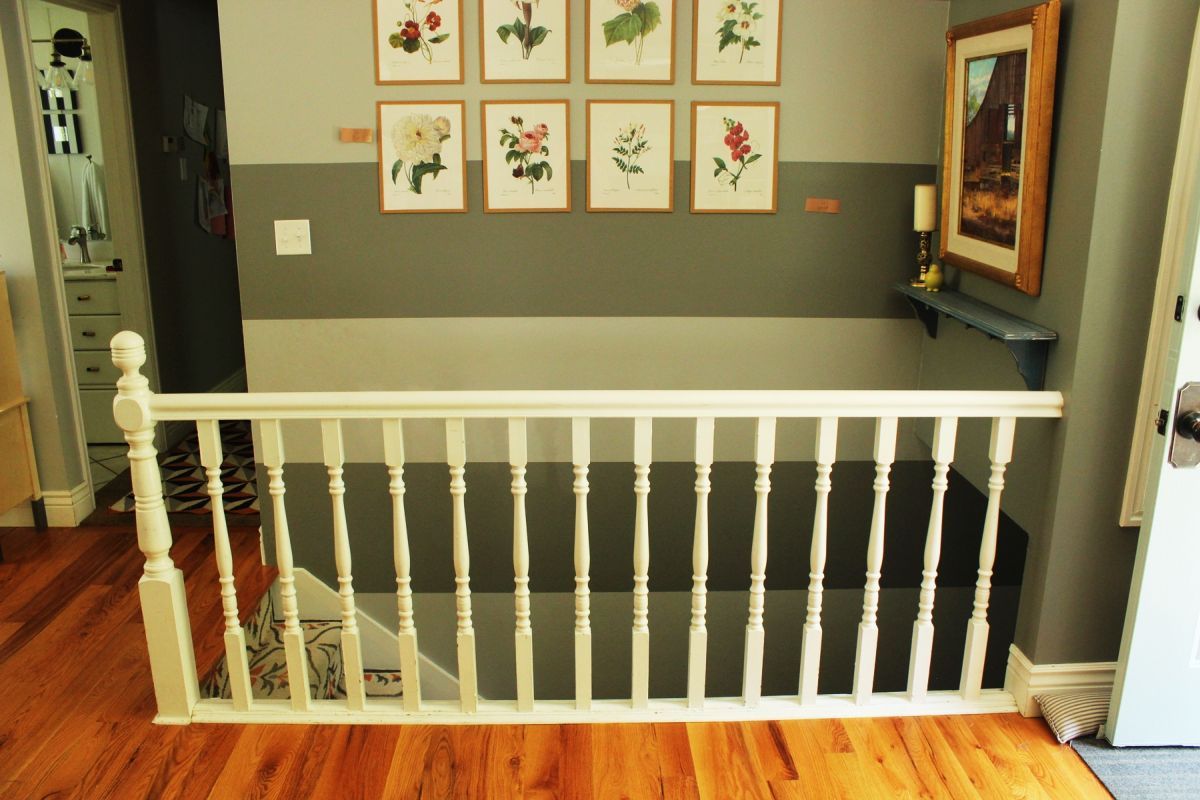
Two homeowners shared photographs of this detail on Reddit after noticing it months into living in their homes. Their posts show the mismatch, though neither establishes who installed the spindle or why.
One homeowner found it months after moving in
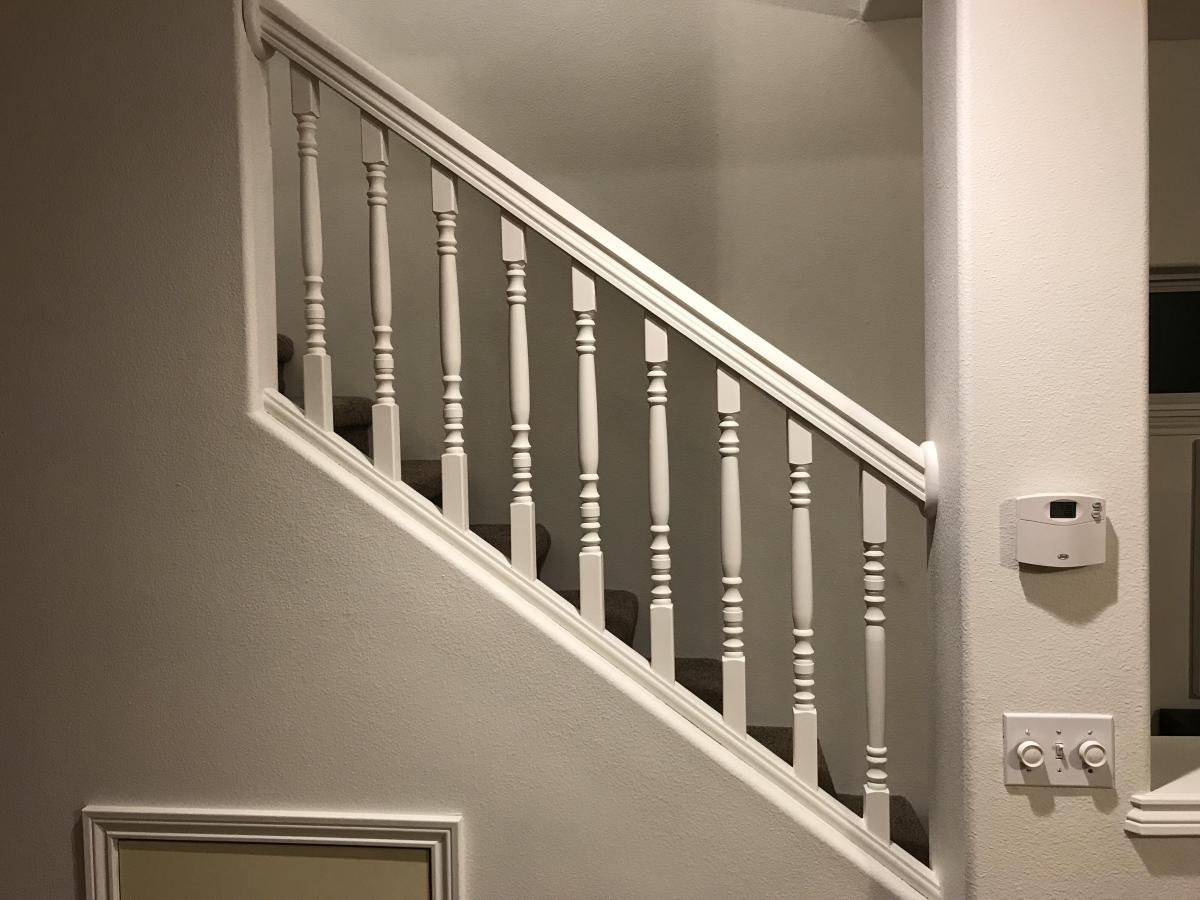
White balusters follow the slope of the handrail, with long central sections and clusters of turned rings repeating down the staircase. At the bottom, beside the thermostat, one spindle reverses that arrangement.
The homeowner said they had bought their first house a few months before noticing it. Their joking description of the house as “unlivable” captured the frustration of finding a small mismatch that had escaped attention.
Replies followed the joke, with commenters saying the detail would be hard to ignore once seen. One suggestion about an accessibility requirement was withdrawn by its author as a joke; it provides no explanation for the installation.
A curved handrail raised a different possibility
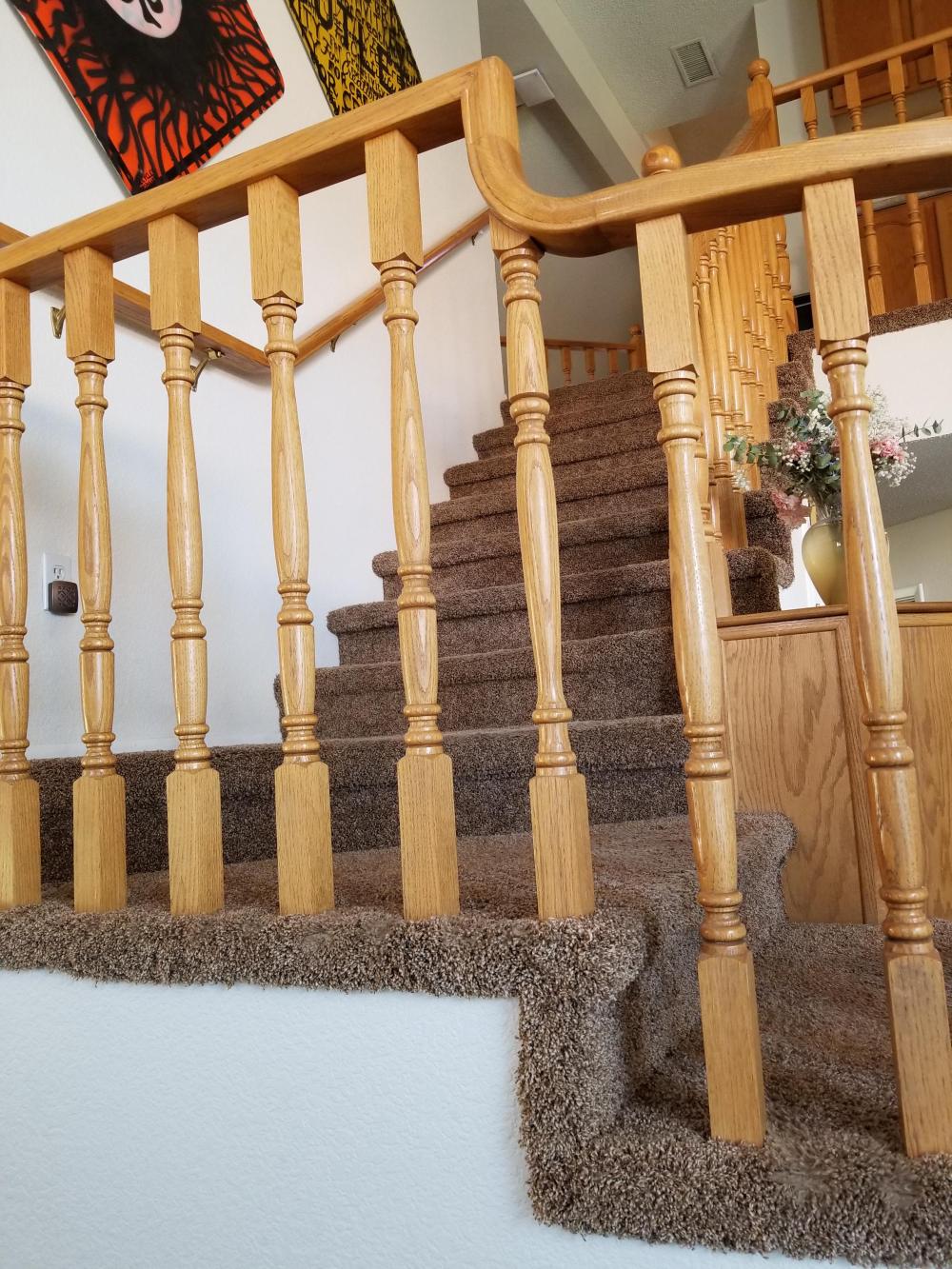
In the second photograph, an oak handrail curves downward where two railing sections meet. Beneath that transition, one baluster’s turned profile runs in the opposite direction from its neighbors.
A commenter suggested that reversing it gave the installer enough straight wood at the top to meet the curved rail. In its usual orientation, they argued, the decorative section would have fallen at the connection.
The homeowner acknowledged that the explanation made sense. It remains a proposed fitting solution, rather than a confirmed account from the carpenter.
Why reversed balusters attract stories about superstition
Folklore offers another explanation: a craftsperson leaves an intentional imperfection to acknowledge that human work cannot attain divine perfection. Another story links the reversed spindle with preventing the devil from climbing the stairs.
WRTV recounts folklore linking reversed balusters with protection from evil and the belief that human craftsmanship should remain imperfect. These stories do not establish why either homeowner’s spindle was installed upside down.
Finding a reversed spindle does not establish that its installer followed either belief. A fitting decision, replacement, or installation error may produce the same visible result.
How to spot the difference
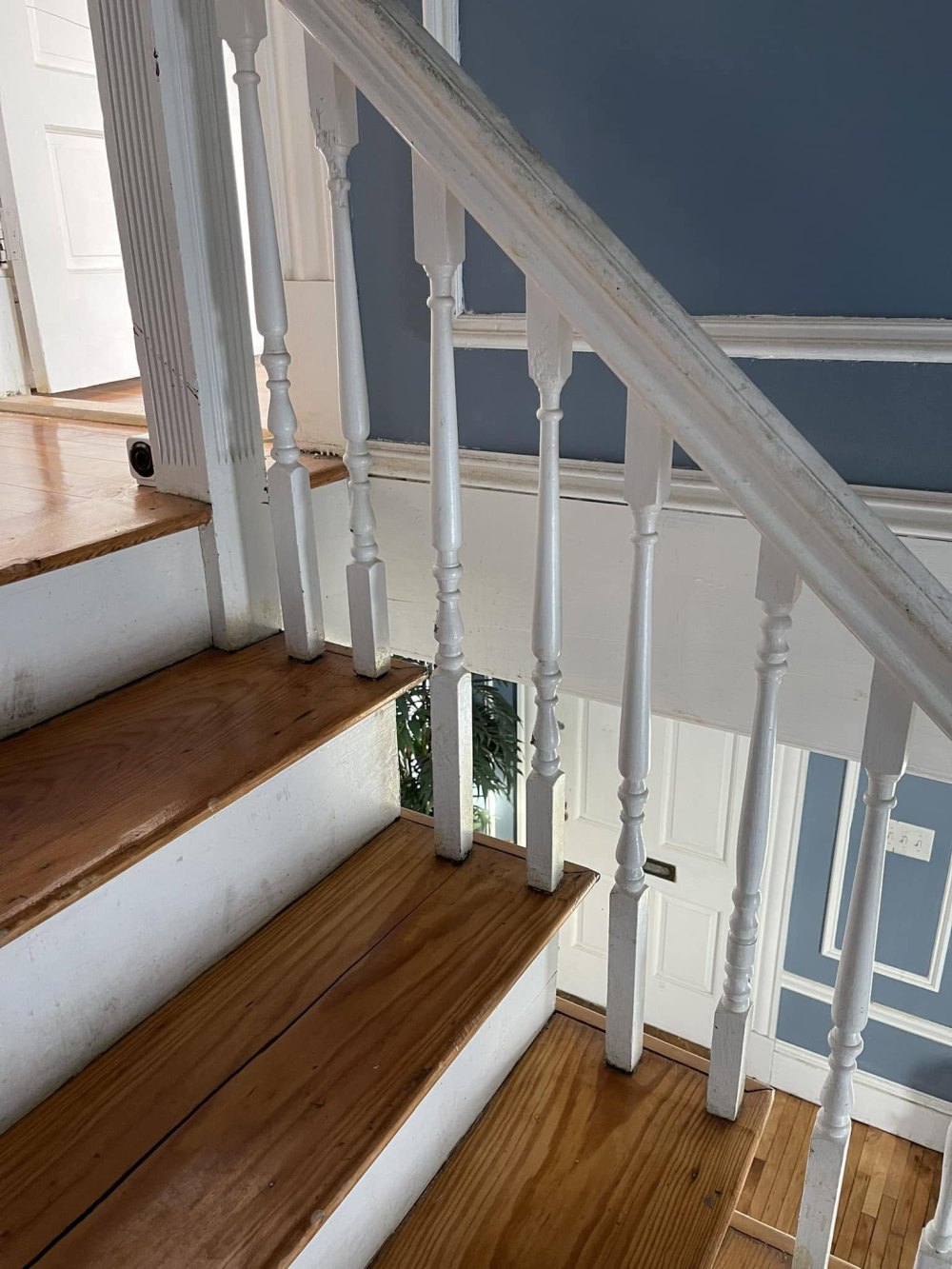
Compare the carved details on neighboring spindles rather than their height. Balusters along a staircase can have different lengths of straight timber to accommodate the sloping rail.
Look for the order of the rings, narrow necks, and elongated sections. A reversed piece flips that sequence, placing details near the top that appear near the bottom on those beside it.
In these two examples, the photographs establish the reversal. The reason behind each one remains open—and that is what makes the small interruption worth a closer look.