Putting Copper Plumbing Pipes Into a Wooden Block: What It’s For and How It Works


Before throwing away leftover copper pipes or a block of wood from a home improvement project, consider what happens when those materials are brought together. Pipes that would otherwise carry water behind walls can become supports for necklaces and bracelets.
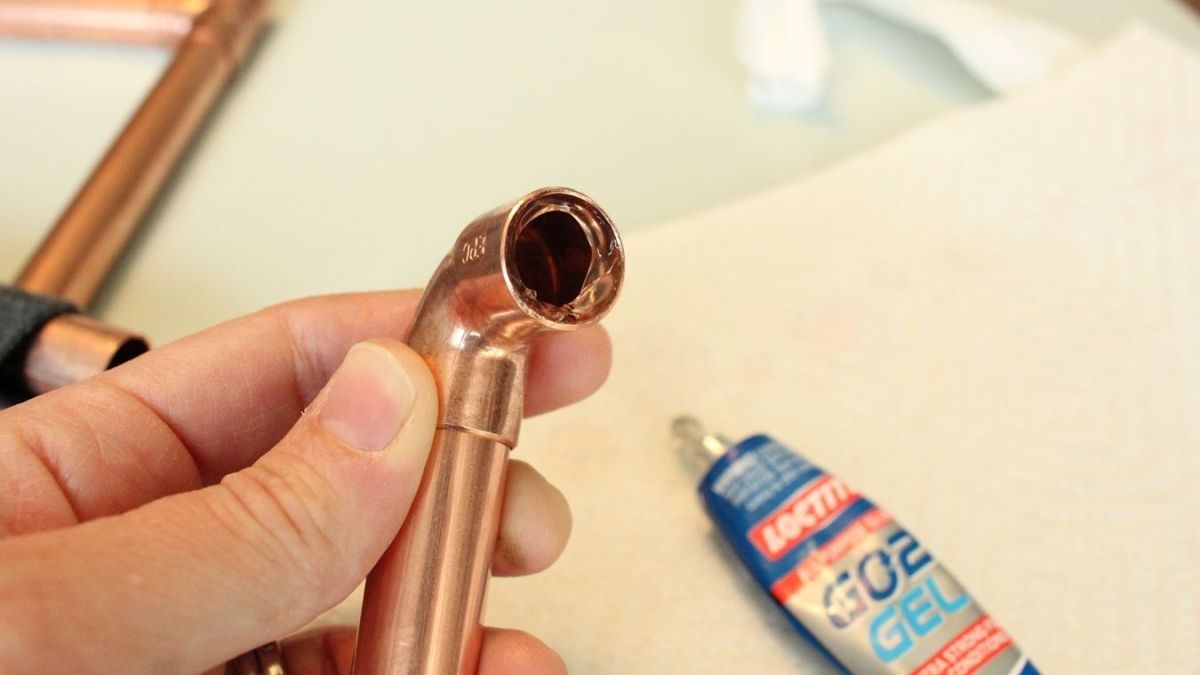
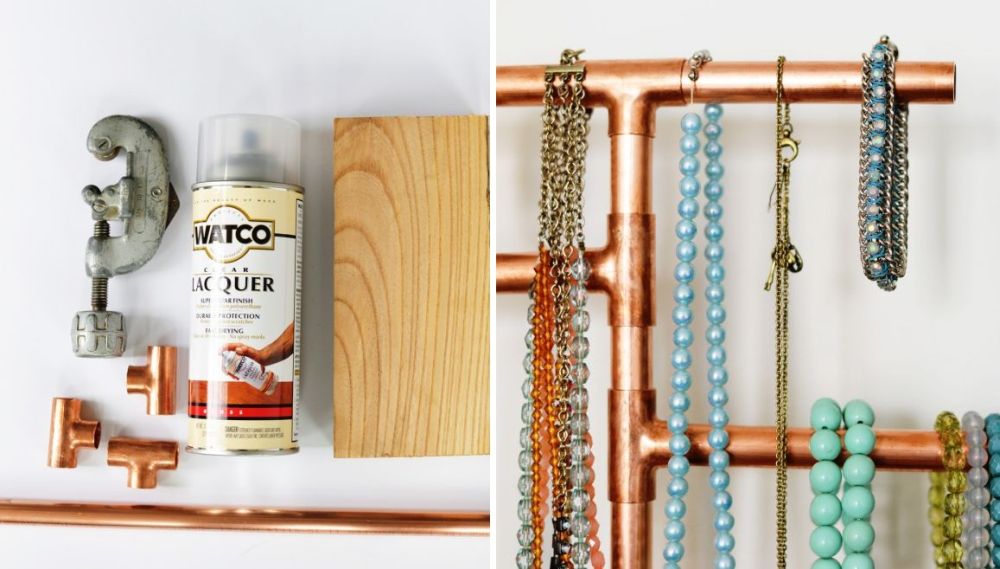
Copper T-fittings create branches at different heights, while a hole drilled into the wooden block holds the structure upright.
This project created by Homedit contributor Chelsea Mohrman shows how materials associated with plumbing can serve a different purpose on a bedroom dresser.
Copper Pipes and Fittings Take on a Different Purpose
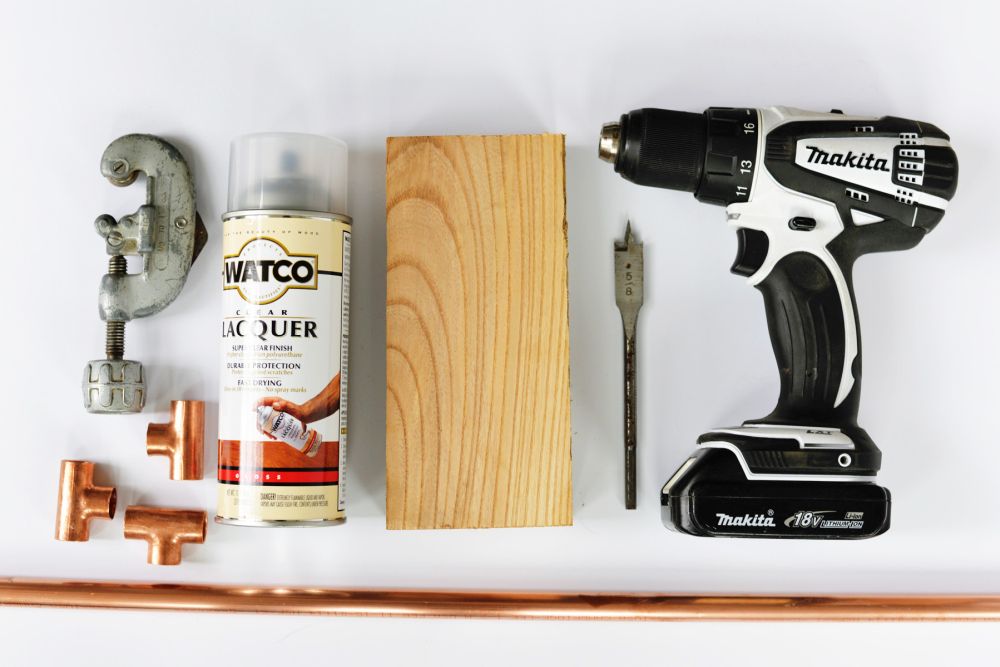
Eight feet of copper pipe, three T-shaped fittings and a wooden block provide the materials for the jewelry stand. Unlike plumbing installations that connect pipes to carry water, this design uses the fittings to create branches extending from a central support.
A handheld pipe cutter and a drill are the main tools needed for the construction.
A Wooden Block Becomes the Base of the Stand
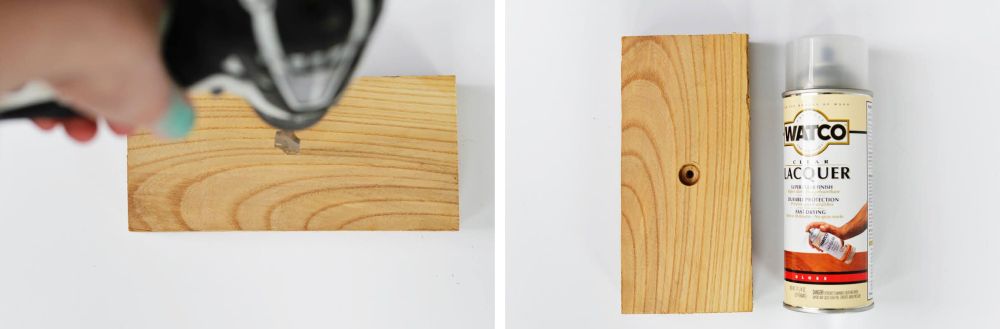
Drilling a hole halfway through the center of the wooden block creates an opening for the vertical copper pipe. The diameter of the hole should match the outside diameter of the pipe to provide a secure fit.
Clear lacquer can protect the surface while keeping the wood grain visible, although stain or paint can also be used to match the bedroom furniture.
How Three T-Fittings Create a Jewelry Organizer
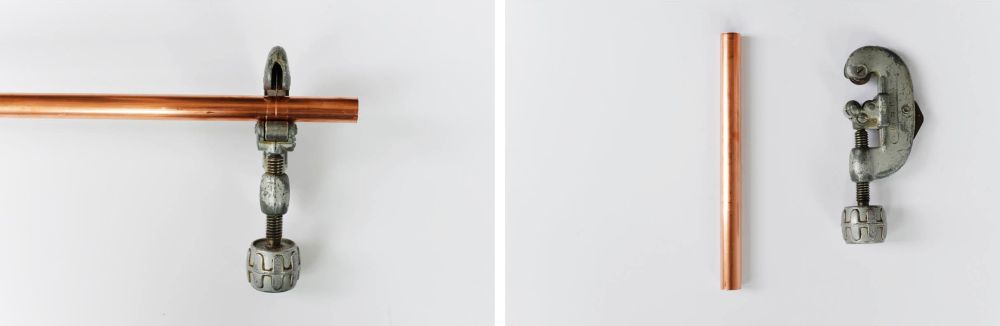
Copper pipes are cut into sections of different lengths, depending on the desired height and width of the stand. Short sections connect the fittings, while longer pieces form the horizontal branches.
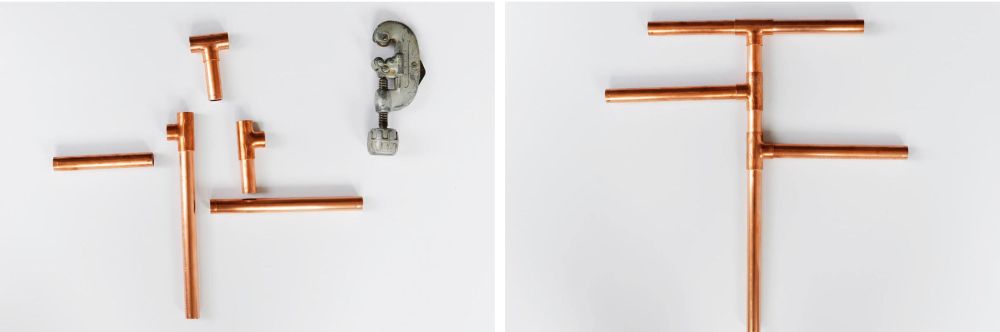
Three T-shaped fittings divide the structure into separate levels. Once assembled, the central pipe fits into the opening in the wooden block, with adhesive securing the connection if needed.
Copper Pipe Branches Replace Traditional Jewelry Hooks
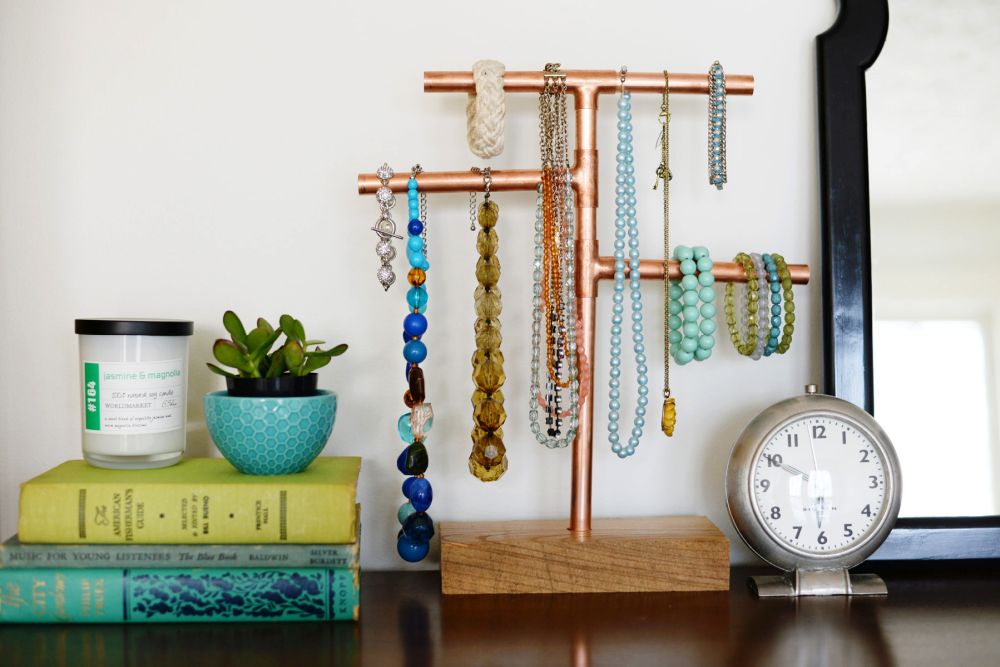
Instead of adding individual hooks for each piece of jewelry, the horizontal pipes provide space for several necklaces and bracelets.
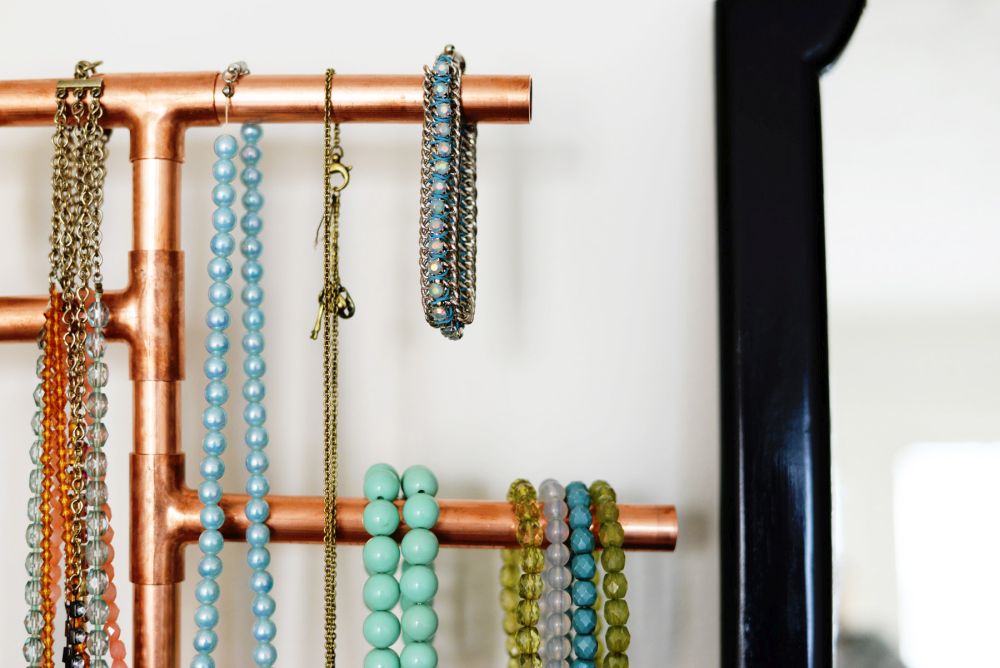
Longer necklaces hang from the upper branches, while shorter chains and bracelets occupy the lower sections. Open pipe ends allow accessories to slide onto the supports.
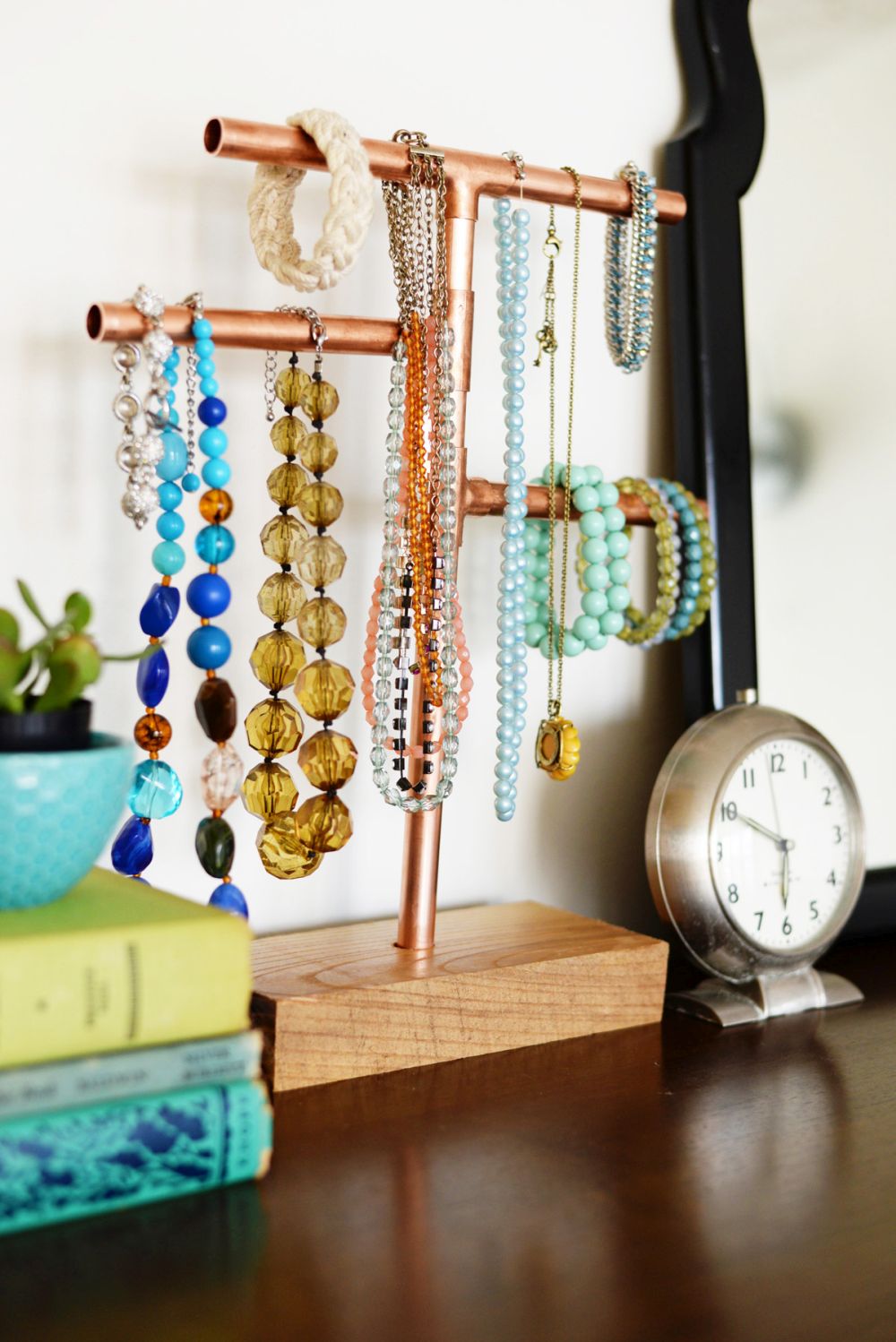
Unlike jewelry boxes that conceal accessories inside compartments, the freestanding copper structure keeps them visible without occupying much dresser space.
What to Know Before Making One
Cutting copper pipes can leave sharp edges. According to the Copper Development Association, burrs should be removed from both the inside and outside of cut pipe ends using a file or deburring tool. For this project, smoothing the edges also helps prevent scratches on jewelry and skin.
Choose a wooden block with enough width and weight to support the structure when loaded with accessories. Copper can develop a darker patina over time, but a clear protective coating designed for metal can help retain its original finish.
Plumbing materials can also replace conventional lamp bases, as seen in these lighting designs that combine empty glass bottles with plumbing pipes.
YouTube creator toDIYfor demonstrates another version of the copper pipe jewelry stand, using a concrete base instead of a wooden block to support the structure.
Would you use copper plumbing pipes to organize your jewelry or prefer a traditional jewelry box?
Project and image credits: Chelsea Mohrman, Homedit.com.