Goodbye, Standard Tables and Cabinets: These 6 Furniture Designs Look Nothing Like What You’d Expect


A console table has four legs and a flat top, while a storage cabinet has doors or drawers arranged inside a wooden frame. Most furniture follows these familiar forms, but some designs borrow their shapes from objects that were never associated with living room storage.
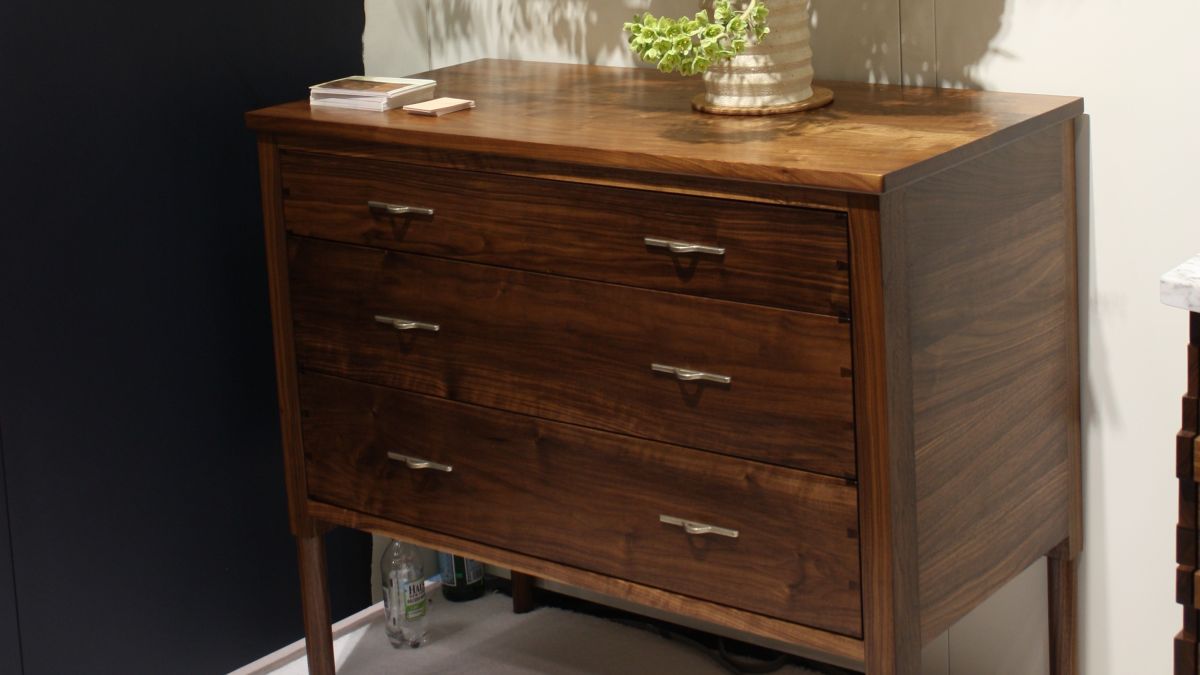
Bicycle frames support wooden tabletops, travel trunks open to reveal wine racks, and thick rope forms the base of a glass side table. Other pieces replace standard drawer fronts with raised ceramic ornaments or use rope to create patterns across painted wood.
These six furniture designs show how unexpected materials and shapes can change the appearance of household storage. Each piece offers a different approach to familiar furniture, from a console built around bicycle wheels to a cabinet that resembles a vintage suitcase.
1. A Bicycle Frame Becomes a Console Table
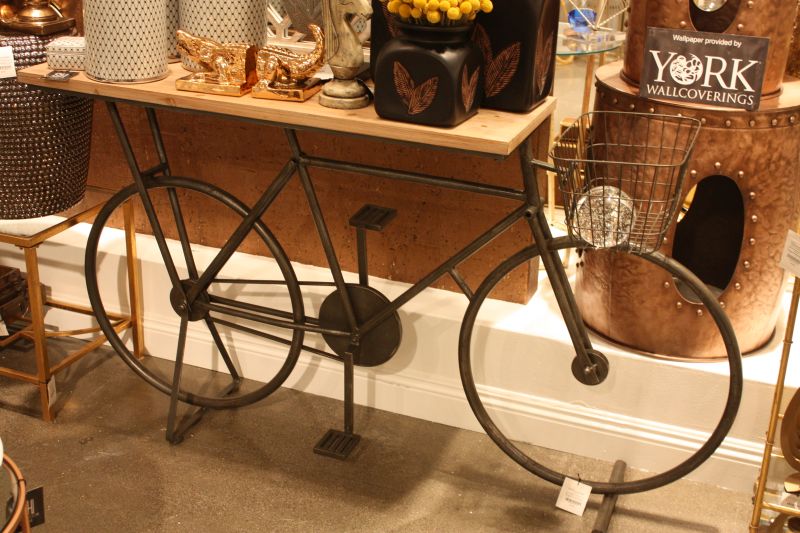
A metal bicycle frame supports a long wooden tabletop, with two large wheels, handlebars, pedals, and a wire basket forming the structure beneath it. The wheels remain part of the design, while short supports keep the console upright against the wall.
The wooden top provides space for lamps, plants, and decorative objects without hiding the bicycle shape. Rather than using conventional table legs, the design turns a familiar form of transportation into a piece of living room furniture.
2. A Travel Trunk Opens Into a Bar Cabinet
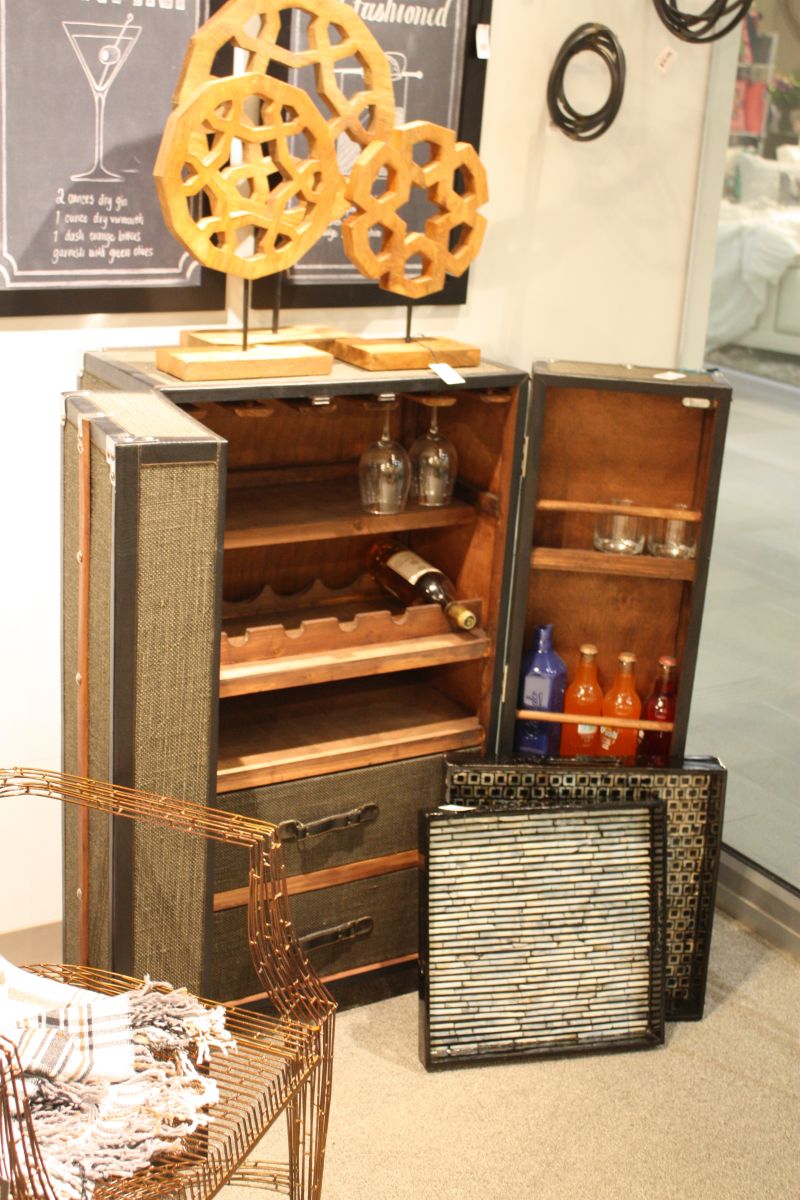
From the outside, this cabinet resembles a vintage travel trunk with dark edging, fabric-covered panels, and metal fittings. Opening the two front doors reveals wooden shelves, wine bottle racks, hanging stemware holders, and compartments for smaller bottles.
The doors contain extra storage, allowing glasses and drink accessories to occupy space that would have been unused in a conventional cabinet. When closed, the trunk conceals its bar arrangement behind the appearance of old luggage.
3. Thick Rope Forms the Base of a Glass Side Table
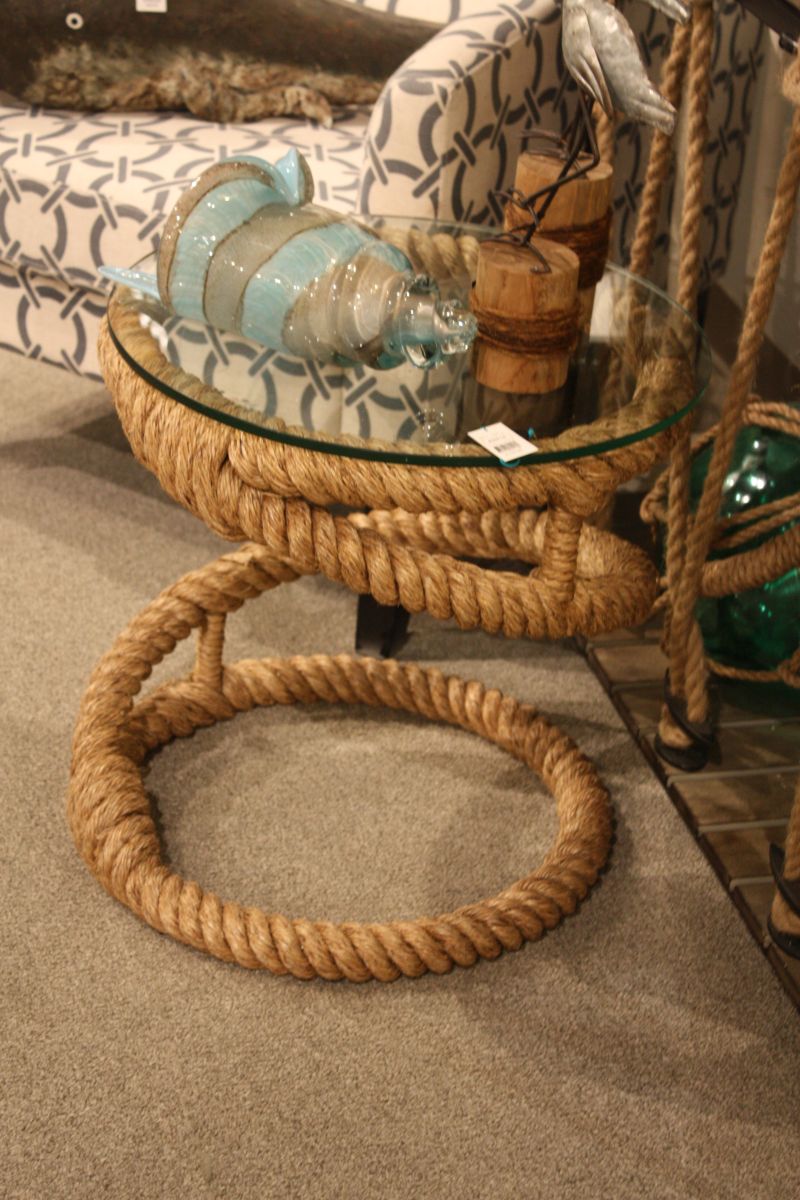
This side table has a round glass surface supported by a frame wrapped in thick natural rope. A broad circular ring rests on the floor, while a curved support rises toward the tabletop without the four legs found on most end tables.
The glass keeps the rope construction visible from above, making the base the main part of the design. Its circular form also leaves the space beneath the table open, unlike a cabinet-style end table with enclosed storage.
4. A Square Glass Table Uses Rope-Wrapped Legs
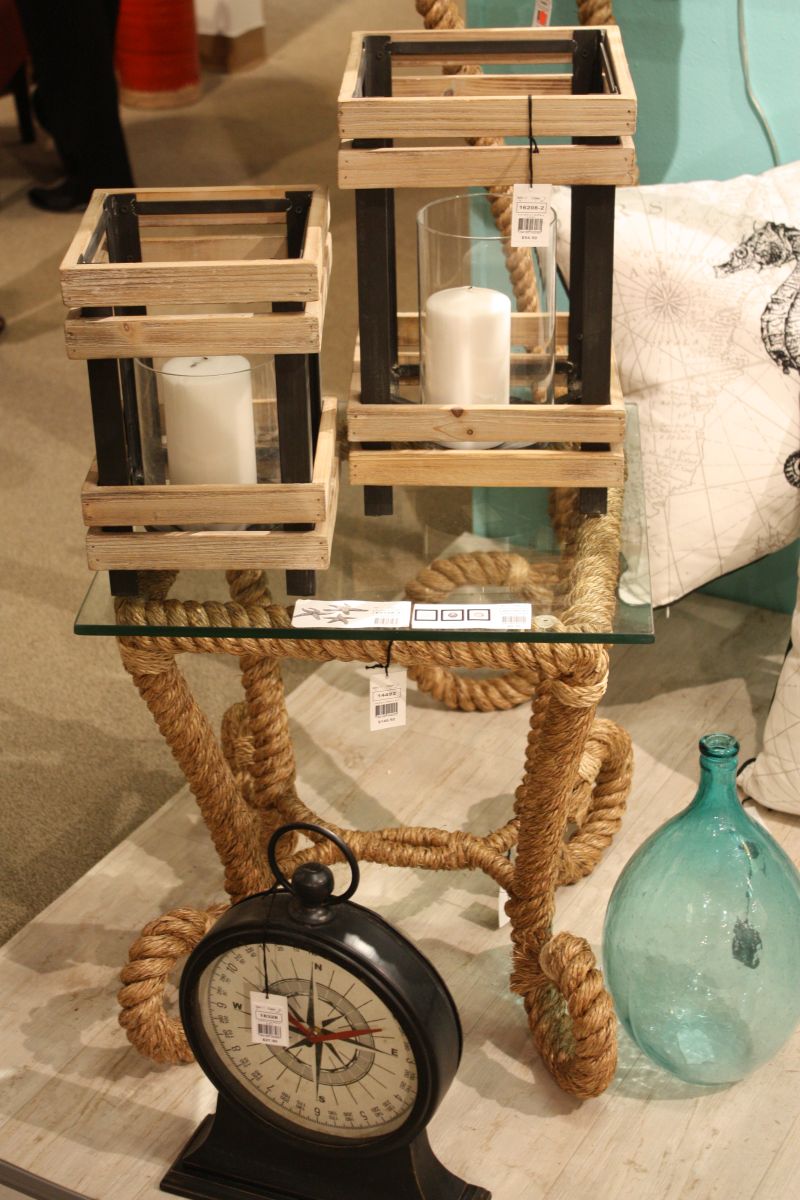
Four upright supports wrapped in thick rope hold a square glass tabletop, with horizontal rope-covered braces connecting the legs near the bottom. Large loops and knots remain exposed around the feet, giving the structure a nautical appearance.
Unlike the circular table, this design uses a rectangular frame while retaining the rope as its main exterior material. The transparent top leaves the wrapped supports visible, allowing the construction to serve as decoration beneath the glass.
5. Rope Replaces Painted Patterns on a Three-Drawer Dresser
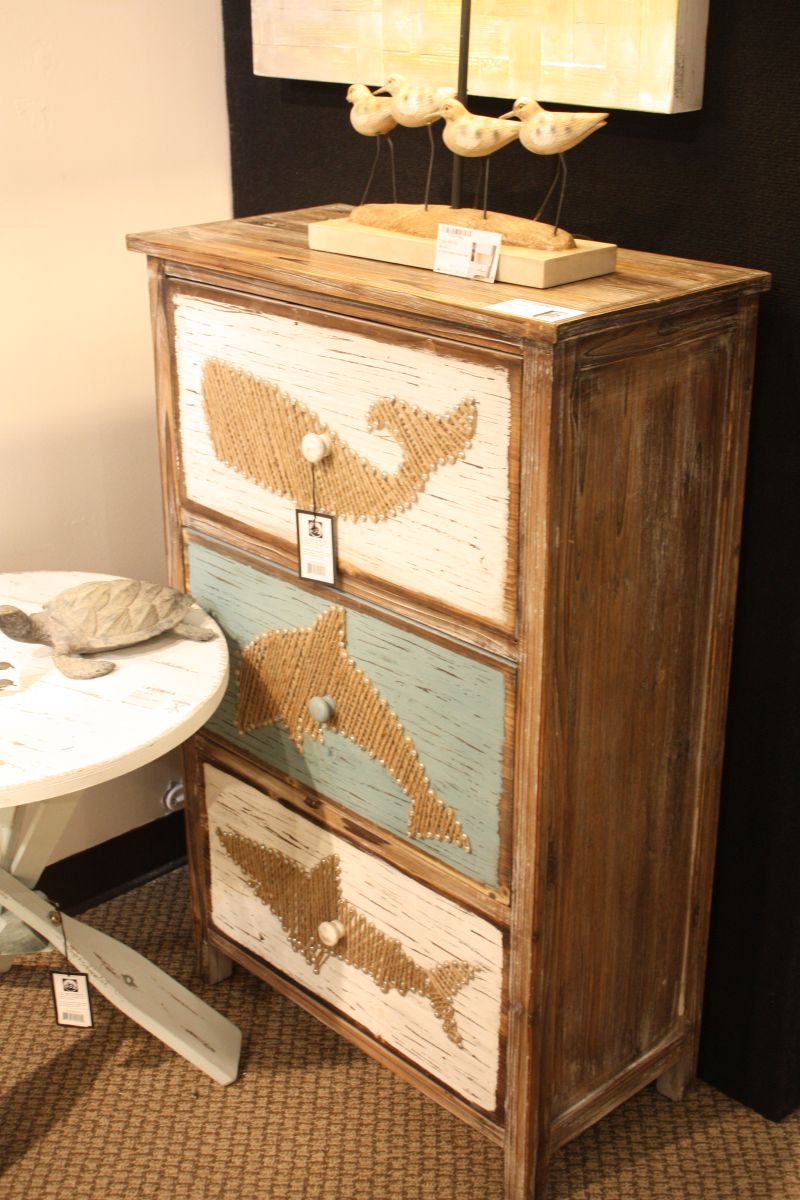
A wooden chest has three wide drawers with distressed cream and pale blue finishes. Rope forms fish and whale-tail shapes across the fronts, with small fasteners holding the outlines against the painted panels.
Round knobs sit within the rope designs, while the exposed wood frame separates the drawers. The combination turns a standard storage chest into coastal-style furniture without relying on printed motifs or conventional metal pulls.
6. Nine Drawer Fronts Resemble Decorative Ceramic Tiles
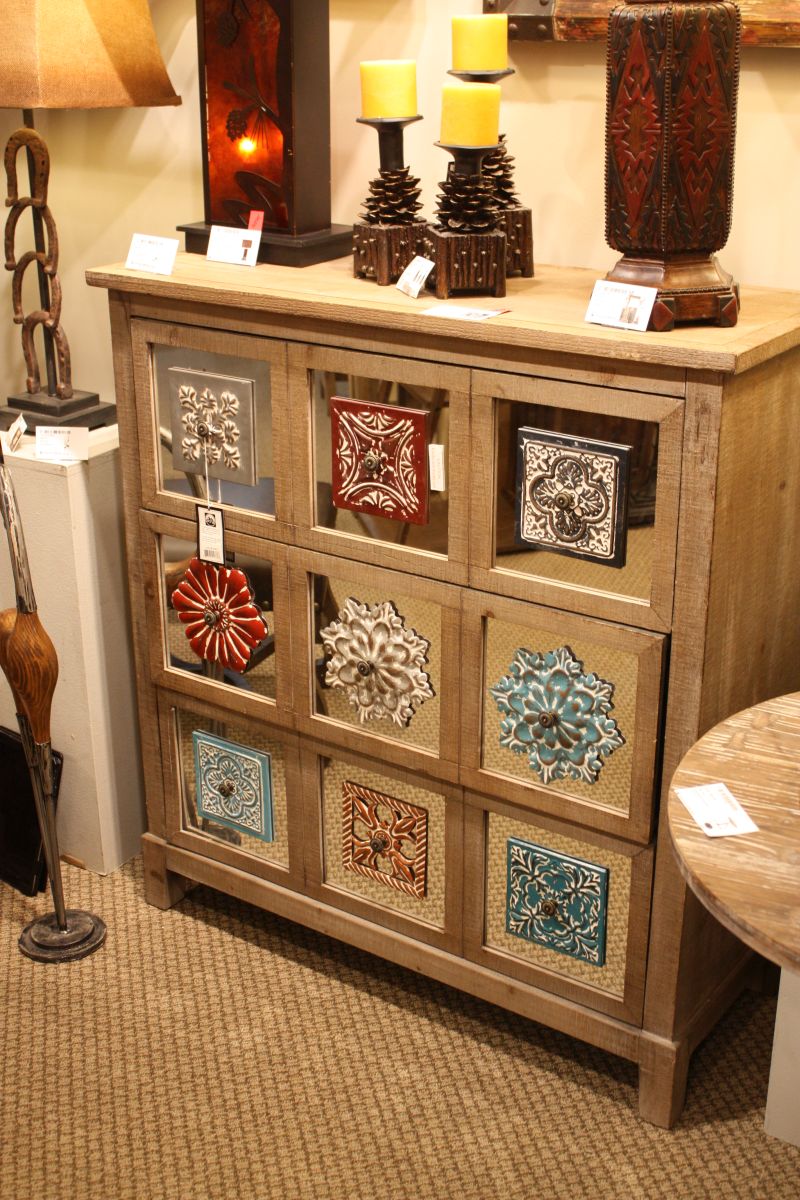
This wooden cabinet has nine drawers arranged in three rows, each decorated with a raised square ornament. Red, blue, cream, and metallic finishes appear across the fronts, with floral and geometric patterns surrounding small central knobs.
The ornaments resemble decorative ceramic tiles, while the wood frame and woven-look backgrounds separate each compartment. The result is a storage cabinet that resembles a collection of framed decorative pieces rather than a uniform bank of drawers.
Furniture That Borrows Shapes From Other Objects
The six designs approach familiar furniture through different materials and forms. The bicycle console and travel-trunk bar cabinet borrow from transportation and luggage, while the glass tables use rope as an exposed structural feature.
The dressers take another route, replacing standard drawer decoration with raised motifs and marine-inspired patterns. These photographed showroom pieces demonstrate how furniture can depart from familiar shapes without giving up its purpose as a table, cabinet, or storage chest.
Which of these designs would you bring into your home: the bicycle console, travel-trunk bar cabinet, rope table, or one of the decorated dressers?